
Reviewed · SANTIAGO TOURS
An Architect’s Tour of Downtown Santiago
Santiago’s buildings tell the story of Chile better than a quick palace visit ever could. On this three-hour walk with architect Diego Inzunza, you move from Plaza Baquedano to La Moneda, linking churches, university buildings, old neighborhoods, and political landmarks along the way.
I like two things right away: the small group of no more than eight, which leaves room for questions, and the way the route connects design with Chile’s social and political changes. The main consideration is the walking. Comfortable shoes matter, and children under 10 cannot join.
In This Review
- Key points to know before you book
- Why Santiago makes sense through architecture
- Starting at Plaza Baquedano and Teatro Universidad de Chile
- Barrio Lastarria, where old and new Santiago meet
- Universidad Catolica de Chile and the city’s working institutions
- Cerro Santa Lucia and the value of looking upward
- Iglesia San Francisco and the city’s older layers
- Barrio Paris-Londres and Santiago’s quieter streets
- Chilean politics written into the city center
- Diego Inzunza’s guiding style and language options
- Is the $59 price fair?
- Who should book this Santiago walk?
- Should you book An Architect’s Tour of Downtown Santiago?
- FAQ
- How long does An Architect’s Tour of Downtown Santiago last?
- What languages is the tour offered in?
- Who leads the tour?
- Where does the tour meet?
- Where does the tour end?
- What places are included along the route?
- Is the tour wheelchair accessible?
- Can children join the tour?
- What should I bring?
- Is transportation back to my destination included?
Key points to know before you book
- Architect-led storytelling: Diego Inzunza trained as an architect and has worked as an architect and guide for more than six years.
- A route with a clear arc: Begin at Plaza Baquedano and finish at the presidential palace of La Moneda.
- Look beyond famous facades: See Barrio Lastarria, Cerro Santa Lucia, Iglesia San Francisco, Barrio Paris-Londres, and other central landmarks.
- English or Spanish: Diego speaks both languages, with fluent English developed during ten years living in the United States.
- Room for questions and photos: The walk is designed as a guided conversation, not a one-way lecture.
- Useful pause points: Coffee, restroom, bank, and money exchange stops may be included when needed.
Why Santiago makes sense through architecture
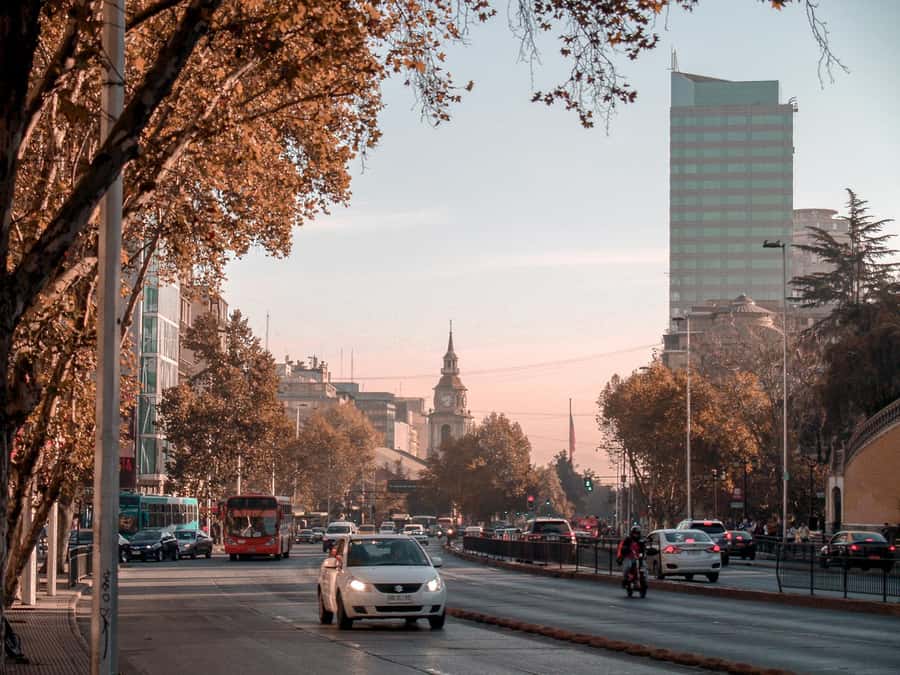
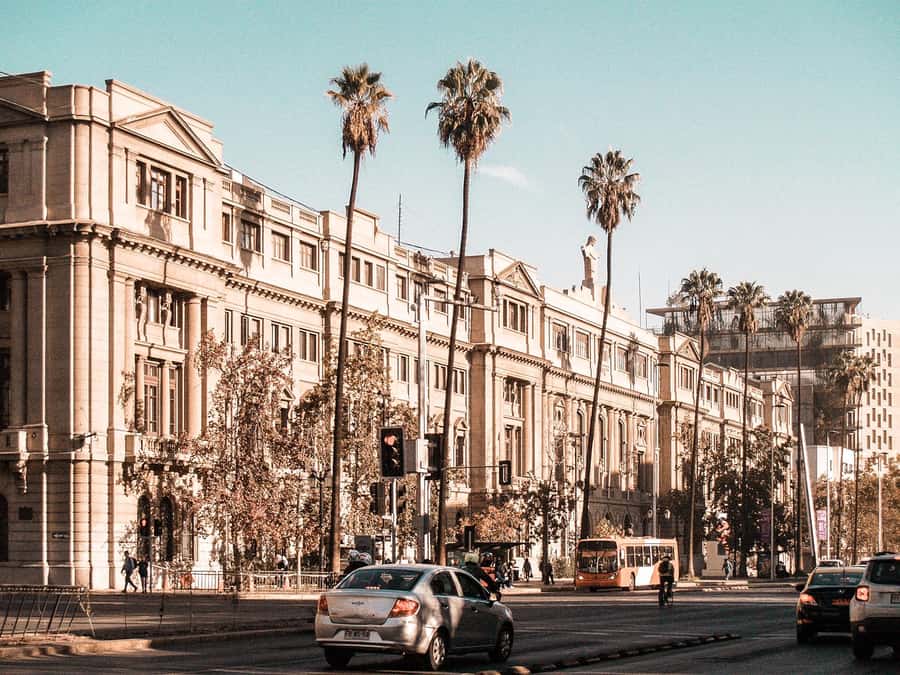
Santiago can seem like a city of separate pieces at first. There are grand civic buildings, quiet side streets, modern university architecture, old churches, and districts shaped by very different eras. An architecture-focused walk gives you a way to connect those pieces.
You do not need to know the difference between a style or period before joining. Diego explains why buildings look the way they do, what purpose they served, and how major events affected the city’s growth. That makes the tour useful even if your interest is history, politics, urban design, or simply seeing places that a standard sightseeing route may pass too quickly.
I especially like the link between appearance and events. A facade is not treated as decoration alone. You learn to ask what was happening in Chile when a building was planned, who used it, and why its design mattered.
The route also has a practical advantage. It begins in a lively, recognizable part of central Santiago and ends near La Moneda, where you can continue exploring or arrange transport onward. It gives your sightseeing a logical direction instead of sending you back to the same starting point.
Other Santiago days people book alongside this one:
- Santiago: Cajon del Maipo/Embalse del Yeso Tour with Picnic
★ 4.3 · 3,789 reviews - Santiago: Vina Del Mar, Valparaiso, Casablanca & Reñaca Tour
★ 4.2 · 2,838 reviews - Small-Group Cajón del Maipo Full-Day Tour and Picnic
★ 4.5 · 2,277 reviews
Starting at Plaza Baquedano and Teatro Universidad de Chile
The meeting point is Plaza Baquedano, next to Teatro Universidad de Chile. The starting location is also listed as Av. Providencia 43, so check the exact meeting pin and guide instructions before setting out. Plaza Baquedano is an important city intersection, making it a useful place to begin a walk through Santiago’s changing identity.
This opening area helps set the tone. You are not starting with an isolated monument, but at a point where major parts of the city meet. From here, Diego can explain how central Santiago connects with nearby neighborhoods and why this location matters in the city’s public life.
Expect the first part of the walk to establish the method used throughout the tour. Instead of rushing from one photo stop to another, you look at buildings as evidence. Diego explains architectural choices and places them alongside Chilean history and politics.
That approach suits curious visitors who like to ask questions. If one building catches your eye, you can raise it during the walk. The experience is described as a conversation, so you are not expected to remain silent while the guide delivers a prepared speech.
Barrio Lastarria, where old and new Santiago meet
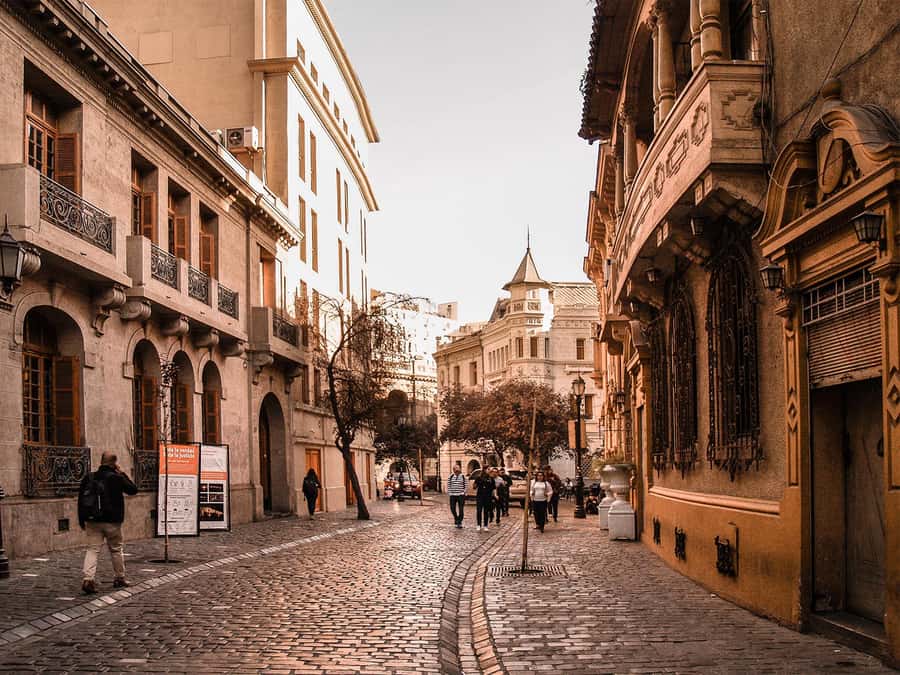
Barrio Lastarria is one of the major sections of the route. It is a good place to see how a historic central district can take on a newer cultural role without losing its older buildings and street pattern.
Here, the architectural angle matters. You can look at how buildings relate to the street, how different periods sit beside one another, and how a neighborhood’s identity changes as its uses change. Diego’s job is not simply to point out attractive corners. He explains the reasons behind the design and the forces that shaped the area.
Lastarria also makes a pleasant early stop because it gives the walk a human scale. After the broad intersection at Plaza Baquedano, you move into a district where details become easier to notice. Bring your camera, but leave enough attention for the explanations. The value is in understanding why a particular view works, not just collecting photographs.
A coffee break may be included along the route. The exact stop can vary, but the break gives you a chance to rest, use the restroom, and continue asking questions in a less formal setting. If you need a pause, say so. The route allows for practical stops rather than treating the three-hour schedule as a race.
Universidad Catolica de Chile and the city’s working institutions
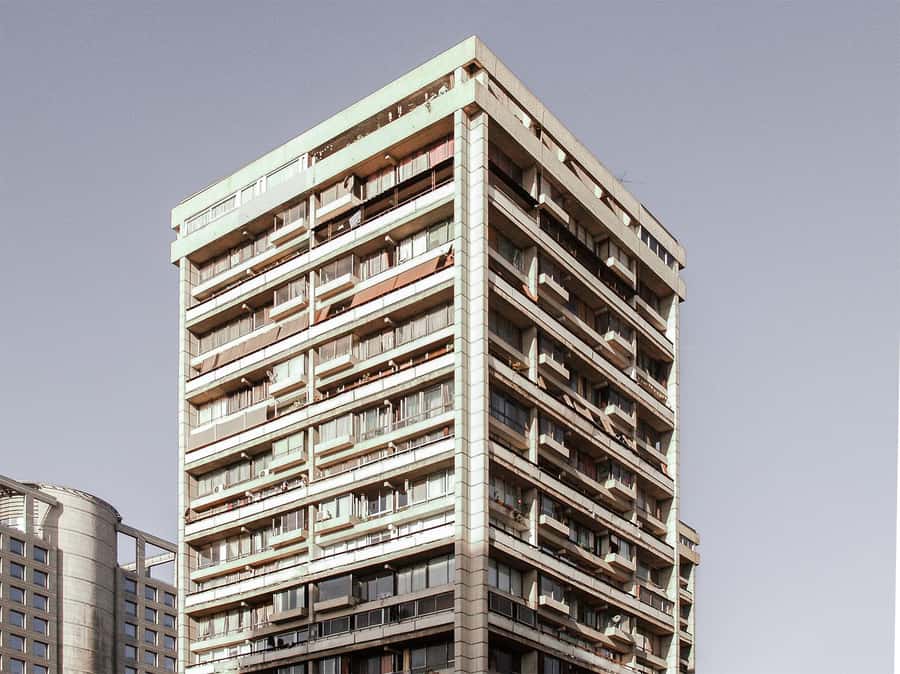
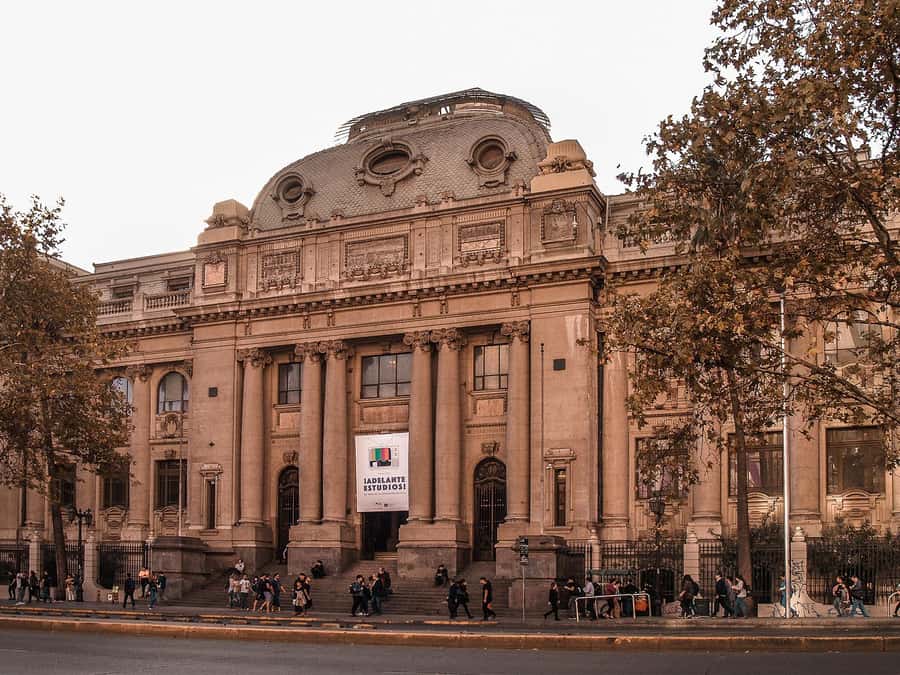
Universidad Catolica de Chile is another important point. University buildings are useful for understanding how architecture serves public and educational life. They are not just attractive structures. Their form reflects how people study, gather, move, and use shared space.
Diego can explain architectural styles and the thinking behind a building’s appearance without assuming that you have studied the subject. That is one of the strongest reasons to choose this tour over a general walk. You get a guide trained to notice proportion, materials, layout, and purpose, then connect those observations to the city around them.
The university section also helps broaden the tour beyond churches and government buildings. You see how different institutions shape Santiago and how architecture can express authority, learning, or civic ambition in different ways.
If you are a photographer, this is a useful stretch of the walk because you can take time with details rather than only photographing the city’s best-known landmarks. The group is limited to eight, so there should be more room to stop briefly than on a large coach-style outing. Still, the tour has a set three-hour duration, so extended photo sessions at every stop are not realistic.
Same long country, a very different day out:
- Santiago: Cajon del Maipo & Embalse El Yeso Trip with Picnic
★ 4.5 · 1,859 reviews - Tourist bus around Santiago for a day
★ 4.5 · 1,857 reviews - Viña Del Mar-Valparaiso -Casablanca -Reñaca-Oceanic Rock-Concon
★ 4.5 · 1,564 reviews - Santiago: Valparaiso, Viña del Mar, & Casablanca Valley Tour
★ 4.8 · 1,491 reviews
Cerro Santa Lucia and the value of looking upward
Cerro Santa Lucia gives the route a change of pace. It is one of the named highlights and offers a chance to consider Santiago from a different physical setting. The hill is not only a place to visit. It helps you think about how the city is organized around public spaces, historic features, and changing views.
The architectural focus remains central. Rather than treating the stop as a quick scenic break, you can ask how the site fits into the development of Santiago and how its built features relate to the surrounding city.
This is one point where comfortable shoes become especially important. The tour is wheelchair accessible, but the practical ease of every section can depend on the route used on the day. If you have particular mobility needs, confirm the path details before booking.
The stop is also a reminder that this is a walking conversation, not a museum tour with a fixed indoor route. Weather, comfort, and the amount of time you want for photographs can affect how the experience feels. Plan for outdoor conditions and bring only what you need.
Iglesia San Francisco and the city’s older layers
Iglesia San Francisco adds a religious and historic dimension to the walk. Churches can reveal a great deal about a city’s past through their materials, proportions, decoration, and place in the street network.
Diego explains how architectural styles developed and why buildings took on particular forms. That makes the church more interesting than a simple stop for a quick interior or exterior photograph. You begin to see how a religious building relates to the era in which it was built and to the society that supported it.
This is also where a trained architect can add something different from a standard guide. A general history guide may tell you when a church was built or what happened there. An architect can help you notice structure, design choices, and the visual language of the building. Those two kinds of information work well together.
Allow room for the group to pause. The tour specifically allows guests to spend more time at a place if they want to photograph or explore it further. That flexibility is valuable, though it also means the precise rhythm can change depending on the group’s interests.
Barrio Paris-Londres and Santiago’s quieter streets
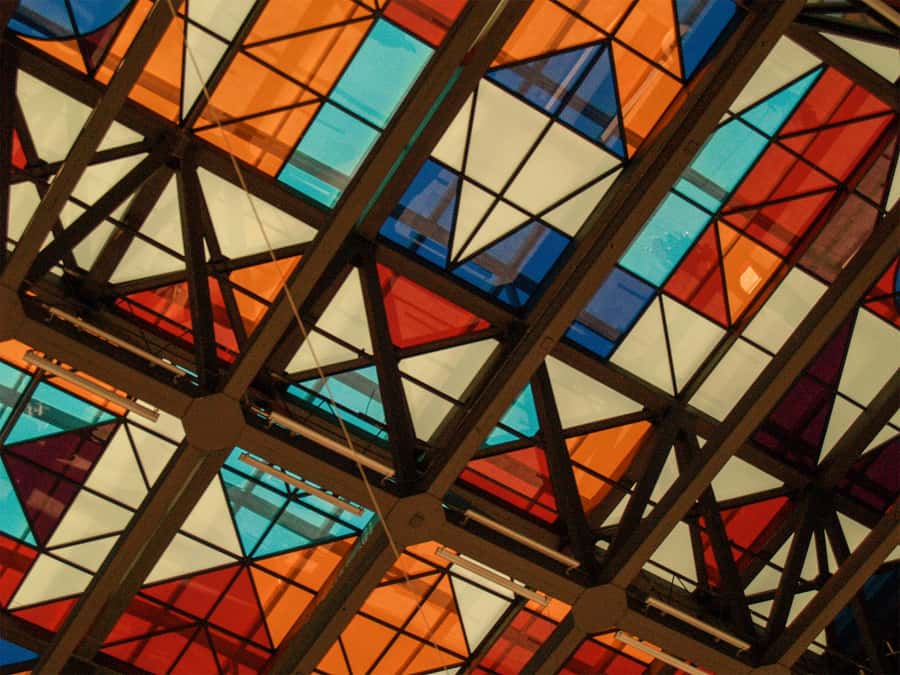
Barrio Paris-Londres is another distinctive part of the route. Its name alone hints at a different architectural mood from the broad avenues and major intersections elsewhere in central Santiago.
This section is useful because it takes you into a neighborhood setting rather than keeping you on a string of isolated monuments. Look at the street scale, building fronts, and relationship between private homes, public paths, and nearby institutions. Diego uses these details to explain how Santiago developed over time.
You may find this part especially rewarding if you enjoy walking down streets that are easy to miss when you are following only the main tourist sights. The route is designed to include places that might not receive much attention on a standard first-day itinerary.
At the same time, do not expect every stop to be a major attraction with a formal entrance. Some of the pleasure comes from close observation and explanation. If you prefer a tour packed with ticketed interiors, this may feel less satisfying. If you like learning why an ordinary-looking street matters, it is a strong fit.
Chilean politics written into the city center
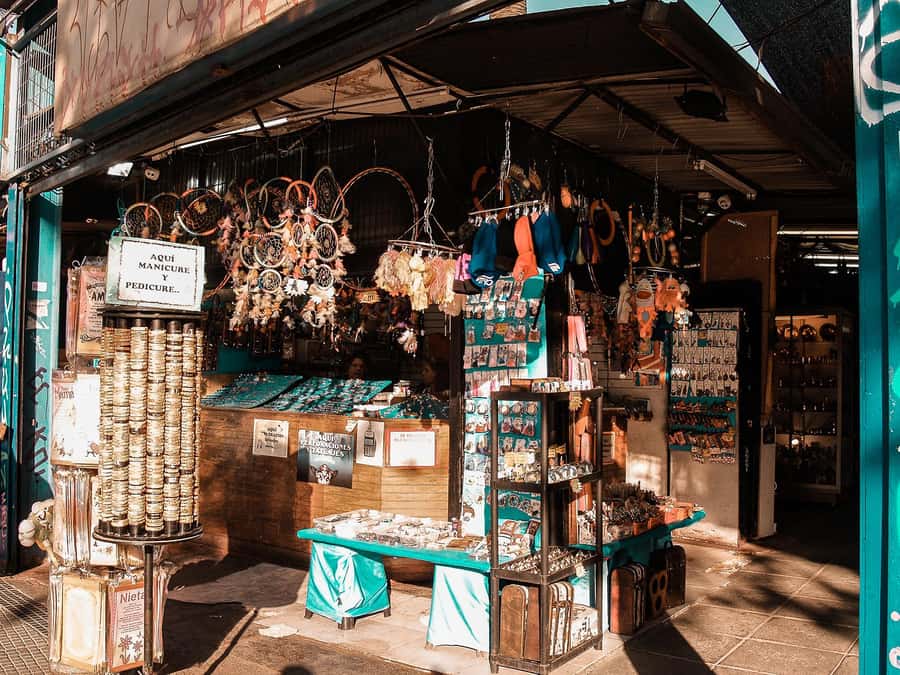
The tour ends at La Moneda, Chile’s presidential palace and the country’s civic center. This gives the walk a clear finish and brings the architectural discussion back to national politics.
The final section is important because Diego links design with periods of political and social change. You are not only hearing about buildings as old objects. You are learning how the city’s appearance reflects decisions, conflicts, institutions, and shifts in public life.
That connection was a repeated strength in the available feedback. Visitors praised Diego’s ability to explain Santiago’s political and social changes through architecture and design. One person noted that the tour revealed places they otherwise would not have seen, while another highlighted the way Diego brought the city to life. Those comments point to the real value here: the route changes how you read the city after the walk is over.
Finishing at La Moneda is also practical. The tour does not include a ride back to your hotel or other destination, but public and private transportation are available just steps away. You can continue your day from the civic center instead of retracing the whole route.
Diego Inzunza’s guiding style and language options
Diego is a Chilean architect who graduated in 2016 and has worked as both an architect and guide for more than six years. His training gives the tour a firm subject focus, while his guiding experience helps turn technical ideas into a conversation for non-specialists.
You can ask about a building, a street, a political event, or a design feature that catches your attention. The tour does not require previous architectural study or special equipment. Your main job is to observe and stay curious.
English and Spanish are available. Diego lived in the United States for ten years and speaks fluent English, which is useful if you want detailed explanations rather than only basic directions. You can book the language that lets you ask the most natural questions.
The small group limit of eight matters here. Architecture tours can become hard to follow when a guide is speaking to a large crowd on a noisy street. A small group makes it easier to hear, ask for clarification, and stop briefly for a photograph.
Is the $59 price fair?
At $59 per person, this is not the cheapest way to walk around Santiago. It is also not simply a three-hour stroll. You are paying for a specialist guide, a route that has been developed over several years, and the chance to discuss buildings in detail with someone trained in architecture.
I see the strongest value for visitors who would otherwise pass through central Santiago without understanding what they are seeing. A general map can show you Plaza Baquedano, Lastarria, San Francisco, Paris-Londres, and La Moneda. It cannot easily explain how the buildings connect to Chilean social and political change.
The price is easier to justify if you take advantage of the conversation. Ask questions. Request a little more time at a place you want to photograph. Tell Diego what interests you, whether that is church design, government buildings, urban change, or modern architecture.
The value is weaker for someone who only wants a short orientation or a list of photo stops. Three hours is a substantial commitment, and the tour works best when you enjoy listening, walking, and looking closely.
Who should book this Santiago walk?
I would recommend it to first-time visitors who want a strong introduction to central Santiago, especially if they like history, architecture, politics, or urban design. It also suits repeat visitors who have already seen the headline attractions and want a more thoughtful way to read familiar streets.
The tour is a good choice for couples, solo visitors, and small groups who prefer a personal exchange with a guide. The English option is useful for international visitors who want detailed discussion, and Spanish speakers can take the same route in Spanish.
It is less suitable for children under 10, and anyone uncomfortable with three hours of walking should think carefully before booking. Wear comfortable shoes and avoid bringing jewelry, which is listed among the items not allowed.
You can cancel up to 24 hours in advance for a full refund, and the reserve-now, pay-later option keeps your plans flexible. Those policies reduce the risk of booking while your schedule is still changing.
Should you book An Architect’s Tour of Downtown Santiago?
Book it if you want to understand Santiago rather than simply photograph it. Diego’s architectural training, fluent English, Chilean background, and experience as a guide create the right mix for a detailed but accessible walk.
Choose another activity if you want a fast, low-cost overview, a vehicle-based tour, or lots of indoor visits. This experience asks you to walk, listen, and notice details.
For most curious adults, the route from Plaza Baquedano through Lastarria, Santa Lucia, San Francisco, Paris-Londres, and onward to La Moneda offers a useful first look at the city. I would schedule it early in your Santiago stay, so the rest of the city becomes easier to understand.
FAQ
How long does An Architect’s Tour of Downtown Santiago last?
The tour lasts three hours.
What languages is the tour offered in?
The tour is available in English and Spanish.
Who leads the tour?
The tour is led by Chilean architect Diego Inzunza, who graduated in architecture in 2016 and has worked as an architect and guide for more than six years.
Where does the tour meet?
The meeting point is Plaza Baquedano, next to Teatro Universidad de Chile. Av. Providencia 43 is also listed as the starting location, so check the exact meeting details before arriving.
Where does the tour end?
The walk ends at La Moneda, Chile’s presidential palace and civic center.
What places are included along the route?
Named stops include Barrio Lastarria, Universidad Catolica de Chile, Cerro Santa Lucia, Iglesia San Francisco, Barrio Paris-Londres, and La Moneda, along with other central Santiago locations.
Is the tour wheelchair accessible?
Yes, the activity is listed as wheelchair accessible.
Can children join the tour?
Children under 10 years are not permitted to join.
What should I bring?
Bring comfortable shoes. Jewelry is not allowed.
Is transportation back to my destination included?
No. The tour ends at La Moneda and does not include a ride back, but public and private transportation are available nearby.
Just added around Santiago
- Walking City Tour with Funicular, Cable Car and Tasting★ 4.3 · 6 reviews
- VIÑA DEL MAR AND VALPARAISO TOUR★ 4.8 · 20 reviews
- Valparaiso & Casablanca : Wine, Gastronomy and Living Culture★ 5.0 · 37 reviews
- Coast and Color: Discover Viña and Valparaíso in a Day★ 5.0 · 58 reviews
- Private Cruise Transfer : Santiago → Valparaiso or San Antonio★ 4.5 · 51 reviews
- Valle nevado Sunset★ 5.0 · 40 reviews
- Snow Tour Farellones Fullday Andes Panoramic★ 5.0 · 47 reviews
- “Tour Tradicional” Viña Cousiño Macul Oficial portugués★ 5.0 · 35 reviews
Santiago Tours, compared.

Cajon del Maipo/Embalse del Yeso Tour with Picnic
Read our review →
Vina Del Mar, Valparaiso, Casablanca & Reñaca Tour
Read our review →
Small-Group Cajón del Maipo Full-Day Tour and Picnic
Read our review →
Valparaiso -Casablanca -Reñaca-Oceanic Rock-Concon
Read our review →
Valparaiso, Viña del Mar, & Casablanca Valley Tour
Read our review →
Viña del Mar, Valparaiso & Casablanca Valley Tour
Read our review →
Browse the lists this tour appears in