
Reviewed · TICKETS
Museo Chileno de Arte Precolombino Admission Ticket
The best reason to visit the Museo Chileno de Arte Precolombino is its clear look at the people who lived in Chile and the wider Americas long before modern borders existed. Inside an elegant 1805 colonial building, you’ll see art that links ancient lives with the Indigenous communities of Chile today.
I like the well-presented collection, which brings together fine objects from several regions without asking you to be an archaeology expert. I also like the easy central location, bilingual explanations, café, and gift shop, which make this a simple stop during a day in Santiago.
The main drawback is scale. The museum is smaller than some visitors expect, and one exhibition area has sometimes been closed. The lower level can also be dark, with signage that takes extra effort to read.
In This Review
- Key points to know before you go
- Why this museum matters in Santiago
- Entering the former Royal Customs House
- What you see in Chile Before Chile
- A self-guided format that keeps things flexible
- Art, labels, and the lower level
- The café and gift shop add useful breathing room
- Is $17 a fair price?
- How long should you allow?
- Who will enjoy this museum most?
- Booking, timing, and cancellation
- Should you book the Museo Chileno de Arte Precolombino?
- FAQ
- Where is the Museo Chileno de Arte Precolombino?
- How much does admission cost?
- How long does the visit take?
- What are the museum’s opening hours?
- Is the visit guided?
- Are discounted tickets available?
- Can I cancel for a refund?
Key points to know before you go
- The building dates to 1805: You enter a former Royal Customs House, one of central Santiago’s notable colonial buildings.
- Chile Before Chile is the main focus: This permanent exhibition traces more than 14,000 years of human life in the territory now called Chile.
- Expect a self-guided visit: You set your own pace, with explanations available in Spanish and English.
- Plan around two hours: The listed exhibition visit is 30 minutes, but the full museum experience can fill a longer, relaxed stop.
- The $17 ticket suits a short cultural visit: It is a reasonable choice if you value art, Indigenous culture, and an easy central attraction.
- Check the exhibition schedule: Some areas may be unavailable, so do not assume every gallery will be open.
Why this museum matters in Santiago
Santiago has no shortage of grand plazas, churches, markets, and viewpoints. The Museo Chileno de Arte Precolombino gives you something different: a chance to understand the people and cultures that came before the Chilean nation.
That context matters. Chile is often presented through its colonial past, independence, modern politics, and dramatic geography. This museum widens the picture. It shows that the country’s identity began thousands of years earlier, with communities adapting to very different parts of South and Central America.
The permanent exhibition, Chile Before Chile, starts from a basic fact: humans first reached the territory now known as Chile more than 14,000 years ago. From there, the museum presents selected ancient peoples and connects their artistic work with present-day Indigenous communities.
You are not simply looking at old objects in glass cases. You are being asked to think about how genes, artistic traditions, stories, and shared memory continue into modern Chile. That makes the visit useful early in your stay, especially if you want a stronger sense of the country than you can get from sightseeing alone.
A few more Santiago trips to weigh up
- Santiago: 1-Day Hop-On Hop-Off Bus and Cable Car Ticket
★ 4.3 · 332 reviews - Tour Parque Farellones Ticket+Transportation, optional Snowwear
★ 4.5 · 248 reviews - Santiago: Sky Costanera Observatory Admission Ticket
★ 4.3 · 208 reviews
Entering the former Royal Customs House
The setting gives the visit a pleasant sense of place before you even reach the displays. The museum occupies a distinguished neoclassical building completed in 1805, originally used as the colonial government’s Royal Customs House.
That is a fitting home for the collection. The building belongs to the colonial chapter of Chilean history, while the objects inside reach much further back. The contrast helps you see Santiago as a city built in layers, rather than a place with only one historical story.
Do not expect a huge national museum with endless halls. The scale is more manageable. You can move through the galleries without feeling that you need half a day, and the layout has a straightforward flow.
The setting also works well for families and first-time museum visitors. You can make the stop focused and brief, or slow down when an object catches your attention. The museum is near public transportation, and its central position makes it practical to combine with other sights in downtown Santiago.
What you see in Chile Before Chile
The permanent exhibition is the heart of the visit. It examines the people who inhabited the territory now called Chile and the descendants who remain part of the country’s present-day identity.
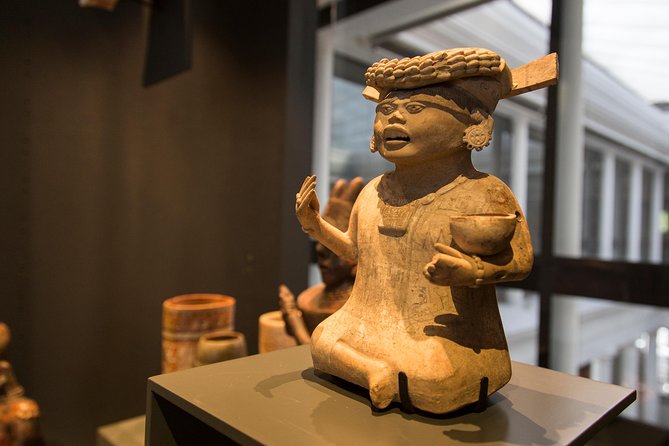
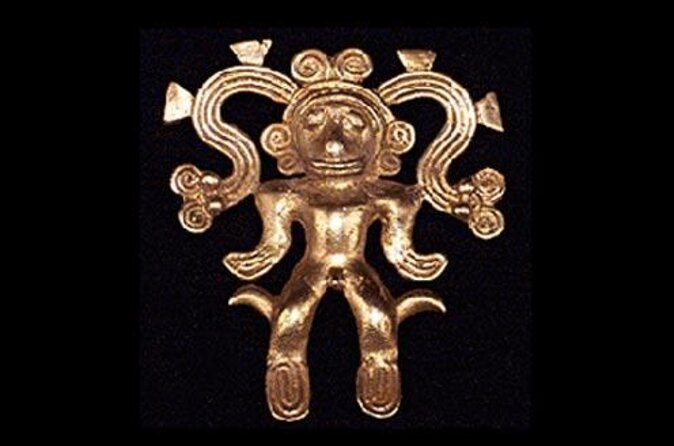
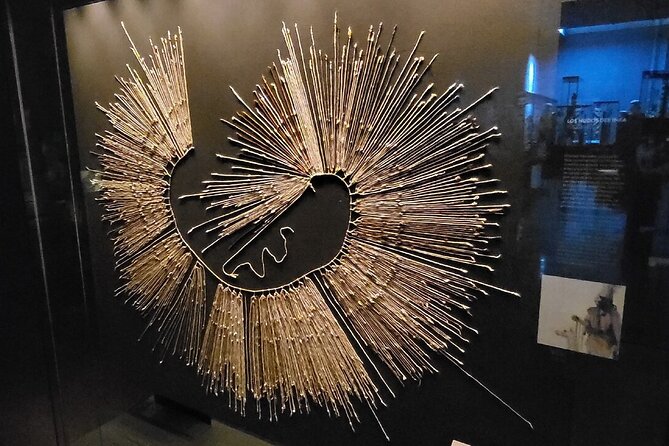
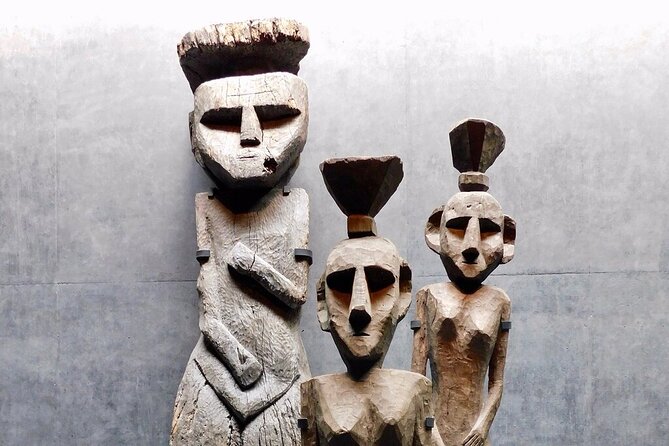
The collection covers ancient art from the region, with examples that help you compare materials, forms, and artistic habits across different cultures. You might notice similarities between objects made in distant areas, followed by sharp differences in style and purpose.
That comparison is one of the museum’s strongest features. Instead of treating South America as a single culture, the displays show a range of traditions. The same broad region contained many distinct peoples, each with its own artistic language and way of life.
You will also find material connected with Central and South American cultures beyond Chile. This wider view is helpful because ancient communities did not organize their world according to the modern borders you see on a map. Artistic ideas, materials, and stories moved across regions.
The objects are often intricate, and the museum gives you enough background to understand why they matter. Still, this is not a guided lecture. You read the labels, choose your own pace, and decide which sections deserve the most time.
The exhibition visit is listed at 30 minutes. That is possible if you make a quick pass, but I would allow more time if you like museum displays or want to read the Spanish and English explanations carefully. With the rest of the visit, a total of about two hours is a sensible plan.
A self-guided format that keeps things flexible
There is no scheduled guide named for this experience, and the format is self-guided. For many people, that is a plus. You can pause at a complicated object, move quickly through familiar material, or take a break at the café without worrying about a group schedule.
The lack of a guide also means you should arrive with realistic expectations. You will not receive a personal explanation of every culture or object. If you prefer a formal talk, this ticket may feel limited. If you enjoy setting your own route, it gives you useful freedom.
The museum’s explanations are available in Spanish and English, which is important for international visitors. You do not need a specialist background to get value from the exhibition, but careful reading improves the experience.
The maximum group size is 15 people, though the visit itself remains an individual museum experience rather than a tightly managed group tour. Children must be accompanied by an adult.
One practical point: if your mobile ticket or booking app does not work at the entrance, staff have been able to check the reservation and print it. That can save the day, but I would still keep your confirmation available and arrive with enough time to sort out a ticket problem.
Same long country, a very different day out:
- Santiago: Cajon del Maipo/Embalse del Yeso Tour with Picnic
★ 4.3 · 3,789 reviews - Santiago: Vina Del Mar, Valparaiso, Casablanca & Reñaca Tour
★ 4.2 · 2,838 reviews - Small-Group Cajón del Maipo Full-Day Tour and Picnic
★ 4.5 · 2,277 reviews - Santiago: Cajon del Maipo & Embalse El Yeso Trip with Picnic
★ 4.5 · 1,859 reviews
Art, labels, and the lower level
The collection is strong on detail. You will see objects whose appeal comes from careful shaping, decoration, and technique rather than sheer size. Look closely. The smaller works may reward more attention than the grandest displays.
The bilingual labels are helpful, especially if you are trying to connect an object with a particular people or region. The museum’s orderly flow also makes it easier to keep track of what you are seeing.
There are a few practical limitations. The lower level can be quite dark, and some signage may be hard to read. If you have trouble with low light or small text, give yourself extra time and do not rush through that section.
Exhibition availability can also change. One gallery has been unavailable for an extended period, leaving only part of the museum open on some visits. The remaining displays can still make a worthwhile stop, but you should check what is open if seeing every section is important to you.
This is the kind of museum where expectations shape the experience. If you are hoping for a giant complex with several full wings, the building may feel small. If you want a focused introduction to ancient American art in a central Santiago setting, the size is an advantage.
The café and gift shop add useful breathing room
A café inside the museum gives you an easy place to pause. It is particularly handy if you are visiting with children or pairing the museum with a busy walk through central Santiago.
You can also browse the gift shop after the galleries. It provides a natural end to the visit without forcing you straight back onto the street. These extras are not the main reason to buy the ticket, but they make the museum easier to fit into a relaxed day.
The building’s public spaces can have their own atmosphere, too. An opera singer was heard performing in the hallway outside the museum on one occasion, an unexpected touch that made the exit memorable. You should not count on a performance, but it illustrates the pleasant, lived-in feel of the surrounding cultural area.
Is $17 a fair price?
At $17 per person, this is not the cheapest museum stop in Santiago. The value depends on what you want from your visit.
For a short, central cultural attraction with a focused collection, the price is reasonable. You are paying for access to a respected collection, a historic building, bilingual explanations, and a subject that adds real context to your time in Chile.
The price is easier to justify if you care about Indigenous cultures, ancient art, or Chilean identity. It is also useful when you want a planned indoor activity that does not require transportation to a distant site.
The value is less certain if you expect a full-day museum or a large number of open exhibitions. A temporary closure or reduced gallery access can make the ticket feel expensive for the amount of material available.
Chilean nationals, foreign residents in Chile, and students can buy discounted tickets directly at the entrance by showing identification. If you qualify, buying there may be the better choice. International visitors without those documents should budget for the standard admission price.
How long should you allow?
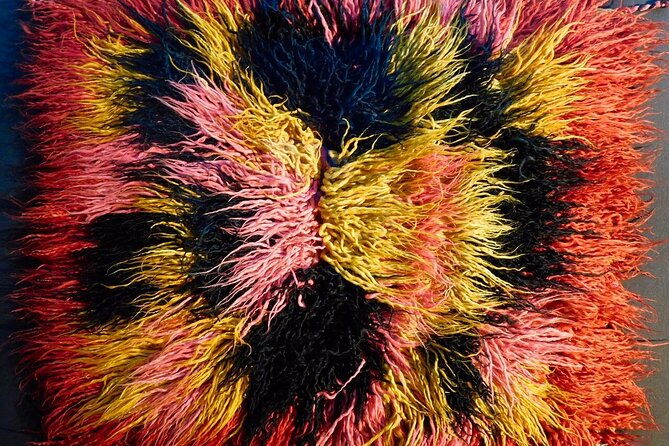
The official experience is described as approximately two hours, while the main exhibition stop is listed at 30 minutes. Think of those figures as two different ways to use the museum.
A quick visitor can see the central exhibition in about half an hour. That works if you are fitting the museum between other central Santiago sights or mainly want an introduction.
I would allow around 90 minutes to two hours if you plan to read labels, examine the objects, visit the lower level, and stop at the café or gift shop. Families may need more time if children want to look closely or take breaks.
There is no food or drink included with the admission ticket, though the on-site café gives you an option to buy refreshments. Transportation to and from the museum is also not included, so you arrange your own route. The central location and nearby public transportation keep that part simple.
The museum is open Tuesday through Sunday from 10:00 a.m. to 5:00 p.m. It is closed on Mondays according to the provided schedule. Since the hours are listed for both 2025 and 2026, this is a useful stop to plan during a midweek or weekend day, but check the date when making your plans.
Who will enjoy this museum most?
I would recommend it most strongly to people who want cultural context without committing to a long guided tour. It suits couples, solo visitors, families, students, and anyone curious about how ancient peoples shaped Chilean identity.
Families should find the compact layout manageable. Children must stay with an adult, and the mix of objects, rooms, and readable explanations gives you room to adjust the pace. The café is another practical help when younger children need a break.
Art lovers will appreciate the fine detail and variety. You do not need to know the names of ancient cultures in advance. The displays give you a starting point, and the comparisons between regions make the visit more rewarding.
History-minded visitors should also make time for the building itself. The 1805 Royal Customs House adds a colonial layer to a collection that reaches thousands of years further into the past.
I would be more cautious if your main goal is to see a large number of fully open exhibitions. The museum can feel small, and a closed gallery may limit the visit. It is best understood as a focused museum stop, not an enormous archaeological complex.
Booking, timing, and cancellation
Pre-booking gives you a ticket arranged before you reach the museum, and confirmation is received at the time of booking. It is commonly booked about 18 days in advance, so reserving ahead makes sense during a busy Santiago visit.
You can cancel for a full refund up to 24 hours before the experience start time. Cancellations or changes made less than 24 hours ahead are not accepted for a refund, and the cut-off uses local time.
Because the museum is easy to visit independently, you do not need to build an entire day around it. Pick a Tuesday through Sunday opening period, leave enough time for the central exhibition, and keep the rest of your schedule flexible.
Should you book the Museo Chileno de Arte Precolombino?
Book it if you want an accessible, self-guided look at ancient Chile and the wider Americas, especially if you are already spending time in central Santiago. The historic building, bilingual displays, café, and manageable size make it a practical cultural stop.
I would not book it expecting a huge museum, a personal guide, or guaranteed access to every exhibition area. Check the current gallery situation if a particular display matters to you, and remember that the lower level may be dim.
For $17, the ticket offers good value when you want a thoughtful introduction to Chilean identity and Indigenous art without giving up half a day. It is a particularly smart choice early in your visit, when you want the rest of your sightseeing to make more sense.
FAQ
Where is the Museo Chileno de Arte Precolombino?
The museum is in central Santiago, Chile, inside a former Royal Customs House. It is near public transportation.
How much does admission cost?
The listed admission price is $17 per person.
How long does the visit take?
The experience lasts approximately two hours. The permanent Chile Before Chile exhibition is listed as a 30-minute stop, but you may spend longer if you read the explanations and visit the café or gift shop.
What are the museum’s opening hours?
The museum is open Tuesday through Sunday from 10:00 a.m. to 5:00 p.m. The provided schedule covers both 2025 and 2026.
Is the visit guided?
No guide is specified for this ticket. The museum visit is self-guided, with explanations available in Spanish and English.
Are discounted tickets available?
Chilean nationals, foreign residents in Chile, and students can buy discounted tickets directly at the museum entrance by showing identification.
Can I cancel for a refund?
Yes. You can cancel at least 24 hours before the experience start time for a full refund. Cancellations and changes made less than 24 hours in advance are not accepted for a refund.
Just added around Santiago
- Walking City Tour with Funicular, Cable Car and Tasting★ 4.3 · 6 reviews
- VIÑA DEL MAR AND VALPARAISO TOUR★ 4.8 · 20 reviews
- Valparaiso & Casablanca : Wine, Gastronomy and Living Culture★ 5.0 · 37 reviews
- Coast and Color: Discover Viña and Valparaíso in a Day★ 5.0 · 58 reviews
- Private Cruise Transfer : Santiago → Valparaiso or San Antonio★ 4.5 · 51 reviews
- Valle nevado Sunset★ 5.0 · 40 reviews
- Snow Tour Farellones Fullday Andes Panoramic★ 5.0 · 47 reviews
- “Tour Tradicional” Viña Cousiño Macul Oficial portugués★ 5.0 · 35 reviews
Tickets, compared.


Tour Parque Farellones Ticket+Transportation, optional Snowwear
Read our review →


Skiing in Farellones Park: Ski Tickets, Lessons, Transportation and More
Read our review →
city tour and ticket to the house of Pablo Neruda
Read our review →Browse the lists this tour appears in