
Reviewed · CITY TOURS
Valparaiso: Street Art, Funiculars and Port City Tour
Valparaiso reveals itself best in layers: first the port, then the grand squares, then the steep hills where murals cover old walls and funiculars haul you above the city. This two-hour walk follows that climb, using El Peral and Concepción funiculars to save your legs while showing you the city’s art, history, and sea views.
I like the old photographs used to compare past and present Valparaiso, and I like the guide’s local connections with artists, shopkeepers, and residents. Guides such as Alex, Maria, Benjamin, and Grex have earned especially warm praise for their humor, patience, and clear explanations.
The main consideration is physical. This is not a long hike, but it includes steep streets, stairs, narrow passages, and hill walking. It is not recommended for people with mobility impairments, pregnant women, or people with altitude sickness, and the short schedule leaves little time for lingering in galleries or shops.
In This Review
- Key points at a glance
- From Muelle Prat to Valparaiso’s working port
- El Peral and the climb to Paseo Yugoslavo
- Pasaje Gálvez, galleries, and the meaning behind the murals
- Paseo Gervasoni and the Concepción funicular
- Paseo Atkinson and Valparaiso’s foreign influences
- Piano Staircase and Paseo Dimalow
- How the two-hour pace feels
- What the guides add
- Is $41 a fair price?
- Who should book this Valparaiso walk?
- Should you book it?
- FAQ
- Where does the tour begin?
- Where does the tour end?
- How long does the experience last?
- What languages are available?
- Are funicular tickets included?
- Which funiculars are used?
- Is food included?
- Is the tour private or shared?
- Who should avoid this tour?
Key points at a glance
- Ride historic funiculars: El Peral and Concepción help you reach Valparaiso’s upper neighborhoods without tackling every steep slope on foot.
- See street art with context: Pasaje Gálvez and the Cerro Alegre area come with explanations of artists, symbols, and social themes.
- Use old photographs to read the city: Historic images help you notice what has changed and what has survived.
- Taste a local alfajor: The included sweet supports a local producer and gives you a small taste of Chilean food culture.
- Walk through several heritage neighborhoods: Cerro Alegre and Cerro Concepción bring together Italian, British, German, and Anglican influences.
- Finish with practical advice: Your guide explains how to return downtown and suggests places for lunch or dinner.
From Muelle Prat to Valparaiso’s working port

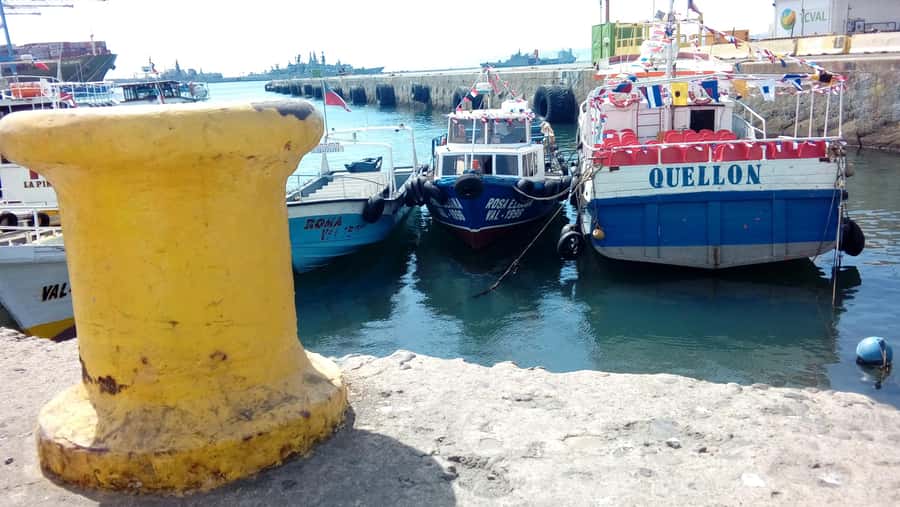
The meeting point is easy to identify: look for your guide near the two cannons at Prat Pier, close to the Tourist Information Office. This is a sensible starting place because the port gives you an immediate feel for Valparaiso as a maritime city, not merely an open-air art gallery.
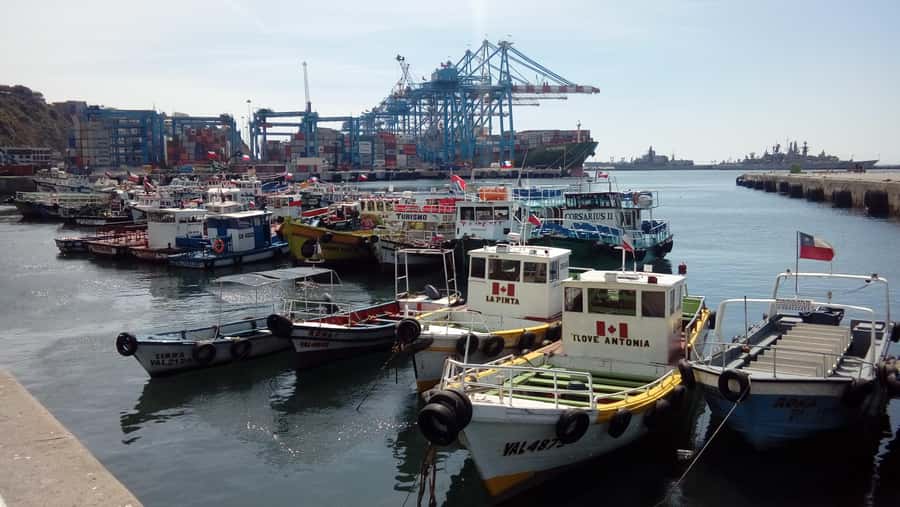
The first stop includes views and an explanation of the Port of Valparaiso. You then walk toward the square and compare old photographs with the present-day streets and buildings. I find this one of the most useful parts of the tour. Valparaiso can look like a jumble of colorful facades, hills, wires, stairs, and weathered walls. A historic image gives you a way to read that jumble.
At Plaza Sotomayor, the guide spends about 20 minutes explaining the square and its monument. You also see the fire department building and the headquarters of the Chilean Navy. The nearby Cuerpo de Bomberos de Valparaiso receives a shorter stop, but it adds another piece to the city’s civic story.
This opening section is not just filler before the murals. It helps you understand why the port mattered and why so many foreign communities left their mark on Valparaiso’s hills.
A few more Valparaiso trips to weigh up
- Street Art in Valparaiso and Wines in Casablanca from Santiago
★ 5.0 · 126 reviews
El Peral and the climb to Paseo Yugoslavo
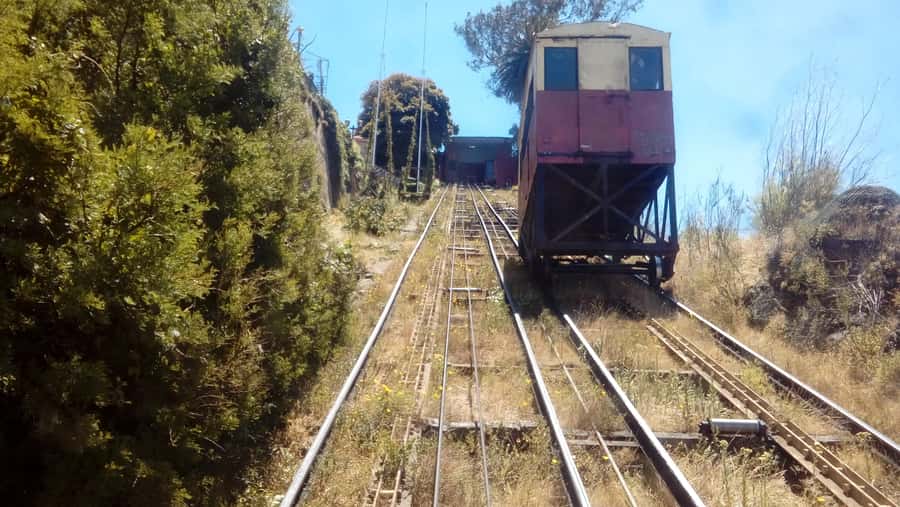
The first funicular ride is on Ascensor El Peral. Built in the early twentieth century, it carries you toward Cerro Alegre and Paseo Yugoslavo. The ride itself is brief, but it offers a practical lesson in how Valparaiso works. The hills are close to the port, yet the climb is sharp enough that these lifts became essential parts of daily life.
You get broad views over the port and bay as you rise. The experience is not polished like a modern sightseeing attraction, and that is part of its appeal. You are using a piece of the city’s transport system while moving into its older hill neighborhoods.
At Paseo Yugoslavo, the focus shifts from port commerce to hill life. The promenade gives you a good view and a first look at the mixture of old houses, public art, small businesses, and tourist shops. Your guide explains Cerro Alegre and Cerro Concepción as places shaped by several immigrant communities, rather than treating them as one uniform historic quarter.
Pasaje Bavestrello adds a specific example. Its Italian influence reflects the way residents once shared community life in the hills. These details are valuable because the architecture alone cannot tell you who lived here, how neighborhoods developed, or why certain passages feel different from one another.
Pasaje Gálvez, galleries, and the meaning behind the murals
The longest stop is at Pasaje Gálvez, where you spend about 30 minutes looking at street art. This is the heart of the experience. The point is not simply to photograph colorful walls. A good guide explains who made the work, what style you are seeing, and how the images connect with Chilean society and local life.
Alex receives repeated praise for explaining the meaning behind murals and for introducing visitors to artists and local people. Other guides, including Maria, Benjamin, Cristóbal, Romina, and Grex, have also been praised for making the history and art easy to discuss. The exact guide depends on the date and language of your booking, but the strongest part of the experience is the local, conversational approach.
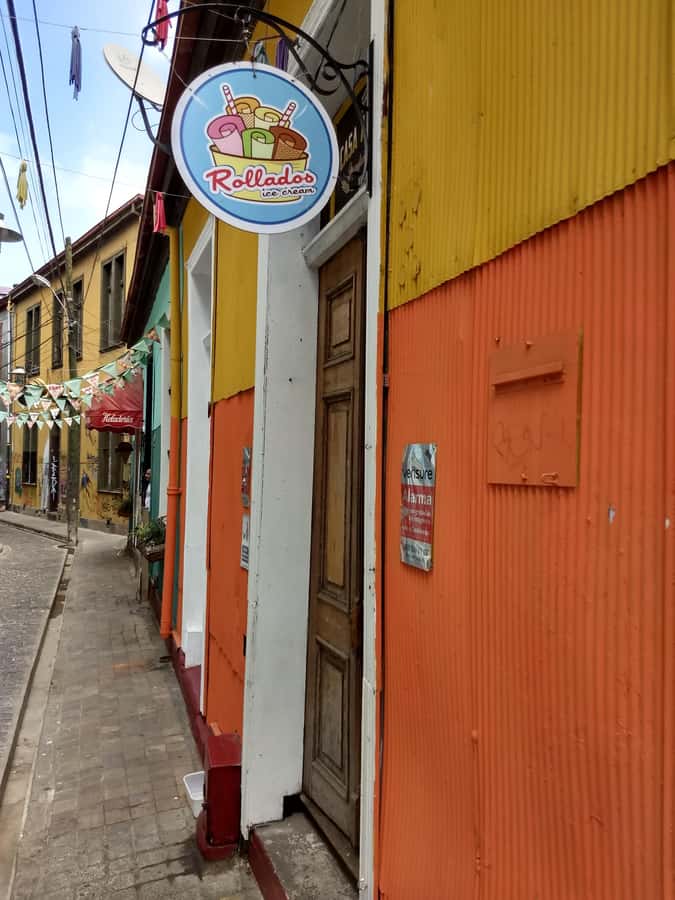
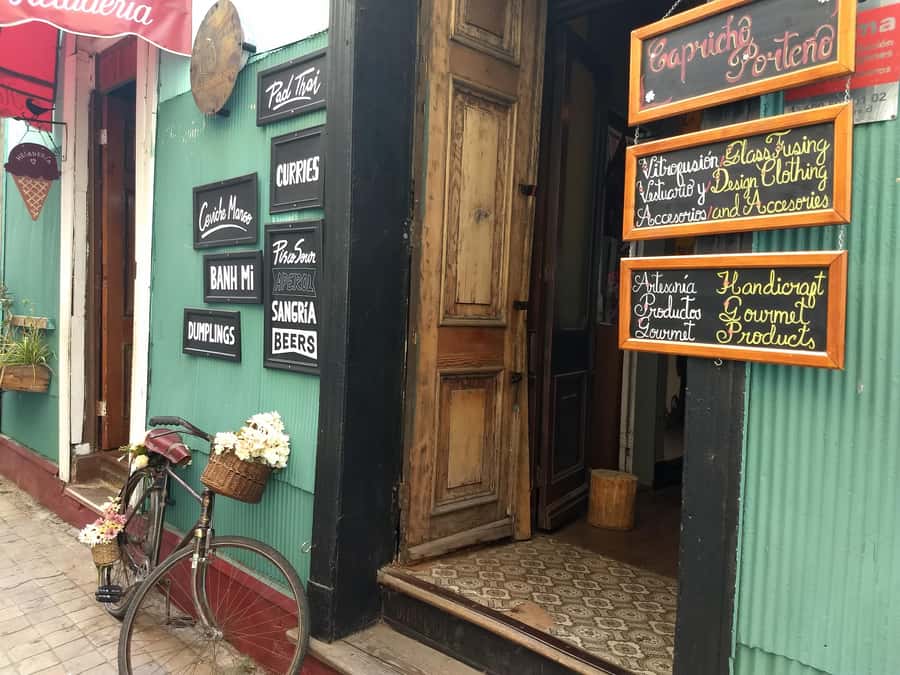
You might stop at workshops, galleries, or small stores along the way. These visits are not presented as a forced shopping session. Instead, they give you a chance to see how art functions as work, business, and neighborhood identity. You can browse crafts, jewelry, magnets, souvenirs, and other goods, but you are not required to buy anything.
The colorful stairs associated with Calle 13’s song Latinoamérica provide another memorable photo stop. They show how ordinary pieces of public space can become part of the city’s modern cultural identity. The tour also includes the mural We are not hippies, we are happies, a well-known phrase in Valparaiso’s street-art culture.
Street art changes. Walls are painted over, buildings weather, and new work appears. That makes a guide especially useful here. A map can show you where a mural is, but it cannot explain why it was painted, how the neighborhood views it, or what has disappeared since an earlier visit.
Paseo Gervasoni and the Concepción funicular
The route continues through Paseo Gervasoni, another scenic hill promenade, and includes Ascensor Concepción. Seeing more than one funicular is worthwhile because each lift has its own setting and reinforces how the city’s hills are connected.
The second ride also breaks up the walking. This is important if you want to see Valparaiso but do not want a demanding day of climbing. Still, do not mistake the funiculars for a completely effortless tour. You continue on foot through uneven streets and passages, and the route includes stairs.
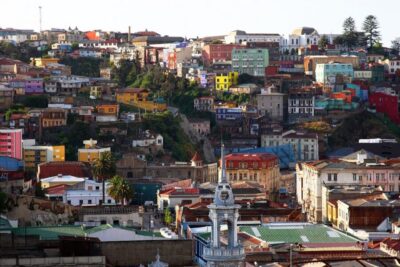
From these upper streets, you get changing views of the bay, rooftops, promenades, and painted facades. The guide can point out how the buildings adapt to steep ground and coastal weather. Hotel Manoir Atkinson, for example, provides a chance to discuss the wall-building techniques used to handle environmental conditions through the seasons.
Same long country, a very different day out:
- From Santiago: Valparaiso and Viña del Mar Day Tour
★ 4.3 · 643 reviews - 2 Hour Walking Tour in Valparaiso
★ 5.0 · 109 reviews - Valpo in 1 day: Authentic + Famous! Semi-private walking tour & public transport
★ 5.0 · 84 reviews - Famous Valparaíso! Premium Walking Tour with a Native Guide
★ 5.0 · 80 reviews
Paseo Atkinson and Valparaiso’s foreign influences
Paseo Atkinson brings a strong British flavor, seen in its houses and gardens. The tour also passes the Deutsche Schule of Valparaiso, a reminder of the German community’s importance in the city. Pastor Theodor Schmidt Passage commemorates the German pastor associated with the Lutheran Church.
These stops give the walk more balance. If you only follow the murals, Valparaiso can seem like a city defined by modern color. The older buildings and religious sites show the layers underneath. British, German, Italian, and Chilean influences sit close together, often along streets that feel more residential than monumental.
You pass the Lutheran Church of the Holy Cross, dated 1897, and the Anglican Saint Paul Cathedral. The Anglican church was one of the early hill churches intended to keep a community together. The Lutheran stop is short, as is the visit to the Anglican church, so you should not expect an extended architectural tour inside either building.
Brighton Restaurant is another useful landmark. Its terrace has panoramic city views and is associated with Chilean seafood. The tour does not include a meal there, but your guide can suggest restaurants for later. Several guides have been especially helpful with lunch advice, and Alex has even walked with people to help them find a suitable restaurant when their first choice was unavailable.
Piano Staircase and Paseo Dimalow
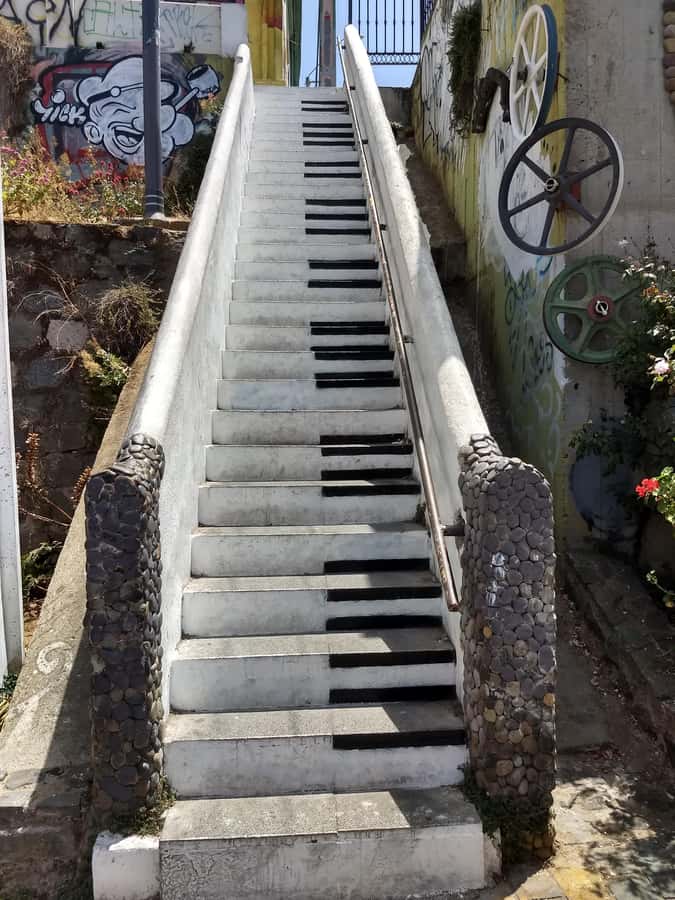
The Piano Staircase is one of the tour’s most playful stops. Painted steps turn a basic climb into public art and make a natural place for photographs. It also reminds you that Valparaiso’s creativity is not confined to gallery walls. Stairs, passages, retaining walls, and building fronts all become part of the city’s visual life.
You then walk down Paseo Dimalow in Cerro Alegre. The route gives you more views across the hills and a chance to hear about restaurants in the area. This is a good point to ask your guide what suits your plans, since the tour ends at Ascensor Reina Victoria rather than returning to the original pier.
Ending at Reina Victoria makes practical sense. You finish in the hill district, near more shops, restaurants, and viewpoints, instead of being taken straight back to the port. Your guide explains how to return to the starting point and offers suggestions for lunch or dinner, so you can continue independently.
How the two-hour pace feels
The advertised duration is two hours, and the route covers a lot. You visit the port, Plaza Sotomayor, two funicular systems, several promenades, historic passages, churches, staircases, murals, and viewpoints. That is efficient, but it also means the experience is an orientation rather than a slow art workshop or full neighborhood day.
I like the pacing for a first visit, especially if you are arriving from Santiago, stopping during a cruise, or trying to decide where to spend more time later. The funiculars prevent the route from becoming a nonstop uphill march, while the walking sections give you access to places a vehicle cannot reach.
The pace can change with the group. Private and small-group options are available, and guides have shown flexibility when people wanted to stop at a wine shop, gallery, restaurant, or viewpoint. A private tour is likely the better choice if your group has specific interests or needs a slower rhythm.
Do not book this expecting long museum visits, an extensive sit-down meal, or hours with a single artist. The included alfajor is a small tasting, and extra food and drinks cost more.
What the guides add
The strongest feature is the guide. The best accounts describe guides who connect art with Chilean and Valparaiso history, then explain both in an easy, personal way. Alex is often singled out for his energy, old photo folder, local contacts, and ability to explain social meaning in the murals.
Maria has been praised for warmth and authentic local background. Benjamin is described as funny and well informed, while Grex is noted for his knowledge of artists and relaxed manner. Cristóbal has handled lively question-and-answer walks, and Romina has led an engaging route through the city’s culture and past.
Because several guides operate in English, Chinese, French, and Portuguese, the quality may feel personal rather than identical from one departure to another. That is normal for a small local operation. You should expect the route and main stops to remain broadly similar, while the stories, artist introductions, and restaurant suggestions may vary.
One practical point deserves attention: arrive at the two cannons with your booking details ready. One person reported difficulty contacting the company when a guide was late, since the booking did not clearly provide direct contact information. That does not outweigh the strong overall record, but it is sensible to confirm the meeting instructions before setting out.
Is $41 a fair price?
At $41 per person, the tour is not the cheapest way to walk around Valparaiso. You can see some of the same neighborhoods independently, and one past experience noted that a free walking tour covered much of the same ground.
The paid tour earns its price through the two funicular tickets, a local alfajor, historic photo comparisons, route planning, art explanations, and help with navigating the hills. The personal introductions to artists and shopkeepers can also make a difference, though that depends on the guide and the day.
For me, the value is strongest if you have only a few hours or feel unsure about finding the murals and upper passages alone. It is also useful if you want a calm introduction before exploring on your own. If you are already comfortable navigating Valparaiso and mainly want transportation to viewpoints, the cost may be harder to justify.
Free cancellation up to 24 hours ahead and the option to reserve without paying immediately make planning easier. Funicular tickets and the alfajor are included, while other food and drinks are not.
Who should book this Valparaiso walk?
You should consider it if you want:
- A first look at Valparaiso’s port and hill districts
- Street art explained rather than merely photographed
- A small-group or private format
- Local restaurant and shopping suggestions
- A manageable route that uses funiculars
- Historical background shown through old images
- A guide who can help you feel more at ease in unfamiliar streets
You should think twice if you want a slow, unstructured afternoon. The route is packed, and you will move between many stops. You should also avoid it if steep streets, stairs, or funicular access are unsuitable for you.
Should you book it?
I would book this tour if Valparaiso is new to you and you want art, history, views, and practical orientation in one short outing. The strongest guides turn the murals from decoration into conversation, and the old photographs make the city easier to understand.
Choose a private or small group if you want to pause often, ask many questions, or include children and family members who need patience. If you already know Cerro Alegre and Cerro Concepción, spend the $41 on a slower gallery visit or meal instead.
For most first-time visitors, though, this is a useful introduction with real local character. Ride the funiculars, listen closely in Pasaje Gálvez, save your restaurant questions for the end, and keep time afterward to explore the hills at your own pace.
FAQ
Where does the tour begin?
The meeting point is near the two cannons at Muelle Prat, close to the Tourist Information Office in Prat Pier.
Where does the tour end?
The tour finishes at Ascensor Reina Victoria.
How long does the experience last?
The tour lasts two hours.
What languages are available?
Guided tours are available in English, Chinese, French, and Portuguese.
Are funicular tickets included?
Yes. Entry tickets to the funiculars are included.
Which funiculars are used?
The route includes Ascensor El Peral and Ascensor Concepción.
Is food included?
A locally made Chilean alfajor is included. Additional food and drinks are not included.
Is the tour private or shared?
Private and small-group options are available.
Who should avoid this tour?
The activity is not suitable for pregnant women, people with mobility impairments, or people with altitude sickness.
Just added around Valparaiso
- Viña del Mar and Valparaiso: guided day tour★ 4.2 · 8 reviews
- Viña del Mar and Reñaca 4-Hour Pacific Coast Tour★ 4.7 · 14 reviews
- Viña del Mar: Guided city tour★ 4.9 · 10 reviews
- Valparaíso y Viña del Mar full day★ 4.6 · 3 reviews
- Private: Viña del Mar and Valparaiso Day Tour★ 5.0 · 5 reviews
- Valparaiso 4-Hour City Tour by Van and Funicular★ 4.9 · 45 reviews
- Valparaíso Viña del Mar y Reñaca★ 4.6 · 22 reviews
- Valparaíso, Viña del Mar and Casablanca Full Day Experience★ 4.7 · 14 reviews
City Tours, compared.
Full day tour to Valparaiso and Viña del Mar city
Read our review →
Valparaiso 4-Hour City Tour by Van and Funicular
Read our review →
The Essentials City Tour & Optional Concha y Toro
Read our review →
Browse the lists this tour appears in