
Reviewed · HIKING & TREKKING
Whales & Humboldt Penguins: Chañaral or Damas island hiking
The big draw here is the boat ride around Choros and Damas islands, where Humboldt penguins, sea lions, sea otters, seabirds, dolphins, and sometimes whales share the same cold Pacific waters. I like the way this trip connects wildlife with the lives of Chile’s fishermen, miners, farmers, and Indigenous coastal communities. I also like the comfortable pickup from La Serena, specialized bilingual guiding, and lunch with a drink included.
The tradeoff is time. This is a long 10-hour day, and much of it is spent driving between La Serena and Punta de Choros. The boat portion can be the highlight, but sightings depend on wind, tides, waves, and weather. If you want a quick wildlife outing, this may feel stretched.
In This Review
- Key points to know
- From La Serena to the edge of the Atacama
- Punta Teatinos and Juan Soldado Bridge
- Caleta Los Hornos and La Higuera
- Quebrada de los Choros and the wildlife before the boat
- Punta de Choros: prepare for the sea
- Around Choros Island with penguins and sea lions
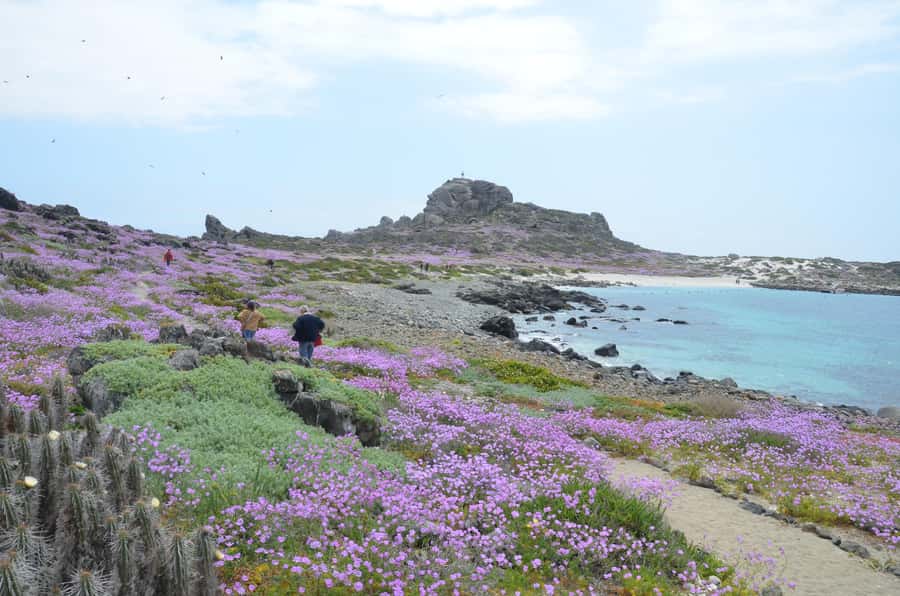
- Damas Island for beaches, cactus, and a short hike
- Lunch in Los Choros and the day’s timing
- Is $280 a fair price?
- Conditions, clothing, and realistic wildlife hopes
- Who should book this day from La Serena?
- FAQ
- Where does the tour start and finish?
- How long does the experience last?
- What languages are available?
- Are whales guaranteed?
- What animals might I see?
- What is included in the price?
- What should I bring?
Key points to know
- Whales are possible, not promised: The boat route can produce memorable whale and dolphin sightings, but sea conditions control what you see.
- Choros Island is the main wildlife stop: Expect opportunities to see Humboldt penguins, sea lions, seabirds, dolphins, and sea otters.
- Damas Island adds walking time: You get roughly an hour for a beach visit, hiking, photos, and wildlife viewing.
- The drive has real cultural value: Punta Teatinos, Juan Soldado Bridge, Caleta Los Hornos, La Higuera, and Quebrada de los Choros help explain northern Chile’s coastal life.
- Lunch is part of the package: The Los Choros stop includes a menu with starter, main course, dessert, and wine, water, or a soft drink.
- Plan for a full day outdoors: Bring warm, weather-appropriate clothing, even under a bright northern Chilean sun.
From La Serena to the edge of the Atacama
You start with pickup at your La Serena accommodation in air-conditioned transport. The road heads north through the meeting point of Coquimbo’s greener coastal region and the beginning of the Atacama Desert, one of the driest places on Earth.
That change in scenery is one reason this outing works better as a full-day cultural and nature trip than as a simple boat excursion. You pass areas linked to shepherds, farmers, miners, artisanal fishermen, divers, and seaweed collectors. The guide fills in the human story as the road leaves the city behind.
The route also connects with the coastal cultures known as the Changos, Choros, and Camanchacas. The area has a long relationship with the sea, including the use of fishing rafts made from sea lion skin. You do not just arrive at an island and point a camera at a penguin. You get some sense of why these islands mattered to the people who worked these waters.
Guides such as Christopher and Martin have been praised for keeping the drive informative and for stopping when something interesting appears along the road. That matters on a long transfer. Without a good guide, the journey can feel like a long wait for the boat.
A few more Chile trips to weigh up
- Punta Arenas: Full-Day Whales, Penguins, and Glaciers Tour
★ 4.9 · 325 reviews
Punta Teatinos and Juan Soldado Bridge
The first short stop is Punta Teatinos, where you have about five minutes for a guided look and scenic views. It is brief, so think of it as a quick orientation to the coast rather than a full visit.
Next comes Antiguo Puente Juan Soldado, an old bridge and roadside point connected with local stories and geography. You get around 10 minutes for photographs and a short explanation. These stops break up the drive and give the day a sense of place.
I would keep your camera ready but not expect long walks here. The value is in the guide’s context and in seeing how settlements and transport routes fit into this dry coastal zone.
Caleta Los Hornos and La Higuera
At Caleta Los Hornos, the tour pauses for another short guided visit and views. This is a fishermen’s cove, and it helps you see the working coast before you reach the protected islands.
The next stop is La Higuera, with about 20 minutes for sightseeing and a guided drive through the area. Here, the route shows the overlap of old rural life, mining country, and the coastal road north.
This part of the trip is not a series of blockbuster attractions. It is the connective tissue of the day. You are watching the environment change from greener northern Chile into harsher desert country, while the guide explains the communities that have adapted to it.
Quebrada de los Choros and the wildlife before the boat
At Quebrada de los Choros, you have around 20 minutes for a photo stop, free time, sightseeing, and possible wildlife viewing. The wider area can offer glimpses of animals such as guanacos, foxes, and wild donkeys, according to the sightings recorded on the tour.
You might also see llamas or other animals during the drive. These sightings are not guaranteed, and they can be quick, so do not treat this section as a formal wildlife safari. Still, the possibility adds interest to the road north.
This is a good place to understand the contrast that defines the day: dry hills and cactus on land, cold nutrient-filled waters offshore. The vegetation is sparse, but it is not lifeless. Cactus and hardy plants share the area with birds of prey and coastal animals.
Same long country, a very different day out:
- Santiago: Cajon del Maipo/Embalse del Yeso Tour with Picnic
★ 4.3 · 3,789 reviews - Santiago: Vina Del Mar, Valparaiso, Casablanca & Reñaca Tour
★ 4.2 · 2,838 reviews - Small-Group Cajón del Maipo Full-Day Tour and Picnic
★ 4.5 · 2,277 reviews - Santiago: Cajon del Maipo & Embalse El Yeso Trip with Picnic
★ 4.5 · 1,859 reviews
Punta de Choros: prepare for the sea
Punta de Choros is the main launch point. You get a short break, a safety briefing, photographs, and a guided introduction before boarding the boat.
Bring a warm layer even if La Serena feels hot. Wind on the water can make the trip feel much colder, and the tour specifically advises warm, weather-appropriate outdoor clothing. You should also be ready for spray and movement on the boat.
The excursion is not suitable for people prone to seasickness, and it is also not recommended for people with back problems, mobility impairments, or epilepsy. These limits matter because the day includes boat movement, outdoor walking, and uneven natural settings.
Around Choros Island with penguins and sea lions
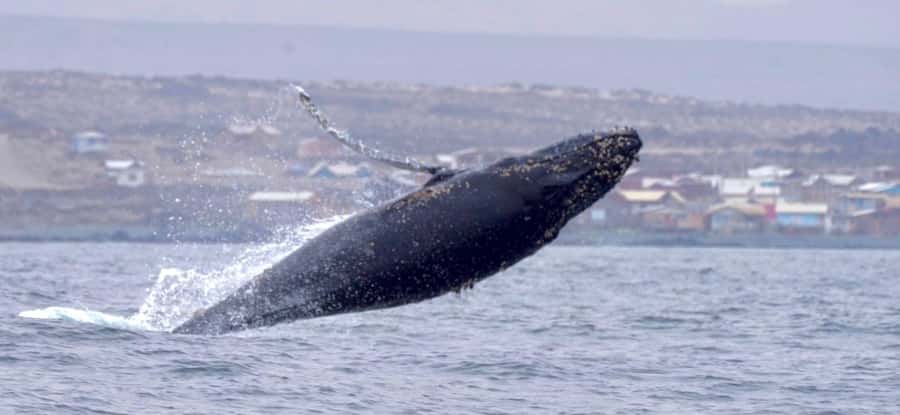
The cruise around Isla Choros is the wildlife centerpiece. You spend about an hour with guided boat viewing, scenic coastal passages, and opportunities to watch dolphins, whales, and other marine life.
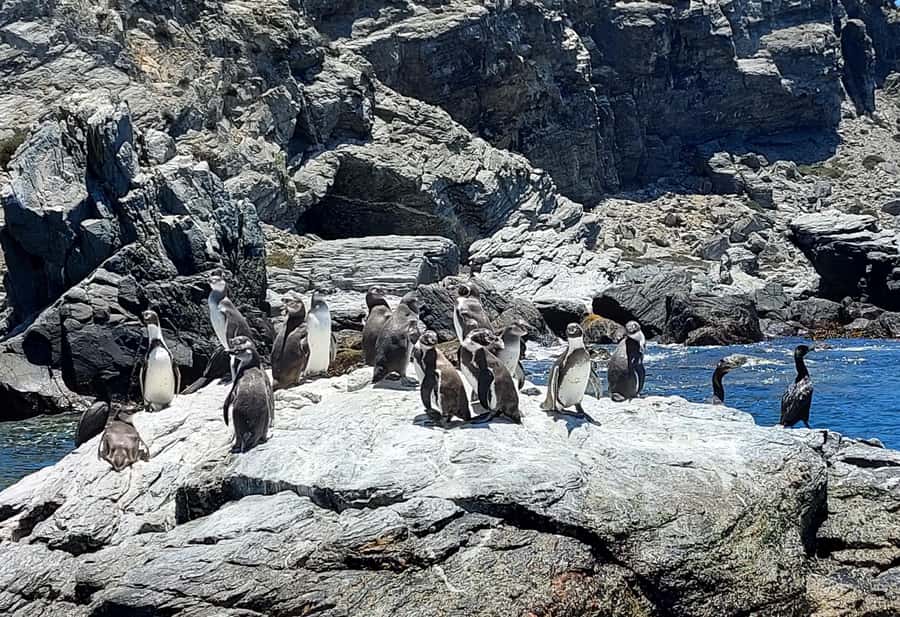
Humboldt penguins are the headline species, but the experience is broader than penguin spotting. You might see sea lions, sea otters, seabirds, dolphins, and whales. Birds of prey may also appear around the islands and the route to the port.
The Humboldt penguin is especially fitting for this coast. These birds live along the cold Pacific current and can be seen around rocky island shores. They may be less dramatic than a whale, but watching a small group perched on the rocks gives the trip its character.
Whales are the great bonus. Recent sightings have included an especially memorable whale-watching experience, but other outings have produced only penguins and seals. That variation is not a fault in the guide or boat. Wildlife follows its own schedule, and the tour warns that wind, tides, waves, and weather can change the route or prevent navigation.
Dolphins are also a matter of luck. Keep your eyes moving, especially across open water, and listen to the guide’s directions. Sea lions are generally easier to spot, while otters and penguins may require more careful watching.
Damas Island for beaches, cactus, and a short hike
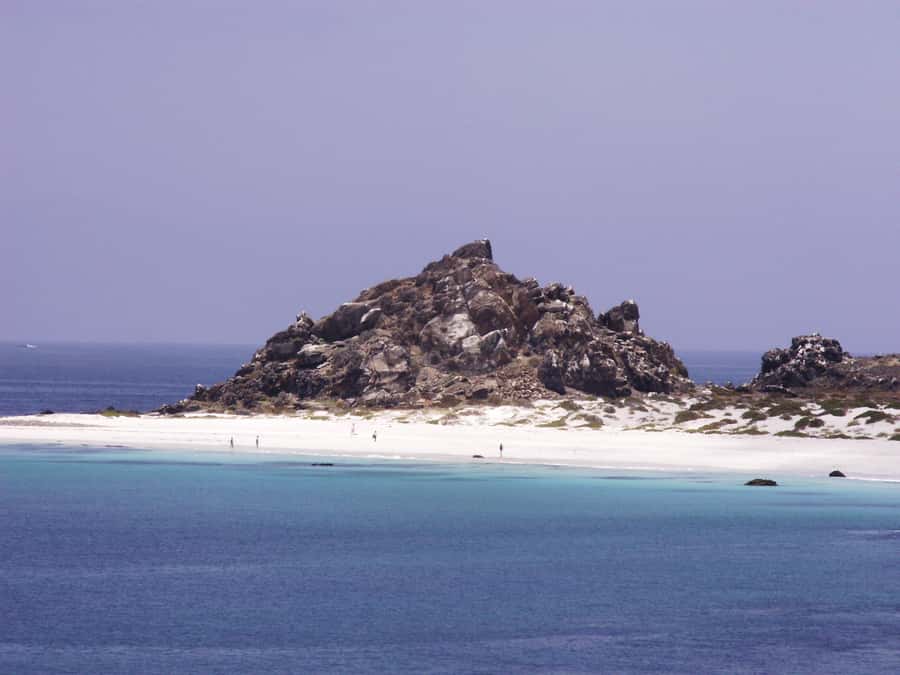
The visit to Isla Damas lasts about an hour and includes a beach stop, walking, hiking, photographs, and wildlife viewing. This gives the day a welcome change of pace after the boat ride.
The island is known for attractive beaches, cactus, coastal plants, and striking rock forms. The descriptions of stone gods and mythological shapes may sound grand, but the main point is simple: the rocks and island forms make this more than a plain beach landing.
You have free time here, but the schedule is not generous. Use it for the beach, photographs, and a short walk rather than expecting a long island trek. If you prefer slow hiking, this portion may feel hurried.
Damas also gives you the best chance to experience the islands beyond the boat. From the water, you focus on animals and cliffs. On land, you notice the dry plants, cactus, sand, and the meeting of desert and ocean.
Lunch in Los Choros and the day’s timing
After the island visits, the group returns to Los Choros for a break and lunch. The meal includes choices for a starter, main course, and dessert, along with a glass of wine, water, or a soft drink. Beer and wine are also listed as options during the break.
The food is a useful inclusion in a remote coastal area, especially after an early start and several hours outdoors. Seafood and local drinks are part of the appeal, though you should keep your expectations practical rather than treating lunch as a separate culinary tour.
Timing is the main concern here. The scheduled lunch break is 70 minutes, but the available time can feel shorter when a group is waiting for food and must leave for La Serena. One recorded experience found that the last person received lunch only about 10 minutes before departure.
I would eat promptly and avoid assuming that every minute of the stated break will be free time. If lunch is important to you, tell the guide quickly about any menu choice or dietary need. The included meal adds value, but it also fixes the rhythm of the return journey.
Is $280 a fair price?
At $280 per person, this is not a cheap half-day boat trip. The price covers pickup and drop-off in La Serena, air-conditioned transport, a bilingual English and Spanish guide, the marine reserve entrance fee, boat navigation, and a multi-course lunch with a drink.
The value depends on how you use the day. If you are already in La Serena and would otherwise need to arrange transport to Punta de Choros, book a boat independently, pay the protected-area fee, and organize lunch, the package is easier to justify. You also gain the historical and environmental explanation along the road.
The price is harder to justify if your only goal is a short whale-watching ride. The long drive is part of the experience, but it also takes up much of the 10 hours. One particularly critical assessment judged that the boat time was about three hours in total and that the whole outing could have been completed in five hours. That is a fair warning for anyone who dislikes slow transfers and scheduled stops.
I see the strongest value for visitors who want one organized day combining northern Chilean geography, coastal culture, island scenery, and marine wildlife. You are paying for transport and interpretation as much as for the boat.
Conditions, clothing, and realistic wildlife hopes
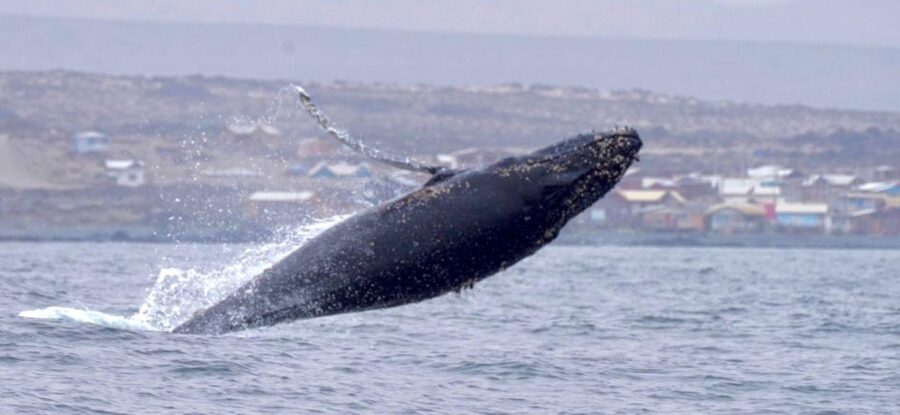
The tour only runs when conditions are suitable. Two days before departure, the operator checks the weather and informs passengers about the forecast. Wind, sea tides, and waves can affect the navigation.
This means you should keep your schedule flexible if seeing the islands is the main purpose of your trip. A whale sighting is possible, not guaranteed. Even the penguins can vary in number, with one outing producing five Humboldt penguins and another producing just one penguin plus a few seals.
Bring:
- A warm layer for the boat
- Weather-appropriate outdoor clothing
- Comfortable clothes for walking and hiking
- Protection for changing coastal conditions
The tour is not suitable for people with mobility impairments, back problems, epilepsy, or a strong tendency toward seasickness. Those restrictions should guide your decision before booking, not after you arrive at the harbor.
Who should book this day from La Serena?
I would choose this tour if you want a guided introduction to the northern Chilean coast and prefer not to handle transport, tickets, boat arrangements, and lunch yourself. It suits people who enjoy scenic driving, local stories, short stops, wildlife watching, and a little walking.
It is also a good match for photographers and nature fans who understand that wild animals set the schedule. The best moments may be a whale surfacing, a sea otter near the rocks, or a line of penguins that appears for only a few seconds.
I would hesitate if you have only a short window in La Serena, dislike long road journeys, or need a relaxed lunch and generous island time. The day has many moving parts, and the schedule can feel tight.
The strongest part is the complete picture: desert coast, fishing communities, islands, cactus, seabirds, penguins, and marine mammals in one outing. The weakest part is the amount of time spent getting there and back. Go for the full northern Chile experience, not for a guaranteed whale encounter.
FAQ
Where does the tour start and finish?
Pickup and drop-off are provided at your accommodation in La Serena.
How long does the experience last?
The full activity lasts about 10 hours, including transportation, stops, the boat trip, the island visit, lunch, and the return to La Serena.
What languages are available?
The tour offers a live guide in English and Spanish.
Are whales guaranteed?
No. Whale sightings depend on weather, wind, tides, waves, and marine conditions. Dolphins and other wildlife are also possible rather than guaranteed.
What animals might I see?
Possible sightings include Humboldt penguins, sea lions, sea otters, seabirds, dolphins, and whales. Guanacos, foxes, llamas, wild donkeys, and birds of prey may also appear along the road.
What is included in the price?
The price includes accommodation pickup and drop-off, air-conditioned transport, a bilingual specialized guide, the marine reserve ticket, boat navigation, lunch with starter, main course, dessert options, and a drink.
What should I bring?
Bring warm clothing, weather-appropriate clothing, and outdoor clothing suitable for walking and changing conditions near the sea.
Just added around Chile
- Volcanic Refuges: Excursion to Underground Civilization★ 4.7 · 8 reviews
- Walking City Tour with Funicular, Cable Car and Tasting★ 4.3 · 6 reviews
- Viña del Mar and Valparaiso: guided day tour★ 4.2 · 8 reviews
- Ascent to Villarrica volcano 2,847masl, from Pucón★ 4.8 · 36 reviews
- Viña del Mar and Reñaca 4-Hour Pacific Coast Tour★ 4.7 · 14 reviews
- Viña del Mar: Guided city tour★ 4.9 · 10 reviews
- VIÑA DEL MAR AND VALPARAISO TOUR★ 4.8 · 20 reviews
- Valparaíso y Viña del Mar full day★ 4.6 · 3 reviews
Hiking & Trekking, compared.
Glacier Hike at El Morado Glacier, from Santiago
Read our review →
Trekking Mirador el volcano + Geometric hot springs
Read our review →
Browse the lists this tour appears in