
Reviewed · CHILEAN VOLCANO TOURS
Pucón: Ascent to Villarrica Volcano
Villarrica is not a gentle hill with a good view at the end. It is a 5 to 6 hour climb up an active volcano, with about 1,570 meters of elevation gain and a glacier near the summit. You may see lava inside the crater, and in the colder seasons you can slide down snowfields on the way back.
I like the careful equipment plan, which includes mountain boots, crampons, an ice axe, helmet, jacket, and trekking poles. I also like the guides’ pace and practical coaching, especially the instruction in crampon use and self-arrest. The main drawback is simple: this is a hard, weather-sensitive day, not a casual sightseeing trip.
In This Review
- Key points to know before you book
- Why climbing Villarrica is worth the effort
- Starting at Terra Volcano at 6:00 am
- The 30-minute ride to Villarrica National Park
- Six hours of steady uphill walking
- Crampons and ice axes near the glacier
- Reaching the 2,848-meter summit
- The descent and the famous snow slides
- Returning to Pucón with a small celebration
- What the $185 price really covers
- How to prepare for a better summit day
- Who should book this volcano ascent?
- Should you book the Villarrica climb?
- FAQ
- Where does the Villarrica Volcano climb begin?
- What time does the activity start?
- How long does the full activity last?
- How high is the Villarrica summit?
- Is the national park entrance included?
- What equipment is provided?
- Do I need to bring my own food and water?
- Can I see lava in the crater?
- Do you slide down the volcano?
- Is the climb available in all weather?
- What languages do the guides speak?
- Who should not join this activity?
Key points to know before you book
- The summit reaches 2,848 meters: Expect a long uphill day with serious elevation gain.
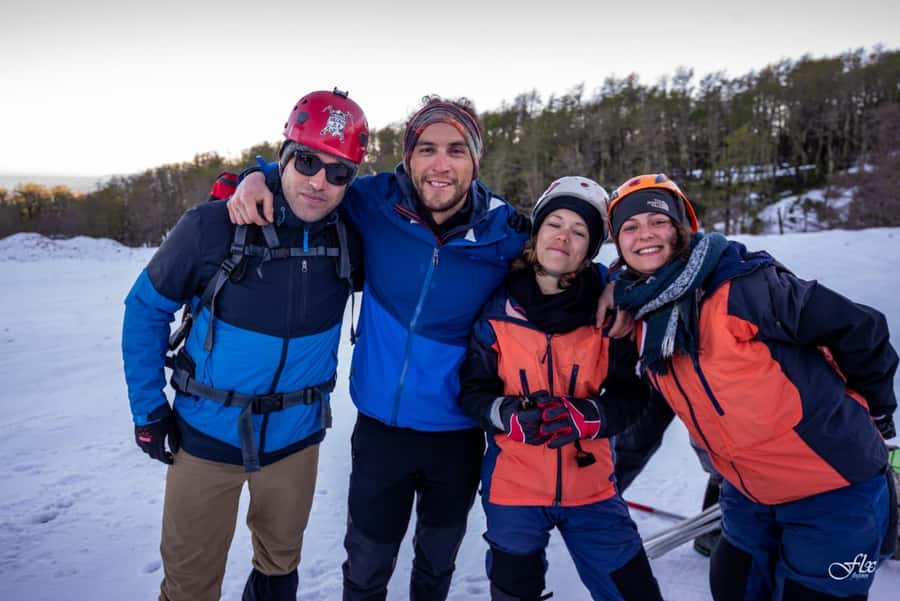
- Glacier gear is supplied: You receive crampons, an ice axe, mountain footwear, a helmet, and protective clothing.
- The descent can be the most fun part: In autumn, winter, and spring, you may slide down prepared snow chutes and snowy slopes.
- Early departure matters: You meet at 6:00 am, reach the park around 7:00 am, and start walking at about 7:30 am.
- The summit depends on conditions: The company checks the weather the day before and again on activity day.
- Food and water are your responsibility: Bring at least 2 liters of water, snacks, and a proper lunch for the long outing.
Why climbing Villarrica is worth the effort
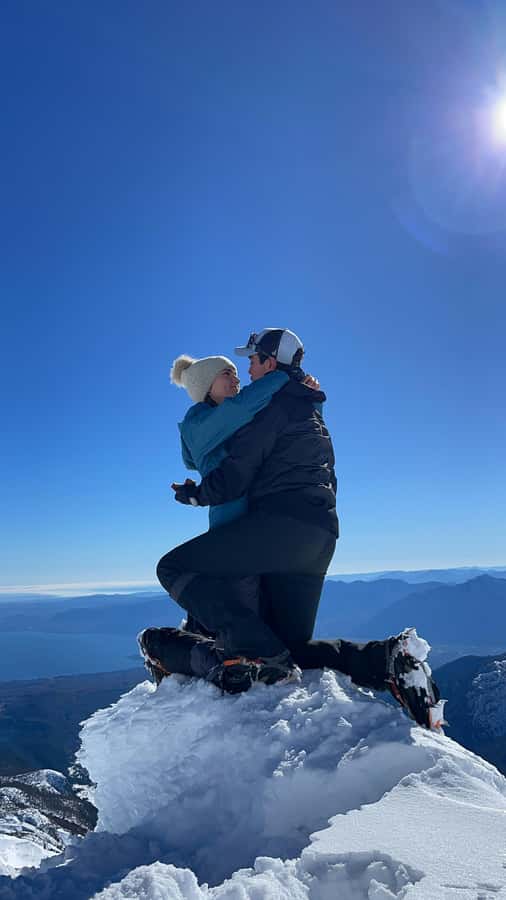
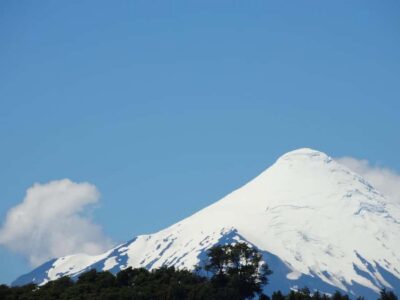
From Pucón, Villarrica Volcano is hard to ignore. It rises above the area in a broad, snowy cone, and this trip gives you a way to experience it from the inside of its crater rim rather than simply admire it from town.
The payoff is not only the summit. As you climb, you can look across Pucón, Villarrica, nearby lakes, and other volcanoes. The views change as you gain height, and the early start can bring clear morning light. One particularly strong account described an impressive sunrise and a summit reached before many groups using a lift option.
That said, you need to respect the physical demand. The climb gains roughly 1,570 meters, or about 5,150 feet, and the route continues uphill for five to six hours. A steady group pace helps, but no guide can remove the strain of altitude, cold, wind, or a long ascent.
This is best for an active adult who already enjoys long mountain walks and is comfortable with a demanding day. It is not suitable for children under 18, pregnant women, people with vertigo, people with respiratory problems, people prone to altitude sickness, or anyone recovering from recent surgery.
More chilean volcano tours in Chile:
- Pucón: Villarrica Volcano Climb
★ 4.8 · 191 reviews - From Puerto Varas: Osorno Volcano & Petrohue Falls Day Tour
★ 4.6 · 121 reviews - Villarrica Volcano Ascent – Zenit
★ 5.0 · 111 reviews
Starting at Terra Volcano at 6:00 am
Your day begins at the Terravolcano office at Avenida Bernardo O’Higgins 717, local 4, inside Bulevar Patagonia. You meet there at 6:00 am, receive your equipment, and prepare for the transfer to Villarrica National Park.
The equipment fitting is important. You are required to visit the office one day before the climb to test what you will use. This gives you time to check your boots, clothing, crampons, and pack before an early morning start.
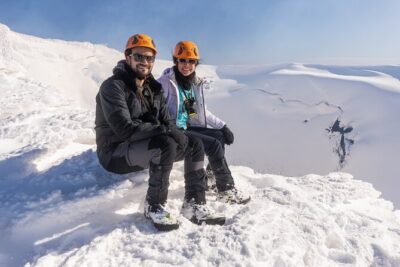
You receive a helmet, backpack, mountain footwear, crampons, ice axe, trouser covers, windproof jacket, trekking poles, and gloves. This is a strong package for the price because mountain gear can be costly and awkward to rent separately.
Still, supplied gear does not replace personal preparation. Bring warm clothing, hiking pants, long socks, a long-sleeved shirt, sunglasses, sunscreen, a sun hat, and a cold-weather hat. Pack layers that you can adjust as your body warms during the climb.
You also need your own food and drinks. Bring at least 2 liters of water, plus substantial snacks such as sandwiches, fruit, cookies, chocolate, or other compact food. A charged smartphone is useful for photos, but keep it protected from cold and wet conditions.
The 30-minute ride to Villarrica National Park
The drive from the office to the volcano takes about 30 minutes. This short transfer makes the morning easier because you do not need to arrange a separate car or worry about finding the trailhead.
At the park, the guide gives a safety briefing of about 10 minutes. Pay close attention here. The day may include crampon use, ice-axe handling, and instructions for stopping yourself on snow. The briefing sets the tone for the climb and gives you a chance to ask questions before the uphill work begins.
The activity includes the entrance fee to Villarrica National Park, transport, a certified guide, and activity insurance. Those inclusions make the $185 price easier to assess. You are paying not just for a walk, but for transport, permits, equipment, instruction, and professional supervision on a serious volcanic route.
The group size is not specified, so ask the operator before booking if that matters to you. One group of nine had people with different hiking abilities, and the guides allowed the party to spread naturally into two smaller paces. That kind of flexibility can make a demanding climb more manageable.
Six hours of steady uphill walking
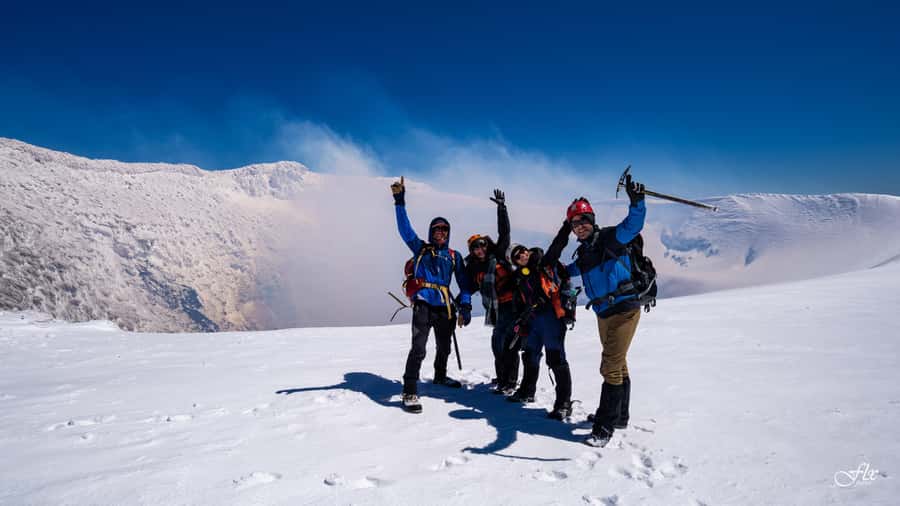
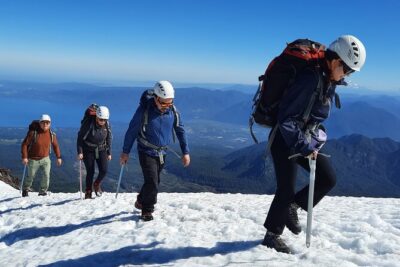
The hike begins at about 7:30 am. The stated pace is constant rather than rushed, which is sensible on a route with so much elevation gain. You need to find a rhythm early and protect your energy for the upper section.
The lower part of the route gives you broad views toward Pucón, Villarrica, lakes, and surrounding volcanoes. Bring your camera, but do not let it distract you from footing and breathing. The setting is one of the rewards of moving slowly.
As the ground becomes more alpine, the cold and wind can become more serious. Conditions vary, and the guide team checks the forecast the day before and again on the morning of the activity. The ascent can be changed or canceled if the weather does not allow a safe attempt.
That weather policy is not a minor detail. Wind can make the final section much tougher, and cloud can remove the summit view. A verified booking does not guarantee that you will reach the crater. It does mean the operator is making a decision based on the conditions available that day.
The guides named in the supplied information include Felipe, Cristian, and JR. Their role goes beyond leading from the front. They help fit crampons and ice axes, set a workable pace, and teach you how to use the equipment. For a climb of this type, that hands-on instruction is one of the most valuable parts of the day.
Same long country, a very different day out:
- Santiago: Cajon del Maipo/Embalse del Yeso Tour with Picnic
★ 4.3 · 3,789 reviews - Santiago: Vina Del Mar, Valparaiso, Casablanca & Reñaca Tour
★ 4.2 · 2,838 reviews - Small-Group Cajón del Maipo Full-Day Tour and Picnic
★ 4.5 · 2,277 reviews - Santiago: Cajon del Maipo & Embalse El Yeso Trip with Picnic
★ 4.5 · 1,859 reviews
Crampons and ice axes near the glacier
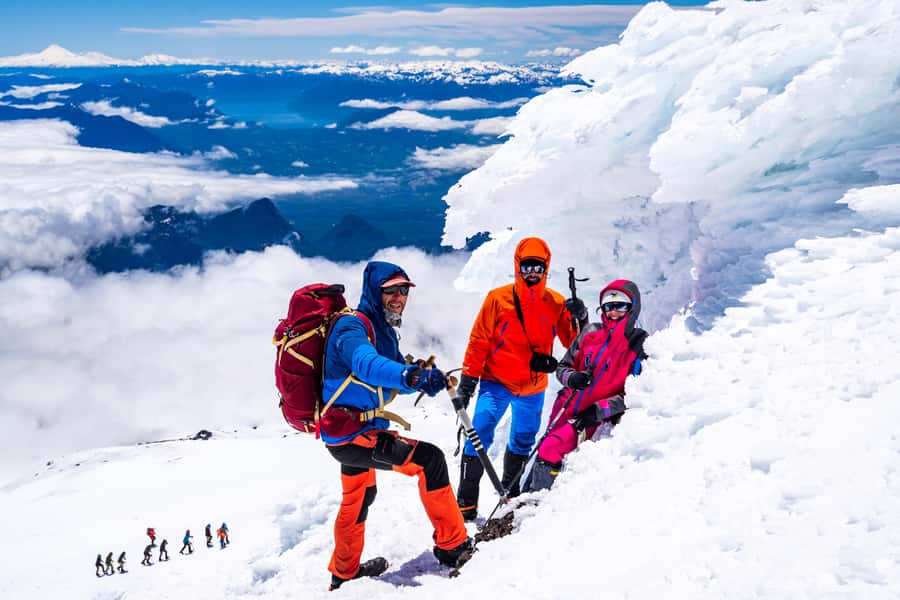
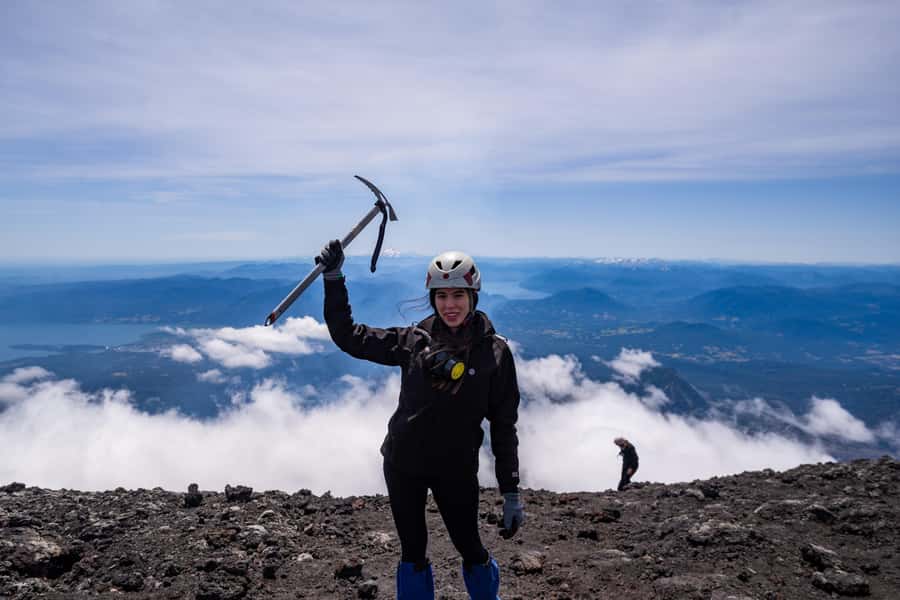
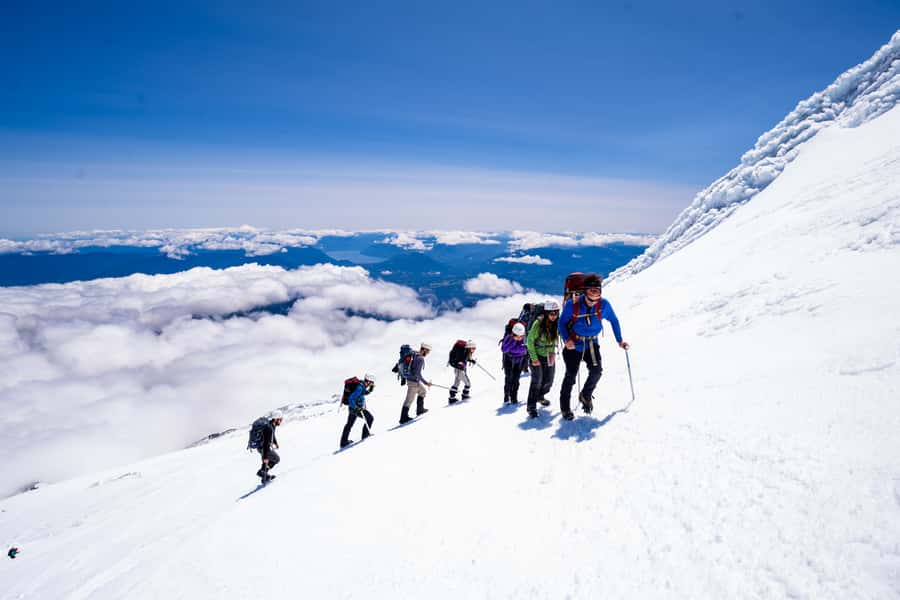
Near the upper mountain, you use crampons and ice axes. This is the point where the trip becomes more than a long hike. You need to walk with deliberate steps, follow instructions, and keep enough focus for changing snow and ice.
The equipment is included, but you still need to use it properly. The guides provide support and explain techniques such as self-arrest, the method used to stop a slide on snow. Do not treat the ice axe as a walking stick or the crampons as ordinary footwear. Use them as instructed.
For many people, this upper section will be the most memorable part of the outing. You are moving across volcanic terrain with a glacier near the summit, wearing real mountaineering equipment, and working toward an active crater. It feels like a genuine mountain day, not a short photo stop dressed up as an adventure.
It is also where fitness and confidence matter most. If you have vertigo or feel unwell at altitude, tell the guide at once. The tour specifically excludes people with altitude sickness and respiratory issues, and you should take those restrictions seriously.
Reaching the 2,848-meter summit
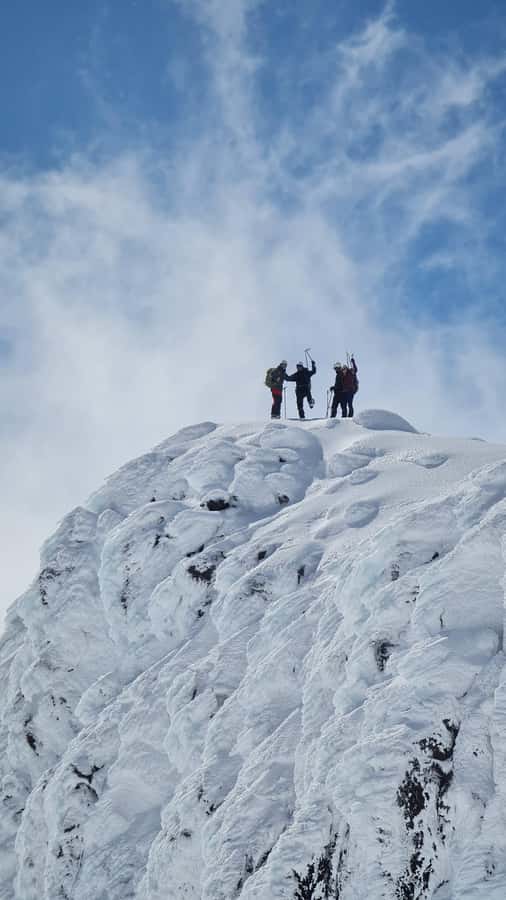
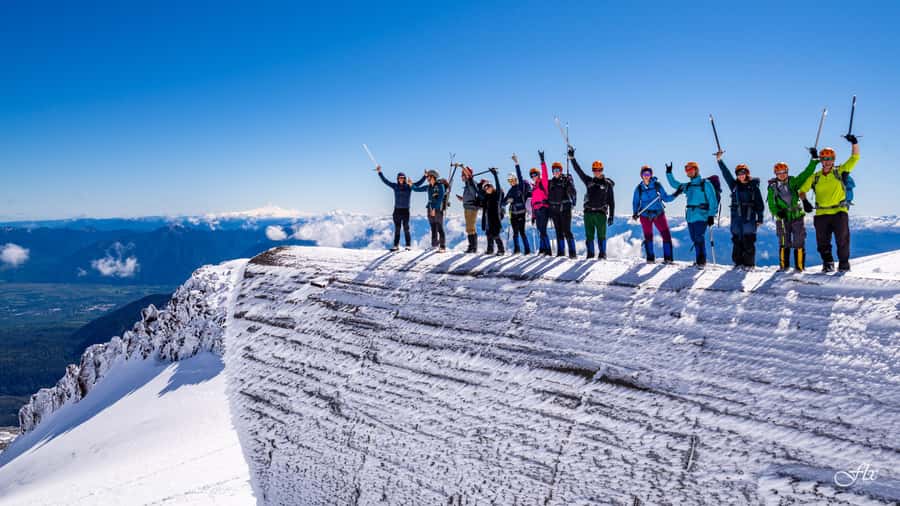
After roughly five to six hours of climbing, you may reach the summit at 2,848 meters. The summit stop lasts about 10 minutes in the stated schedule, although the exact time can change with weather, safety, and group conditions.
From the top, you can look into the crater and see its volcanic structure. If activity levels permit, lava may be visible inside. This possibility is a major reason to choose Villarrica over a standard mountain hike, but it should never be treated as guaranteed. Volcanic conditions change, and the guides control how close and how long you remain near the crater.
Take photos quickly and carefully. Wind, cold, and limited summit time can make it difficult to linger. Keep your phone charged, and store spare layers or batteries where they will not become soaked or frozen.
The summit view is also weather dependent. Clear conditions may reveal Pucón, Villarrica, lakes, and several volcanoes. Cloud or strong wind can reduce what you see. The physical achievement remains, but you should book this knowing that a perfect panorama is not promised.
The descent and the famous snow slides
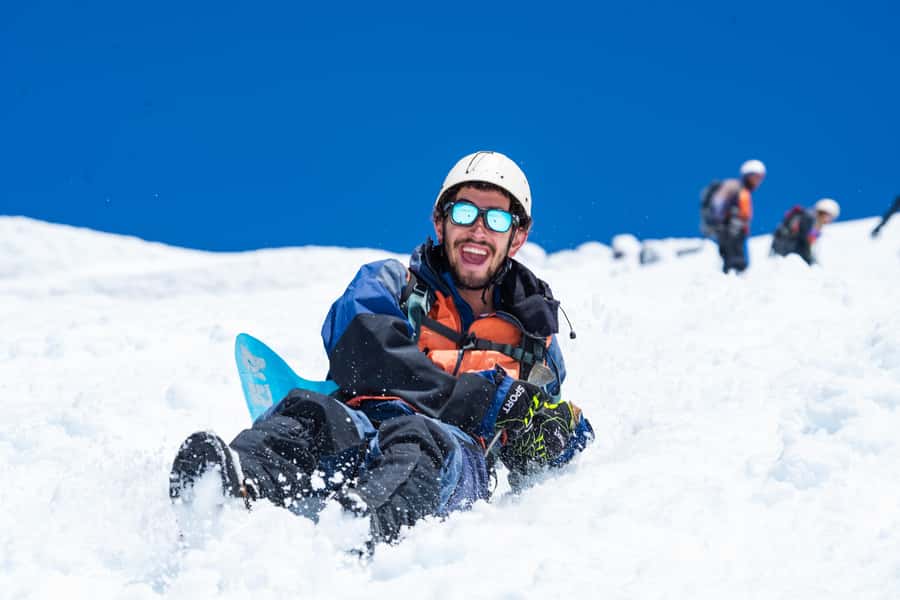
The descent is where this experience differs from many hard mountain walks. In autumn, winter, and spring, the return may include sliding down snow chutes and snowy slopes. The slide can turn a two to four hour descent into the day’s most playful section.
The supplied equipment and guide instruction matter here as much as they do on the ascent. Listen carefully and follow the route set by the guides. Snow conditions vary, and sliding is not simply a free-for-all down the mountain.
In summer, you descend on foot. That makes the season an important choice. Cooler months may offer the most unusual return, while summer may suit you if you prefer walking rather than sliding or want different conditions on the mountain.
The descent still takes between two and four hours, so do not assume the hard work ends at the crater. Legs can feel tired after the ascent, and you still need water, food, sun protection, and concentration. A snack saved for the way down can make a real difference.
Returning to Pucón with a small celebration
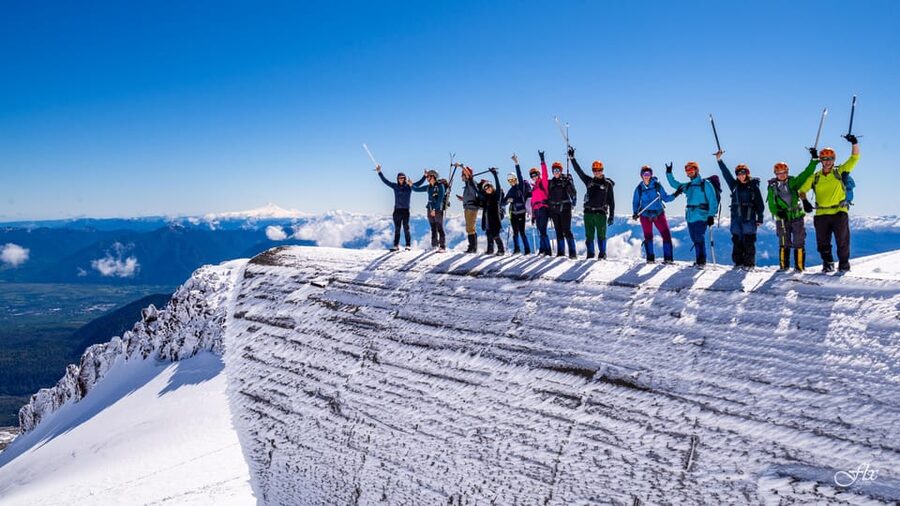
Once you reach the base, the van takes about 30 minutes to return to Terra Volcano. The full activity lasts 510 minutes, or eight and a half hours, though the exact finish depends on the group, weather, and time spent on the mountain.
The company ends the day with a simple celebration: cold beers in summer or hot chocolate in winter. One account also described pisco sours, beer, fruit, juice, and snacks waiting at the bottom. Treat any refreshments beyond the stated seasonal drink as something to confirm, not something to rely on.
That small finish has real value after a long climb. You return tired, possibly dusty or wet, and ready for something cold or warm. It gives the day a friendly close without pretending the climb was easy.
What the $185 price really covers
At $185 per person, this is not a budget walk. The value comes from the amount of practical support bundled into a single day.
You receive:
- Transport from Terra Volcano to the park and back
- Villarrica National Park entrance
- Certified guide service
- Activity insurance
- Helmet and backpack
- Mountain boots
- Crampons and ice axe
- Windproof jacket and trouser covers
- Gloves and trekking poles
Buying or renting this equipment on your own could quickly narrow the price difference. You also avoid arranging transport and park entry separately. The price makes the most sense if you want a guided summit attempt and do not already own suitable mountain gear.
The value is weaker if you are not prepared for a full day of hard climbing. You may pay for a summit attempt that weather or fitness prevents. That is not necessarily poor service, but it is why you should read the physical requirements honestly before reserving.
Free cancellation up to 24 hours before the activity and the reserve-now, pay-later option add flexibility. The important limit is that weather decisions happen close to the departure date, so ask how a canceled or shortened ascent is handled if conditions change.
How to prepare for a better summit day
I would prepare in four ways. First, bring more food than you think you need. The route is long, and snacks such as fruit, sandwiches, cookies, and chocolate are specifically recommended.
Second, take sun protection seriously. Snow and high-altitude conditions can expose your face and eyes to strong glare. Sunglasses, sunscreen, and a sun hat belong in your pack, even if the morning begins cold.
Third, wear layers. You need warmth at the start and near the glacier, but steady uphill walking can make you hot. A windproof jacket, warm clothing, hiking pants, gloves, and a cold-weather hat cover the basics.
Fourth, keep your expectations flexible. The forecast is checked twice, but mountain weather can still shape the day. You may get clear views and a look into the crater, or you may have a safe climb with limited visibility.
Who should book this volcano ascent?
Book it if you want a serious outdoor challenge, enjoy long uphill walks, and like the idea of using crampons and an ice axe under guide supervision. It suits adults who can manage a full day outside and who are comfortable with uncertain conditions.
The tour is especially appealing if the descent matters to you. Sliding down snow in the cooler seasons gives the return a memorable twist, and one account described it as the highlight of the entire day.
Think twice if you dislike steep climbs, cold weather, heights, or changing plans. This is not suitable for anyone under 18, people with vertigo, pregnant women, people with respiratory problems, people with altitude sickness, or people with recent surgeries.
The guide team is a strong part of the offer. Felipe, Cristian, and JR are specifically associated with the experience, and the guiding approach includes pace management, equipment help, and self-arrest instruction. Ask for their availability if you are able to request a guide by name.
Should you book the Villarrica climb?
You should book this if reaching a volcano crater matters more to you than comfort. The climb is hard, the weather can cancel the summit, and you must supply your own food, water, sunglasses, and sunscreen.
For an active adult who accepts those conditions, the $185 fee is reasonable because it includes the key gear, transport, park entry, insurance, and certified guiding. The crater views, possible sight of lava, broad views over Pucón and the lakes, and snow-slide descent give the day a strong sense of place.
Before paying, complete the equipment test the day before, ask about the expected conditions and group size, and plan for a long day at altitude. If you arrive prepared and understand the effort involved, this is one of Pucón’s more memorable outdoor challenges.
FAQ
Where does the Villarrica Volcano climb begin?
It begins at the Terravolcano Agency at Avenida Bernardo O’Higgins 717, local 4, in Bulevar Patagonia, Pucón.
What time does the activity start?
You meet at the Terra Volcano office at 6:00 am. The drive to the national park takes about 30 minutes, and the hike begins around 7:30 am.
How long does the full activity last?
The stated duration is 510 minutes, or eight and a half hours. The schedule includes transport, a safety briefing, about six hours of hiking, a photo stop, and the return drive.
How high is the Villarrica summit?
The summit reaches 2,848 meters above sea level.
Is the national park entrance included?
Yes. Entrance to Villarrica National Park is included in the activity price.
What equipment is provided?
You receive a helmet, backpack, mountain footwear, crampons, ice axe, trouser cover, windproof jacket, trekking poles, and gloves.
Do I need to bring my own food and water?
Yes. Bring food for the day and at least 2 liters of water. Suggested snacks include cookies, chocolate, fruit, sandwiches, and similar food.
Can I see lava in the crater?
You may be able to see lava inside the crater, depending on the volcano’s activity at the time of the climb.
Do you slide down the volcano?
In autumn, winter, and spring, the descent includes snow slides when conditions allow. In summer, the descent is on foot.
Is the climb available in all weather?
The ascent depends on the weather. Conditions are checked the day before and again at the time of the activity, so a summit attempt is not guaranteed.
What languages do the guides speak?
Guiding is available in English, French, and Portuguese.
Who should not join this activity?
The climb is not suitable for pregnant women, people with vertigo, children under 18, people with respiratory issues, people with altitude sickness, or people with recent surgeries.
Just added around Chile
- Volcanic Refuges: Excursion to Underground Civilization★ 4.7 · 8 reviews
- Walking City Tour with Funicular, Cable Car and Tasting★ 4.3 · 6 reviews
- Viña del Mar and Valparaiso: guided day tour★ 4.2 · 8 reviews
- Ascent to Villarrica volcano 2,847masl, from Pucón★ 4.8 · 36 reviews
- Viña del Mar and Reñaca 4-Hour Pacific Coast Tour★ 4.7 · 14 reviews
- VIÑA DEL MAR AND VALPARAISO TOUR★ 4.8 · 20 reviews
- Viña del Mar: Guided city tour★ 4.9 · 10 reviews
- Valparaíso y Viña del Mar full day★ 4.6 · 3 reviews
Chilean Volcano Tours, compared.
Full Day Mountaineering to Villarrica Volcano from Pucón
Read our review →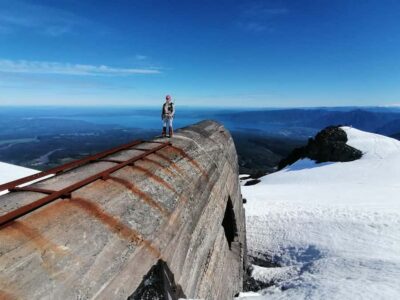
Ascent to Villarrica volcano 2,847masl, from Pucón
Read our review →
Browse the lists this tour appears in