
Reviewed · CHILEAN VOLCANO TOURS
Villarrica Volcano Ascent – Zenit
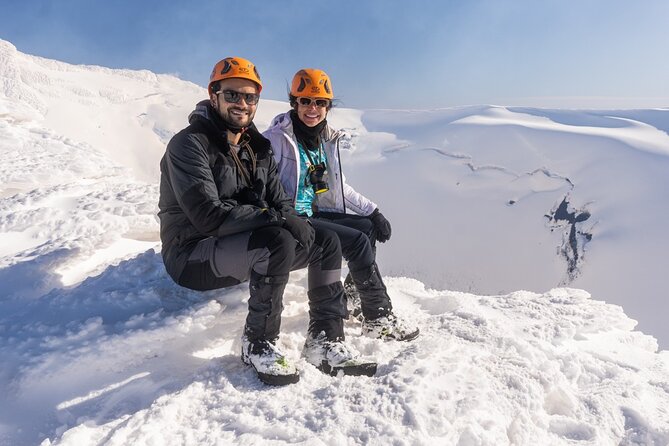
Villarrica is not a gentle sightseeing peak. At 2,847 meters, this is one of South America’s most active volcanoes, and the day takes you from ordinary hiking to crampon work, ice-ax travel, crater fumes, and snow sliding. I like the real mountaineering progression and the chance to see an active volcanic crater up close. I also like that Zenit keeps groups small, with no more than 12 people and several guides available.
The main catch is that this is a demanding, weather-dependent day. You need moderate fitness, an early 6:00 am start, and enough flexibility to accept a changed summit goal or a canceled outing. Poor visibility can erase the views, and current volcanic activity may prevent you from reaching the crater rim.
In This Review
- Key points to know before booking
- Why Villarrica makes such a strong day out
- The 6:00 am start in Pucón
- Climbing the first 1,700 meters
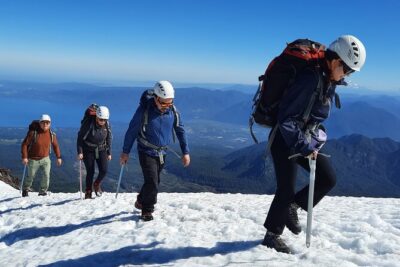
- Crampons, ice ax, and the feel of real mountain travel
- Reaching the summit and viewing an active crater
- The descent, lake views, and snow sliding
- What the $195 price includes
- Who should book this ascent
- Booking details worth knowing
- Should you book Zenit’s Villarrica ascent?
- FAQ
- Where does the Villarrica Volcano ascent begin?
- How long does the experience last?
- How much elevation do I climb?
- Is equipment provided?
- Can I see magma at the summit?
- What happens if bad weather cancels the tour?
Key points to know before booking
- A 1,700-meter climb: This is a serious uphill effort, not a casual volcano walk.
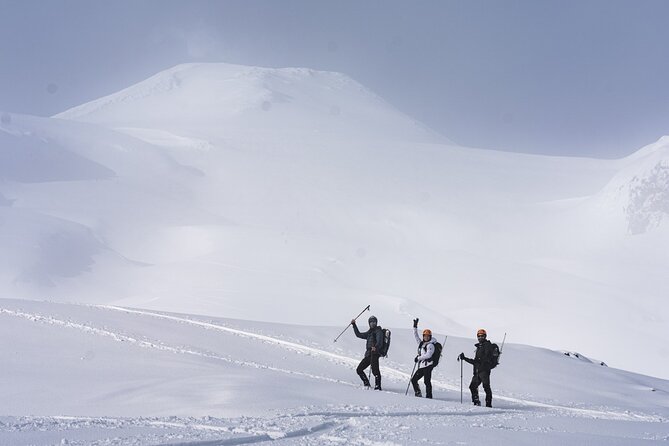
- Crampons and an ice ax included: You move from walking with poles to more technical snow and ice travel.
- Active crater experience: Fumaroles are visible at the summit, and glowing magma may be seen if conditions allow.
- Snow-toboggan descent: Parts of the way down are completed by sliding on snow, locally described as skibunda.
- Weather controls the day: Poor conditions can limit views, the summit, or the entire ascent.
- Three hours are transfers: The advertised nine hours includes transport to and from the mountain.
Why Villarrica makes such a strong day out
The appeal here is simple: you are not just looking at a volcano from Pucón. You are climbing one. Villarrica rises to 2,847 meters and remains active, so the summit has a sense of purpose that an ordinary mountain hike lacks.
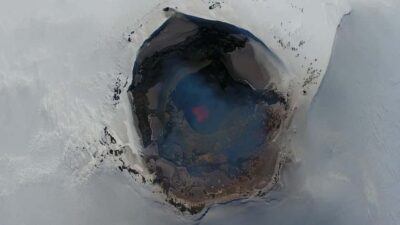
At the top, you may see fumaroles escaping from the crater. If the weather and volcanic conditions allow, you might even glimpse incandescent magma inside. That possibility is never a promise, but it gives the ascent an unusual reward. Few mountain days end with you looking into an active volcanic system.
I also like the way the route changes character as you gain height. The lower section involves walking with poles, while higher and more exposed sections require crampons and an ice ax. That shift gives you a taste of mountaineering without requiring you to arrange a technical expedition on your own.
The guides are central to the experience. The named guide team includes Luisa, Felipe, Agustin, Leo, Edgar, and Jorge. Their role is not just to lead the line. They help with equipment, set the pace, offer encouragement during tiring sections, and support you when the snow and exposure become more serious.
More chilean volcano tours in Chile:
- Pucón: Villarrica Volcano Climb
★ 4.8 · 191 reviews - From Puerto Varas: Osorno Volcano & Petrohue Falls Day Tour
★ 4.6 · 121 reviews - Puerto Montt: Osorno Volcano and Petrohué Falls Guided Tour
★ 4.5 · 104 reviews
The 6:00 am start in Pucón
The day begins at Pedro de Valdivia 205 in Pucón at 6:00 am. The tour ends back at this same meeting point, and the nine-hour schedule includes about three hours of transfers.
That timing matters. You are giving most of a day to the mountain, but not all of it to climbing. The transport portion lets Zenit handle the approach, while you can focus on the physical work once you reach the volcano.
A pre-climb meeting at the Zenit agency is also part of the practical setup. This is where you can learn more about the day and try on the trekking boots. That fitting session is useful, since poor footwear can turn a hard climb into a miserable one. It also gives you a chance to understand the equipment before you are standing on snow in the early morning.
The group limit is 12 people. That is small enough to avoid the feel of a mass outing, though the exact guide-to-climber ratio can vary. One outing had four guides for a small group, which allowed plenty of direct support during the climb.
Climbing the first 1,700 meters
The main physical challenge is the 1,700-meter elevation gain. That number tells you more than the nine-hour duration. You will spend a long part of the day walking uphill, and the thin air near the top adds to the effort.
The lower climb begins in a more familiar hiking style, using poles and steady footwork. As the route gets higher and more exposed, the equipment changes. Crampons help your boots grip snow and ice, while the ice ax provides balance and support on steeper ground.
You should expect the pace to be controlled by the group and the mountain conditions. Stops are important, not wasted time. They let you recover, drink, adjust clothing, and keep moving with enough energy for the upper sections. The guides’ encouragement becomes especially useful here. The strongest part of the experience is not simply reaching a high point, but learning how to keep going when the climb begins to feel long.
You need a moderate level of physical fitness. That wording should be taken seriously. You do not need to be an elite mountaineer based on the information provided, but you should be comfortable with a sustained uphill day and changing snow conditions.
A snow lift may be available for the first stretch. This can reduce the amount of initial climbing, but it is only a possibility, not something to count on. The 1,700-meter figure remains the useful benchmark when deciding if the outing suits you.
Crampons, ice ax, and the feel of real mountain travel
The equipment gives this ascent its character. Trekking boots are provided for the outing, and the route can include crampons and an ice ax in more exposed areas.
That does not make the day a full technical climbing course. It does mean you need to pay attention to the guides and follow instructions carefully. Your footing changes once crampons are involved, and an ice ax is useful only when you handle it as directed.
I like that the route introduces these tools as part of a complete mountain day. You get a practical taste of snow travel, rather than simply walking a marked path to a viewpoint. The guides’ patience matters here. A first experience with crampons can feel awkward, especially when you are already tired.
The activity is best for someone who wants a challenge and accepts that the mountain sets the terms. If you want a guaranteed crater view, a relaxed pace, or an easy nature outing, this is the wrong choice.
Same long country, a very different day out:
- Santiago: Cajon del Maipo/Embalse del Yeso Tour with Picnic
★ 4.3 · 3,789 reviews - Santiago: Vina Del Mar, Valparaiso, Casablanca & Reñaca Tour
★ 4.2 · 2,838 reviews - Small-Group Cajón del Maipo Full-Day Tour and Picnic
★ 4.5 · 2,277 reviews - Santiago: Cajon del Maipo & Embalse El Yeso Trip with Picnic
★ 4.5 · 1,859 reviews
Reaching the summit and viewing an active crater
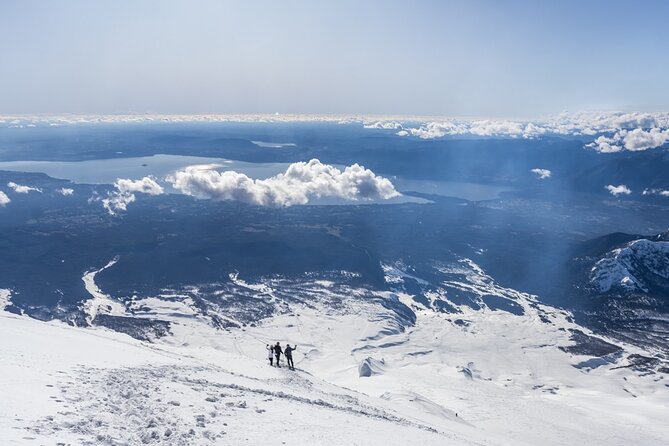
The summit is the day’s main prize. From the upper section, you can look across the lakes around Pucón and see the geography that makes this part of Chile so distinctive.
The crater itself is the more unusual sight. Fumaroles show that Villarrica is still active, and under suitable conditions you might see incandescent magma inside. Conditions at the volcano can change, though, and access near the crater may be restricted.
This point is important when setting expectations. One ascent reached the summit but could not go to the crater edge because intense volcanic activity had made that area off-limits. The outing still included the climb, the volcanic atmosphere, and the descent, but the final viewpoint was different from what some people may picture.
You should think of the crater access as conditional. The safe and permitted summit point can change with volcanic activity. Zenit’s guides make that call, not the schedule printed for the day.
Weather can be just as decisive. On one very poor-weather ascent, visibility was reduced to roughly 10 meters. Reaching the top under those conditions was possible, but the broad views disappeared. Frost on eyewear and difficult visibility also made the descent much harder.
That is why a few spare days in Pucón can improve your odds. If your schedule gives you at least four days and lets you move other plans around, you have a better chance of choosing a clearer morning. The tour can be canceled for poor weather, in which case you are offered another date or a full refund.
The descent, lake views, and snow sliding
Going down is not simply the reverse of the climb. Once you leave the summit, the panoramic views of the surrounding lakes and volcanic terrain can make the descent feel more relaxed, provided the weather cooperates.
The unusual feature is the snow-toboggan descent. You may slide down sections of snow on a board, a local-style activity described as skibunda. It adds a playful finish to a day that otherwise demands concentration and stamina.
This is one of the experience’s best contrasts. The ascent asks you to move carefully with poles, crampons, and an ice ax. The descent can include fast, fun snow slides. You still need to follow the guides’ instructions, but the mood changes from focused uphill work to something closer to mountain-sized sledding.
Bad weather can reverse that experience. In heavy frost or near-whiteout conditions, the descent may feel stressful rather than fun. If you have poor eyesight, glasses, or goggles that frost easily, prepare for visibility to be an issue. The mountain does not become easier just because you are going downhill.
What the $195 price includes
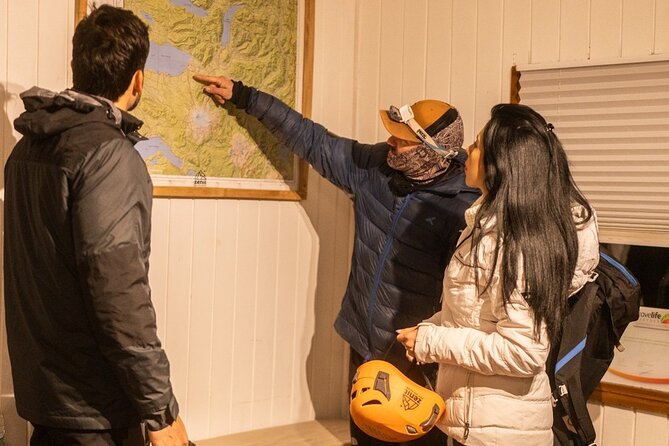
At $195 per person, this is not a cheap half-day activity. It is also not priced like a simple transport-and-viewpoint excursion. The cost includes admission, the transfer time, provided trekking boots, specialist equipment, and guide support for a small group.
The value depends on what you would otherwise need to arrange. A self-planned ascent would require transport, equipment, route knowledge, volcanic access information, and experience with snow travel. Zenit puts those pieces into one guided day.
The guides are the most important part of that value. On a climb of this length, encouragement and judgment can matter as much as the equipment. When you are tired, a guide who knows when to pause, how to help with footing, and how to keep the group moving safely is worth paying for.
Still, the price does not buy good weather or a view into the crater. It also does not guarantee that the crater edge will be open. Think of your payment as covering a guided attempt at a major volcano, not a guaranteed summit photograph.
The strong satisfaction rate and 5.0 rating from 111 reviews point to a very dependable experience for people who get the right conditions and arrive prepared. I would still read those numbers with the mountain in mind. A clear day and a stormy day can produce two very different memories, even with the same guides and planning.
Who should book this ascent
I would recommend Villarrica to you if you enjoy strenuous outdoor days, want a genuine mountaineering experience, and are willing to accept changing conditions. It suits active visitors based in Pucón who can reserve most of a day and who see the climb itself as part of the reward.
It is also a good fit if you like structured adventure. You do not need to organize every technical detail yourself, yet you still get the feel of a serious ascent. The small group size and hands-on guide support make the experience less intimidating than trying to arrange the mountain independently.
I would hesitate to recommend it if you have limited mobility, dislike steep sustained exercise, or have only one fixed morning in Pucón. The tour requires moderate fitness, starts early, and can be affected by weather or volcanic restrictions.
Your schedule deserves special attention. If you can leave four days open for the volcano and shift other activities, do it. That flexibility is one of the best practical advantages you can give yourself.
Booking details worth knowing
Confirmation is provided at booking, and the meeting point is near public transportation. The activity returns to Pedro de Valdivia 205 after the climb and transfers.
You can cancel for a full refund up to 24 hours before the 6:00 am start. Changes or cancellations inside that 24-hour window are not accepted for a refund. If Zenit cancels because of poor weather, you receive the choice of another date or a full refund.
Because the tour averages 36 days of advance booking, I would not leave it until the last minute if your Pucón dates are fixed. At the same time, avoid placing it on the final morning of your Chile trip. A weather delay is easier to handle when you have room in your schedule.
Should you book Zenit’s Villarrica ascent?
Book it if you want more than a volcano viewpoint. You will climb 1,700 meters, use real snow equipment, work with experienced guides, look for fumaroles and possible magma, then slide down parts of the mountain on snow. That is a memorable combination.
Choose it with realistic expectations. The crater edge may be closed, clouds may hide the lakes, and poor visibility can make the descent difficult. Give yourself several days in Pucón, prepare for a long uphill effort, and treat the summit as a goal rather than a promise.
For an active visitor who values expert support and an authentic mountain challenge, the $195 price is reasonable. For anyone seeking a guaranteed view or an easy outing, save your money and choose a lower-effort experience.
FAQ
Where does the Villarrica Volcano ascent begin?
The activity begins at Pedro de Valdivia 205, 4920552 Pucón, in the Araucanía region of Chile. It starts at 6:00 am and finishes back at the same meeting point.
How long does the experience last?
The full experience lasts about nine hours. Around three hours of that time are used for transfers to and from the volcano.
How much elevation do I climb?
The ascent involves approximately 1,700 meters of elevation gain. A snow lift may be available for the first section, but that option is not guaranteed.
Is equipment provided?
Yes. Zenit provides the trekking boots and the equipment needed for the ascent, including crampons and an ice ax for more exposed sections.
Can I see magma at the summit?
You may be able to see incandescent magma inside the crater if the weather and conditions allow. Fumaroles can also be observed, but access near the crater edge may be restricted because of volcanic activity.
What happens if bad weather cancels the tour?
If poor weather causes Zenit to cancel the activity, you can choose another date or receive a full refund. You can also cancel yourself for a full refund if you do so at least 24 hours before the start time.
Just added around Chile
- Volcanic Refuges: Excursion to Underground Civilization★ 4.7 · 8 reviews
- Walking City Tour with Funicular, Cable Car and Tasting★ 4.3 · 6 reviews
- Viña del Mar and Valparaiso: guided day tour★ 4.2 · 8 reviews
- Ascent to Villarrica volcano 2,847masl, from Pucón★ 4.8 · 36 reviews
- Viña del Mar and Reñaca 4-Hour Pacific Coast Tour★ 4.7 · 14 reviews
- VIÑA DEL MAR AND VALPARAISO TOUR★ 4.8 · 20 reviews
- Viña del Mar: Guided city tour★ 4.9 · 10 reviews
- Valparaíso y Viña del Mar full day★ 4.6 · 3 reviews
Chilean Volcano Tours, compared.
Full Day Mountaineering to Villarrica Volcano from Pucón
Read our review →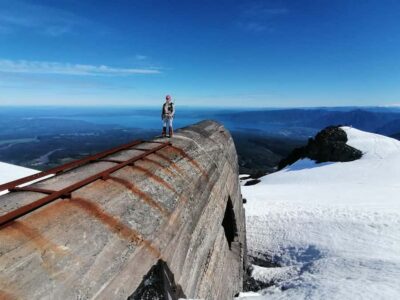
Ascent to Villarrica volcano 2,847masl, from Pucón
Read our review →
Browse the lists this tour appears in