
Reviewed · CHILEAN VOLCANO TOURS
Pucón: Villarrica Volcano Climb
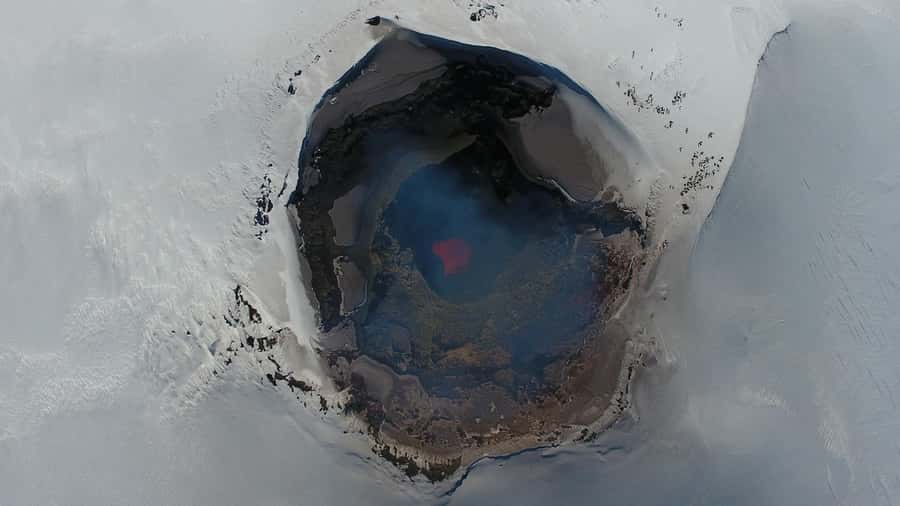
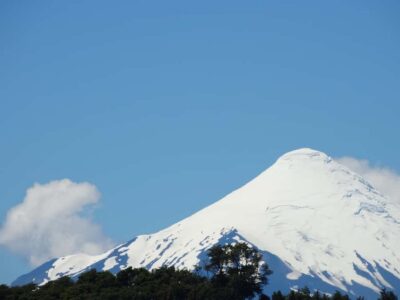
Villarrica is the kind of mountain that keeps you looking up from Pucón. Its broad, snow-covered cone rises above the forests and lakes of southern Chile, yet this is no gentle viewpoint walk. You climb an active volcano in the Pacific Ring of Fire, reach 2,847 meters, and, if conditions allow, look into the crater at fumaroles and perhaps glowing lava.
I like two things right away: the guide ratio of one certified guide for every three participants and the fact that the company supplies the major mountain gear. Guides such as Osiel, Nacho, Chacha, Raul, Felipe, Sebastian, and Luisa have earned especially warm praise for clear instructions, patience, safety, and humor. I also like the descent, which combines walking with controlled snow sliding. It is a practical way to save your knees and a very fun way to finish.
The catch is simple: this is a hard, steep day, not a relaxed nature outing. The climb has few flat sections, and five to six hours uphill can feel longer than expected. Weather, wind, and volcanic activity can stop the ascent before the crater, so you need to accept that risk before paying $190.
In This Review
- Key points to know before climbing Villarrica
- Why Villarrica is such a memorable climb
- The day before: fitting boots and learning the plan
- 6:15 am at Pedro de Valdivia 205
- From 1,200 meters to the snow line
- Crampons, ice axes, and the upper slopes
- Reaching the 2,847-meter crater
- The snow slide descent
- Guide quality and group size
- Is $190 good value?
- Who should book this climb?
- Final verdict: a serious climb with a playful finish
- FAQ
- How long does the Villarrica Volcano climb take?
- Where do I meet the group?
- Is transport included?
- Do I need previous climbing experience?
- What equipment does Zenit Travel provide?
- What should I bring?
- Is the ski lift included?
- Can weather stop the summit attempt?
- Can I cancel the activity?
Key points to know before climbing Villarrica
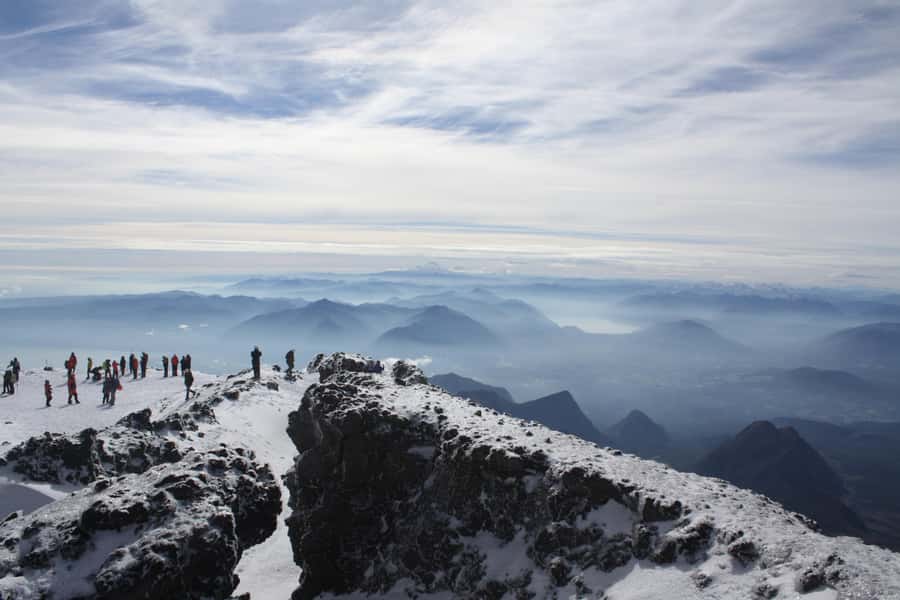
- The summit reaches 2,847 meters, with views across nearby volcanoes, lagoons, forests, and the crater itself.
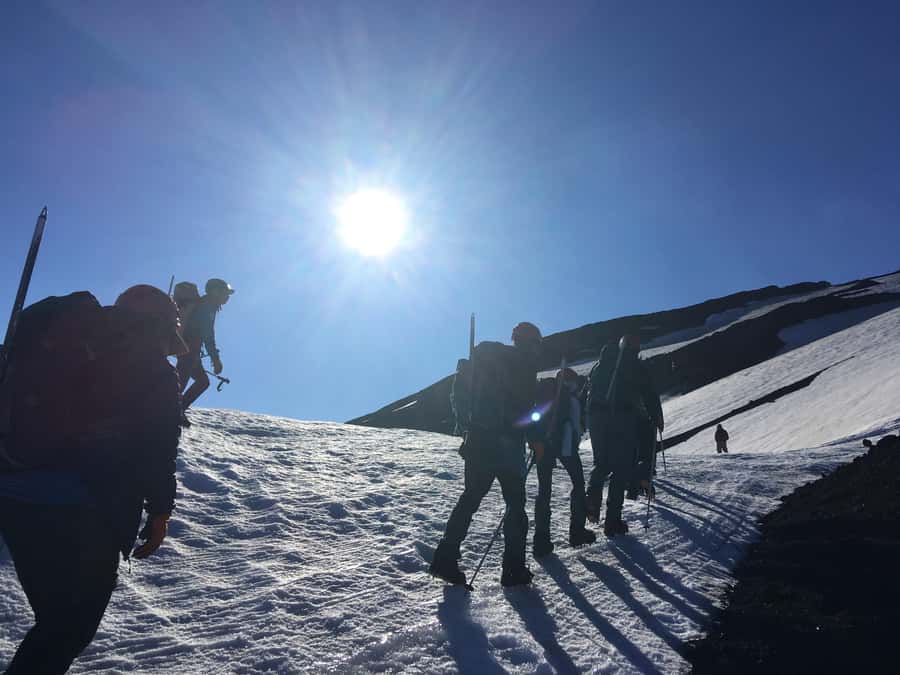
- The climb begins at 1,200 meters, then changes from a standard hike to snow and glacier travel requiring crampons and an ice axe.
- The descent is part of the fun, with controlled sliding down snowy slopes when conditions permit.
- The guides split groups by pace when possible, using several guides and radios to keep faster and slower climbers supported.
- Weather and seismic activity control the day, and a summit is never guaranteed on an active volcano.
- A previous mountaineering background is not required, but you need a reasonable level of fitness and must be at least 18.
Why Villarrica is such a memorable climb
Villarrica gives you a rare combination: a serious mountain day, an active volcanic crater, and a playful snow descent. You are not simply walking to a scenic ridge. You are moving through several types of ground and weather on one long route.
At the summit, the main reward is the view into the crater and its exposed geological form. Fumaroles may rise from the crater, and the volcano can sometimes show lava. That changes the mood of the climb. You are not looking at a dead, quiet peak, but at a mountain that remains geologically active.
The wider view matters too. From the upper slopes, you can see other volcanoes, lagoons, and broad stretches of forest. On a clear day, the reward is not just the crater but the full 360-degree setting around it.
The experience also includes conversation about Andean Indigenous peoples, their relationship with mountains, and the basics of volcanology. I value that context. A climb feels more meaningful when the mountain is treated as more than a backdrop for photographs.
More chilean volcano tours in Chile:
- From Puerto Varas: Osorno Volcano & Petrohue Falls Day Tour
★ 4.6 · 121 reviews - Villarrica Volcano Ascent – Zenit
★ 5.0 · 111 reviews - Puerto Montt: Osorno Volcano and Petrohué Falls Guided Tour
★ 4.5 · 104 reviews
The day before: fitting boots and learning the plan
You meet Zenit Travel at its Pucón office the day before the climb for an equipment check and a short briefing. This appointment is important, not a minor formality.
You will try on the supplied mountain boots and check the clothing and technical equipment. The package includes mountain boots, trousers, a jacket, gloves, gaiters, a backpack, poles, crampons, an ice axe, and a helmet. Some equipment may also include protection for volcanic gases, as one participant specifically noted receiving a gas mask for the crater rim.
Use this fitting to speak up about anything that feels wrong. A poor boot fit can cause blisters over a long ascent. Bring up ankle or foot concerns before the morning departure, when there is less time to make changes.
Ask clearly about the optional ski lift at the beginning of the route. The lift is not included, and you may need cash for its ticket. It only covers the lower approach, but that can preserve useful energy for the steeper upper part. One of the practical complaints about the organization was that this option and the cash requirement were not always explained early enough, so ask directly during the fitting.
The company has also contacted participants through WhatsApp with final instructions. Still, I would treat the equipment appointment as your chance to confirm the meeting time, lift details, clothing, and weather plan.
6:15 am at Pedro de Valdivia 205
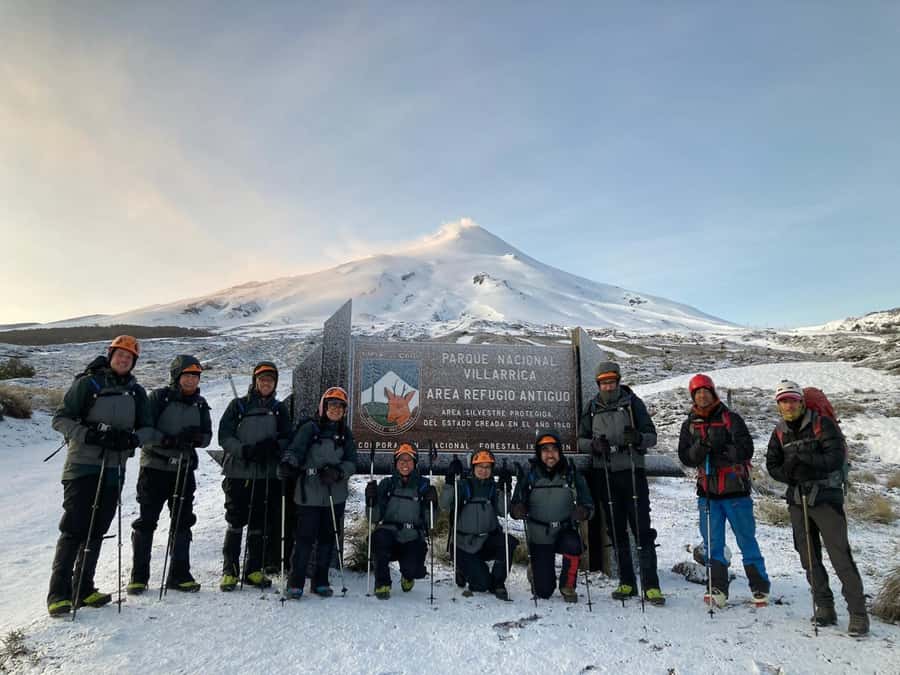
On the climb day, arrive at the Zenit Travel office at Pedro de Valdivia 205 at 6:15 am. The meeting point is under the arch marked Zenit Travel.
The activity information also refers to a 6:00 am office meeting, so confirm your exact departure time the day before. This is worth doing because an early start can reduce delays on a popular route. A large group can create what one participant called traffic on the ascent, with people waiting at narrow or slower sections.
The ride to Villarrica National Park takes about 30 minutes by van. Transport from the central office and back is included, but hotel pickup and drop-off are not. You need to reach the office yourself.
Bring your own food and drinks. There is no meal included, and you will need water and energy for a long day at altitude. Eat a carbohydrate-heavy meal, such as pasta, the night before, stay well hydrated, and avoid alcohol. Pack sunscreen, sunglasses, trekking clothing, and extra layers.
From 1,200 meters to the snow line
The hike begins at about 1,200 meters above sea level. The lower part is a traditional mountain walk, which gives you time to settle into the pace and learn how the group moves.
The guides aim for an easy rhythm at first. That is sensible. Starting too fast is one of the easiest ways to make a long ascent miserable. You will want to save energy for the upper snow slopes, where the incline becomes more demanding.
This is not a route with long, restful flat stretches. Several people found the steady uphill grade tougher than expected, even with reasonable fitness. Think of it as sustained effort rather than a series of short climbs separated by easy walks.
The group may divide according to pace. With one guide for every three participants, the team can give more individual attention than a basic large-group outing. Guides communicate by radio, which helps them keep track of separate pace groups. Stronger hikers may move ahead, while others can take more breaks without feeling abandoned.
That support does not make the climb easy. You still need endurance, balance, and the willingness to keep walking uphill for hours. Minimum physical condition is enough in principle, but I would not choose this as your first serious activity after a long period without exercise.
Same long country, a very different day out:
- Santiago: Cajon del Maipo/Embalse del Yeso Tour with Picnic
★ 4.3 · 3,789 reviews - Santiago: Vina Del Mar, Valparaiso, Casablanca & Reñaca Tour
★ 4.2 · 2,838 reviews - Small-Group Cajón del Maipo Full-Day Tour and Picnic
★ 4.5 · 2,277 reviews - Santiago: Cajon del Maipo & Embalse El Yeso Trip with Picnic
★ 4.5 · 1,859 reviews
Crampons, ice axes, and the upper slopes
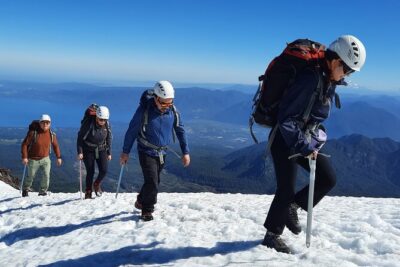
As you approach the glacier and permanent snow, the climb changes character. The guides explain how to use crampons and ice axes, then help you put them on correctly.
You do not need previous mountaineering experience. The technical instruction is part of the outing. Even so, snow travel requires attention. You will need to follow foot-placement and braking instructions, keep your balance, and adjust to a different pace than on ordinary trails.
The supplied gear is a major part of the price. Buying or renting boots, crampons, an ice axe, helmet, gaiters, waterproof layers, and other equipment separately would take time and money. The equipment also lets you attempt a high volcanic ascent without building a personal alpine kit.
Do not assume you will wear every item for the entire day. Conditions and guide instructions determine what is used and when. One participant found the supplied boots uncomfortable, so take fitting seriously and tell the staff immediately if a boot rubs or pinches.
The sun can be strong on snow, even in cool air. Sunglasses and sunscreen are not included, and you should bring both. A buff is also a useful addition, especially in wind, cold, or volcanic gases.
Reaching the 2,847-meter crater
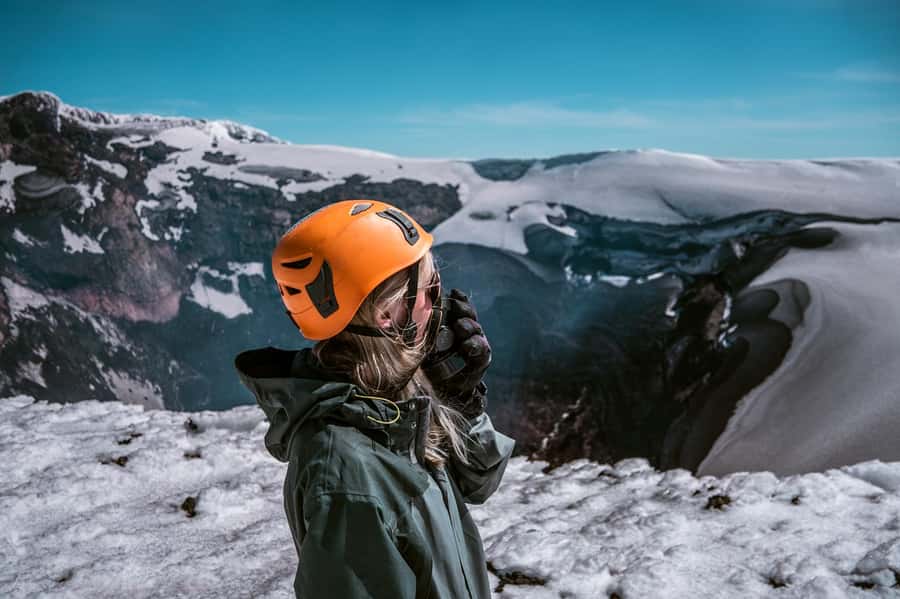
The uphill section usually takes five to six hours. At 2,847 meters, you get about half an hour at the summit before beginning the descent.
That half hour is enough to look into the crater, take photographs, and absorb the view, but it is not a long picnic stop. The guides need to manage exposure, weather, volcanic conditions, and the timing of the return.
The crater is the emotional high point of the day. You may see fumaroles, and there is a chance of seeing lava. Conditions vary, and visibility can be poor. On some days, wind, volcanic activity, or official safety limits prevent a full summit attempt.
This uncertainty needs to be part of your decision. A strong safety culture means the guides may stop below the crater or suggest another day when conditions are unsafe. Participants have still described shortened climbs as worthwhile, but you should not book this only for a guaranteed lava view.
Seismic activity is monitored daily, and the program depends on the volcano’s status and the weather. Strong Puelche winds can arrive suddenly and make the upper mountain unsafe. If the summit is closed or the wind becomes extreme, the company may offer alternatives or reschedule options, depending on the circumstances.
The snow slide descent
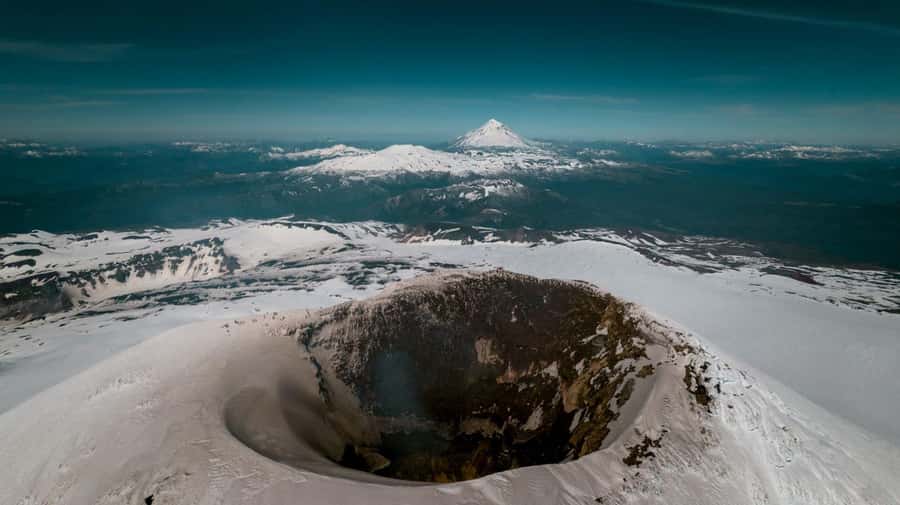
The way down can take about half the time of the climb. You combine ordinary walking with controlled sliding on snow, often using the supplied equipment and the techniques explained by the guides.
This is not a careless tumble. You need to follow instructions and control your speed. When snow conditions are suitable, the slide sections can be the most enjoyable part of the outing. Several participants described them as fast, funny, and a welcome break for tired legs.
The descent can also be easier on your knees than walking every step downhill. If you have knee concerns, the snow sliding may be a positive feature, but you still need enough control and mobility to manage the route safely.
Expect to get wet or cold during the slides. Pack layers and protect your hands. The weather can change quickly as you move between elevations, and you may heat up while climbing before cooling down during stops or the descent.
Once you return to the base, the van takes you back to the Pucón office. The full outing lasts about nine hours, including the two 30-minute drives.
Guide quality and group size
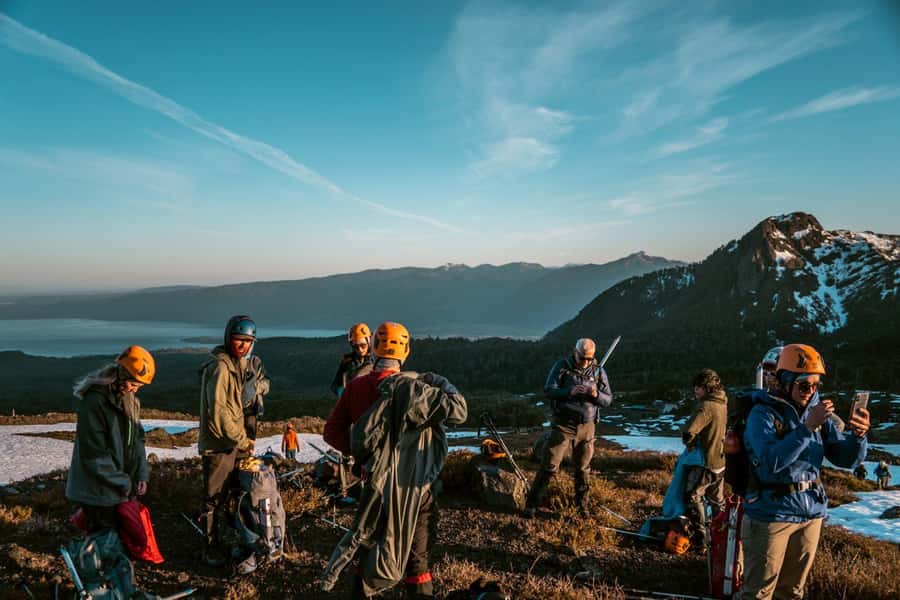
The guide team is one of the strongest reasons to choose this operation. Participants repeatedly praised the staff for clear English, attentive pacing, safety checks, and individual support.
Osiel received special praise for guiding, photography, and conversation. Nacho was singled out for adjusting the pace well, while Chacha, Raul, Felipe, Sebastian, and Luisa were also named as strong, caring guides. Names can change from day to day, so do not assume a particular person will lead your group, but the guide structure is reassuring.
The stated ratio is one guide per three participants. Actual groups can still be larger, with several small guide groups moving together. On busy days, you may encounter slower progress at crowded points. Ask if the team expects to divide the group by ability, and arrive early if you want the best chance of a smooth start.
The English guiding is suitable for English-speaking participants. Expect safety instructions, equipment explanations, and general discussion about the mountain and volcanoes.
Is $190 good value?
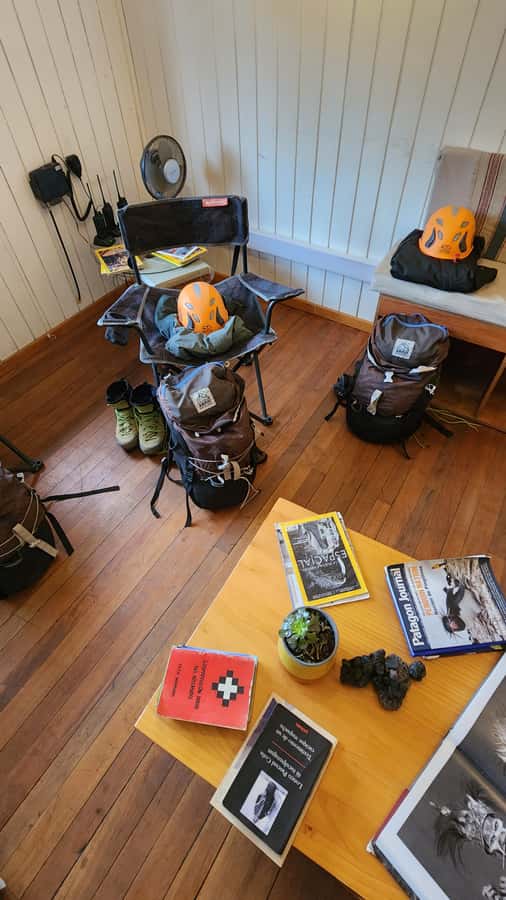
At $190 per person, this is not a cheap day out, but it includes the costly parts of a high mountain activity.
Included are return transport from the central office, the Villarrica National Park entrance fee, the full technical equipment package, and certified guiding. The one-to-three guide ratio adds real value, especially if you are new to crampons or worried about keeping up.
You still pay for your own food, drinks, sunscreen, sunglasses, trekking clothing, and any ski lift ticket. Those extras are easy to overlook when comparing prices. Ask about the lift before the climb and carry the required cash if you plan to use it.
For me, the price makes sense if you would otherwise need to rent winter mountain equipment and arrange transport separately. It is less appealing if you already own alpine gear and prefer an independent ascent, though the active volcano, changing conditions, and need for safety monitoring make professional support a sensible choice.
The free cancellation policy allows cancellation up to 24 hours before the activity for a full refund, and you can reserve now and pay later. Those terms help when weather and volcanic access are uncertain, but always check the current availability and conditions before committing.
Who should book this climb?
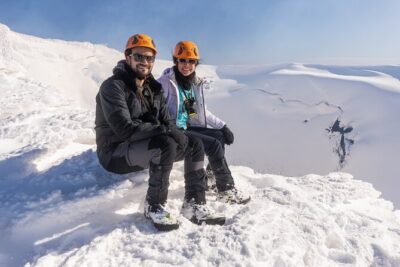
Book it if you want a demanding full-day adventure and like the idea of combining hiking, snow travel, volcanic geology, and a fast descent. You will get the most from it if you are active, comfortable with several hours of continuous uphill effort, and prepared for cold, wind, sun, and changing plans.
This is for adults aged 18 and over. It is not suitable for children under 18.
You do not need previous climbing experience, but do not confuse that with low difficulty. Athletic participants have still found the climb harder than expected. A basic fitness routine before your trip will help, especially uphill walking, stair work, and long outings on your feet.
If your main goal is a guaranteed summit, this may frustrate you. The volcano is active, and the summit can close because of wind, seismic readings, visibility, or other safety concerns. If your goal is a professionally managed mountain day, with the chance of reaching a crater and sliding down snow, the uncertainty is easier to accept.
Final verdict: a serious climb with a playful finish
I would book this Villarrica climb if I had a clear weather window and wanted one of the most memorable active outings around Pucón. The crater, possible volcanic gases or lava, wide views, and snow slide descent give the day a rare mix of drama and fun.
Go in with realistic expectations. Fit your boots carefully, ask about the lift, bring food and water, use sunscreen, carry layers, and prepare for the possibility of turning back. Zenit Travel’s small guide ratio and attentive team make the experience safer and more manageable, but they cannot make a steep five-hour ascent easy.
For fit adults who want a true mountain challenge, $190 is a fair price for the gear, transport, park access, and close guiding. For anyone seeking a relaxed excursion or a guaranteed summit, choose something gentler.
FAQ
How long does the Villarrica Volcano climb take?
The complete activity lasts about nine hours, including approximately 30 minutes of transport each way. The hike itself is scheduled for about 8.5 hours, with five to six hours generally needed to reach the summit and roughly half that time for the descent.
Where do I meet the group?
Meet at the Zenit Travel office at Pedro de Valdivia 205 in central Pucón. Look for Zenit Travel under the arch and arrive at 6:15 am on the activity day. Confirm the exact departure time during the equipment appointment because the activity information also refers to a 6:00 am meeting.
Is transport included?
Yes. Transport from the central Pucón office to Villarrica National Park and back is included. Hotel pickup and drop-off are not included.
Do I need previous climbing experience?
No previous climbing experience is required. The guides explain how to use crampons and ice axes, but you do need a minimum level of physical fitness for the sustained uphill climb.
What equipment does Zenit Travel provide?
The included equipment is mountain boots, poles, crampons, an ice axe, a helmet, backpack, trousers, jacket, gloves, and gaiters. Check the fit during the appointment the day before.
What should I bring?
Bring food and drinks, water, sunscreen, sunglasses, trekking clothes, and suitable layers. A buff can help with wind, cold, and volcanic gases. The supplied equipment does not replace your personal clothing and sun protection.
Is the ski lift included?
No. The ski resort towing ticket is not included. The lift covers part of the lower approach, and you should ask about the option and the required cash during the equipment check.
Can weather stop the summit attempt?
Yes. The program depends on the weather and the volcano’s daily seismic monitoring. Strong winds, poor visibility, volcanic activity, or other safety concerns can prevent a summit or shorten the climb.
Can I cancel the activity?
You can cancel up to 24 hours in advance for a full refund. The reserve now and pay later option lets you hold a place without paying immediately.
Just added around Chile
- Volcanic Refuges: Excursion to Underground Civilization★ 4.7 · 8 reviews
- Walking City Tour with Funicular, Cable Car and Tasting★ 4.3 · 6 reviews
- Viña del Mar and Valparaiso: guided day tour★ 4.2 · 8 reviews
- Ascent to Villarrica volcano 2,847masl, from Pucón★ 4.8 · 36 reviews
- Viña del Mar and Reñaca 4-Hour Pacific Coast Tour★ 4.7 · 14 reviews
- VIÑA DEL MAR AND VALPARAISO TOUR★ 4.8 · 20 reviews
- Viña del Mar: Guided city tour★ 4.9 · 10 reviews
- Valparaíso y Viña del Mar full day★ 4.6 · 3 reviews
Chilean Volcano Tours, compared.
Full Day Mountaineering to Villarrica Volcano from Pucón
Read our review →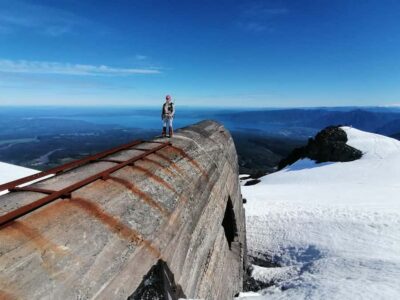
Ascent to Villarrica volcano 2,847masl, from Pucón
Read our review →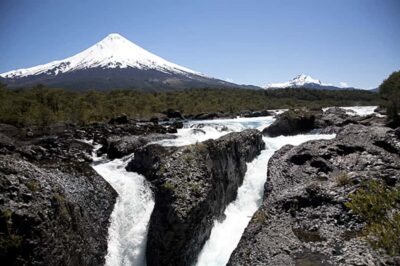
Browse the lists this tour appears in