
Reviewed · ATACAMA SALT FLAT TOURS
Roundtrip to the Uyuni Salt Flat and the Colored Lagoons
Uyuni is far more than a giant white salt pan. This four-day journey takes you across Bolivia’s high Altiplano, where flamingos stand in mineral-rich lagoons, vicuñas move across empty plains, and volcanoes rise toward 6,000 meters. I like the mix of famous sights and quieter stops, especially Incahuasi Island and the surreal Siloli Desert. I also like that the group stays small, with no more than six people in a 4×4.
The tradeoff is the altitude and the basic lodging. You will sleep one night in a salt hotel and two nights in shared rooms at a family hostel, with shared bathrooms on some nights. Start prepared with warm clothes, water, snacks, and patience for early departures. If Zima is your guide, you can expect a friendly presence and explanations in Spanish with basic English support.
In This Review
- Key points to know before booking
- Why the Uyuni route is worth four days
- Crossing from San Pedro into Bolivia
- Day one: the Andean Altiplano and Villamar
- Laguna Colorada and the volcanic highlands
- Sol de la Mañana and the Siloli Desert
- Hot springs at Laguna Polques and Laguna Blanca
- Salt hotels and the second night
- Incahuasi Island and the great white salt flat
- Wildlife, weather, and the practical side of the 4×4
- What the lodging and meals are really like
- Who should book this four-day expedition
- Should you book Uyuni Adventure?
- FAQ
- How long is the Uyuni Salt Flat and Colored Lagoons tour?
- Where does the tour start and finish?
- How many people travel in each 4×4?
- What languages does the guide speak?
- What accommodation is included?
- What extra fees should I budget for?
Key points to know before booking
- A four-day high-altitude 4×4 route: You travel between roughly 3,600 and 5,000 meters, with several stops near volcanoes approaching 6,000 meters.
- The salt flat is only one part of the trip: Laguna Colorada, Sol de la Mañana, Siloli Desert, hot springs, and Andean wildlife fill out the route.
- Small groups matter here: Each vehicle carries up to six people, giving you more room than a large bus tour on long rough-road stretches.
- The overnight stays are part of the experience: One night is in a salt hostel, while the family hostels are simpler, with shared rooms and bathrooms.
- Several costs are extra: Budget for park entry, hot springs, Incahuasi Island, border tax, bathroom use, showers, water, and snacks.
- This suits hardy sightseers: You need to handle cold, long drives, basic facilities, border crossings, and high altitude.
Why the Uyuni route is worth four days
The Uyuni Salt Flat is the headline, but the best reason to choose four days is the range of settings. In one trip, you can move from a blinding white salt surface to red volcanic water, steaming geysers, hot springs, and sand-and-rock desert.
That variety gives the journey a stronger sense of place than a quick salt-flat visit. You are not simply stopping for photographs and returning to town. You spend several days crossing the Bolivian Altiplano, a high plain shaped by volcanoes, mineral deposits, wind, and cold.
I also like the cultural side of using a local family business. The trip relies on local drivers, family-run lodging, and regional knowledge rather than a polished resort-style operation. That usually means a more direct connection with daily life in this remote part of Bolivia, but it also means you should not expect hotel-level service.
The price is $458 per person. For four days, that includes 4×4 transport, border transfers between San Pedro de Atacama and Hito Cajon, three nights of lodging, four breakfasts, three lunches, and three dinners. That is a fair package for a remote route with fuel, drivers, food, and border transport involved.
Still, the price is not all-inclusive. The Eduardo Avaroa Protected Area entry fee is listed as 150 Bolivianos, Polques Hot Springs costs 6 Bolivianos, Incahuasi Island costs 30 Bolivianos, and the border tax is 17 Bolivianos. These amounts can change. You also need cash for bathrooms, which cost about 20 Bolivianos, and hot showers on the second and third nights, also about 20 Bolivianos.
More atacama salt flat tours in San Pedro De Atacama:
- Piedras Rojas, Altiplanics Lagoons & Salar Full-Day Tour
★ 4.7 · 592 reviews - Cejar Lagoon, Tebenquiche Lagoon and Ojos del Salar
★ 4.8 · 17 reviews - Salar de Atacama and altiplanic lagoons
★ 4.2 · 15 reviews
Crossing from San Pedro into Bolivia
The trip includes a minibus transfer from San Pedro de Atacama to Hito Cajon, the Chilean-Bolivian border. A return minibus transfer from Hito Cajon to San Pedro is included as well, making this a practical choice if you are basing yourself in San Pedro.
You need to pass through both the Chilean and Bolivian border controls. Bring your passport and a visa if your nationality requires one. Border formalities are not the scenic part of the trip, but they are an important piece of the schedule, so keep your documents easy to reach.
Pickup instructions are simple: wait in your hotel lobby 30 minutes before the scheduled time. Drivers wait no longer than five minutes after the pickup time. That is a good reason to be ready early, especially since this route depends on several transfers and long road sections.
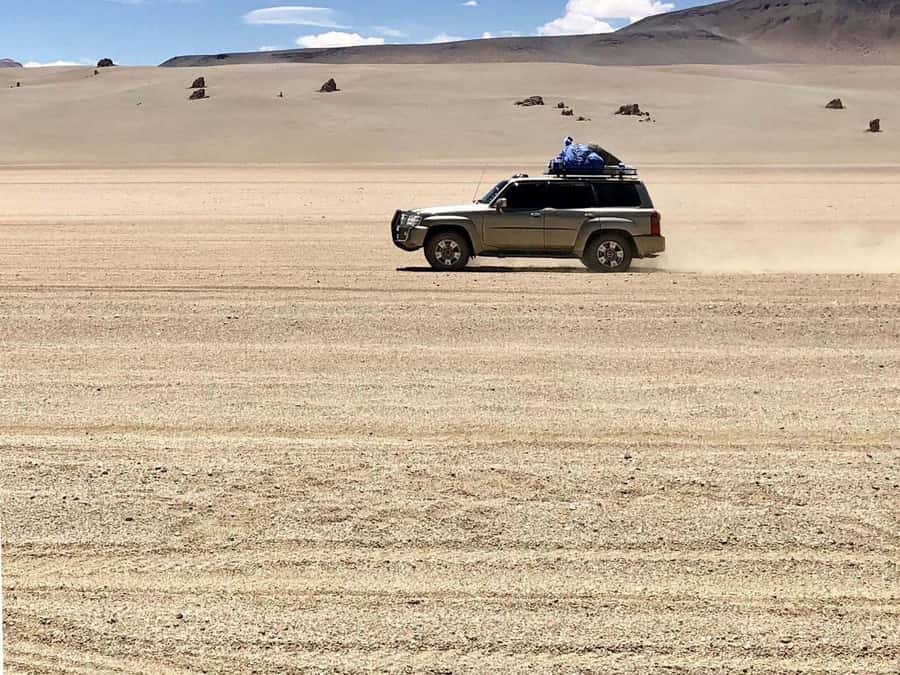
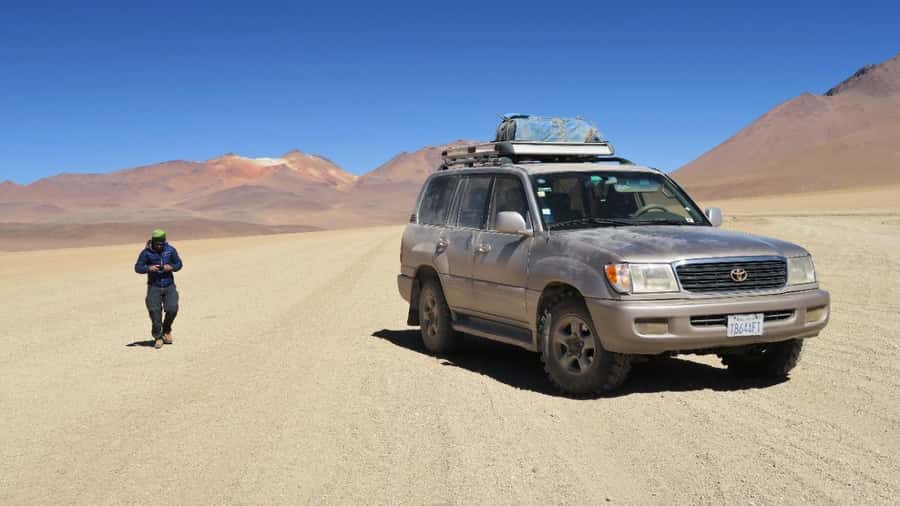
Once you reach Hito Cajon, the trip continues in a 4×4. The vehicles carry groups of up to six people. That small group size is useful because you will spend many hours on rough roads, and a crowded vehicle would make the long stretches harder.
The guide language is Spanish, with basic English support noted for the driver-guide service. If you need detailed explanations in English, confirm the language arrangement before departure. If Zima is assigned to your group, his ability to explain in both Spanish and English can make the cultural and natural stops easier to follow.
Day one: the Andean Altiplano and Villamar
The first day introduces you to the high country rather than rushing straight to the salt flat. You travel through broad open spaces with volcanoes, mineral-colored ground, lagoons, and hardy wildlife.
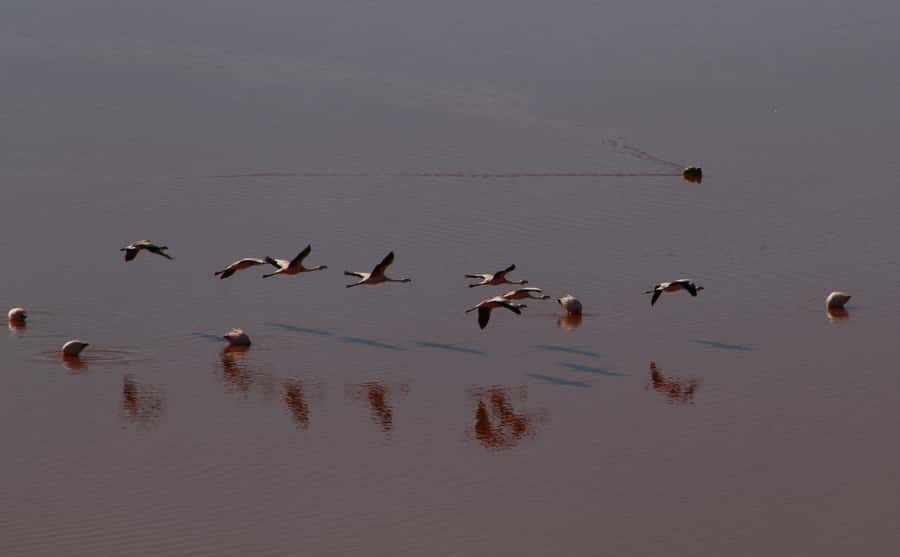
Keep watch for flamingos and vicuñas. The animals are part of what makes this route special. You are not visiting a zoo or a fixed attraction. Sightings depend on conditions and luck, but the chance to see these animals at altitude gives the drive a purpose beyond getting from one famous stop to another.
The route reaches between 3,600 and 5,000 meters above sea level. That altitude affects everyone differently. Even short walks can feel harder than expected, and a place that looks close may take longer to reach on foot.
The first night is at a Villamar family hostel. The accommodation is a shared room with a shared bathroom. Think of it as a functional overnight stop, not a private retreat. You get shelter, food, and a place to rest between long days, but you should pack with basic conditions in mind.
Bring warm layers that you can add or remove. Temperatures can change sharply between sun and shade, and the high-altitude air can feel cold once the day fades. A warm hat, gloves, and comfortable shoes are sensible choices, even if the daytime photographs look sunny.
Laguna Colorada and the volcanic highlands
Laguna Colorada is one of the major sights of the route. Its red tone comes from the mineral conditions and organisms in the water, creating a striking contrast with the pale high plain around it.
This is also one of the places where altitude matters most. The route takes you near volcanoes such as Licancabur, Ollague, and Tunupa, with some peaks approaching 6,000 meters. You do not need to climb those volcanoes, but simply being near them gives the day a dramatic scale.
The experience is best approached slowly. You may want to walk quickly from one viewpoint to another, but the altitude rewards a calmer pace. Follow your guide’s advice, drink water, and tell the driver if you feel unwell.
The tour is not suitable for people with altitude sickness, pregnant women, or people with pre-existing medical conditions. That warning deserves attention, not a quick glance during booking. If you have doubts about altitude, get medical advice before committing to a four-day route with nights spent high in the Andes.
Same long country, a very different day out:
- San Pedro de Atacama: El Tatio Geysers Tour
★ 4.7 · 943 reviews - San Pedro de Atacama: Etno-Stargazing Tour with Transfer
★ 4.8 · 629 reviews - San Pedro de Atacama: Stargazing Experience
★ 4.7 · 489 reviews - San Pedro Atacama: Baltinache Lagoons
★ 4.6 · 359 reviews
Sol de la Mañana and the Siloli Desert
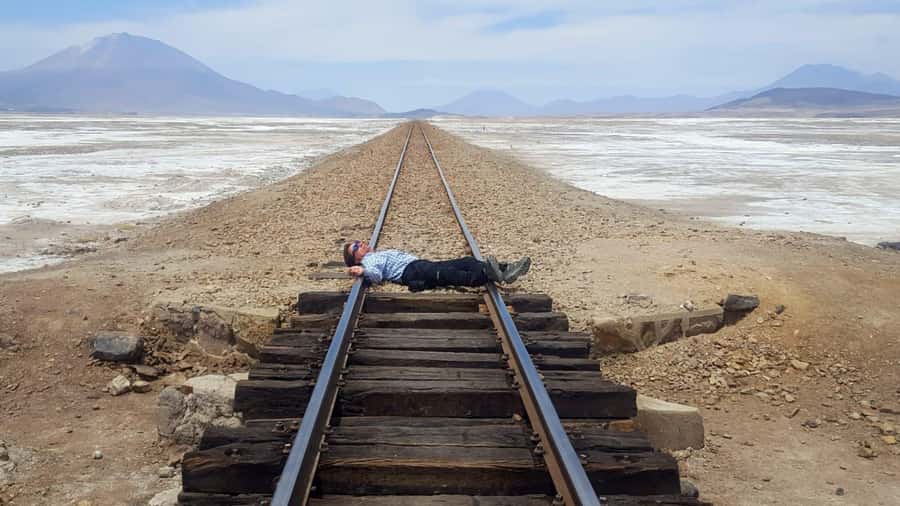
Sol de la Mañana is a geyser field where steam and volcanic activity break through the high plain. The stop adds movement and heat to a route otherwise marked by cold air and wide open ground.
Geyser fields can feel raw and unpredictable, so stay with the group and follow instructions around steaming areas. The attraction is not built like a city park. You are seeing an active volcanic zone with few comforts nearby.
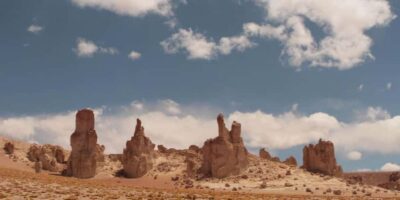
The Siloli Desert brings a different mood. Its strange rock shapes and stark colors make the area feel almost unreal, but there is no need to oversell it. The pleasure is in the quiet, the unusual rock formations, and the contrast with the lagoons.
The Salvador Dali Desert adds another broad, empty stretch to the route. Its name comes from the shapes and colors associated with the painter’s work, though the attraction is the setting itself: wind-shaped ground, distant volcanoes, and a sense of open space in every direction.
These stops explain why I would not choose a one-day salt-flat trip if you have the time for four days. The salt pan may be the most famous view, but the volcanic deserts and lagoons give the journey its depth.
Hot springs at Laguna Polques and Laguna Blanca
The natural hot springs at Laguna Polques offer a welcome break after hours in the cold. Soaking in warm water surrounded by the high Andes is one of the more memorable contrasts on the route.
Entry to Polques is not included in the base price and is listed as 6 Bolivianos. Bring a small towel if you want one, since towels are not listed among the included items. Hot showers are also extra on the second and third nights, at about 20 Bolivianos.
Laguna Blanca is another high-altitude water stop, known for its pale appearance and mineral setting. Together, the lagoons show how varied the Altiplano can be. Not every stop is about a single landmark. Some are about the changing color of water, stone, sky, and soil as the 4×4 moves across the route.
Salt hotels and the second night
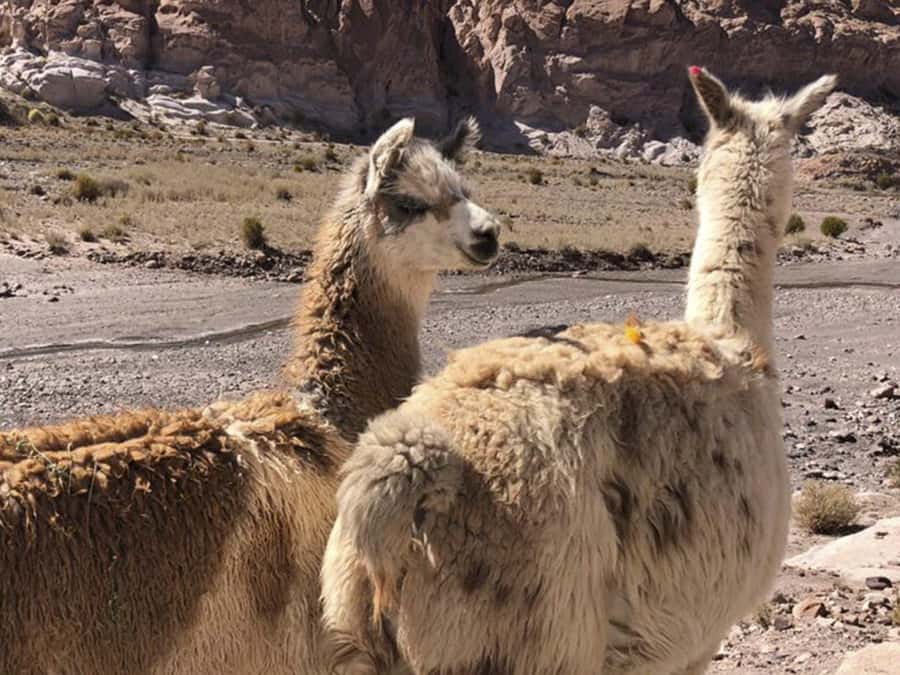
The salt hotel is one of the trip’s distinctive details. The accommodation uses salt as a central building material, giving you a direct connection to the region’s most famous natural resource.
The second night is in a private double room at a salt hostel. That is a step up from the shared room at Villamar, but you should still keep expectations practical. The listing notes that hot showers on the second and third nights cost extra, so check the facilities and carry small cash.
A salt hotel is not valuable only because it looks unusual in photographs. It also makes the overnight part of the trip feel tied to Uyuni rather than interchangeable with a standard roadside hotel. You get a place to sleep, but also an accommodation style that belongs to the destination.
Meals are included during the route: four breakfasts, three lunches, and three dinners. Vegetarian food is available, and one meal was specifically praised as good vegetarian fare. Tell the operator about dietary needs before you leave, since food options in remote areas are limited.
Incahuasi Island and the great white salt flat
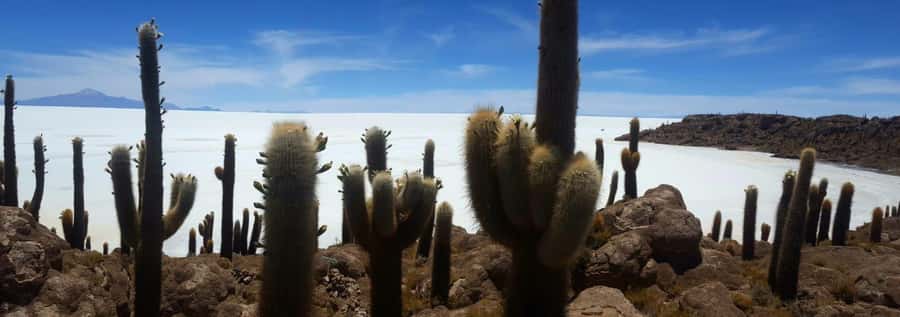
Incahuasi Island rises from the Uyuni Salt Flat and provides one of the route’s most recognizable stops. Giant cactus growth and the island’s rocky surface contrast with the flat, white expanse around it.
The island entry fee is separate and listed as 30 Bolivianos. Wear comfortable shoes, especially if you plan to walk around the site. The high elevation can make even a modest uphill path feel demanding.
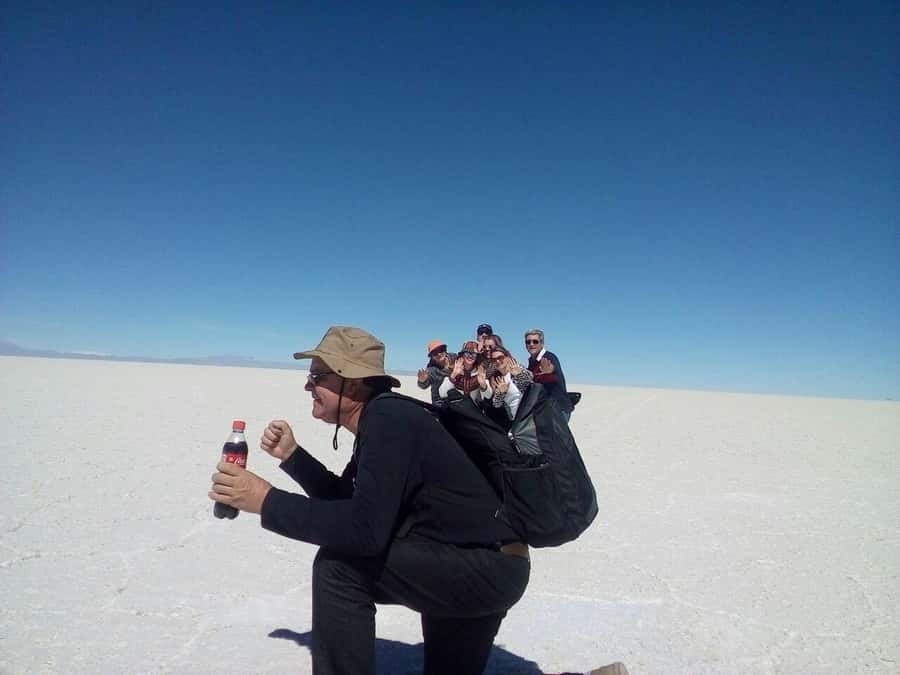
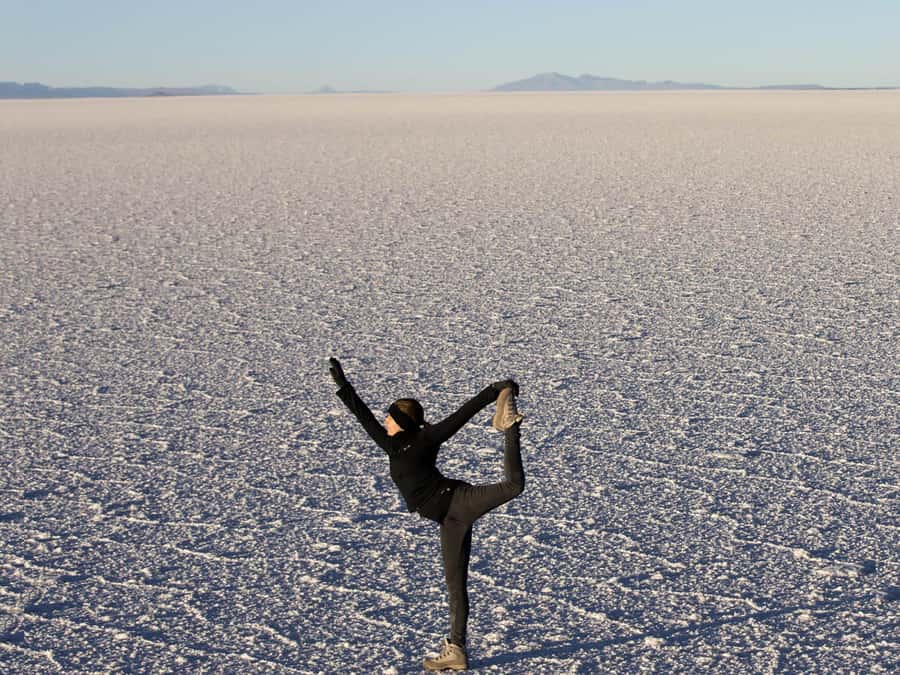
The salt flat itself is the visual centerpiece. Its huge scale can be difficult to grasp until the 4×4 carries you across it. In dry conditions, the surface may form geometric patterns that stretch toward the horizon. The result is a place where distance and direction become hard to judge.
Your guide can help turn the open space into a more meaningful stop by explaining the salt flat and the local setting. The exact views depend on season and conditions, so do not book this trip expecting one fixed photograph. The appeal is the vastness, the white surface, and the changing light.
Sunset is another strong part of the experience. The itinerary includes time for a breathtaking sunset, though exact timing and viewing conditions depend on the day’s route. Bring layers. The temperature can drop quickly once the sun is gone.
Wildlife, weather, and the practical side of the 4×4
This is a scenic safari, but it is still a road trip across remote ground. The 4×4 makes the route possible, yet the ride may be bumpy and long. You will want to keep water and snacks within reach rather than buried in luggage.
Additional snacks and bottled water are not included. Pack enough for your own comfort. Bathroom stops along the way cost about 20 Bolivianos, so carry Bolivian currency in small amounts.
The small group limit of six is one of the better features of the arrangement. You share the vehicle, meals, and stops with others, but the group is small enough to make space and timing more manageable. A full vehicle can still feel close on a long drive, so choose this trip for the scenery and remote access, not for personal space.
Early starts are part of the rhythm. You should expect cold mornings, long stretches between facilities, and several changes in altitude. Comfortable shoes are listed among the essentials, but warm clothing is even more important.
What the lodging and meals are really like
The three nights are split between two Villamar family hostel stays and one night at a salt hostel. The Villamar rooms are shared and use shared bathrooms. The salt hostel provides a private double room.
This arrangement gives you variety, but it does not promise privacy every night. Pack a sleep liner if you prefer your own bedding layer, though bedding details are not specified. A small towel, toilet paper, and personal toiletries are also sensible because the remote stops may not provide them.
The food plan removes one major worry from a remote journey. Breakfast, lunch, and dinner are included on the scheduled days, and vegetarian meals are possible. You still need extra snacks because the included meals do not cover every hour of a long driving day.
The trip’s strongest service point is the human side. A guide such as Zima can make a real difference by helping you feel comfortable, explaining what you are seeing, and switching between Spanish and basic English when needed. The tour language is Spanish, so English-speaking guests should confirm how much interpretation will be available.
Who should book this four-day expedition
I would choose this tour if you want the major Uyuni sights plus the colored lagoons, geysers, hot springs, wildlife, and deserts. It is also a good fit if you are comfortable trading polished facilities for a local, remote route.
You should be ready for:
- High altitude between about 3,600 and 5,000 meters
- Early departures and long 4×4 drives
- Shared rooms and bathrooms on two nights
- Extra charges for park entry, hot springs, Incahuasi Island, border tax, bathrooms, and showers
- Chilean and Bolivian border controls
- Cold weather and limited access to shops or facilities
I would not recommend it for anyone with known altitude sickness concerns, serious medical limitations, or a strong need for private bathrooms every night. Pregnant women are also advised not to take the tour.
The booking terms are flexible: you can reserve now and pay later, and cancellation is allowed up to 24 hours before departure for a full refund. Wheelchair access is listed, but the remote 4×4 route, shared facilities, and high-altitude conditions make it wise to confirm that the full itinerary suits your needs.
Should you book Uyuni Adventure?
Book it if you want Uyuni as a full highland journey rather than a quick stop at the salt flat. The best parts are the small six-person 4×4, the salt-hostel night, Laguna Colorada, Sol de la Mañana, and the chance to see flamingos and vicuñas across the Altiplano.
Skip it if you want a soft, carefully paced holiday with reliable showers and low altitude. At $458, the tour offers good value for four days of transport, food, lodging, and border transfers, but you need to add entrance fees and bring your own water, snacks, and cash.
Pack in layers, carry your passport and visa if required, and take altitude seriously. Do that, and this route gives you a broad, memorable view of Bolivia’s most unusual country.
FAQ
How long is the Uyuni Salt Flat and Colored Lagoons tour?
The tour lasts four days and includes three nights of accommodation.
Where does the tour start and finish?
The package includes minibus transfers from San Pedro de Atacama to Hito Cajon at the Chilean-Bolivian border, and from Hito Cajon back to San Pedro de Atacama.
How many people travel in each 4×4?
Each 4×4 carries a group of up to six participants.
What languages does the guide speak?
The tour language is Spanish. The driver-guide service also notes basic English support.
What accommodation is included?
The first and third nights are in a Villamar family hostel in a shared room with a shared bathroom. The second night is in a private double room at a salt hostel.
What extra fees should I budget for?
Extra costs include entry to the Eduardo Avaroa Protected Area, Polques Hot Springs, Incahuasi Island, and the border tax. You should also budget for snacks, bottled water, bathroom use, and hot showers.
Just added around San Pedro De Atacama
- Atacama Desert and Magic Bus Visit★ 4.8 · 15 reviews
- Vallecito★ 4.7 · 13 reviews
- San Pedro de Atacama: Valle de la luna★ 3.0 · 3 reviews
- Valle de la Luna: A Moon-Like Escape in Atacama★ 5.0 · 3 reviews
- Valley of the moon★ 5.0 · 50 reviews
- San Pedro de Atacama: Half day Valle de la Luna, Afternoon Tour★ 4.5 · 52 reviews
- Piedras Rojas and Altiplanic Tour★ 4.5 · 38 reviews
- Uyuni Salt Flats 4-days tour from Atacama> private room available★ 4.5 · 44 reviews
Atacama Salt Flat Tours, compared.
Piedras Rojas, Altiplanics Lagoons & Salar Full-Day Tour
Read our review →
Cejar & Tebenquiche Lagoons Tour with Ojos del Salar Atacama
Read our review →
Piedras Rojas, Altiplanics Lagoons & Salar Full Day Tour
Read our review →Browse the lists this tour appears in