
Reviewed · ATACAMA STARGAZING TOURS
San Pedro de Atacama: Etno-Stargazing Tour with Transfer
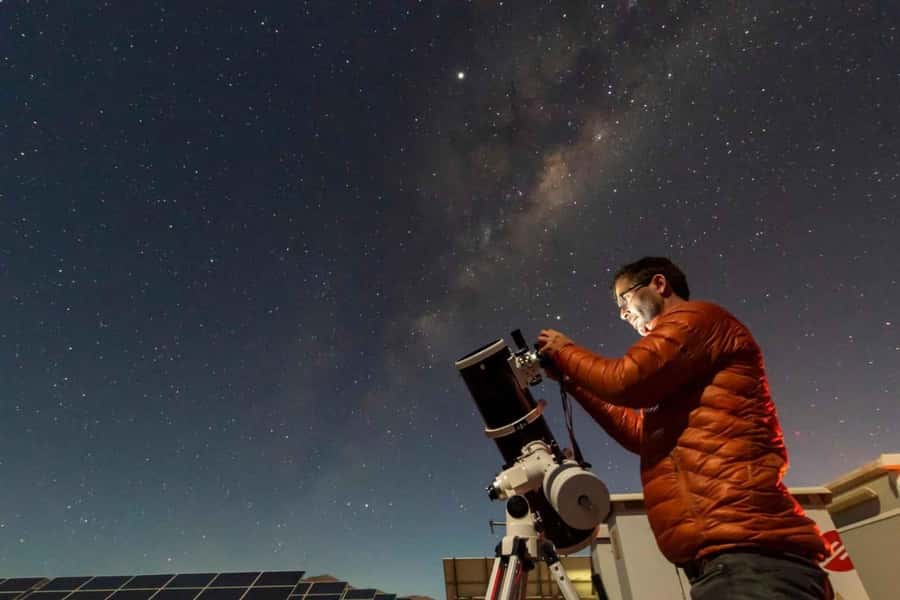
San Pedro de Atacama’s night sky is the real star here, but this tour gives you more than a dark place and a telescope. An astronomy guide such as Felipe, Claudio, Salvador, or Yvonne explains the stars in plain language, then connects them to Andean ideas about animals, rivers, seasons, daily life, and the world beyond death. I like that you get both modern astronomy and Indigenous sky knowledge, rather than a standard constellation talk.
I also like the hands-on format. You do not simply watch a guide point upward. You use the telescope yourself, with help focusing on planets, star clusters, binary stars, nebulae, or galaxies. The warm drinks, blankets or ponchos, fire, and souvenir star photograph add comfort and make the $41 price feel especially fair.
The main catch is the cold and the moon. Atacama nights can be bitter, even after a hot day, and a bright moon washes out many faint stars. Check the lunar calendar before booking, and expect the schedule to shift if clouds or other weather conditions interfere.
In This Review
- Key points to know before booking
- Why the Atacama night sky makes this tour special
- The 15-minute transfer from San Pedro
- The first lesson: reading the sky through Western astronomy
- The Andean sky: animals, rivers, and the Milky Way
- The telescope session and what you might see
- Staying warm in a desert that freezes after dark
- The fire, drinks, and star photograph
- Is $41 a good value?
- Weather, moonlight, and the best time to book
- Who will enjoy this most?
- Should you book the Etno-Stargazing Tour?
- FAQ
- How long does the Etno-Stargazing Tour last?
- Where does pickup take place?
- Is transportation included?
- What time is pickup?
- What languages does the guide speak?
- What can I see through the telescope?
- Does the tour include a photograph?
- What should I wear?
- Can the tour time change because of weather?
- Can I cancel the booking?
Key points to know before booking
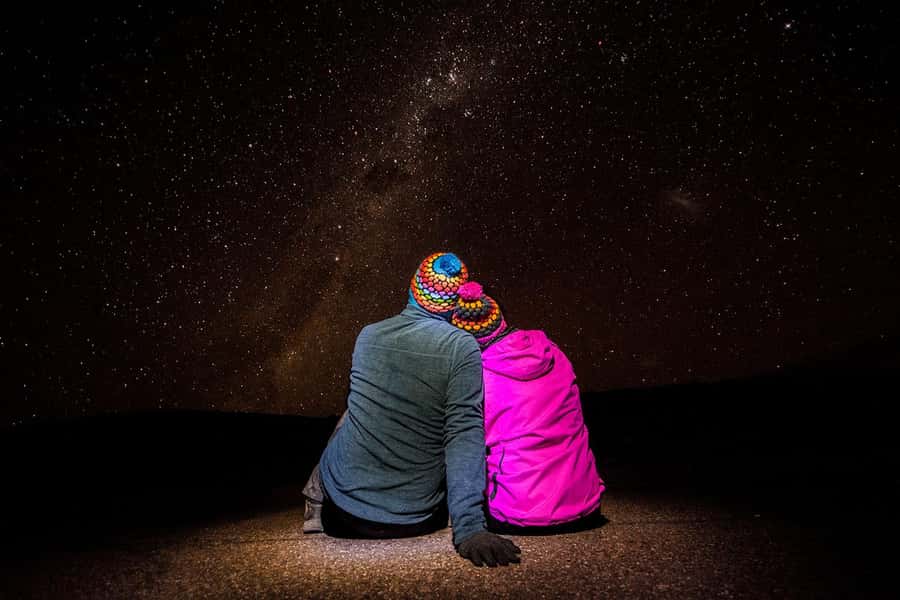
- Two sky traditions in one evening: Compare Greek-influenced Western astronomy with Andean interpretations of the Milky Way and constellations.
- Large telescopes with personal guidance: You get a chance to look through the equipment while the guide explains exactly what you are seeing.
- A short ride to darker skies: Pickup is in central San Pedro, followed by roughly 15 minutes in a van to the viewing site.
- Real cold-weather planning matters: Ponchos or blankets may be supplied, but bring warm layers, trousers, and closed shoes.
- The moon can change the whole experience: A moonlit night is still useful for telescope viewing, but the wider sky will look less crowded with stars.
- A useful keepsake: A courtesy photograph with the stars is sent by email, although the result can vary with moonlight.
Why the Atacama night sky makes this tour special
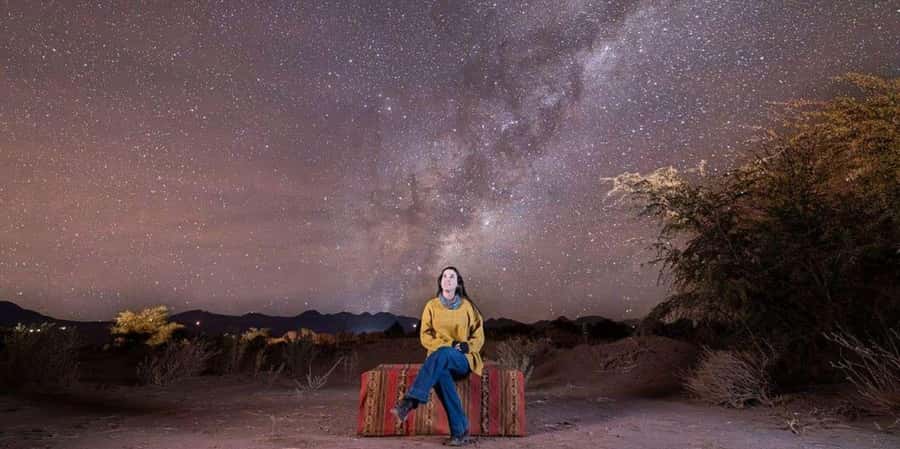
San Pedro sits in one of the world’s best-known stargazing regions, and the reason is simple: the desert is dry, high, and far from major city lights. On a clear night, the sky can look almost too crowded, with the Southern Cross and unfamiliar southern constellations appearing where northern-hemisphere visitors expect different patterns.
The best part of this experience is that the guide helps you make sense of that view. Without guidance, a sky full of stars can become a beautiful blur. With a laser pointer, a story, and a little patience, you begin to separate planets from stars and star clusters from distant cloudy patches.
The Southern Cross is one likely highlight for anyone from Europe or North America. It is a compact constellation, but it has long served as an important marker in the southern sky. The tour also gives attention to the Milky Way, not only as a band of light but as something ancient Andean communities read as part of their world.
That cultural section gives the evening a welcome local focus. The Andean view described here does not treat the dark spaces between stars as empty. Figures formed in those darker areas could represent animals, water, rivers, schedules, and ideas about life after death. This offers a useful contrast with the Western habit of linking bright stars into figures based on Greek mythology.
The reference to ancient Greece is best understood as an introduction to the Western system of astronomy, not a theatrical trip into the past. You learn how Greek constellation stories and modern scientific study shaped the way many people identify objects overhead. Then you compare that system with Andean ways of reading the same sky.
More Atacama Stargazing Tours in San Pedro de Atacama
- San Pedro de Atacama: Stargazing Experience
★ 4.7 · 489 reviews - Astronomical Tour with Guide and Pick Up San Pedro de Atacama
★ 4.5 · 145 reviews - “Astronomical Adventure in San Pedro de Atacama”
★ 4.5 · 96 reviews
The 15-minute transfer from San Pedro
The evening begins with pickup at Restaurant Tara on Licancabur 10, with return to the same area after the tour. The drive to the observation site takes about 15 minutes, so this is not a long desert expedition. That is good news if you have an early start the next morning or want to combine stargazing with other Atacama outings.
Pickup times change with the season. From April through August, pickup is listed at 7 p.m. During Chilean summer time, it is generally between 9 and 9:20 p.m. Confirm the exact time when you book, since sunset and darkness arrive at different hours through the year.
The meeting point deserves care. Licancabur 10 can be difficult to locate, particularly if you rely only on the restaurant name. I would arrive early, keep the provider’s contact details handy, and make sure your phone can receive messages. One guide, Felipe, went looking for people who had trouble finding the starting point, but you should not rely on that rescue.
Pickup and drop-off are included within San Pedro, but not in the ayllus. If your accommodation is outside the central pickup zone, ask in advance where you need to meet. The activity is listed as wheelchair accessible, though the practical details of the viewing surface and vehicle are worth confirming if you use a wheelchair.
The first lesson: reading the sky through Western astronomy
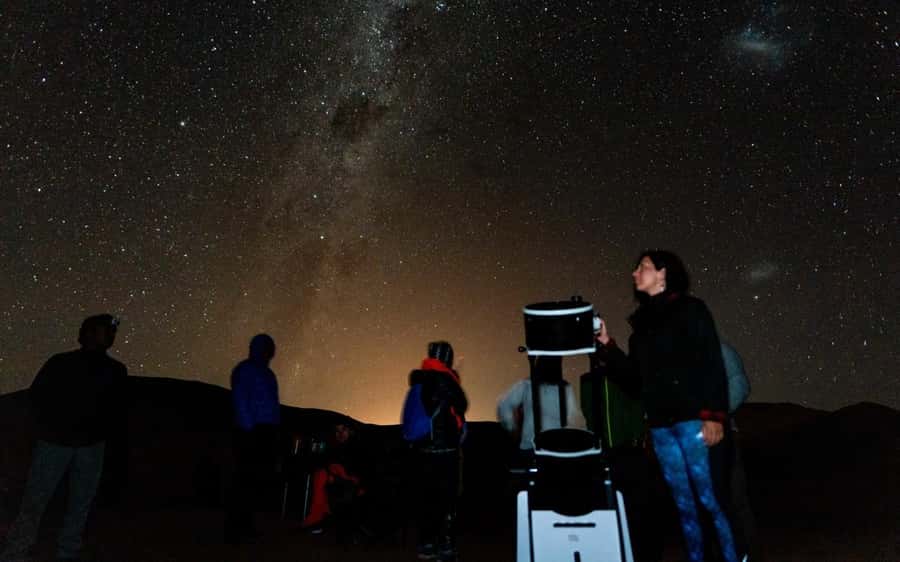
At the viewing site, the guide begins with the Western view of the universe. The lesson covers stars, their brightness and colors, planets, constellations, and the formation of the cosmos. The aim is not to turn you into an astronomer in one evening. It is to give you enough structure to understand what you see through the telescope.
The guides are a major part of the value. Felipe has been praised for linking current research with older ideas, while Claudio is especially good at keeping the explanation interactive. Salvador brings an energetic, friendly style, and several guides have worked comfortably in English and Spanish. The lineup can change, so bookers should treat these names as examples rather than a guarantee.
A good guide will ask what you want to see and adjust the session when possible. That matters because telescope viewing is personal. You may care most about Saturn, while someone else wants a nebula or a distant galaxy. The objects available depend on the season, time of night, and weather.
Expect the content to sit somewhere between a short class and an informal conversation. You can ask questions, including awkward ones, without needing a science background. Families can take part too. A family with children aged 10, 13, and 15 found that the guide used enough facts to hold their attention without turning the evening into a school lecture.
The Andean sky: animals, rivers, and the Milky Way
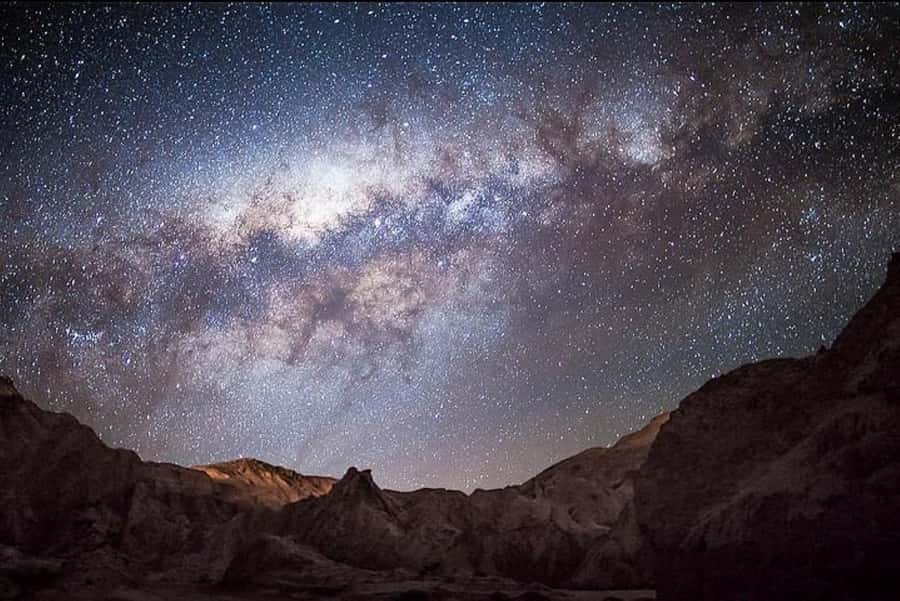
The second part shifts from what modern astronomy measures to how ancient Andean communities interpreted the heavens. This is the section that gives the tour its ethnic focus and sets it apart from a generic observatory visit.
You learn that people living in the Andes watched the sky for practical reasons. The stars could help with timing, seasonal patterns, water, animals, and daily routines. The Milky Way was not merely a distant galaxy to admire. It formed part of a larger system of meaning tied to the land, community, and the passage between life and death.
I appreciate this comparison because it avoids suggesting that one system is simply right and the other is primitive. Modern astronomy tells you what stars are made of and how far away they sit. Indigenous astronomy shows how people used the sky as a guide to live in a demanding environment. Both approaches reward close observation.
The talk also makes the Southern Cross more than a photo opportunity. You learn why southern skies matter and how their patterns differ from the familiar constellations of the north. For first-time visitors to South America, that orientation can be as memorable as seeing a planet through the telescope.
Same long country, a very different day out:
- San Pedro de Atacama: El Tatio Geysers Tour
★ 4.7 · 943 reviews - Piedras Rojas, Altiplanics Lagoons & Salar Full-Day Tour
★ 4.7 · 592 reviews - San Pedro Atacama: Baltinache Lagoons
★ 4.6 · 359 reviews - San Pedro de Atacama: Valle de la Luna Guided Tour
★ 4.4 · 312 reviews
The telescope session and what you might see
The telescope section is the hands-on center of the evening. The guides point the equipment toward selected objects, focus it, and explain what you should notice. You then take your turn at the eyepiece rather than simply receiving a distant view on a screen.
Depending on the month and conditions, the targets may include planets, individual stars, binary stars, star clusters, nebulae, or galaxies. Saturn has been a major highlight on several clear nights. The crescent moon, Antares, and star clusters have also appeared in the viewing program at suitable times.
A telescope does not make every object look like a glossy space-agency photograph. That is worth knowing before you go. Planets may appear as small but distinct disks, while a nebula or galaxy can look like a pale smudge. The excitement comes from knowing that the faint shape is a real object far beyond the solar system.
The guides use large mirror telescopes and help you focus on the correct target. That assistance matters because the first view can be easy to miss. Take your time, ask what detail to look for, and let the guide refocus the instrument if the image is unclear.
The setup has also been praised for avoiding long waits between two telescopes. Still, the pace depends on the number of people present and the guide’s method. The 150-minute duration includes transport, instruction, telescope viewing, the photograph, and the closing refreshments, so it is a full but compact evening rather than an all-night astronomy camp.
Staying warm in a desert that freezes after dark
Pack for winter, even if San Pedro felt hot at lunchtime. The desert loses heat quickly after sunset, and the cold becomes more noticeable when you sit still during the explanations and telescope turns.
Bring warm layers, a hat, and comfortable shoes. A fleece, insulated jacket, and long trousers are sensible. The provider may supply ponchos or blankets, and several departures have done so, but I would treat those as helpful extras rather than your main defense against the cold.
Comfortable clothing also makes the photograph easier. You may spend time standing, sitting, walking a short distance around the site, and moving between the talk, telescope, and fire area. Binoculars are listed as a suggested item, though the main viewing equipment is supplied.
Smoking, alcohol, and drugs are not allowed during the activity. This is particularly important because the included refreshment is listed as coffee, tea, or red wine. The description and individual departures do not always appear identical: some evenings have included hot chocolate, snacks, a more substantial picnic, or a pisco sour, while others emphasize the listed drinks. If the food or a particular beverage matters to you, confirm what is planned for your date.
The fire, drinks, and star photograph
After the sky talk and telescope viewing, the evening may finish around a fire with drinks and snacks. This is a practical touch, not just decoration. You have been standing in cold air, and a hot drink gives you a chance to thaw out and talk about what you just saw.
Coffee, tea, and red wine are the listed choices. Some departures have also included hot chocolate, wine served in proper glasses, snacks, or a picnic-style spread. These extras help the tour feel more like an evening out than a short lecture beside a parked van, but they should not be the main reason you book.
The photo session is another useful addition. The team takes a portrait with the stars behind you and sends the courtesy image by email. Some evenings include several poses or group and individual pictures, with a guide helping you position yourself.
Moonlight affects this part too. During periods of high moonlight, the included image is taken only through the telescope eyepiece. That can still produce a meaningful souvenir, but it may not have the broad, star-filled background you imagine from the promotional wording. Again, the lunar calendar is worth checking.
Is $41 a good value?
At $41 per person, this is strong value for a 150-minute evening that includes central pickup and drop-off, an astronomy specialist, telescope access, and a digital photograph. The transfer is short, the activity is focused, and you do not need to arrange your own vehicle to reach a darker site.
The value rises if you are new to stargazing. Buying or renting binoculars will not give you the same instruction, and simply driving out of town leaves you to identify objects on your own. Here, the guide explains the science, the Greek-influenced Western tradition, and the Andean reading of the sky in one sitting.
The price is less compelling if you want a private observatory session or advanced astrophotography. This is a guided group experience with a fixed duration, and the included photograph is a souvenir rather than a professional astronomy image for serious technical use.
The fire and refreshments also vary enough that I would consider them bonuses. Book for the clear-sky education and telescope viewing first. Think of the hot drink and closing snack as welcome comfort.
Weather, moonlight, and the best time to book
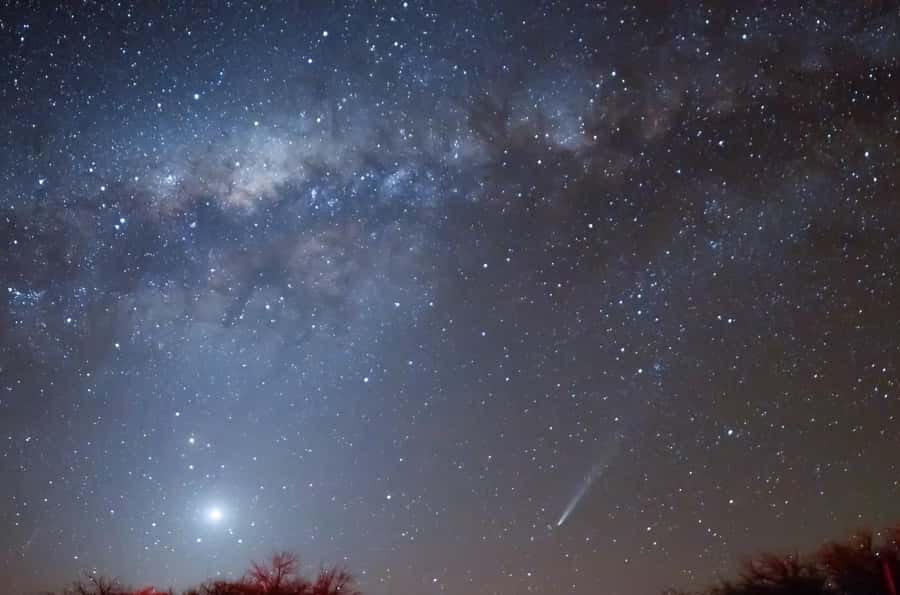
Weather controls the schedule and the quality of the viewing. If conditions are poor, the tour may move to a later time that night or to the same or next night. If the provider cancels, other options are offered, and you are notified.
That flexibility can work in your favor. One evening was pushed to 11 p.m. because clouds threatened the original time, and the later start produced a much better sky. The drawback is obvious: a late change can disrupt dinner plans, transport, or an early departure the next morning.
The moon is a separate issue from clouds. A full or nearly full moon can make the sky brighter and reduce the number of faint stars you can see with the naked eye. It does not make telescope viewing worthless, and guides can still work with bright objects, but the wide desert sky will not look as dark.
I would check both the moon phase and your next morning’s schedule before booking. If you have a 5 a.m. excursion, a late rescheduled start may leave you short on sleep. If your schedule is open, accepting a later time may be the best way to protect the experience.
Who will enjoy this most?
This tour suits first-time stargazers, couples, families with older children, and anyone curious about the southern sky. You do not need technical knowledge. The guides explain the basics clearly and welcome questions in English or Spanish.
It is particularly good for people who want cultural context. The Andean astronomy section gives the night a local connection, while the telescope section satisfies the practical wish to see Saturn, a cluster, or another object up close.
You may want to choose another format if you dislike sitting outdoors in the cold, need a guaranteed early finish, or want a private session with complete control over the telescope targets. Moon-sensitive photographers should also plan carefully, since the included image changes during bright lunar periods.
Should you book the Etno-Stargazing Tour?
I would book this if you want a well-priced, approachable introduction to Atacama astronomy. The strongest reasons are the guides’ clear explanations, the chance to use large telescopes, the comparison between Western and Andean sky traditions, and the short transfer from central San Pedro.
Book with realistic expectations. The sky depends on weather and moonlight, the meeting point needs attention, and the cold is serious. Bring proper layers, check the lunar calendar, confirm your pickup time and refreshment details, and keep the next morning reasonably free.
For $41, you get a thoughtful evening rather than a simple star photo stop. If the sky is clear and you arrive prepared, this is one of the better-value night activities in San Pedro de Atacama.
FAQ
How long does the Etno-Stargazing Tour last?
The activity lasts 150 minutes, including transportation, the guided astronomy session, telescope viewing, and the closing portion of the evening.
Where does pickup take place?
Pickup is listed at Restaurant Tara on Licancabur 10 in San Pedro de Atacama. Drop-off is also at Licancabur 10 or Restaurant Tara.
Is transportation included?
Yes. Pickup and drop-off in San Pedro de Atacama are included, but pickup does not cover the ayllus.
What time is pickup?
From April through August, pickup is listed at 7 p.m. During Chilean summer time, pickup is generally between 9 and 9:20 p.m. Check the exact start time when booking.
What languages does the guide speak?
The tour is offered in English and Spanish.
What can I see through the telescope?
Depending on the season and conditions, you may see planets, stars, binary stars, star clusters, nebulae, and galaxies.
Does the tour include a photograph?
Yes. A courtesy photograph with the sky is included and sent by email. During periods of high moonlight, the photograph is taken only through the telescope eyepiece.
What should I wear?
Bring warm clothing, comfortable clothes, and comfortable shoes. Nights in the desert can be very cold. Binoculars are also listed as a suggested item.
Can the tour time change because of weather?
Yes. Poor weather may lead to a later start that night or a change to the same or next night. You will be notified if the schedule changes.
Can I cancel the booking?
You can cancel up to 24 hours in advance for a full refund. The reserve-now, pay-later option also lets you book without paying immediately.
More Private Drivers in San Pedro De Atacama
- San Pedro de Atacama: Stargazing Experience with Transfer
★ 3.5 · 8 reviews - San Pedro de Atacama: Etno-Stargazing Tour with Transfer
★ 3.5 · 5 reviews - Santiago: Concha y Toro Vineyard Tour w/ Transfer & Tasting
★ 4.2 · 455 reviews - Private Transfer from Santiago Airport to Santiago
★ 4.0 · 330 reviews
Just added around San Pedro De Atacama
- Atacama Desert and Magic Bus Visit★ 4.8 · 15 reviews
- Vallecito★ 4.7 · 13 reviews
- San Pedro de Atacama: Valle de la luna★ 3.0 · 3 reviews
- Valle de la Luna: A Moon-Like Escape in Atacama★ 5.0 · 3 reviews
- Valley of the moon★ 5.0 · 50 reviews
- San Pedro de Atacama: Half day Valle de la Luna, Afternoon Tour★ 4.5 · 52 reviews
- Piedras Rojas and Altiplanic Tour★ 4.5 · 38 reviews
- Uyuni Salt Flats 4-days tour from Atacama> private room available★ 4.5 · 44 reviews
Atacama Stargazing Tours, compared.
Astronomical Tour with Guide and Pick Up San Pedro de Atacama
Read our review →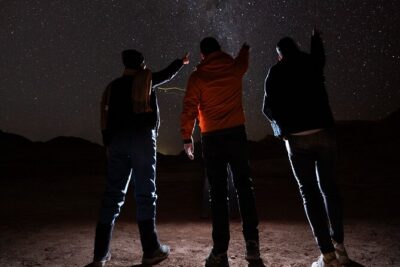
“Astronomical Adventure in San Pedro de Atacama”
Read our review →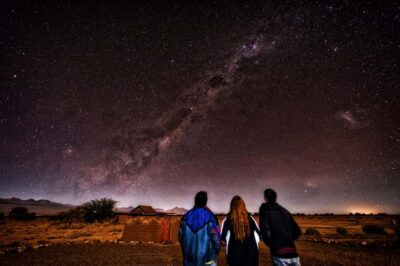

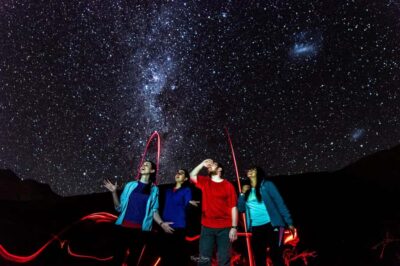
Pisco Elqui: Mountaintop Stargazing and Night Portrait
Read our review →
Browse the lists this tour appears in