
Reviewed · ATACAMA STARGAZING TOURS
Easter Island: Rapa Nui Stargazing Tour
The best part of this Rapa Nui outing is the meeting of Polynesian navigation and southern-hemisphere astronomy. You do not simply point a telescope at the sky. You learn how voyagers used stars to cross a huge ocean, then look up from one of the world’s most remote islands.
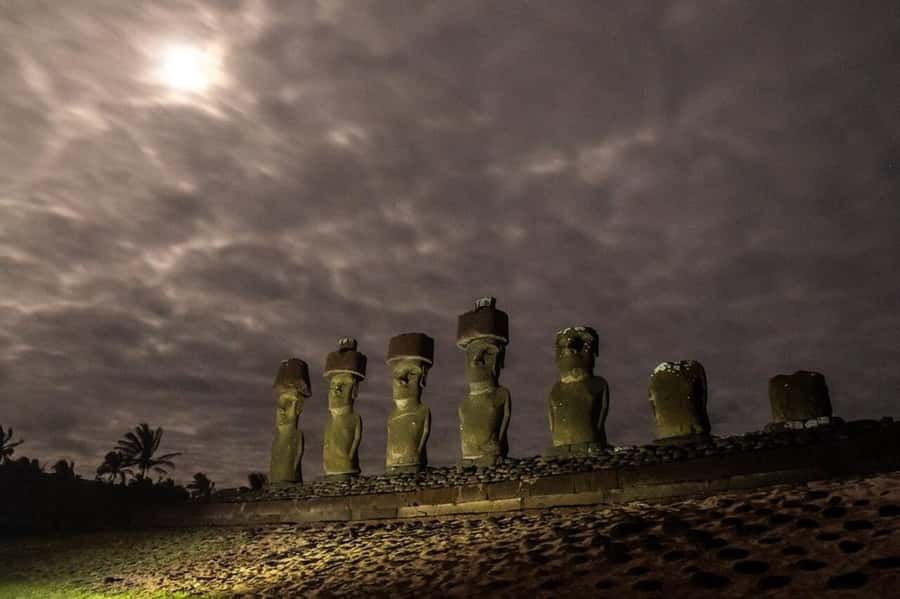
I like the access to Ahu Nau Nau after dark, when the moai take on a very different mood, and I like the small-group format, capped at 12 people. The hot chocolate, local cake, and digital photo are welcome extras. The trade-off is clear: clouds, moonlight, and a quiet sky can limit what you see, and the uneven ground may be hard for anyone with mobility concerns.
In This Review
- Key points to know before booking
- Why Rapa Nui is such a good place for stargazing
- Meeting at Katipare Library and setting out after dark
- The Polynesian navigation lesson
- Ahu Nau Nau after sunset
- Telescope time at the remote observation site
- Coffee, local cake, and a song to close the night
- Is $140 a fair price?
- Weather, moonlight, and what you should bring
- Who will enjoy this three-hour outing most
- Should you book the Rapa Nui Stargazing Tour?
- FAQ
- Where does the Rapa Nui Stargazing Tour meet?
- What time does the tour begin?
- How long does the activity last?
- Is hotel pickup included?
- Is the National Park entry ticket included?
- What languages are available?
- Can the tour be canceled because of weather?
Key points to know before booking
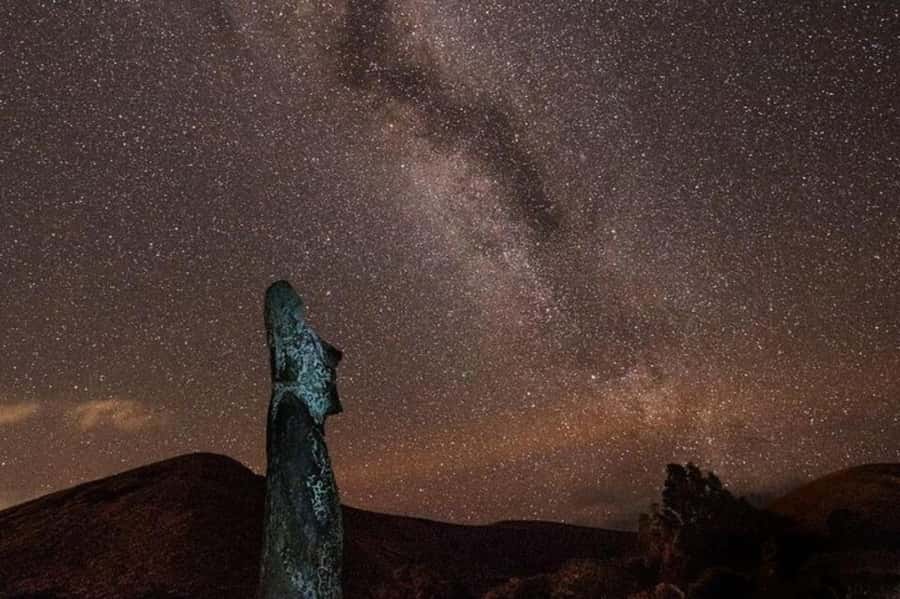
- Southern-hemisphere stars: See constellations and planets that may not be visible from home.
- Polynesian wayfinding: Learn how ocean voyagers used stars and other natural signs to guide long journeys.
- Night access to Ahu Nau Nau: Visit the moai after dark and take photos in a rare setting.
- Small group size: The maximum is 12 people, allowing more room for questions and telescope time.
- Seasonal start times: Meet at Katipare Library at 9 p.m. in summer or 7 p.m. in winter.
- Weather and moon matter: The tour does not operate from four days before to two days after a full moon.
Why Rapa Nui is such a good place for stargazing
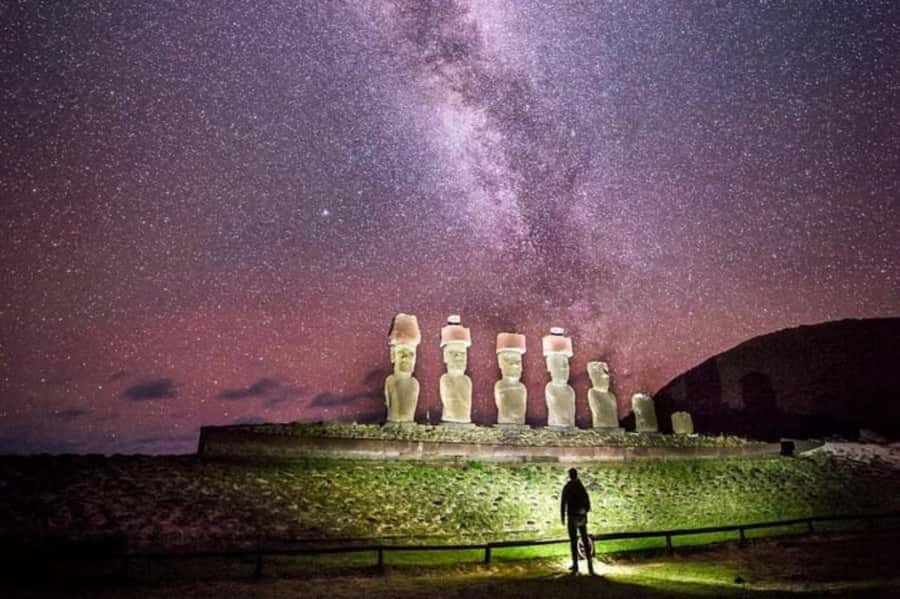
Easter Island, known locally as Rapa Nui, is far from major cities and their bright night lights. That distance gives the sky a major role in the experience. On a clear night, you can look up and see stars and constellations that are unfamiliar if you usually observe from the Northern Hemisphere.
That setting also gives the astronomy a human story. Polynesian voyagers crossed large stretches of the Pacific without modern charts, engines, or satellite navigation. The night sky helped them read direction and position. This tour connects basic astronomy with those voyages, the settlement of Rapa Nui, and the island’s archeo-astronomy.
I like that approach because it gives the telescope work a purpose. You are not only waiting for a bright object to appear in the eyepiece. You are learning why the stars mattered to the people who reached this distant island.
Still, expectations matter. This is a three-hour guided introduction, not a professional astronomy session. The sky may offer planets and striking constellations, but conditions vary. Some nights will provide more to see than others.
More atacama stargazing tours in Easter Island:
- Rapa Nui Stargazing
★ 4.5 · 62 reviews - San Pedro de Atacama: Etno-Stargazing Tour with Transfer
★ 4.8 · 629 reviews - San Pedro de Atacama: Stargazing Experience
★ 4.7 · 489 reviews
Meeting at Katipare Library and setting out after dark
You meet in front of Katipare Library, also called Centro Lector Katipare, in Hanga Roa. The tour does not include hotel pickup, so leave enough time to reach the library on your own.
The start time changes with the season. In summer, the meeting time is 9 p.m. In winter, it is 7 p.m. This seasonal schedule makes sense for a night activity, but check your exact departure time before setting out. The tour lasts about three hours and includes a return to your hotel afterward.
A driver-guide provides the transport and live commentary. The vehicle takes you toward traditional observation sites away from the settled part of Hanga Roa. The smaller group limit, 12 people, matters here. You are less likely to spend the entire evening waiting for a large crowd to move between stops, and you should have a better chance to ask about the stars, the moai, and navigation.
The guide is central to the evening. The name appears as Marc in one account and Mark in another, so confirm the spelling when you book. He is described as explaining the constellations and Polynesian navigation, and he may finish the evening with a traditional song. One especially personal touch was a song he wrote himself, which gave the night a stronger connection to Rapa Nui culture than a standard telescope presentation would provide.
The Polynesian navigation lesson
The first major part of the experience covers basic astronomy and the history of Polynesian voyaging. You learn how the night sky worked as a practical tool, rather than as a collection of pretty lights.
The guide discusses stars, constellations, and navigational methods used to find direction across the Pacific. The tour also touches on the settlement of Rapa Nui and the island’s archeo-astronomy. That last subject links celestial observation with archaeological places and traditional observatory sites.
This is where the tour offers its most distinctive value. Many stargazing outings focus on identifying planets or photographing the Milky Way. Here, the sky is tied to the movement of people across the ocean. You get a sense of why certain stars mattered and how knowledge of the heavens supported voyages long before modern instruments.
The presentation is live and in English or Spanish. Because the group is small, you can ask for clarification if an astronomy term or navigation idea moves too quickly. I would not expect a formal classroom lesson, though. The appeal is the connection between simple science, oral tradition, and place.
Ahu Nau Nau after sunset
Access to Ahu Nau Nau at night is one of the strongest reasons to consider this outing. Seeing moai beside a beach or ceremonial platform during daylight is already a major Rapa Nui experience. Seeing them after dark creates a quieter, more unusual setting.
The night visit also gives your photographs a different character. The tour includes a digital photo, and you can take your own pictures as well. One especially appealing possibility is a photo beside the moai, with the dark sky behind you. You can also use your own phone and tripod for private star photos if you wish.
Do not assume that every night will produce a perfect picture. Your results depend on clouds, moonlight, the phone or camera you bring, and your comfort with night photography. The tour’s schedule avoids the period from four days before through two days after the full moon, which helps preserve darker conditions.
The ground can be uneven around the night stops. One older participant found the footing difficult, and the limited light made that more important. Wear steady shoes and walk carefully. The activity is not suitable for wheelchair users.
More easter island moai tours in Easter Island:
- From Hanga Roa: Rapa Nui Culture Sightseeing Tour
★ 4.6 · 307 reviews - From Hanga Roa: Journey from Orongo to Ana Te Pahu
★ 4.3 · 75 reviews - Two days of Full Day Tour of Rapa Nui + Sunrise in Tongariki
★ 4.8 · 55 reviews - Half Day Tour in Rapa Nui
★ 5.0 · 48 reviews
Telescope time at the remote observation site
At the remote observation site, the guide sets up a telescope for viewing stars and planets. This is the hands-on center of the outing. You get time to look through the instrument rather than simply hearing a talk beside it.
The telescope experience can be rewarding on a clear night, especially if you have never viewed southern stars through a telescope. The guide explains what you are seeing and places it within the larger story of Rapa Nui astronomy and navigation.
The amount of activity depends on the sky. One evening offered a good stretch of telescope time but fewer other things to do, which is a useful warning for anyone expecting a packed schedule. This tour has a calm pace. After the astronomy talk, night access, and telescope viewing, there may be periods when you are simply waiting, looking up, and taking in the silence.
That quiet is part of the appeal, but it will not suit everyone. If you want constant movement or a long list of attractions, the three hours may feel slow. If you enjoy standing beneath a dark sky and letting the guide build the story, the slower rhythm should feel appropriate.
Coffee, local cake, and a song to close the night
The refreshment break includes hot chocolate and local cake. It is a small detail, but it matters after time outdoors at night. The drink gives you a chance to warm up and chat before the final part of the outing.
The cultural touches help keep the experience from feeling like a generic astronomy bus trip. The guide has sung a traditional song to finish the evening, and one account also describes a song written by him. That kind of personal performance is not guaranteed as a formal part of the schedule, but it has been included in the experience.
The digital photo is also included. You can take your own photos, so you are not limited to the official image. If photography matters to you, bring a phone or camera that performs well in low light, along with a tripod if you have one. The tour allows private tripod photos according to the supplied details.
Hotel drop-off is included at the end. Hotel pickup is not, so the evening begins with a short logistical task at Katipare Library and ends more conveniently.
Is $140 a fair price?
At $140 per person, this is not a cheap night out. The price covers roughly three hours, a driver-guide, transport during the activity, live commentary, telescope use, hotel drop-off, a digital photo, access to Ahu Nau Nau at night, and the hot chocolate and local cake.
The value depends on what you want from Rapa Nui. If you only want to look through a telescope, the cost may feel high. A quiet night with limited visibility can make the schedule seem light, and one account judged the experience not worth the price after a night with little beyond telescope viewing and photos.
I think the price makes more sense if you value the full combination: Polynesian navigation, archeo-astronomy, a remote site, night access to moai, a small group, and a guide who adds singing and personal explanation. Those pieces are difficult to compare with a standard daytime monument visit.
The maximum group size of 12 also helps protect the value. You are paying for a focused outing rather than a large coach experience. Still, I would book only if the sky and cultural context interest you. The tour is not designed as nonstop entertainment.
Weather, moonlight, and what you should bring
Good weather is required. If poor weather cancels the outing, you are offered another date or a full refund. The same choice applies if the minimum number of people is not reached and the activity is canceled.
The full-moon restriction is important. The tour is unavailable from four days before to two days after the full moon. That schedule protects darker viewing conditions, but it also means you should plan your Rapa Nui nights carefully if stargazing is a priority.
Bring warm clothing and shoes with a firm sole. The supplied details do not list a specific clothing requirement, but you will be outside at night, and the ground may be uneven. A small flashlight could help with footing, though you should use it carefully around other people and photographs.
You do not need to bring a telescope. The tour provides one. A tripod is optional for personal phone photos, and the guide allows you to take your own pictures.
Who will enjoy this three-hour outing most
I would recommend this experience to you if you enjoy history, astronomy, photography, or Polynesian culture. It is especially well suited to anyone who wants to understand Rapa Nui beyond the famous daylight views of the moai.
It also works well for a couple or small group looking for a peaceful evening. The private-feeling access to the beach and moai, when conditions allow, can make the night memorable. The guide’s explanations and singing add personality that a purely technical astronomy session may lack.
I would hesitate if you need step-free access, have trouble walking over uneven ground, or dislike outdoor activities after dark. The activity is not suitable for wheelchair users, and the low light makes careful footing important.
I would also think twice if you expect a busy itinerary. There may be a good amount of telescope time, but the rest of the evening can be quiet. That is a strength for some people and a weakness for others.
Should you book the Rapa Nui Stargazing Tour?
Book it if you want the story behind the stars, not just a quick look through a telescope. The strongest version of this experience combines clear weather, a small group, Marc or Mark’s explanations, time beside Ahu Nau Nau, and a dark sky away from Hanga Roa.
Skip it if your schedule cannot handle a weather change, if $140 feels too high for a three-hour evening, or if you want constant activity. The tour can be somewhat simple on a less active night.
For most visitors who care about Rapa Nui culture and the history of Polynesian voyaging, I think the experience is worth serious consideration. Just book close to a dark-moon period, wear safe shoes, and treat the sky as the main attraction. The telescope is useful, but the bigger reward is learning how people once found their way across the Pacific by reading the same stars above the moai.
FAQ
Where does the Rapa Nui Stargazing Tour meet?
You meet in front of Katipare Library, also called Centro Lector Katipare, in Hanga Roa, Easter Island.
What time does the tour begin?
The meeting time is 9 p.m. in summer and 7 p.m. in winter. Check availability for the exact departure time on your date.
How long does the activity last?
The experience lasts about three hours.
Is hotel pickup included?
No. You must reach Katipare Library independently. Hotel drop-off is included at the end.
Is the National Park entry ticket included?
No. You need to have your National Park ticket separately.
What languages are available?
The live tour guide commentary is available in English and Spanish.
Can the tour be canceled because of weather?
Yes. Good weather is required. If poor weather causes cancellation, you are offered a different date or a full refund.
Just added around Easter Island
- Volcanic Refuges: Excursion to Underground Civilization★ 4.7 · 8 reviews
- Ride to the highest point on the island for sunset★ 5.0 · 40 reviews
- Half Day Tour in Rapa Nui★ 5.0 · 48 reviews
- Tongariki Sunrise: Half Day Private Tour★ 3.8 · 9 reviews
- Easter Island: Private Full Day History Of The Moai★ 4.6 · 12 reviews
- Terevaka Horse Excursion: The highest point and 360° view.★ 4.7 · 38 reviews
- Sunrise Tongariki: Sunrise at Tongariki Park Private Tour★ 4.5 · 47 reviews
- Rapa Nui: Polynesian Massage★ 4.8 · 5 reviews
Atacama Stargazing Tours, compared.
Astronomical Tour with Guide and Pick Up San Pedro de Atacama
Read our review →
“Astronomical Adventure in San Pedro de Atacama”
Read our review →

Pisco Elqui: Mountaintop Stargazing and Night Portrait
Read our review →Browse the lists this tour appears in