
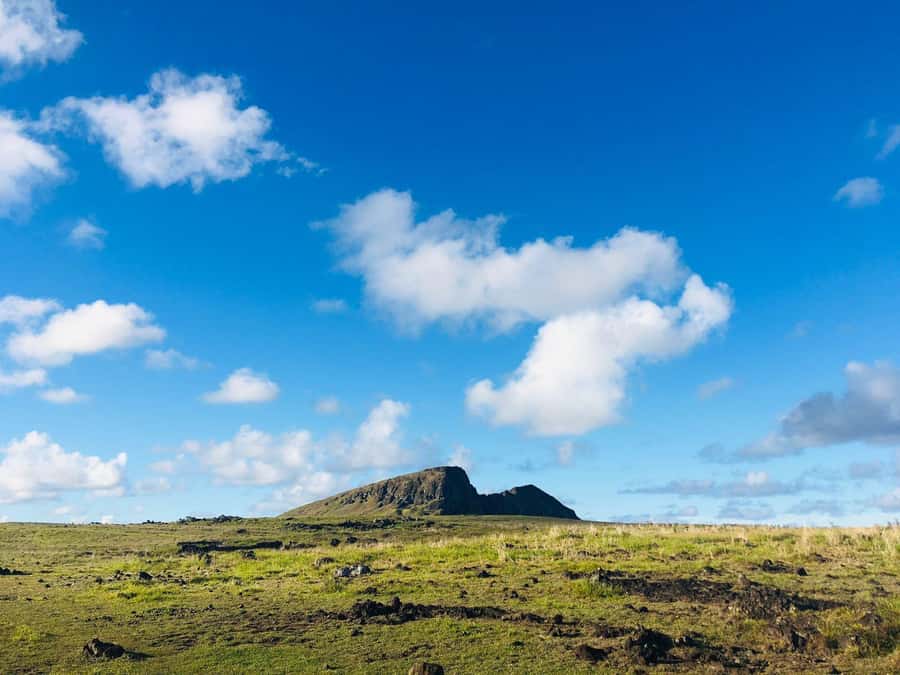
Reviewed · EASTER ISLAND MOAI TOURS
Two days of Full Day Tour of Rapa Nui + Sunrise in Tongariki
The great draw here is simple: over two full days and one early morning, you see the Moai, volcanic sites, and wide-open scenery that make Rapa Nui unlike anywhere else. I like the certified local guides and the chance to hear several views of an island culture whose stories are not always written down. I also like the hotel pickup, rain ponchos, and practical support before and during your stay.
The main caution is the sunrise schedule. A pickup around 6 a.m. may sound early enough, yet one reported plan had the sun appearing near 8 a.m. and the group leaving in time for a 9 a.m. tour. Confirm the exact timing and how long you will remain at Tongariki before booking.
In This Review
- Key points at a glance
- Three days to understand Rapa Nui
- Day one: the first full day among the Moai
- Day two: more sites, more questions
- Ahu Tongariki at sunrise
- What the guides add
- Price, park fees, and the real value
- Who should book this experience
- Booking details worth handling early
- Final verdict: a strong island introduction with one sunrise question
- FAQ
- How long does the experience last?
- Is the National Park entrance ticket included?
- Where can I buy the National Park ticket?
- Is food included?
- Which languages are available?
- Does pickup and drop-off come with the tour?
- What should I bring?
Key points at a glance
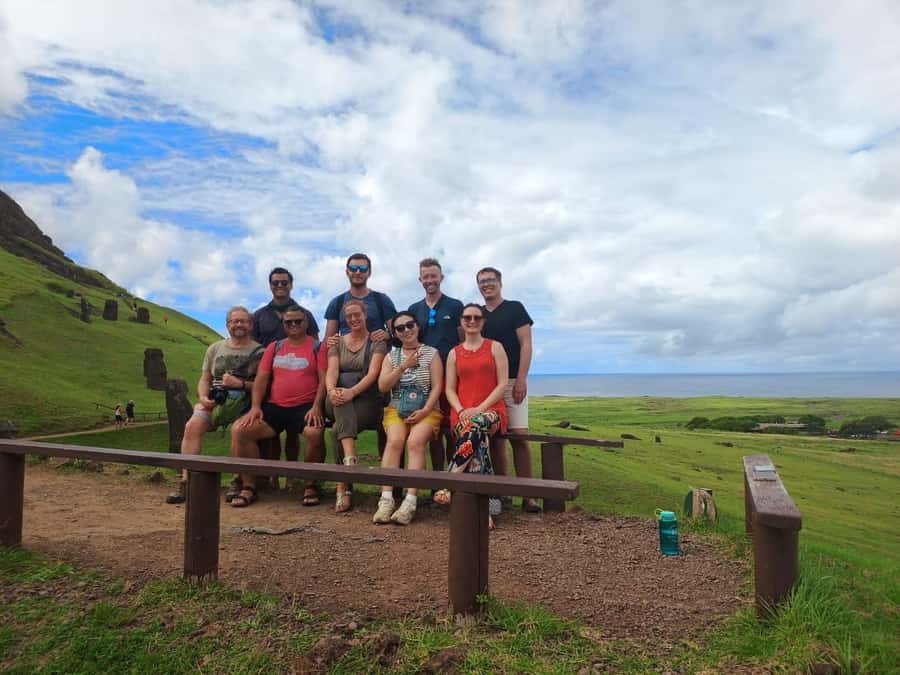
- Three separate outings: Two full-day tours are followed by a sunrise visit to Ahu Tongariki.
- Several guide perspectives: Alex, Alejandro, David, and Ariki have led different portions of the experience.
- Major archaeological sites: Expect the island’s best-known Moai sites and volcanic settings.
- Park admission costs extra: Foreign visitors pay 72,000 Chilean pesos, while Chilean nationals pay 20,000 pesos.
- Food is not included: Bring drinks and snacks, though there are places to buy food during the day.
- Small groups or private trips: The format can suit people who want a more personal outing.
Three days to understand Rapa Nui
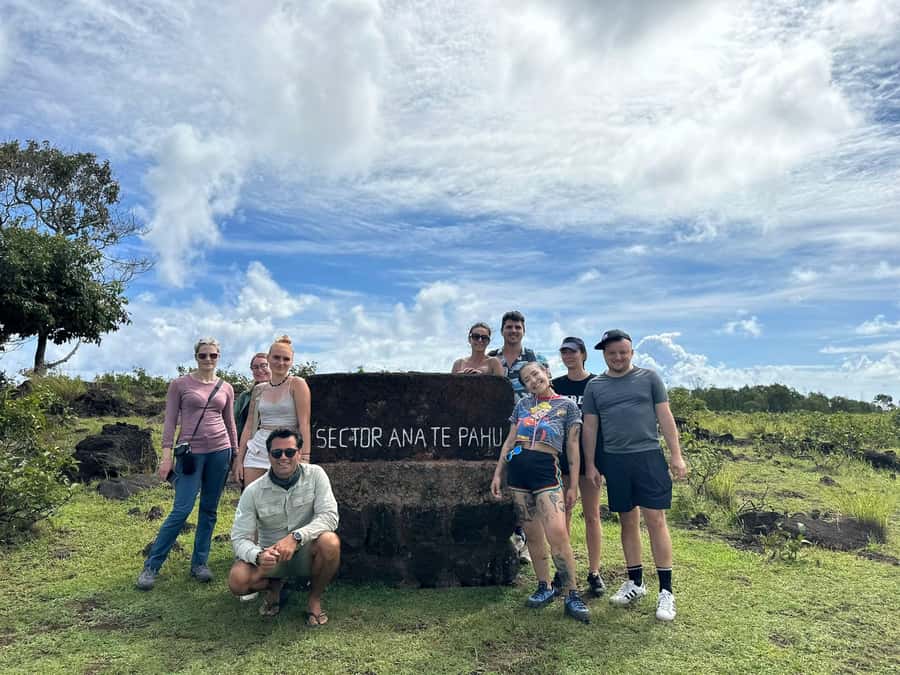
This experience gives you more than a quick circuit of famous statues. You get two full days to see the principal sites at a reasonable pace, then a separate morning to watch the light change around Tongariki.
That structure matters on Rapa Nui. The island’s appeal is not only the size or number of the Moai. It is the setting: volcanic slopes, open grassland, stone ceremonial platforms, and a sense of distance from the rest of Chile. A guide can connect those places to legends, rituals, and the story of the island’s ancient society.
You may have a different guide on each day. That can feel less personal than having one escort for the entire program, but it has a useful side. You hear different explanations and theories about subjects where no written record gives a final answer. Alejandro has been praised for a clear, logical approach. David brings a more inventive and sometimes controversial style. Alex has also been singled out for strong knowledge of the island.
The quality of guiding can vary, so keep your expectations sensible. A good guide can turn a statue into part of a story about authority, ceremony, labor, and community. A less engaged guide may function mainly as a driver or escort, particularly on the sunrise outing.
More easter island moai tours in Hanga Roa:
- From Hanga Roa: Rapa Nui Culture Sightseeing Tour
★ 4.6 · 307 reviews - From Hanga Roa: Journey from Orongo to Ana Te Pahu
★ 4.3 · 75 reviews - Rapa Nui Dreams: Experiencie Pack 3 Days
★ 4.7 · 32 reviews
Day one: the first full day among the Moai
The exact order of the stops can change, and starting times are provided after you reserve. Your guide collects you from your accommodation, with pickup and return included. You need to wait in the reception or lobby, since the vehicle does not go to room doors.
The first full day is your chance to get your bearings. Expect a broad introduction to Rapa Nui’s famous archaeological places, with time to look closely at the Moai and understand how they relate to ceremonial platforms and the surrounding terrain.
The value of this first day is context. Without a guide, you can see a line of enormous stone figures and take photographs, but it is harder to grasp what you are looking at. Your guide can explain the island’s legends, ancient practices, and the questions that still surround the construction and movement of the statues.
Wear shoes you can walk in comfortably. The operator asks for a moderate fitness level, comfortable clothing, and sensible footwear. High heels are not allowed, which is hardly a hardship here. Bring water and a snack, too. Food is not included, and although there are places to buy it, a long day is easier when you are prepared.
Rain can arrive, so the supplied ponchos are useful rather than decorative. The weather may change the feel of a site quickly. A gray sky can make the stone statues look severe, while a break in the clouds can bring out the warm tones of the rock.
Day two: more sites, more questions
The second full day gives you time to see beyond the first set of headline stops. You continue through the island’s volcanic terrain and archaeological areas, with your guide explaining how the places fit into Rapa Nui’s wider cultural story.
This is where a two-day program earns its price. A single full-day tour can show you the highlights, but it leaves little room for comparison. With another day, you can ask follow-up questions, notice differences between ceremonial sites, and spend more time thinking about how the Moai were made and placed.
Different guides can be an advantage here. One may focus on historical sequence, another on oral traditions, and another on theories about the island’s rituals. Kirsty, one of the customers who gave feedback on the experience, particularly valued getting several perspectives about matters with no written record. I agree with that logic. On Rapa Nui, uncertainty is part of the subject, and a guide who clearly separates fact, tradition, and theory is worth listening to.
Still, do not assume every guide will offer the same level of detail. The experience has received strong marks overall, but the guiding style is not uniform. Alex is known for explaining the island with confidence. Alejandro has been described as organized and logical. David may offer more unusual interpretations. Ariki’s role on the sunrise day has sometimes been more about transport than explanation.
The second day may also involve practical delays caused by group pickups. One account described the vehicle making several circles while collecting people. That can happen when a shared vehicle serves several accommodations, so private or small-group arrangements may be worth considering if you dislike uncertain transfers.
Ahu Tongariki at sunrise
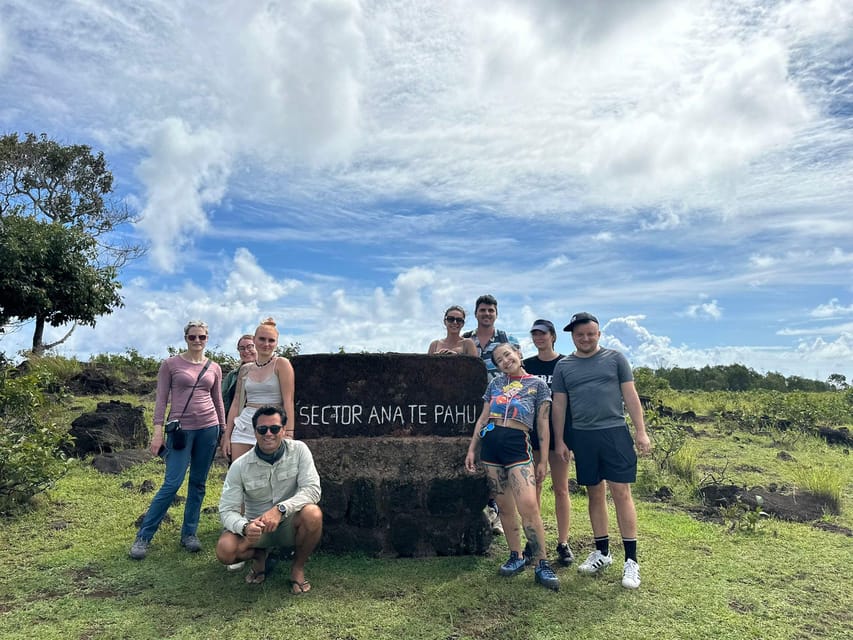
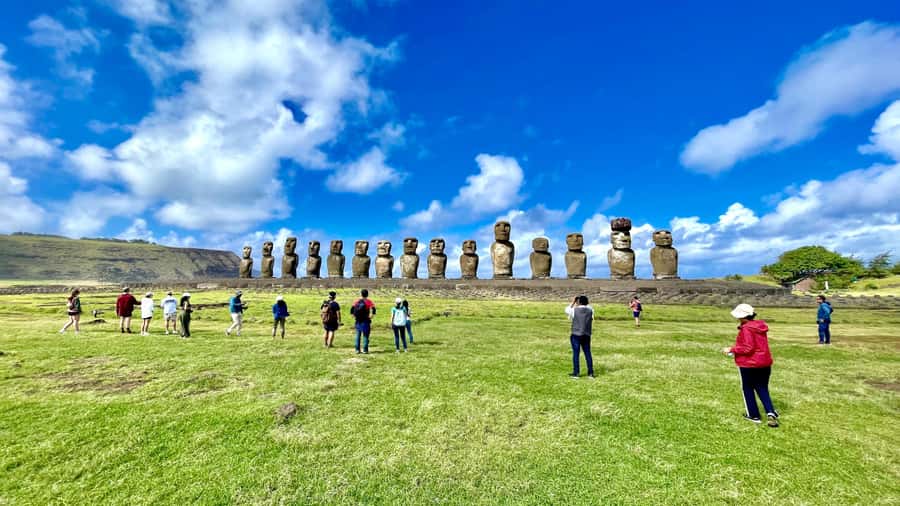
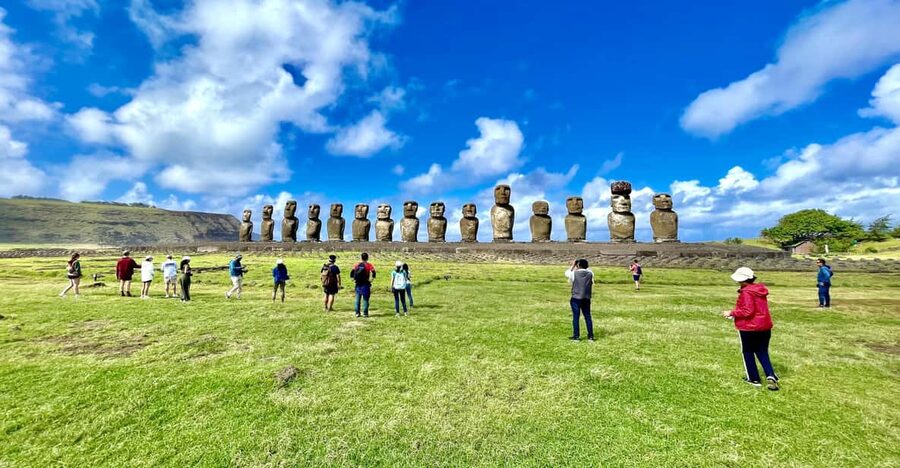
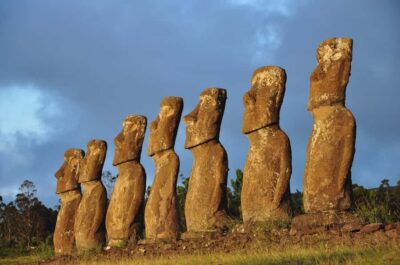
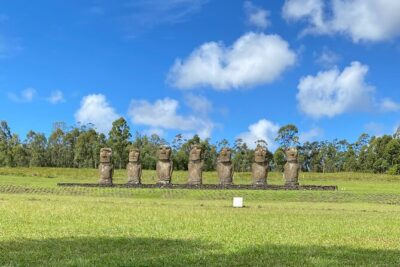
Tongariki is the signature moment of the program. Ahu Tongariki is home to one of Rapa Nui’s most famous rows of Moai, and seeing the statues in early light gives the site a different mood from a daytime visit.
Sunrise trips require more than setting an alarm. You must be in the lobby at the stated pickup time, ready to leave. The operator does not knock at your door, and the vehicle cannot wait for late arrivals without affecting everyone else.
Here is the practical issue: confirm the schedule carefully. A recent arrangement involved pickup at about 6 a.m., while sunrise was near 8 a.m. The group then needed to return for a full-day tour beginning around 9 a.m. That leaves little room if your main aim is to watch the entire sunrise unfold.
Ask three questions before the outing:
- What time will pickup occur?
- What time is the group expected to arrive at Tongariki?
- How long will you stay after the sun appears?
The answers matter more than the label sunrise tour. You may reach the site well before the sun comes up, or you may arrive close to the key moment. You also want to know where the guide plans to position the group. One person found only afterward that another viewpoint may have offered a better view, so asking about the preferred vantage point in advance is sensible.
When the timing works, this should be the emotional high point of the three-day plan. The Moai are already powerful, but early morning adds silence, changing color, and a stronger sense of place. The supplied feedback describes the sunrise as beautiful, and that assessment fits the setting without needing much decoration.
Do not expect a long, leisurely dawn unless the schedule confirms it. The outing may be designed to get you back for another tour, and the guide may focus on transport rather than interpretation. If Tongariki sunrise is the main reason you are booking, consider asking whether a private or small-group version gives you more time.
A few more Hanga Roa trips to weigh up
- Sunrise Tongariki: Sunrise at Tongariki Park Private Tour
★ 4.5 · 47 reviews - Atacama: San Pedro de Atacama Sunrise Hot Air Balloon Ride
★ 4.7 · 76 reviews - Tongariki Sunrise: Half Day Private Tour
★ 3.8 · 9 reviews - Geysers del Tatio: Sunrise and breakfast in Atacama
★ 4.4 · 5 reviews
What the guides add
Rapa Nui is a place where the guide matters. The sites are visually striking, but their meaning is not always obvious. A certified local guide can explain the names, legends, rituals, and archaeological questions that turn a sightseeing drive into a cultural visit.
The strongest guiding feedback centers on clear information and genuine interest in the subject. Alex has been praised for his grasp of the island. Alejandro has been described as logical and informative. David offers a different kind of experience, with explanations that can be inventive and occasionally controversial. That mix may suit you if you enjoy comparing ideas rather than receiving one fixed version of events.
You may have three different guides across the three outings. I see that as a benefit for curious visitors, but a drawback for anyone seeking continuity. If you have a question on the first day, make a note of it and ask again later. Different guides may answer it in different ways.
The sunrise guide deserves separate attention. The person assigned to that morning may be primarily responsible for getting you to Tongariki and back. Do not book this expecting a full history talk unless that has been confirmed. The two full-day outings are where the guide service appears to provide the most substance.
Price, park fees, and the real value
The listed price is $250 per person for the three-day program. That includes two full-day excursions, the Tongariki sunrise visit, certified local guides, pickup and drop-off, rain ponchos, and support before and after the booking.
The National Park entrance ticket is not included. You must have it before the first outing. The stated cost is 20,000 Chilean pesos for Chilean nationals and 72,000 Chilean pesos for foreign nationals. You can buy the ticket at the Ma’u Henua offices or through the Rapa Nui National Park website.
Food is also separate. You can buy meals or snacks at points along the route, but the safest plan is to carry water and something to eat. The price looks less attractive if you assume meals and admission are covered, so add both costs before comparing it with another option.
I think the value is strongest for a first visit when you want the island’s major places explained without arranging several separate tours. Hotel transport removes some planning work, and the local support can help with questions about other activities and viewpoints during your stay.
The value is weaker if you only want a short sunrise transfer or if you already have a rental vehicle and a good understanding of the sites. It is also less appealing if you need every minute to run to a fixed schedule. Shared pickups can take time, and the sunrise outing may be compressed by the next tour.
Who should book this experience
I would recommend this program to a first-time visitor who wants broad coverage, local explanation, and a simple three-day structure. It suits people who like cultural context but do not want to arrange every transfer themselves.
It is also a good fit if you appreciate hearing more than one interpretation. Rapa Nui’s past includes questions and oral traditions, and several guides can give you a fuller sense of those open points.
You should be comfortable with long days, early starts, walking in outdoor conditions, and carrying your own snacks. A moderate fitness level is required. Comfortable shoes and clothing are essential.
I would be more cautious if you have limited time or if the Tongariki sunrise is your single priority. In that case, ask for the exact arrival and departure times, the planned viewpoint, and whether you can remain at the site through the full sunrise.
Booking details worth handling early
You can cancel up to 24 hours before the activity for a full refund, and you can reserve now while paying later. Starting times depend on availability, so check them before committing to other plans.
The operator sends instructions the day before your first activity. Read them closely, especially the pickup time and meeting point. Be in the accommodation lobby or reception on time. A late arrival can affect the entire group because the vehicle will not wait.
English, Spanish, and French are available. Private and small-group formats can be arranged, which may help if you want fewer pickup delays or more time at Tongariki. Availability will determine what is offered.
Final verdict: a strong island introduction with one sunrise question
I would book this tour for a well-rounded first look at Rapa Nui, especially if you value local guides and do not want to manage transport between major sites. The two full days offer the strongest value, with famous Moai sites, volcanic scenery, and several guide viewpoints packed into a practical plan.
I would not book it without confirming the sunrise schedule. If the operator guarantees enough time at Ahu Tongariki and explains the viewing point, the third morning can be memorable. If the outing is mainly a quick ride there and back before a 9 a.m. tour, treat it as a transfer with a sunrise stop rather than a leisurely dawn experience.
FAQ
How long does the experience last?
The program lasts three days: two full-day tours followed by a sunrise visit to Ahu Tongariki.
Is the National Park entrance ticket included?
No. You must have the ticket before the first activity. The stated price is 20,000 Chilean pesos for Chilean nationals and 72,000 Chilean pesos for foreign nationals.
Where can I buy the National Park ticket?
You can buy it in person at the Ma’u Heuna offices or through the Rapa Nui National Park ticket website provided by the operator.
Is food included?
No. Food is not included, although there are points where you can buy it. Bring drinks and snacks for the full-day outings.
Which languages are available?
Guiding is available in English, Spanish, and French.
Does pickup and drop-off come with the tour?
Yes. Pickup and return to your accommodation are included. You must wait in the reception or lobby because the driver does not enter rooms to knock.
What should I bring?
Bring comfortable shoes, comfortable clothing, and a towel. Water and snacks are also sensible because food is not included. High-heeled shoes are not allowed.
More 2-Day Experiences in Hanga Roa
- From Hanga Roa: Easter Island Highlights 2-Day Tour
★ 4.3 · 205 reviews - Santiago: 2-Day Hop-On Hop-Off Bus Ticket and Cable Car
★ 4.3 · 162 reviews - 2 Days in Patagonia. Torres del Paine and Balmaceda and Serrano Glacier.
★ 4.1 · 4 reviews
More Full-Day in Hanga Roa
- Easter Island: Full-Day Tour to Anakena
★ 4.7 · 27 reviews - Hanga Roa: Full Day Moai and Mistery
★ 4.4 · 22 reviews - Small-Group Cajón del Maipo Full-Day Tour and Picnic
★ 4.5 · 2,277 reviews - Piedras Rojas, Altiplanics Lagoons & Salar Full-Day Tour
★ 4.7 · 592 reviews
Just added around Hanga Roa
- Volcanic Refuges: Excursion to Underground Civilization★ 4.7 · 8 reviews
- Sunrise Tongariki: Sunrise at Tongariki Park Private Tour★ 4.5 · 47 reviews
- Rapa Nui: Polynesian Massage★ 4.8 · 5 reviews
- Rapa Nui Highlights Program: 3 incredible tours to discover!★ 4.8 · 18 reviews
- Rapa Nui: 3 Excursions with Hotel Transfers★ 4.3 · 6 reviews
- Ahu Vinapu, Rano Kao and Orongo City Half-Day Tour★ 4.6 · 20 reviews
- Hanga Roa: Full Day Moai and Mistery★ 4.4 · 22 reviews
- Easter Island: Tropical Diving★ 4.8 · 13 reviews
Easter Island Moai Tours, compared.

Adventures in Rapa Nui: High-quality tourism with Easter Island Your Tour.
Read our review →
Private Tour: The Underground World of Rapa Nui Caves
Read our review →
Ahu Vinapu, Rano Kao and Orongo City Half-Day Tour
Read our review →Browse the lists this tour appears in