
Reviewed · EASTER ISLAND MOAI TOURS
Adventures in Rapa Nui: High-quality tourism with Easter Island Your Tour.
Rapa Nui is best understood on the ground, site by site, with someone who can explain why a toppled moai matters as much as a standing one. This private tour takes you from your hotel to the island’s major ceremonial sites, including Rano Raraku, the volcanic quarry where many moai were carved, and Ahu Tongariki, the island’s great row of restored statues.
I like the personal attention and the chance to adjust the day to your interests. I also like that guides such as Eric speak clear English and can add extra stops or change the pace when needed. The main consideration is cost: at $200 per person, plus the separate national park ticket, this is not the cheapest way to see Rapa Nui.
In This Review
- Key points
- A Private Start from Your Easter Island Hotel
- Rapa Nui National Park and the Rules That Protect It
- Ahu Akahanga and the Moai Left on the Ground
- Rano Raraku, the Quarry That Explains the Moai
- Ahu Tongariki and Rapa Nui’s Most Famous View
- Te Pito Kura and a Different Kind of Sacred Site
- Anakena, Palm Trees, and the Island’s Coastal Finish
- What the $200 Price Really Buys You
- Eric’s Flexible Guiding Style
- Practical Preparation for Six and a Half Hours Outside
- Who Should Book This Rapa Nui Tour?
- Should You Book It?
- FAQ
- Where does the tour start and finish?
- How long does the experience last?
- Which sites are included?
- Is the tour private?
- Is the guide available in English?
- Is the national park ticket included?
- What should I bring?
- Can I cancel or pay later?
Key points
- Private hotel pickup: Begin and end at your accommodation, with a professional driver and a comfortable air-conditioned vehicle.
- A full circuit of major sites: Visit Akahanga, Rano Raraku, Ahu Tongariki, Te Pito Kura, and Anakena in about 390 minutes.
- Guides from Rapa Nui: Your guide brings local knowledge of the island’s history, culture, and sacred places.
- A flexible day: The private format allows changes based on your interests, pace, and what you have already seen.
- English and Spanish support: Live guiding is available in both languages.
- Extra cost to plan for: The Mau Henua park ticket is not included and costs about 20,000 to 80,000 CLP, subject to change.
A Private Start from Your Easter Island Hotel
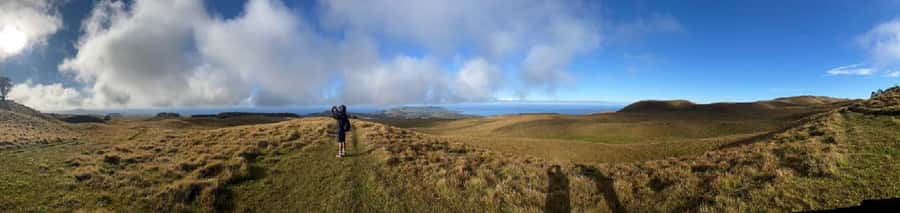
The day begins with pickup at your hotel or other accommodation on Easter Island. That simple arrangement matters here. You do not need to find a meeting point or arrange a taxi before sunrise, and the day can begin with your own group rather than a large coach.
The first vehicle transfer takes about 45 minutes. You travel in a comfortable, air-conditioned vehicle with a sound system, accompanied by a professional driver and a certified guide. First aid and emergency equipment are included, and the operator provides support in English and Spanish.
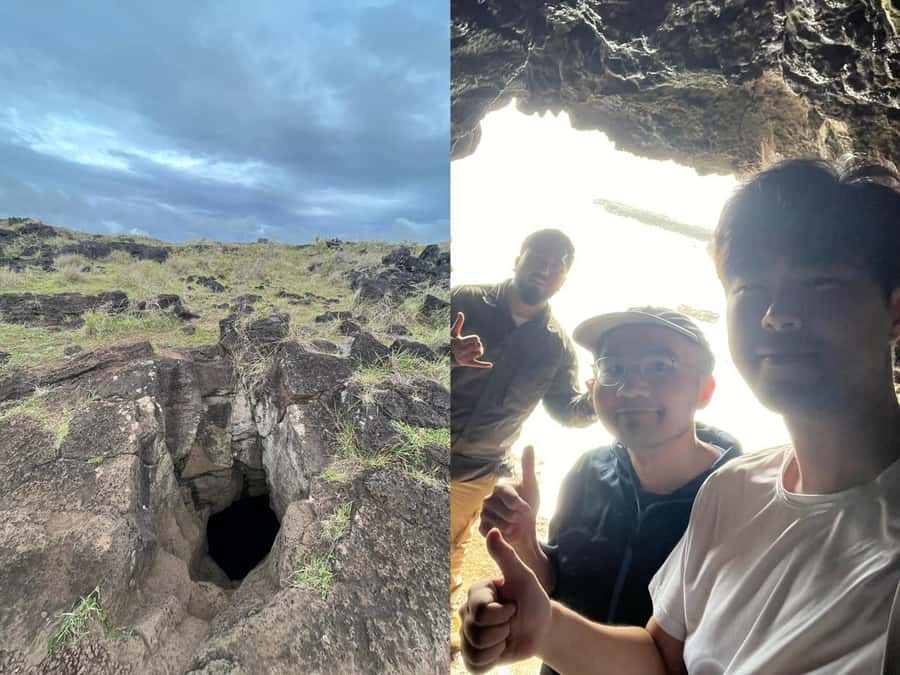
The private format is the main reason to choose this outing. If you want extra time at a moai site, need a slower walking pace, or have already visited the usual stops, the guide can adjust the plan. Eric, one of the named guides, is particularly associated with this flexible approach. One visitor who had already seen many of the main sites was taken to caves along the west coast instead.
That does not mean every request is guaranteed, so you should discuss your priorities when booking. Still, a private vehicle gives you far more room to shape the day than a fixed group schedule.
More easter island moai tours in Easter Island:
- From Hanga Roa: Rapa Nui Culture Sightseeing Tour
★ 4.6 · 307 reviews - From Hanga Roa: Journey from Orongo to Ana Te Pahu
★ 4.3 · 75 reviews - Rapa Nui Stargazing
★ 4.5 · 62 reviews
Rapa Nui National Park and the Rules That Protect It
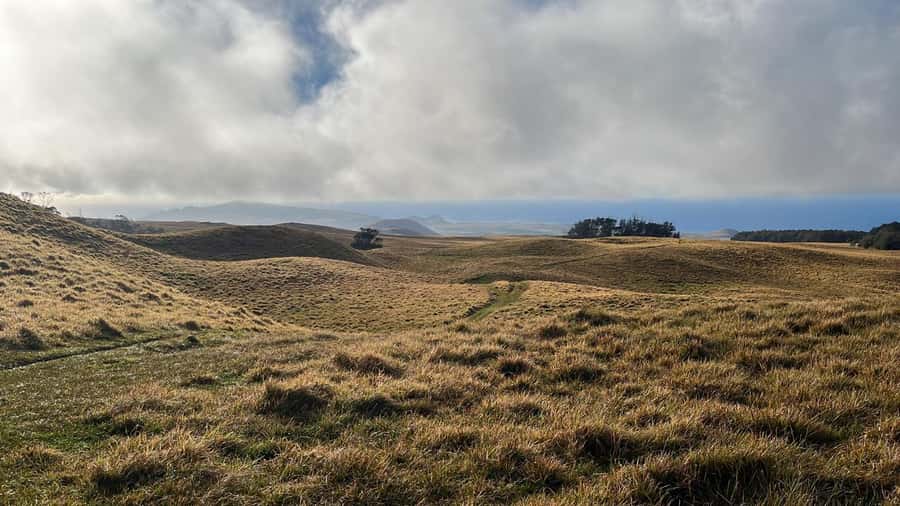
Much of the day takes place within Rapa Nui National Park, where the moai and ceremonial platforms are protected cultural sites. Your park ticket is not included. You can buy it online or at the Mau Henua office, with the listed price ranging from approximately 20,000 to 80,000 CLP depending on current rules and ticket type.
Bring your passport or ID card, since it may be needed for park access. You should also follow the guide’s instructions closely. Rapa Nui is not an open-air sculpture park where you can climb on the statues or wander anywhere you like. Respect for the stones, platforms, burial areas, and local customs is part of the experience.
The tour provider also places emphasis on protecting the environment and respecting Rapa Nui traditions. That shows up in practical ways: no littering, no alcohol or drugs, and no alcoholic drinks inside the vehicle. Bring biodegradable sunscreen and insect repellent if you use them.
Ahu Akahanga and the Moai Left on the Ground
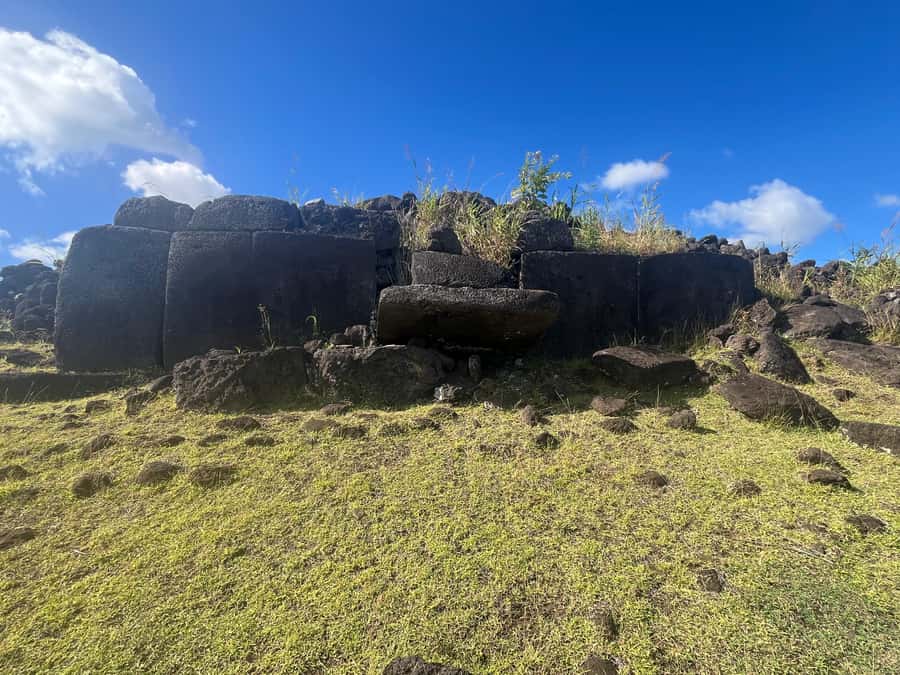
Ahu Akahanga gives you an early lesson in how to read Rapa Nui. An ahu is a ceremonial platform, and the moai here are not arranged in the polished, restored row you may have seen in photographs. Several statues lie fallen, offering a more stark view of the island’s past.
Your guide can help explain what you are seeing rather than reducing the stop to a quick photo. Fallen statues, damaged platforms, and unfinished forms raise questions about the changes that affected Rapa Nui over time. The site feels less formal than Tongariki, which makes it a useful contrast early in the day.
Wear sturdy shoes. The tour involves outdoor walking, and comfortable shoes or hiking shoes are specifically recommended. Long pants and clothes that can get dirty are sensible choices, especially if the ground is dusty or uneven.
Rano Raraku, the Quarry That Explains the Moai
Rano Raraku is the stop that gives the island’s moai their proper setting. Here, carved figures remain in and around the volcanic slopes, including statues that never reached their final platforms. You see the work in progress, not only the finished monuments.
This is where a good guide earns the fee. Without explanation, a row of stone figures can become a series of similar photographs. With context, you can begin to notice the unfinished bodies, the scale of the carvings, and the difficult task of moving them across the island.
The walk may be more demanding than at some of the other stops. Bring water, a hat, sunscreen, and shoes with a firm sole. A windbreaker is useful because weather can change, and the operator specifically recommends one depending on the conditions that day.
You should also keep the schedule in mind. Rano Raraku deserves time, yet this is one stop in a long circuit. Tell your guide if the quarry is your main interest so the pace can reflect that.
Same long country, a very different day out:
- From Hanga Roa: Easter Island Highlights 2-Day Tour
★ 4.3 · 205 reviews - From Hanga Roa: Easter Island Sightseeing Full Day Tour
★ 4.5 · 189 reviews - Full day tour – DREAM
★ 5.0 · 86 reviews - Two days of Full Day Tour of Rapa Nui + Sunrise in Tongariki
★ 4.8 · 55 reviews
Ahu Tongariki and Rapa Nui’s Most Famous View
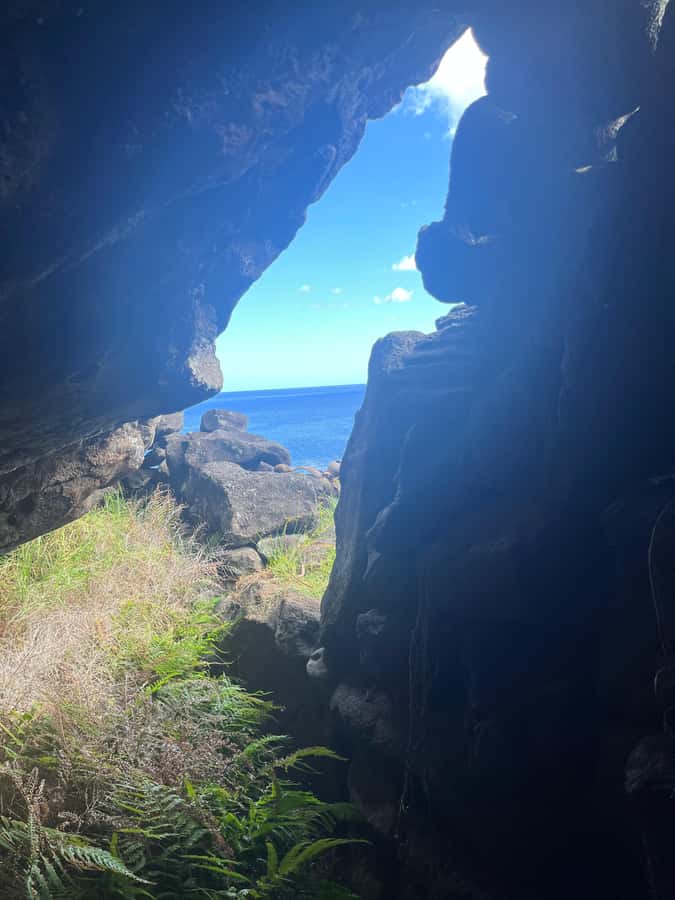
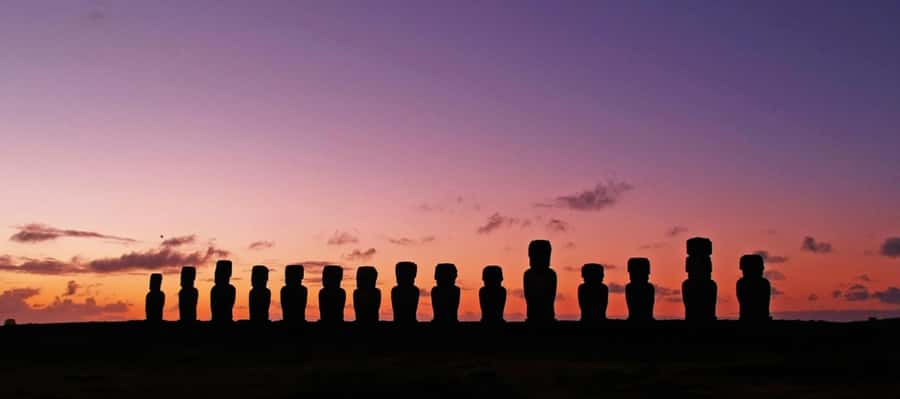
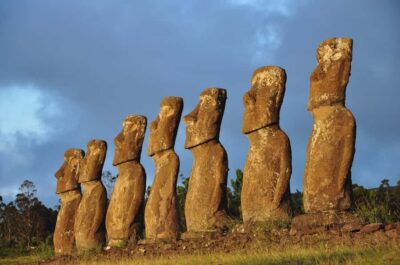
Ahu Tongariki is the grand visual moment of the day. Fifteen moai line the restored ceremonial platform, facing inland across the open ground. The scale is hard to grasp in a photograph, and the long row gives you a clear sense of the planning and labor behind the monument.
This is a good place to slow down and look beyond the statues themselves. Notice the platform, the spacing, the different sizes, and the way the figures relate to the surrounding land. Your guide can connect the site to the wider story of Rapa Nui rather than treating it as a single postcard view.
Because Tongariki is one of the island’s best-known sites, it may be the place where you most want flexibility. A private group can usually spend more time photographing, listening, or simply taking in the view than a large group tied to a strict timetable. The tour still has a fixed length of 390 minutes, so your guide will need to balance this stop with the rest.
Te Pito Kura and a Different Kind of Sacred Site
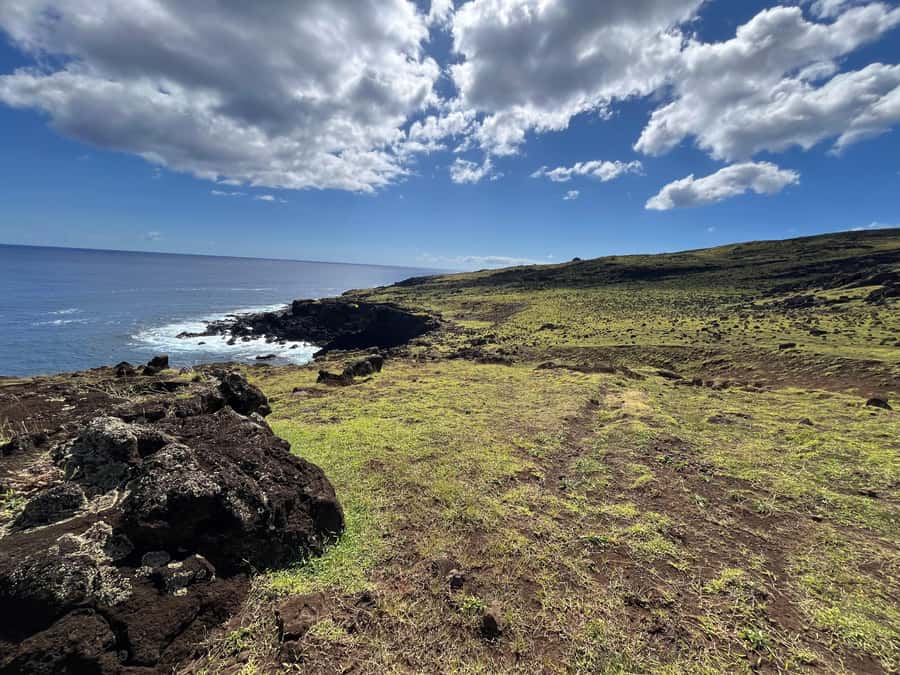
Ahu Te Pito Kura adds another layer to the route. It is associated with one of the largest moai ever transported to an ahu, although the statue now lies fallen. The stop helps you compare ambition and scale with the more intact arrangement at Tongariki.
This is also a place where the meaning of sacred objects matters. Your guide can explain the cultural importance of the site and help you understand why certain stones or ceremonial areas should be treated with care. Do not touch or climb on protected features, and follow marked access rules.
The visit is relatively brief compared with the quarry, but it is worthwhile because it prevents the day from becoming a parade of identical standing statues. Rapa Nui’s story is also told through incomplete, fallen, and altered monuments.
Anakena, Palm Trees, and the Island’s Coastal Finish
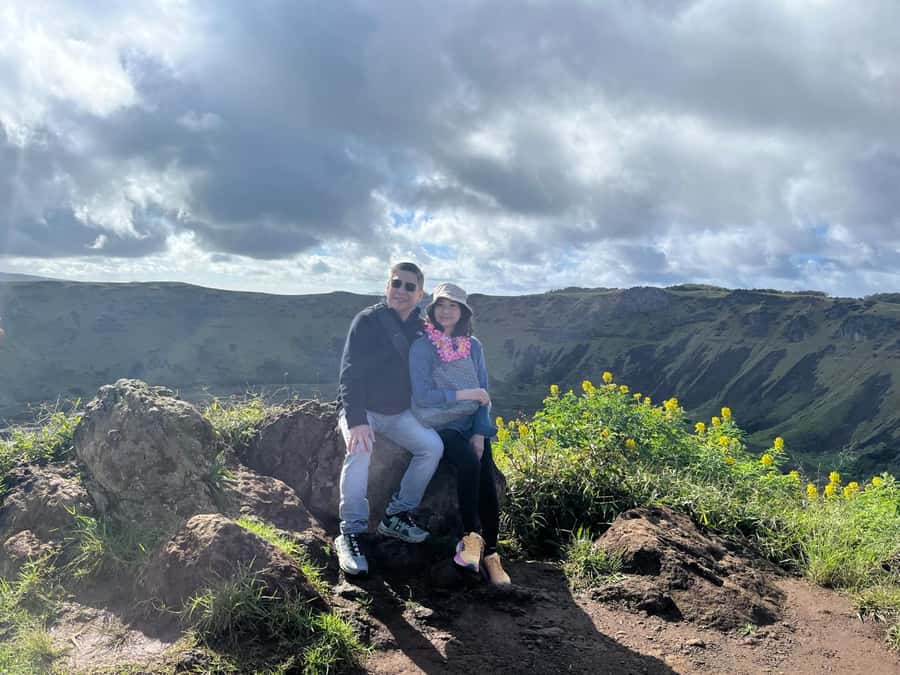
Anakena brings a change of mood. After the inland quarries and ceremonial platforms, you reach a coastal setting associated with a broad sandy beach and palms. The site combines archaeology and time outdoors, making it a pleasant final stop.
Ahu Nau Nau is located at Anakena, though the supplied route simply lists Anakena as the guided visit. Your guide will direct you through the relevant cultural areas and explain what you are seeing. The stop is also a chance to rest and enjoy the coast before returning to Easter Island.
Do not assume that a meal is included. The operator can help arrange meal reservations at selected establishments, but meals themselves are not listed among the included services. Carry water for the day, and ask about food plans before departure if you do not want to lose time finding lunch.
Water activities are not described as part of this specific route. Lifeguards are listed among the operator’s services for water activities, but you should not read that as a promise of swimming or beach supervision during this tour.
What the $200 Price Really Buys You
At $200 per person, this experience asks for a premium over a large group bus tour. The value is not simply transport between monuments. You are paying for a private group, hotel pickup, a certified bilingual guide, a professional driver, an air-conditioned vehicle, custom itinerary planning, and a day that can respond to your interests.
That matters most on an island where the sites are spread out and your time may be limited. A guide who can explain the difference between Akahanga and Tongariki, or tell you why Rano Raraku is more than a photo stop, adds real value.
The price is less attractive if you are traveling alone on a tight budget or only want basic transportation. You must also add the national park ticket, which is not included and is listed at approximately 20,000 to 80,000 CLP. Food is not included either.
For two or more people, the private setup becomes easier to justify. You share the cost while keeping the benefits of a small group. It is also a strong choice if English service matters, since the tour operates in English and Spanish and Eric is specifically praised for clear English and detailed answers.
Eric’s Flexible Guiding Style
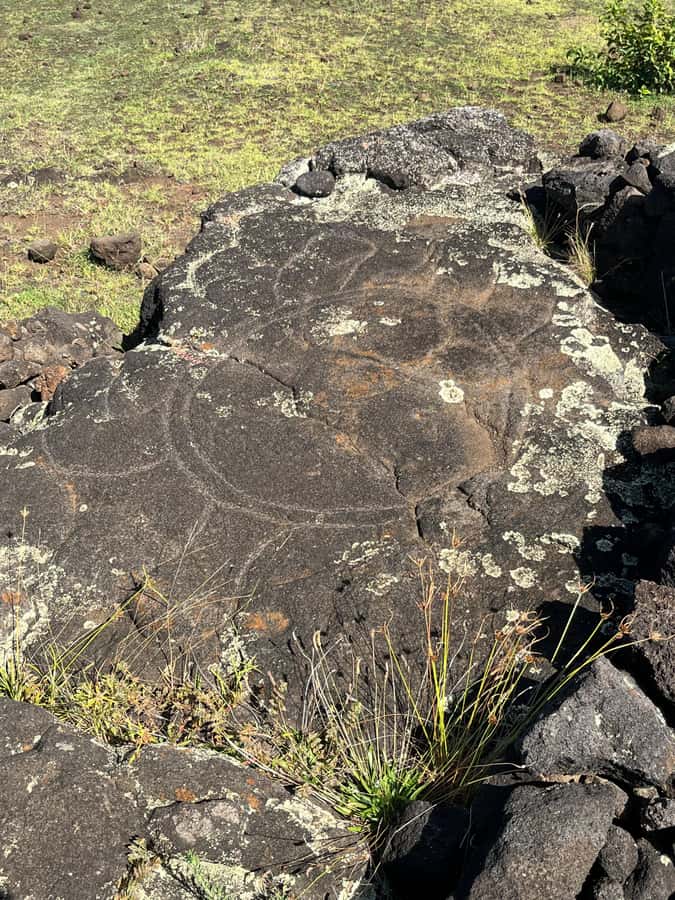
The strongest feature of this experience is the guide rather than the vehicle. Eric is named in several bookings, and his role goes beyond reciting dates. He adjusts the day to your interests, answers questions, and can change the plan when you have already visited the standard highlights.
That flexibility is especially useful if you are staying several days on Rapa Nui. You might use this tour for the main circuit on your first full day, then ask for a more specific focus later. The supplied information also notes that custom itineraries can be planned, so tell the operator what you have already seen.
The tone is personal. Eric has been described as friendly and willing to spend time in conversation, which can make a long driving day feel less mechanical. Still, guide quality can vary if another guide is assigned, so confirm the language and guide details when you book.
Practical Preparation for Six and a Half Hours Outside
Pack lightly, but pack for changing conditions. Your essential kit should include:
- Water
- Hiking or trekking shoes
- A hat
- Sunscreen, preferably biodegradable
- A windbreaker
- Comfortable clothes
- Long pants
- Clothing that can get dirty
- Personal medication
- Biodegradable insect repellent
- Your passport or ID card
The route includes walking at outdoor archaeological sites, so sandals or smooth-soled fashion shoes are poor choices. The operator lists wheelchair accessibility, but individual paths at historic sites can vary. If you use a wheelchair, discuss the exact stops and access needs before booking rather than assuming every trail is fully smooth.
The tour lasts 390 minutes, or about six and a half hours. That is enough time for a substantial island circuit, but not enough to linger endlessly at every location. If your priority is photography, archaeology, caves, or the coast, say so at the start.
Who Should Book This Rapa Nui Tour?
I would choose this tour if you value personal attention, want a bilingual guide, or have limited time on Easter Island. It also suits couples, families, and private groups who would rather set their own pace than follow a large coach.
It is a particularly good match for repeat visitors. Eric has already adapted a day for someone who had seen most of the standard sites, replacing them with caves on the west coast. That kind of adjustment is hard to get from a fixed group excursion.
You may want another option if the $200 price is too high, if you prefer to explore entirely on your own, or if you want a tour focused only on one area. The separate park entrance fee and the lack of included meals also raise the total cost.
Free cancellation is available up to 24 hours before the experience, and you can reserve now and pay later. Those terms help if your island schedule is still changing, but they do not remove the need to secure your park access and prepare for the day.
Should You Book It?
Book this tour if you want the major Rapa Nui sites explained by a local guide, with hotel pickup and the freedom to adjust the route. The combination of Eric’s flexible style, clear English, private transport, and strong attention to cultural respect gives the day a personal feel.
Skip it if your main goal is the lowest possible price or if you only need a ride between monuments. For most visitors with one important sightseeing day on Easter Island, however, the private format makes the $200 cost easier to defend, especially when shared with another person and planned around your interests.
FAQ
Where does the tour start and finish?
Pickup is provided at your hotel or other accommodation on Easter Island. The tour returns to Easter Island at the end of the day.
How long does the experience last?
The stated duration is 390 minutes, which is about six and a half hours. Starting times depend on availability.
Which sites are included?
The route includes Rapa Nui National Park, Ahu Akahanga, Rano Raraku, Ahu Tongariki, Ahu Te Pito Kura, and Anakena.
Is the tour private?
Yes. This is a private group experience, so the itinerary can be planned around your interests and adjusted to your pace.
Is the guide available in English?
Yes. Live guiding is available in English and Spanish. Eric is one of the guides associated with the experience.
Is the national park ticket included?
No. Park entrance tickets must be purchased separately online or at the Mau Henua office. The approximate listed cost is 20,000 to 80,000 CLP, subject to change.
What should I bring?
Bring your passport or ID card, comfortable or hiking shoes, a hat, sunscreen, water, comfortable clothes, long pants, personal medication, and a windbreaker. Clothes that can get dirty and biodegradable insect repellent are also recommended.
Can I cancel or pay later?
You can cancel up to 24 hours in advance for a full refund. The reserve-now, pay-later option lets you book without paying on the day of reservation.
Just added around Easter Island
- Volcanic Refuges: Excursion to Underground Civilization★ 4.7 · 8 reviews
- Ride to the highest point on the island for sunset★ 5.0 · 40 reviews
- Half Day Tour in Rapa Nui★ 5.0 · 48 reviews
- Tongariki Sunrise: Half Day Private Tour★ 3.8 · 9 reviews
- Easter Island: Private Full Day History Of The Moai★ 4.6 · 12 reviews
- Terevaka Horse Excursion: The highest point and 360° view.★ 4.7 · 38 reviews
- Sunrise Tongariki: Sunrise at Tongariki Park Private Tour★ 4.5 · 47 reviews
- Rapa Nui: Polynesian Massage★ 4.8 · 5 reviews
Easter Island Moai Tours, compared.

Two days of Full Day Tour of Rapa Nui + Sunrise in Tongariki
Read our review →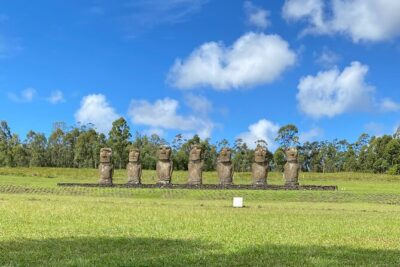
Private Tour: The Underground World of Rapa Nui Caves
Read our review →
Ahu Vinapu, Rano Kao and Orongo City Half-Day Tour
Read our review →Browse the lists this tour appears in