
Reviewed · EASTER ISLAND TOURS
Full day tour – DREAM
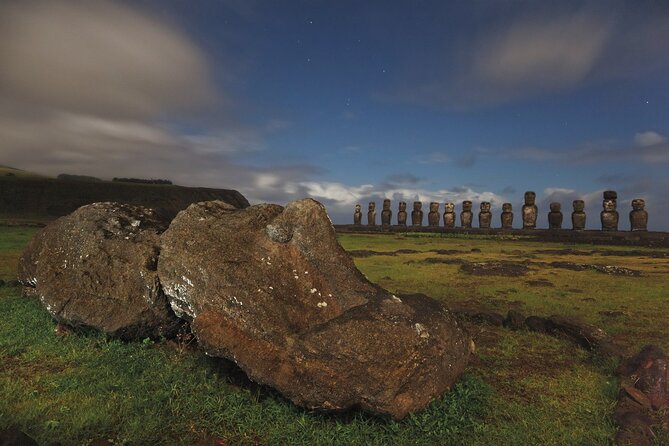
Easter Island’s greatest sights are spread across the island, and this tour connects them in one long, useful day. You’ll see the fallen moai at Ahu Vaihu and Ahu Akahanga, the unfinished statues of Rano Raraku, the grand line at Ahu Tongariki, and the beach at Anakena. Rano Raraku and Tongariki are the day’s big moments.
I like the planned route, which gives you time at the sites instead of racing through them. I also like the guides’ strong cultural storytelling, especially when guides such as Esteban explain both ancient Rapa Nui customs and modern island life. The main drawback is uneven operation: some departures have run much shorter than the advertised eight to nine hours or have skipped listed stops.
In This Review
- Key points before you book
- Why this full-day Rapa Nui route is useful
- Ahu Vaihu and Ahu Akahanga: fallen moai and village remains
- Rano Raraku: two hours at the moai factory
- Ahu Tongariki: the island’s grandest platform
- Te Pito Kura: the magnetic stone and longest moai
- Ahu Nau Nau and Anakena Beach: statues beside a royal story
- Guides, explanations, and the value of local context
- Transport, group size, and the rhythm of the day
- Price, park fees, and what you really pay
- What to pack for this particular route
- Who should book the DREAM full-day tour?
- Final call: is this Easter Island tour worth it?
- FAQ
- How long does the DREAM tour last?
- Where does the tour start?
- Where does the tour end?
- What sites are included in the route?
- Is the National Park ticket included?
- Where can I buy the National Park ticket?
- Is lunch included?
- How many people can join the tour?
- What level of fitness is needed?
- Can I cancel the tour?
Key points before you book
- Seven major stops: The route covers Vaihu, Akahanga, Rano Raraku, Tongariki, Te Pito Kura, Nau Nau, and Anakena.
- Rano Raraku gets two hours: This is enough time to walk among the unfinished moai and take photographs.
- Ahu Tongariki also gets two hours: You have time to appreciate all 15 upright moai rather than making a quick roadside stop.
- The National Park ticket is extra: Foreign visitors pay $80 per person, while Chileans pay CLP20,000.
- Lunch is not included: Carry food and drinks, or be ready for a late meal at Anakena.
- Group size can reach 15: Smaller groups may operate, but you should confirm the day’s arrangements.
Why this full-day Rapa Nui route is useful
A first visit to Easter Island can feel scattered. The famous archaeological sites are not all near Hanga Roa, and public transport is not a practical way to connect them in one day. This outing handles the long transfers and places the island’s most important moai sites into one schedule.
The tour starts at 9:30 a.m. at the Catholic Church of Tu’u Koihu in Hanga Roa and returns there at the end. Information is sent by WhatsApp the day before, which is helpful for confirming the meeting details and any last-minute instructions.
The advertised duration is eight to nine hours. In normal conditions, that makes sense for a route with seven stops, long drives, walks, photographs, and explanations. The day can also feel closer to seven hours depending on traffic, group size, and how efficiently the sites are visited.
That variation matters. One departure began late after a long wait for other passengers and ended after about five hours. Another holiday departure was shortened because the National Park closed early, although the operator said all scheduled archaeological sites were still covered more efficiently in a smaller group. I would confirm the exact departure plan the day before, especially around Christmas Eve, public holidays, or other dates when park hours may change.
A few more Easter Island trips to weigh up
- From Hanga Roa: Easter Island Sightseeing Full Day Tour
★ 4.5 · 189 reviews - Two days of Full Day Tour of Rapa Nui + Sunrise in Tongariki
★ 4.8 · 55 reviews - Easter Island: Full-Day Tour to Anakena
★ 4.7 · 27 reviews
Ahu Vaihu and Ahu Akahanga: fallen moai and village remains
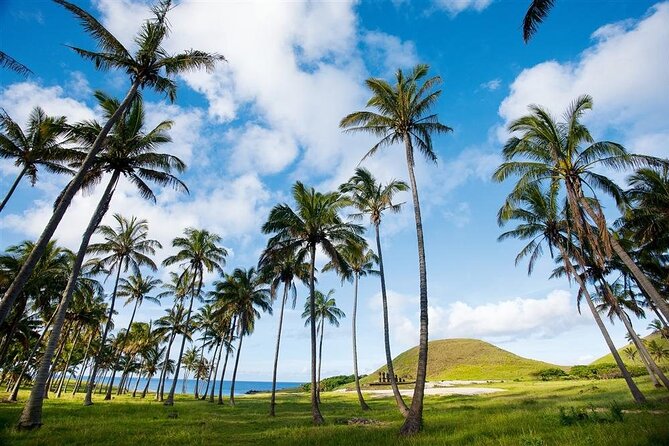
Ahu Vaihu is an excellent first stop because it introduces the scale and mood of Rapa Nui before you reach the island’s headline sites. The platform once held eight moai, and the setting beside an ancestral bay connects the statues with fishing and village life.
You can also see Poko Manu Mea, described as a representative example linked to Rapa Nui villages and customs. The stop lasts about 30 minutes, so expect a focused visit rather than a long walk.
Ahu Akahanga follows with another 30-minute stop. Here you see the remains of an old village near a small bay, along with toppled moai. The site helps you understand that the statues were part of a wider community system, not isolated monuments placed only for dramatic effect.
Admission is listed as included at Vaihu but not included at Akahanga. In practice, your National Park entry ticket is the key requirement for the day, and you must have it before the excursion begins.
Rano Raraku: two hours at the moai factory
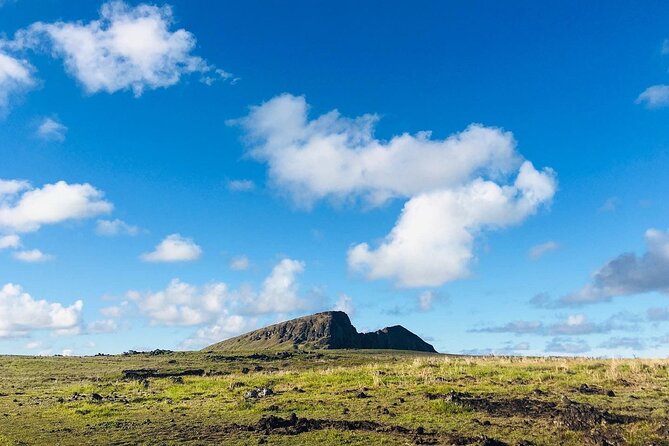
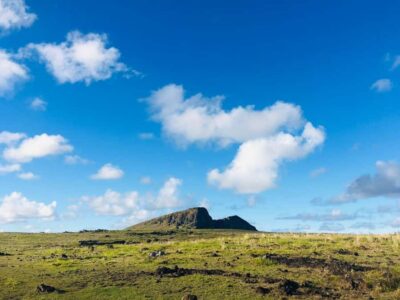
Rano Raraku is the place to slow down. This volcanic crater served as the main carving area for the moai, and roughly 400 unfinished figures remain here. Some are partly buried, some are cut into the slope, and others remain attached to the volcanic stone from which they were being shaped.
The phrase moai factory can sound simple, but the site gives you the clearest sense of the work involved. You see statues in different stages of completion, which makes it easier to picture how the carvers selected stone, shaped the figures, and prepared them for movement to an ahu.
Two hours is a strong allotment. You have time for the main paths, photographs, and a proper explanation without reducing the visit to a few minutes beside the vehicle. Ask your guide to explain how the unfinished figures differ from the completed moai at the coastal platforms. The contrast is one of the most useful parts of the day.
This is also one of the more physical stops. The tour recommends a moderate fitness level, and you should expect walking over uneven ground. Wear secure shoes, carry water, and protect yourself from strong sun.
Ahu Tongariki: the island’s grandest platform
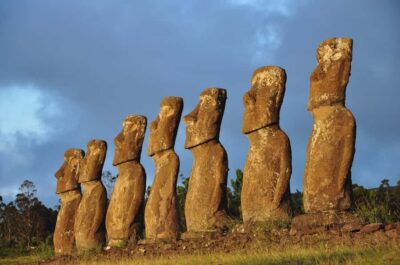
Ahu Tongariki is the visual centerpiece. Fifteen moai stand in a line with their backs to the ocean, forming the largest ahu in Polynesia. The platform is wide and powerful, and the statues vary in height, shape, and condition.
You get about two hours here, which is generous by tour standards. I value that extra time because Tongariki deserves more than a quick photograph from the parking area. You can study the individual figures, step back for the full view, and listen to the guide connect the platform with the wider story of Rapa Nui society.
The site can be especially rewarding for photography. Guides including Esteban have been praised for taking good pictures and allowing enough time for photographs, though you should still ask clearly if you want a group photo or a particular viewpoint.
The tour may arrange the route to reduce crowds by visiting sites in an unusual order. That strategy is useful, but it is not a promise of solitude. Conditions depend on the day, other tour groups, and operating hours.
Same long country, a very different day out:
- From Hanga Roa: Rapa Nui Culture Sightseeing Tour
★ 4.6 · 307 reviews - From Hanga Roa: Easter Island Highlights 2-Day Tour
★ 4.3 · 205 reviews - From Hanga Roa: Journey from Orongo to Ana Te Pahu
★ 4.3 · 75 reviews - Rapa Nui Stargazing
★ 4.5 · 62 reviews
Te Pito Kura: the magnetic stone and longest moai
Ahu Te Pito Kura offers a shorter but distinctive stop of about one hour. The site is associated with the magnetic stone and the longest moai, giving you a different focus from the statue rows at Tongariki or the unfinished figures at Rano Raraku.
This stop is easy to undervalue if you are eager to reach Anakena, but it adds variety. Instead of seeing another large group of standing figures, you get a site tied to unusual physical and cultural details.
There has been at least one departure where Te Pito Kura was not visited, despite being part of the advertised route. That is a serious issue because this is one of the specific sites included in the tour description. If your guide changes the route, ask at once which stop is being replaced and why.
Ahu Nau Nau and Anakena Beach: statues beside a royal story
Ahu Nau Nau sits about 150 meters inland from Anakena Beach. Its seven moai create a fine link between archaeology and the coast. The platform has a more open, beachside setting than Tongariki, so the experience feels less monumental and more connected to the island’s settlement traditions.
The visit lasts about 30 minutes. That is enough to see the platform and hear the main explanation, but it may feel brief if you want a swim, lunch, and photographs in the same stop.
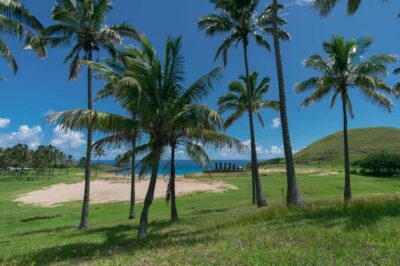
Anakena’s traditional name is Hanga Rau o Te Ariki. The beach is tied to the arrival story of King Hotu Matu’a, an important part of Rapa Nui tradition. The sand and water offer a welcome change after a day of stone platforms and crater paths.
Still, you should understand what you are booking. This is primarily an archaeological and cultural tour, not a beach outing. Swimming may be possible when time and conditions allow, but it is not guaranteed. On some departures, Anakena is used for lunch and free time, and the meal can fall as late as about 3 p.m. Bring snacks if you do not want to wait.
One poorly managed departure placed the beach early in the schedule, rushed the group between sites, and left people waiting while lunch service ran slowly. That experience is not a reason to skip Anakena, but it is a reason to treat the lunch stop as flexible rather than perfectly timed.
Guides, explanations, and the value of local context
The strongest part of this outing is the guide service when the right person is leading the group. Esteban has been praised for clear English, detailed explanations, photography, and his ability to discuss both ancient Rapa Nui culture and modern life on the island. He also explained the meaning of Tapati during the festival period.
Other guides named by customers include Christian, Joaquin, Andres, and Chris. The comments about them point to a friendly, engaging style and strong explanations of the moai. Chris was described as quiet at first but very well informed once the tour developed. Joaquin was praised for connecting stories directly to the places in front of the group.
The guide makes a major difference here. Without context, Rano Raraku is a hillside crowded with stone figures, and Tongariki is a striking row of statues. With a good explanation, you begin to see how carving, ceremony, village life, burial customs, and the sea fit together.
The level of detail may vary by guide. One departure received little explanation during a long wait in a hot van, and another had very limited information at the last moai stop. I would ask questions rather than assume the guide will cover every point automatically.
Transport, group size, and the rhythm of the day
The tour operates with up to 15 people. That is small enough to feel more personal than a large coach, but a full minivan can still feel cramped, especially during long transfers. One departure involved 16 people in a small vehicle, including one passenger seated in the front between the driver and guide. That should not be treated as normal or acceptable planning, but it shows why confirming vehicle and group size is wise.
Smaller groups can improve the day. A six-person departure moved between sites quickly and spent less time on accommodation pick-ups. That can make the tour feel almost semi-private, though it may also shorten the overall day because there are fewer people to gather and fewer questions to answer.
The meeting point is the Catholic Church of Tu’u Koihu in Hanga Roa. Pick-up details can vary, so watch for the WhatsApp message sent the day before. If you are staying at a hotel and expect a pick-up, confirm that directly rather than assuming it is included.
The walking is moderate, not extreme, but Rano Raraku requires the most effort. You should be comfortable walking outside for several hours, standing in sun, and moving over uneven paths.
Price, park fees, and what you really pay
The tour costs $120 per person. That price is reasonable for a full day of transport, guiding, and access to the major sites, but the separate National Park fee changes the calculation.
Foreign visitors pay an additional $80, bringing the basic total to about $200 per person before lunch and drinks. Chilean visitors pay CLP20,000 for the park ticket instead. Since the ticket is required before the first day of the excursion, buy it in advance through the Ma’u Henua offices or the official Rapa Nui National Park ticket link.
At $200 plus food, this is best value for someone with limited time who wants one organized day covering the island’s essential archaeological sites. It is less attractive if you have several days, prefer to move slowly, or can arrange a private vehicle at a similar total price.
Pricing can also vary across booking channels or dates. A group once found that different people had paid markedly different amounts for what appeared to be the same outing. I would compare the final price carefully before paying, including the park fee, and save the exact list of promised stops.
What to pack for this particular route
Bring lunch or substantial snacks. Food is not included, and the meal opportunity at Anakena can be late or slowed by restaurant service.
Pack plenty of water, sun protection, a hat, and comfortable walking shoes. A swimsuit is useful if swimming is offered at Anakena, but do not plan the whole day around beach time.
Keep your National Park ticket ready before departure. Also carry your phone, since route information is sent through WhatsApp the day before.
Who should book the DREAM full-day tour?
I would choose this tour if you have limited time on Rapa Nui and want the major moai sites explained in one day. It suits first-time visitors, solo travelers, couples, and friends who value a guide’s stories more than independent wandering.
It is also a good fit if you want substantial time at Rano Raraku and Tongariki. Two hours at each gives the day more depth than a quick highlights loop.
I would hesitate if you need guaranteed beach time, dislike minivan travel, or want strict control over the schedule. I would also be cautious if your visit falls on a holiday when the park may close early. In that case, confirm the operating hours and exact route before booking.
Final call: is this Easter Island tour worth it?
Usually, yes, with conditions. The route covers the sites most people hope to see, the best guides add real meaning, and the time at Rano Raraku and Tongariki is generous. The 4.8 rating and 93 percent recommendation fit the tour’s strengths, especially its guide quality and broad coverage.
The weaknesses are practical rather than minor: the park fee is high, lunch is extra, vehicles may feel tight, and a few departures have suffered from late starts, skipped stops, weak communication, or a much shorter day.
Book it if you want an efficient introduction to Rapa Nui and will confirm the route, start time, vehicle, and park hours in advance. If you do, carry your own food and water, arrive early at the church, and ask the guide to confirm all seven stops. You can cancel for a full refund up to 24 hours before the start time, and poor weather may lead to a new date or refund.
FAQ
How long does the DREAM tour last?
The advertised duration is approximately eight to nine hours, beginning at 9:30 a.m. The actual length can vary because of park hours, group size, pick-ups, and route changes.
Where does the tour start?
The meeting point is the Catholic Church of Tu’u Koihu in Hanga Roa, Easter Island.
Where does the tour end?
The activity ends back at the same meeting point in Hanga Roa.
What sites are included in the route?
The planned route includes Ahu Vaihu, Ahu Akahanga, Rano Raraku, Ahu Tongariki, Ahu Te Pito Kura, Ahu Nau Nau, and Anakena Beach.
Is the National Park ticket included?
No. Foreign visitors pay $80 per person, and Chilean visitors pay CLP20,000 per person. You must have the ticket before the excursion begins.
Where can I buy the National Park ticket?
You can buy it in person at the Ma’u Henua offices or online through the Rapa Nui National Park ticket website provided with the booking information.
Is lunch included?
No. The tour does not include food or drinks. You may have an opportunity to buy lunch at Anakena, but the meal can be late.
How many people can join the tour?
The stated maximum is 15 people. Smaller groups may operate on some dates.
What level of fitness is needed?
A moderate level of physical fitness is recommended. You should be prepared for outdoor walking, including uneven ground at archaeological sites.
Can I cancel the tour?
You can cancel at least 24 hours before the local start time for a full refund. Changes or cancellations made less than 24 hours before departure are not accepted for a refund. If poor weather causes cancellation, you can receive a different date or a full refund.
Just added around Easter Island
- Volcanic Refuges: Excursion to Underground Civilization★ 4.7 · 8 reviews
- Ride to the highest point on the island for sunset★ 5.0 · 40 reviews
- Half Day Tour in Rapa Nui★ 5.0 · 48 reviews
- Tongariki Sunrise: Half Day Private Tour★ 3.8 · 9 reviews
- Easter Island: Private Full Day History Of The Moai★ 4.6 · 12 reviews
- Terevaka Horse Excursion: The highest point and 360° view.★ 4.7 · 38 reviews
- Sunrise Tongariki: Sunrise at Tongariki Park Private Tour★ 4.5 · 47 reviews
- Rapa Nui: Polynesian Massage★ 4.8 · 5 reviews
Easter Island Tours, compared.

Two days of Full Day Tour of Rapa Nui + Sunrise in Tongariki
Read our review →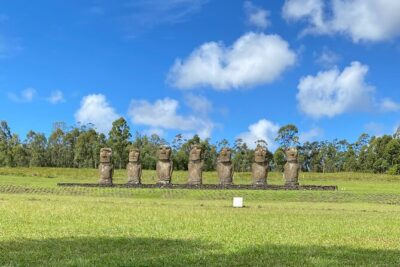
Browse the lists this tour appears in