
Reviewed · EASTER ISLAND MOAI TOURS
Easter Island: Private Full Day History Of The Moai
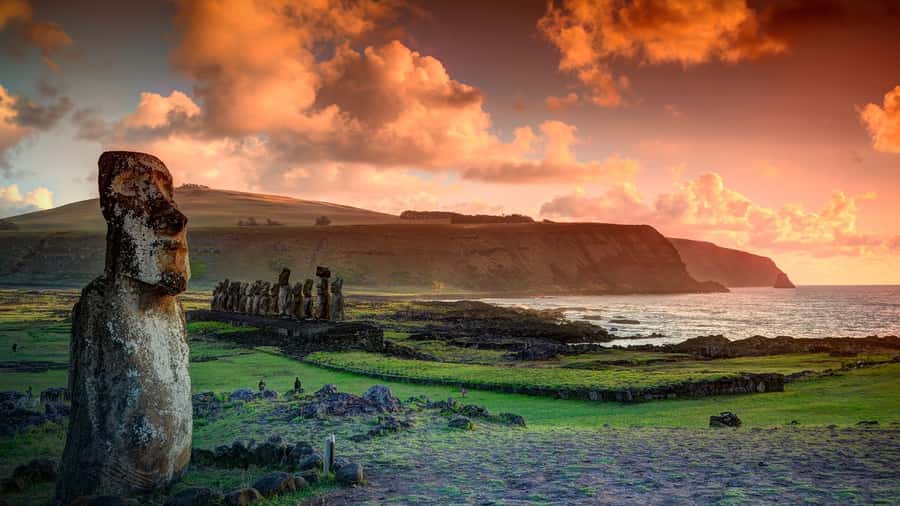
The Moai are the main reason most people come to Rapa Nui, but the best part of this tour is seeing how different the sites feel. You move from fallen and unfinished statues to the grand line of 15 at Ahu Tongariki, then finish beside the sand and water at Anakena. It gives you both the mystery and the setting.
I like the private group format, since you can ask questions and set your own pace more easily than on a large coach. I also like the route itself: Rano Raraku and Tongariki are essential, while Ahu One Makihi and Ovahe add quieter stops. The main caution is communication. Some departures have had pickup delays, and one guide’s English was described as difficult to follow.
In This Review
- Key points to know before booking
- Why this route works for a first day on Rapa Nui
- Ahu Vinapu starts the story with unusual stonework
- Akahanga shows Moai away from the postcard view
- One Makihi adds a lesser-known stop
- Rano Raraku is the day’s main history lesson
- Tongariki delivers the island’s grandest group of Moai
- Ovahe changes the mood with pink sand
- Te Pito Kura adds one of the island’s largest statues
- Anakena finishes the day with real breathing room
- Private touring, guides, and communication
- Is $219 per person a fair price?
- Who should book this Moai tour?
- Final verdict: a strong route with two things to confirm
- FAQ
- How long does the tour last?
- Is the tour private?
- Which languages are available?
- Does the tour include hotel pickup and return?
- What sites are visited?
- How much time is spent at Rano Raraku?
- How much time is spent at Anakena?
- Is food included?
- Is park admission included?
- Can I cancel the booking?
Key points to know before booking
- Eight important stops in seven hours: The route covers major ceremonial platforms, the Moai quarry, two beaches, and several lesser-known sites.
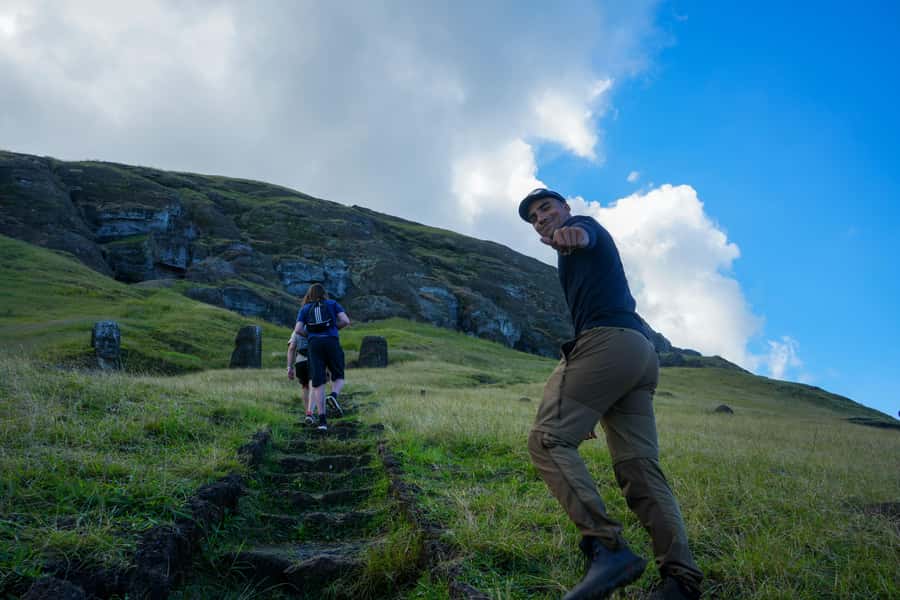
- Rano Raraku gets two hours: This is the longest stop, giving you time to walk among unfinished statues rather than simply take a roadside photo.
- Tongariki is the visual high point: You see 15 Moai arranged on the island’s largest group platform.
- Anakena provides a proper break: The final stop includes free time, photos, scenic views, and the chance to relax by the beach.
- The price is $219 per person: That can be fair for a private full-day outing, but food and park admission cost extra.
- Guide quality matters: English, Spanish, and French are offered, with Simon and Flora receiving especially warm personal praise, while communication problems affected some departures.
Why this route works for a first day on Rapa Nui
This is a full circuit of the island’s major Moai country, not a quick Hanga Roa sightseeing drive. You begin with ceremonial sites and unusual stonework, spend serious time at the quarry, see the most famous restored platform, and end at the island’s best-known beach.
The order also gives the day a useful rhythm. Early stops focus on archaeology and mystery. Rano Raraku supplies the biggest historical lesson. Tongariki delivers the grand view. Ovahe and Anakena then slow things down with sea views and open-air time.
You should expect a busy day. The schedule allows roughly seven hours, with some short stops lasting only 20 or 30 minutes. That is enough for photos and a basic explanation, but not enough for a leisurely exploration of every site.
Because this is a private group, the experience may work especially well if you want to ask about Rapa Nui culture, the meaning of the Moai, or the language used for places and ceremonies. The guide is not simply driving you between viewpoints. The stated focus is on explaining why the statues matter to Rapa Nui society.
More easter island moai tours in Easter Island:
- From Hanga Roa: Rapa Nui Culture Sightseeing Tour
★ 4.6 · 307 reviews - From Hanga Roa: Journey from Orongo to Ana Te Pahu
★ 4.3 · 75 reviews - Rapa Nui Stargazing
★ 4.5 · 62 reviews
Ahu Vinapu starts the story with unusual stonework
The opening stop is Ahu Vinapu, a ceremonial platform known here for a wall that looks similar to construction associated with the Incas. It is a good first stop because it immediately challenges the simple idea that the Moai are only giant heads placed beside the sea.
You can expect a guided visit of about 20 minutes at the listed meeting point and opening part of the route. That is brief, so use it to ask one or two clear questions and take your photos before moving on.
The important point is not to treat the wall as proof of a direct connection. The experience presents the resemblance as an intriguing feature, not as a settled answer to every question about outside contact. A good guide should help you separate what is known from what remains uncertain.
This is also where a strong command of English, Spanish, or French makes a real difference. The historical details are compact, and a guide who explains them clearly can turn a short stop into a useful introduction. If communication is weak, it may feel like little more than a photo break.
Akahanga shows Moai away from the postcard view
At Ahu Akahanga, you have about 30 minutes for a visit, guided explanation, photos, and a walk. The site is important because you can see Moai in their original setting, including statues that are no longer arranged in the polished, upright fashion associated with Tongariki.
That contrast matters. Rapa Nui is often presented through perfect rows of statues, yet the island’s ceremonial platforms also reveal collapse, abandonment, and change. Akahanga helps you picture the sites as archaeological places rather than a series of tidy monuments.
The stop is long enough for a short walk, but you should wear shoes suited to uneven ground. The tour information confirms walking at several points, although it does not give a detailed surface description or accessibility rating.
If you are taking photos, look beyond the statue itself. The platform, fallen stones, and surrounding setting help explain how the ceremonial complex once worked. Your guide’s cultural explanation should be the main reason to linger.
One Makihi adds a lesser-known stop
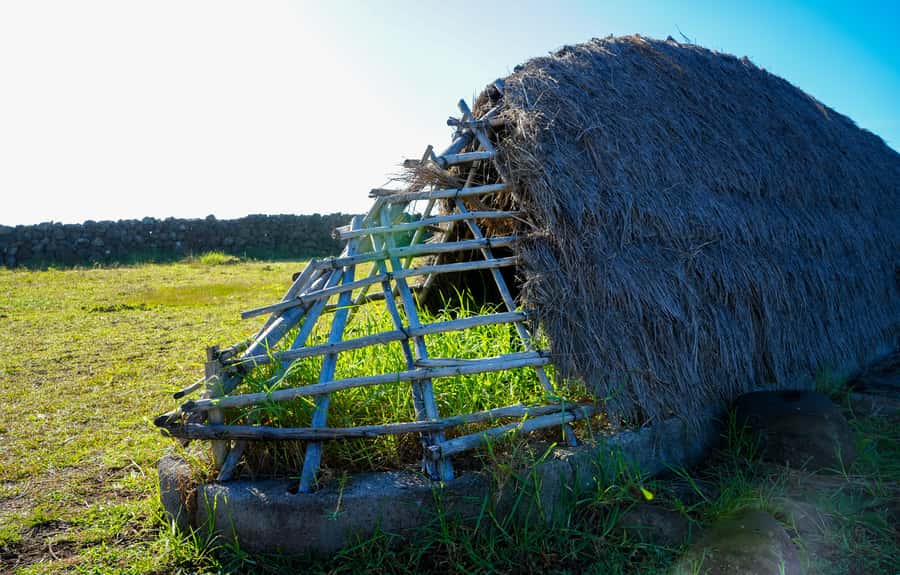
Before Tongariki, the route includes Ahu One Makihi, with about 30 minutes for photos and sightseeing. The notable feature is a finely chiselled Moai lying on its back, described as a supine form rather than one of the upright statues most people picture.
I like this stop because it breaks up the standard greatest-hits route. You get a reminder that the island contains smaller and less familiar places, not only the monuments seen in every brochure.
The tradeoff is simple: a short stop here means less time elsewhere. If you care only about the largest platforms, you may see One Makihi as optional. If you want the tour’s promise of forgotten and secret-filled places, it earns its place.
A few more Easter Island trips to weigh up
- Private tour: where the history of the Moai was born
★ 4.7 · 13 reviews - Santiago: Guided Walking Tour of the Historical Old Town
★ 4.8 · 459 reviews - Walking Tour Valparaiso, History & Art – Private Optional
★ 4.5 · 59 reviews - Essence of Santiago : History, Flavors and Panoramic Views
★ 5.0 · 45 reviews
Rano Raraku is the day’s main history lesson
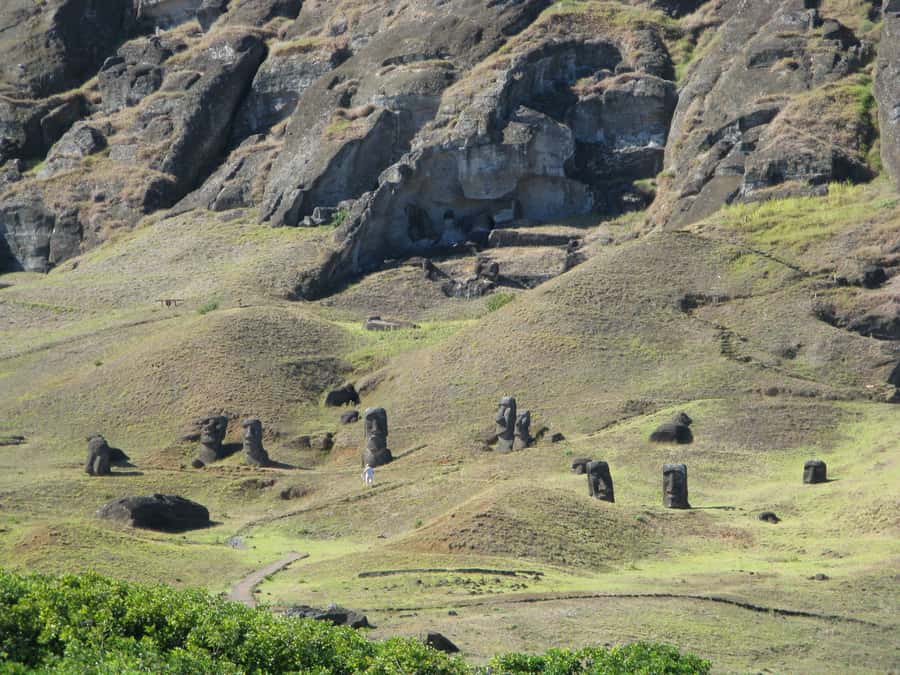
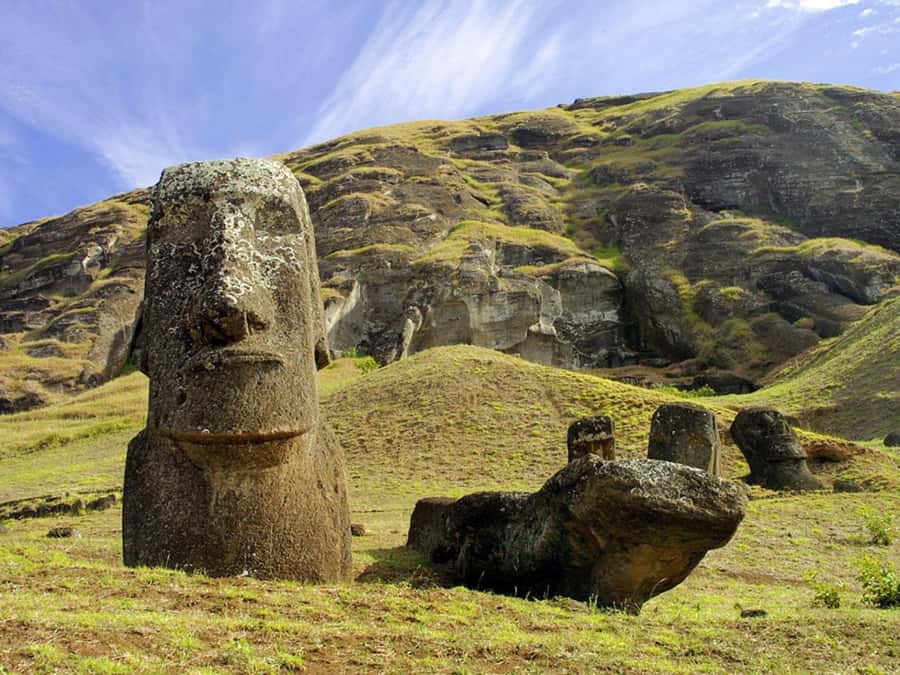
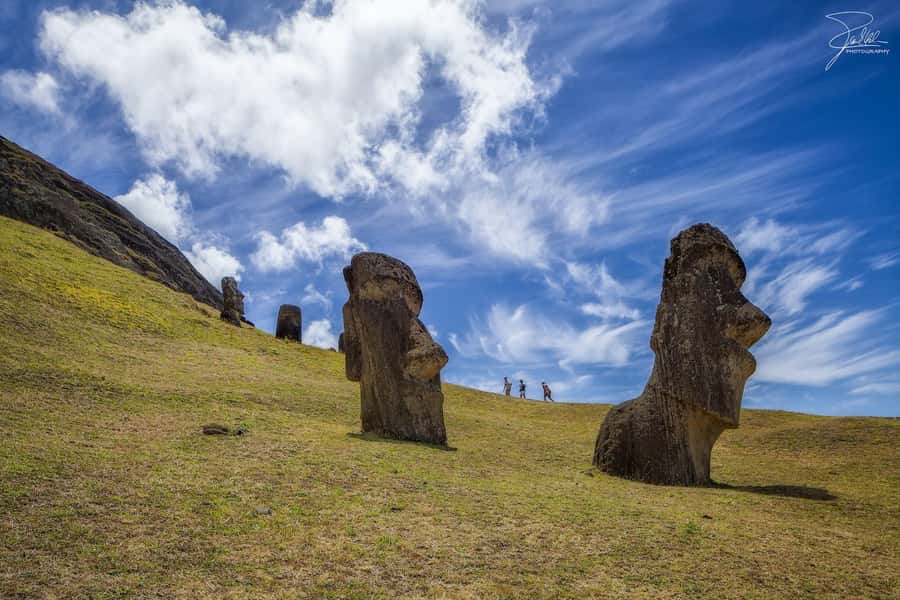
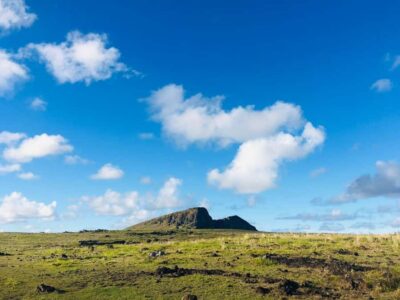
Plan on two hours at Rano Raraku, the volcanic quarry often called the Moai factory. This is the stop that separates a serious Moai tour from a quick island drive.
Here, you can walk among statues at different stages of production. Some are finished enough to recognize. Others remain partly attached to the volcanic rock. That unfinished quality gives the site its force: you are not just looking at completed monuments, you are seeing evidence of how the work began and stopped.
The two-hour allowance is welcome. You need time to walk, listen, look closely, and understand how the quarry connects to the platforms around the island. A rushed 20-minute visit would miss much of what makes Rano Raraku special.
The walking portion may be the most demanding section of the day simply because it is the longest. The tour provides bottled water, but you should still plan for sun and outdoor conditions. Food is not included, so bring something to eat if you do not want to wait until Anakena.
A guide’s explanation is particularly useful here. The tour promises context about the size, weight, meaning, and role of the statues, but you should want more than repeated measurements. One low-scoring account described explanations as repetitive and said questions were not understood. That is a fair warning to choose your language carefully when booking and to confirm which language your guide will use.
Tongariki delivers the island’s grandest group of Moai
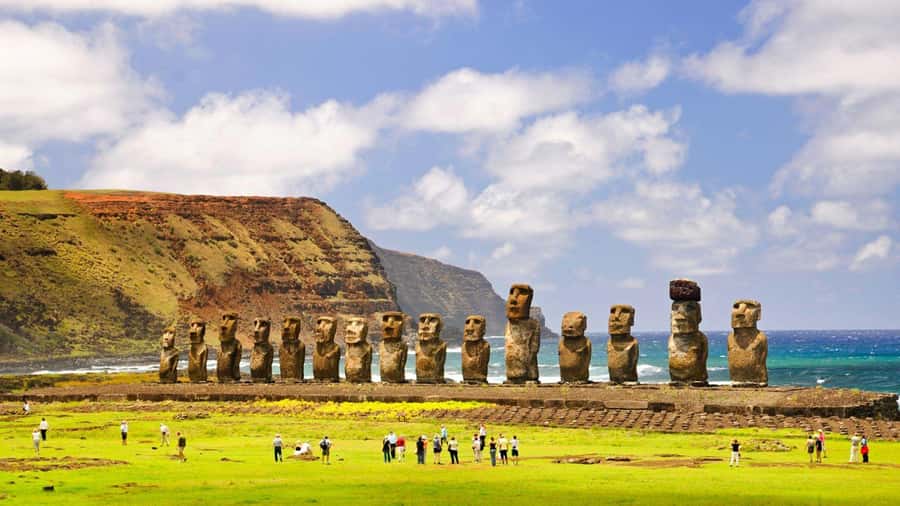
Ahu Tongariki receives about 80 minutes, including photos, guided sightseeing, and walking. This is the largest group of Moai on Rapa Nui, with 15 imposing statues arranged across one ceremonial platform.
This is likely to be your most dramatic stop. The scale is easy to appreciate, especially after seeing unfinished statues at Rano Raraku. Tongariki shows the completed public statement, while the quarry shows the process behind it.
I would not rush the photography here. Take the standard wide view, then look at the individual figures. Their positions, sizes, and weathered surfaces give the group a more human scale. Your guide can also explain the importance of the Moai to Rapa Nui culture rather than reducing the visit to a count of how many statues are present.
The platform is a major reason to book this particular route. You could visit Tongariki on a shorter outing, but pairing it with Vinapu, Akahanga, One Makihi, and Rano Raraku gives you a better sense of how varied the island’s ceremonial places are.
Ovahe changes the mood with pink sand
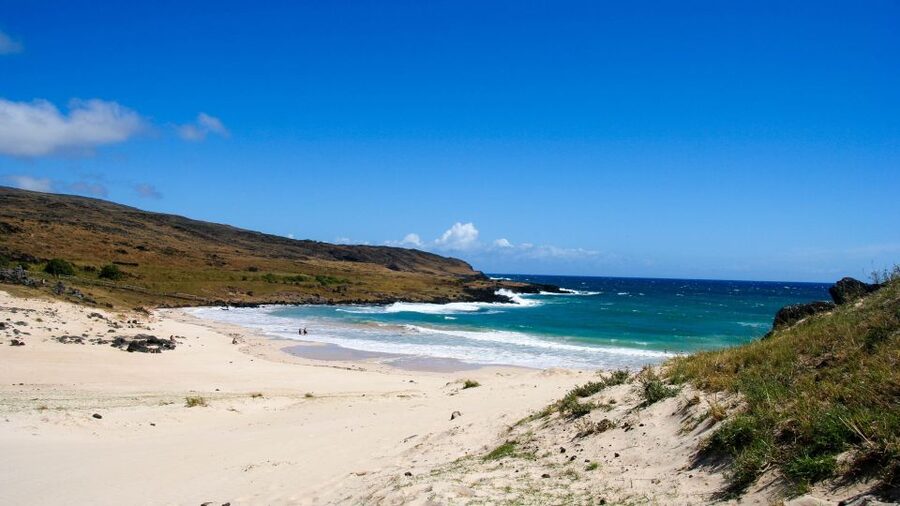
Ovahe is a short 20-minute stop for photos, sightseeing, a guided visit, and a walk. Its appeal is the rose-colored sand and coastal setting.
Do not expect a long beach session here. The schedule treats Ovahe as a scenic stop, not the main swimming break. I would use the time to see the shoreline, take a few photos, and let the day shift from stone and archaeology toward the sea.
This stop is useful in a long itinerary because it gives your eyes a rest from platforms and statues. It also makes the final arrival at Anakena feel like a change of scene rather than just another archaeological stop.
Te Pito Kura adds one of the island’s largest statues
Ahu Te Pito Kura receives about 20 minutes for photos, a guided visit, and walking. The site is described as sacred and connected with one of the largest Moai on Rapa Nui.
Again, the timing is short. You will get a focused look rather than a slow exploration. Listen for the explanation of why the site is sacred and how the statue relates to Rapa Nui belief and ceremony.
This is another place where the guide’s communication skills carry real weight. A large statue is impressive on its own, but the cultural meaning is what turns the stop into more than a scale comparison.
Anakena finishes the day with real breathing room
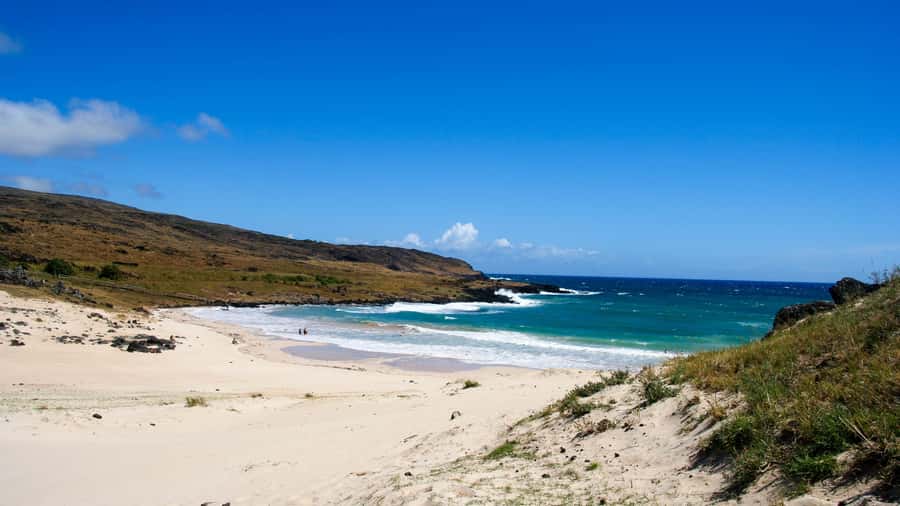
Anakena receives the most time after Rano Raraku. The schedule allows about 100 minutes for a guided visit, sightseeing, walking, and photos, followed by another 30-minute break with free time and scenic views.
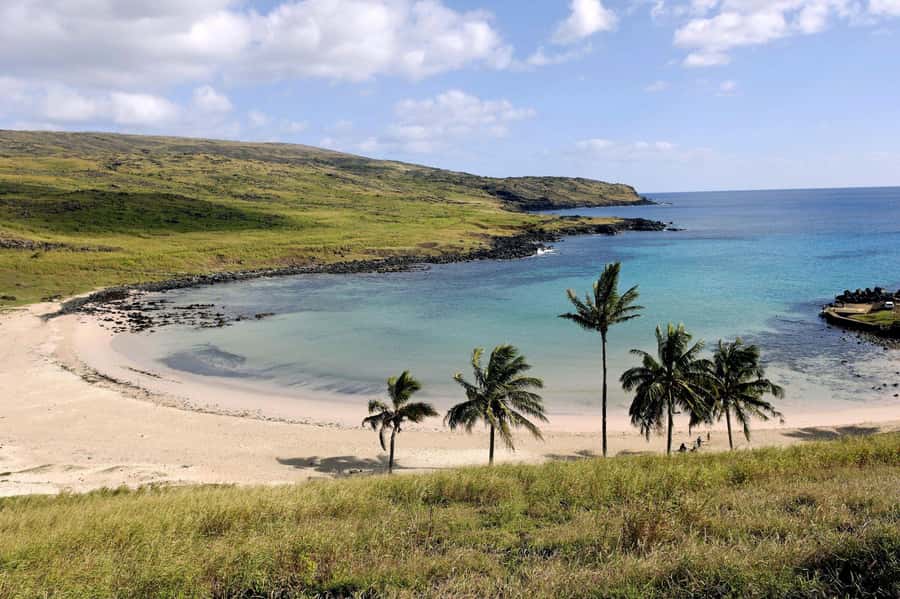
That gives you roughly two hours at the beach area, which is a welcome finish after the island’s archaeological sites. You can relax beside clear water, take in the views, and consider a picnic. Snorkeling and other water activities are described as available, but the tour does not include equipment or meals.
Food is one practical point to handle in advance. The tour supplies an individual bottle of water, but meals are excluded. You should arrange your own food for the day or be ready to use the break at Anakena to find something suitable. The supplied details do not promise a meal service or a restaurant stop.
The extra free time also provides some flexibility. You may prefer to sit quietly, take more photos, browse for something to buy, or stay with the guide for further explanation. After the quick 20-minute stops, this longer pause helps prevent the day from feeling like a checklist.
Private touring, guides, and communication
The private format is a major part of the value. You are not sharing the outing with a large group, and the tour can focus on your interests within the fixed seven-hour route. If you want to ask about Rapa Nui language, statue construction, or ceremonial platforms, private touring gives you a better chance to do so.
Guide reports are not uniform, so I would confirm the language at booking. English, Spanish, and French are offered. Simon was praised for waiting when a tender arrived late and for explaining the island’s history, culture, and language. Flora was also singled out for being kind and giving strong explanations, although two planned photo stops were missed on that departure.
There have also been operational problems. One pickup was scheduled for 9 a.m. but happened about an hour late, with help from local people near the harbor. Another departure had no one waiting when the ship came in, and communication was needed before the guide arrived about 30 minutes later.
If you are arriving by tender, this deserves special attention. Give the operator your ship details and exact meeting point, and keep the tour contact information available. The normal instruction is to wait in your hotel lobby 10 minutes before pickup, but ship arrivals may require extra coordination.
Is $219 per person a fair price?
At $219 per person, this is not a budget sightseeing drive. The value depends on the size of your private group and on how much you care about having a dedicated guide for the island’s major Moai sites.
The price includes hotel pickup and return, a private group, a live guide, and bottled water. It does not include food or park entrance. Since admission is extra, add that cost before comparing this with other ways to see Rapa Nui.
I see the strongest value in the route and the private format. You cover the quarry, the largest platform, a major beach, and several sites that receive less attention. A large group outing may cost less, but it may offer less control over questions and timing.
The value drops if your guide cannot communicate clearly or if pickup arrangements are vague. The best way to protect your purchase is to confirm your pickup time, meeting point, language, and what entrance arrangements you need before the day begins.
Who should book this Moai tour?
I would choose this tour if you have one full day on Rapa Nui and want the broadest possible introduction to the island’s statues, ceremonial platforms, quarry, and beaches. It suits first-time visitors who want a guide to connect the sites rather than simply provide transport.
It also suits couples, families, or small private groups who prefer not to follow a large coach schedule. The range of languages helps, but you should book only when the available language matches the person who most needs to follow the explanations.
I would think twice if you want a slow, beach-centered day. The schedule is active, and several stops are brief. I would also reconsider if you dislike fixed routes, need a guaranteed meal, or expect perfect pickup coordination from a ship arrival.
The cancellation policy is forgiving: you can cancel up to 24 hours ahead for a full refund, and you can reserve now and pay later. Those terms help if your island plans are still moving, though they do not solve same-day communication problems.
Final verdict: a strong route with two things to confirm
I would book this tour for its excellent coverage of Rapa Nui. Rano Raraku and Tongariki alone justify serious time, and Akahanga, One Makihi, Vinapu, Te Pito Kura, Ovahe, and Anakena make the day feel broader and more thoughtful.
Before paying, confirm the guide’s language and the pickup plan, especially if you arrive by tender. If those details are clear, $219 per person can be a reasonable price for a private day covering the island’s central Moai story. If they are not clear, the tour’s biggest strengths can be undermined before you even reach the first platform.
FAQ
How long does the tour last?
The tour lasts seven hours, including pickup, sightseeing, guided visits, walking, and the return to Easter Island accommodations.
Is the tour private?
Yes. The activity is offered for a private group rather than a shared group.
Which languages are available?
Live guides are available in English, Spanish, and French.
Does the tour include hotel pickup and return?
Yes. Pickup and return to the hotel are included. You are asked to wait in the hotel lobby 10 minutes before the scheduled pickup time.
What sites are visited?
The route includes Ahu Vinapu, Ahu Akahanga, Ahu One Makihi, Rano Raraku, Ahu Tongariki, Ovahe, Ahu Te Pito Kura, and Anakena.
How much time is spent at Rano Raraku?
The scheduled visit to Rano Raraku lasts about two hours and includes a guided visit, walking, sightseeing, and photos.
How much time is spent at Anakena?
The schedule allows about 100 minutes for the main Anakena visit, followed by about 30 minutes of break time, free time, photos, and scenic views.
Is food included?
No. Food is not included. You receive an individual bottle of water.
Is park admission included?
No. Entrance to the parks is not included in the tour price.
Can I cancel the booking?
Yes. You can cancel up to 24 hours in advance for a full refund. You can also reserve now and pay later.
More Full-Day in Easter Island
- From Hanga Roa: Easter Island Sightseeing Full Day Tour
★ 4.5 · 189 reviews - Full day tour – DREAM
★ 5.0 · 86 reviews - Two days of Full Day Tour of Rapa Nui + Sunrise in Tongariki
★ 4.8 · 55 reviews - Easter Island: Full-Day Tour to Anakena
★ 4.7 · 27 reviews
Just added around Easter Island
- Volcanic Refuges: Excursion to Underground Civilization★ 4.7 · 8 reviews
- Ride to the highest point on the island for sunset★ 5.0 · 40 reviews
- Half Day Tour in Rapa Nui★ 5.0 · 48 reviews
- Tongariki Sunrise: Half Day Private Tour★ 3.8 · 9 reviews
- Terevaka Horse Excursion: The highest point and 360° view.★ 4.7 · 38 reviews
- Sunrise Tongariki: Sunrise at Tongariki Park Private Tour★ 4.5 · 47 reviews
- Rapa Nui: Polynesian Massage★ 4.8 · 5 reviews
- Rapa Nui Highlights Program: 3 incredible tours to discover!★ 4.8 · 18 reviews
Easter Island Moai Tours, compared.

Two days of Full Day Tour of Rapa Nui + Sunrise in Tongariki
Read our review →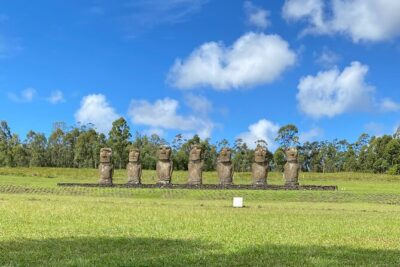
Adventures in Rapa Nui: High-quality tourism with Easter Island Your Tour.
Read our review →
Private Tour: The Underground World of Rapa Nui Caves
Read our review →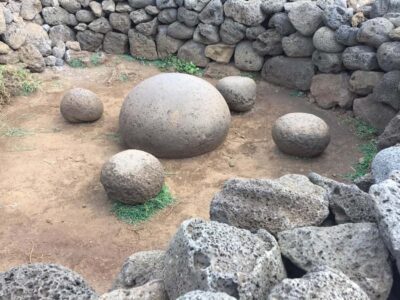
Browse the lists this tour appears in