
Reviewed · EASTER ISLAND TOURS
From Hanga Roa: Easter Island Sightseeing Full Day Tour
Easter Island’s great moai are not best understood from a quick photo stop. This full-day outing takes you to Rano Raraku, the volcanic quarry where many statues were carved, then to Tongariki, where 15 moai face the Pacific. The route connects the statues to the island’s past rather than treating them as isolated curiosities.
I like the small group size, limited to 14 people, and the care taken by guides such as Hiva, Enzo, Fernanda, and Ata. I also like the hotel pickup and drop-off, especially on an island where a full day of driving and site visits can be tiring. The main catch is that lunch and the national park ticket cost extra, and pickup times can run late.
In This Review
- Key points at a glance
- Five major moai sites in one long day
- Vaihu and Akahanga: moai among village remains
- Rano Raraku, the quarry that explains the moai
- Tongariki and the Pacific view
- Te Pito Kura and the island’s symbolic center
- How the guiding affects the day
- Transport, pickup, and the real pace
- What $70 really buys you
- Who should book this Easter Island tour
- Should you book it?
- FAQ
- How long does the Easter Island sightseeing tour last?
- What sites are included?
- Is hotel pickup and drop-off included?
- How large is the group?
- What languages does the guide speak?
- Is the national park ticket included?
- Is lunch included?
- What should I bring?
- Can I cancel or pay later?
Key points at a glance
- Rano Raraku gives the tour its best historical context: You see moai still attached to the volcanic rock where they were shaped.
- Tongariki is the big visual payoff: Fifteen statues line the coast with the Pacific behind them.
- The group stays small: Up to 14 participants means more room for questions than on a large coach.
- Guides make a major difference: Hiva, Enzo, Fernanda, Ata, and others are praised for clear English, Spanish explanations, and calm pacing.
- Bring your own food and water: Lunch is not included, and one full-day outing had few places to buy supplies.
- Allow for changing end-of-day plans: The stated route ends at Te Pito Kura, while some departures have included Anakena Beach or a lunch stop, so confirm the exact schedule.
Five major moai sites in one long day
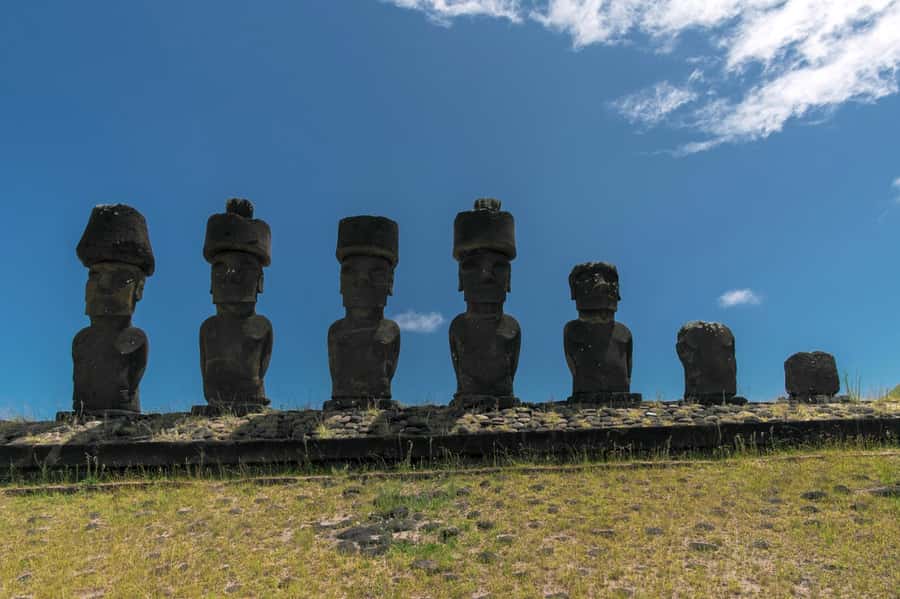
At $70 per person, this is a practical way to cover several of Easter Island’s key archaeological sites without arranging separate rides. The eight-hour schedule is full, but the route is organized around the island’s most important moai locations.
That matters because Easter Island, also called Rapa Nui, rewards context. A statue at a coastal platform is impressive. A statue near the quarry, surrounded by unfinished figures and traces of ancient work, tells a much larger story about how the island’s people shaped, moved, and honored these enormous images.
The group size is capped at 14. Some departures use a small bus or minivan, and one outing had only three participants. That does not guarantee a tiny group, but it does keep the format personal compared with a large sightseeing coach.
The tour is led in English and Spanish. The strongest praise goes to guides who explain the sites clearly without talking over the day. Hiva is noted for detailed explanations in both languages, Ata for very clear English, and Fernanda for a calm, unhurried manner. Enzo is praised for answering questions in English and Spanish while keeping the schedule moving.
A few more Easter Island trips to weigh up
- Full day tour – DREAM
★ 5.0 · 86 reviews - Two days of Full Day Tour of Rapa Nui + Sunrise in Tongariki
★ 4.8 · 55 reviews - Easter Island: Full-Day Tour to Anakena
★ 4.7 · 27 reviews
Vaihu and Akahanga: moai among village remains
Vaihu is an early reminder that Easter Island is more than a collection of famous statues. Here you encounter moai connected with an ancient ceremonial setting, along with the remains of an ahu, the stone platform used for ritual and burial purposes.
Your guide can help you read the site. Look at the way the statues lie, the platform stones, and the relationship between the ceremonial area and the sea. The value of a guided visit is clear here because the remains may not explain themselves at first glance.
Akahanga adds another layer. The site includes toppled moai and remnants of a traditional Polynesian settlement. The fallen statues can seem less dramatic than Tongariki’s restored row, but they offer a different view of the island’s past and the changes that affected its ceremonial sites.
I would pay close attention to the guide’s explanation at Akahanga. This is one of the places where a short stop without interpretation could feel like a pile of stones. With a good guide, it becomes a way to picture how people lived, worshipped, and organized their communities.
The walking at these sites is described as short, with some steps. You should still wear sensible shoes and carry water. The day includes several stops, and the sun can make even brief walks feel demanding.
Rano Raraku, the quarry that explains the moai
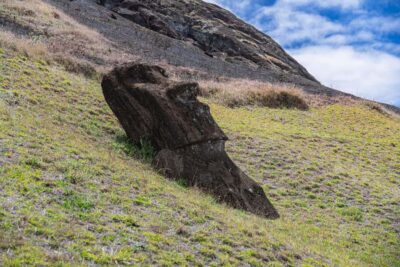
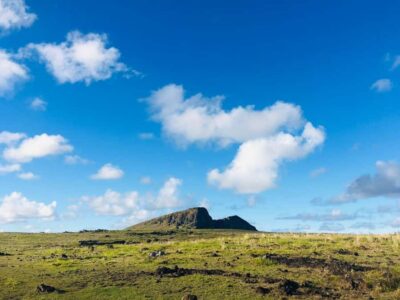
Rano Raraku is the heart of the day. This volcanic crater was the main quarry for the island’s moai, and many statues remain at or near the slopes where they were carved.
Here the mystery becomes a worksite. You can see figures in different stages of completion, including moai that appear to emerge from the rock. Your guide explains how the stone was cut and what the unfinished statues reveal about the labor behind these famous forms.
This stop is especially valuable for first-time visitors because it changes the way you see every later moai. At the coast, a statue looks like a finished monument. At Rano Raraku, you can picture the carving process and the skill required to shape the volcanic tuff.
Plan to give this site your full attention. Some departures move quickly between sights, and one account described the visits as rushed. If you are interested in archaeology or photography, listen closely to the timing instructions and use your free moments wisely.
There is also an important park-ticket detail. Rano Raraku can be visited only once on the national park ticket, so keep that ticket safe and make this visit count. The ticket is not included in the $70 tour price.
Tongariki and the Pacific view
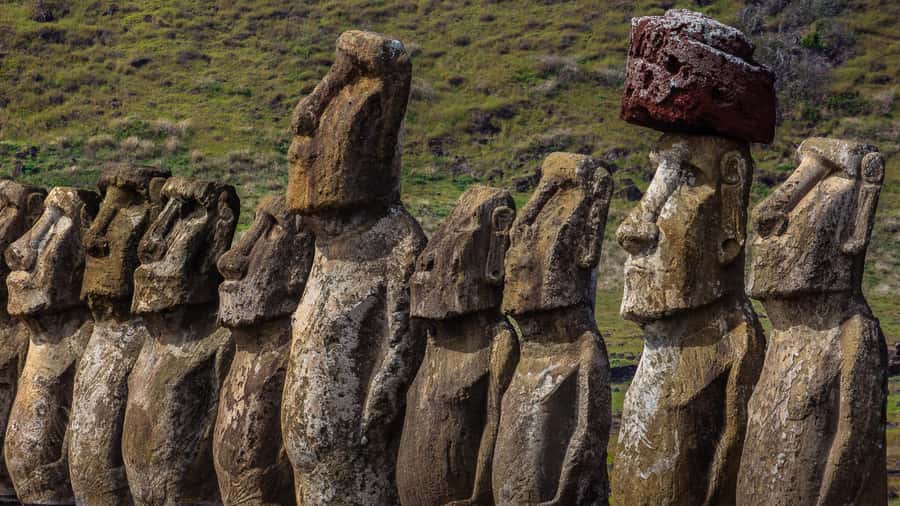
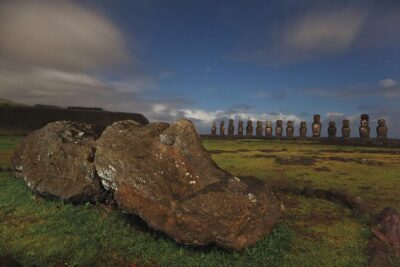
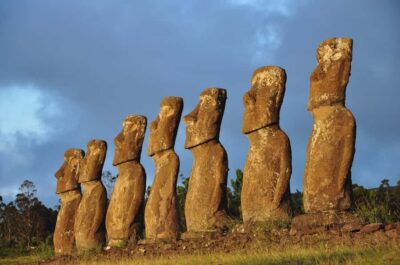
Tongariki is the tour’s most famous photo stop. Fifteen moai are arranged along the coast on a restored ahu, with the Pacific behind them. The scale is hard to grasp from pictures alone, especially when you stand near the platform and see the line of statues stretching across the shore.
This is a good place to pause rather than rush straight to the camera. Notice the differences in the figures, the size of the platform, and the way the statues frame the open ocean. Your guide can add meaning to what you are seeing, but you will also want a few quiet minutes to take it in.
Tongariki is one reason the full-day format works. A short island outing might bring you here, take a few photos, and move on. This tour gives you a wider chain of sites, so the restored ceremonial platform makes more sense beside the quarry and the toppled statues at Akahanga.
The weather can change the feel of the stop. A recent outing remained enjoyable in poor weather, but sunscreen, water, and a hat are still sensible choices when conditions are bright. Bring your passport or ID card as required, along with your national park pass.
Same long country, a very different day out:
- From Hanga Roa: Rapa Nui Culture Sightseeing Tour
★ 4.6 · 307 reviews - From Hanga Roa: Easter Island Highlights 2-Day Tour
★ 4.3 · 205 reviews - From Hanga Roa: Journey from Orongo to Ana Te Pahu
★ 4.3 · 75 reviews - Rapa Nui Stargazing
★ 4.5 · 62 reviews
Te Pito Kura and the island’s symbolic center
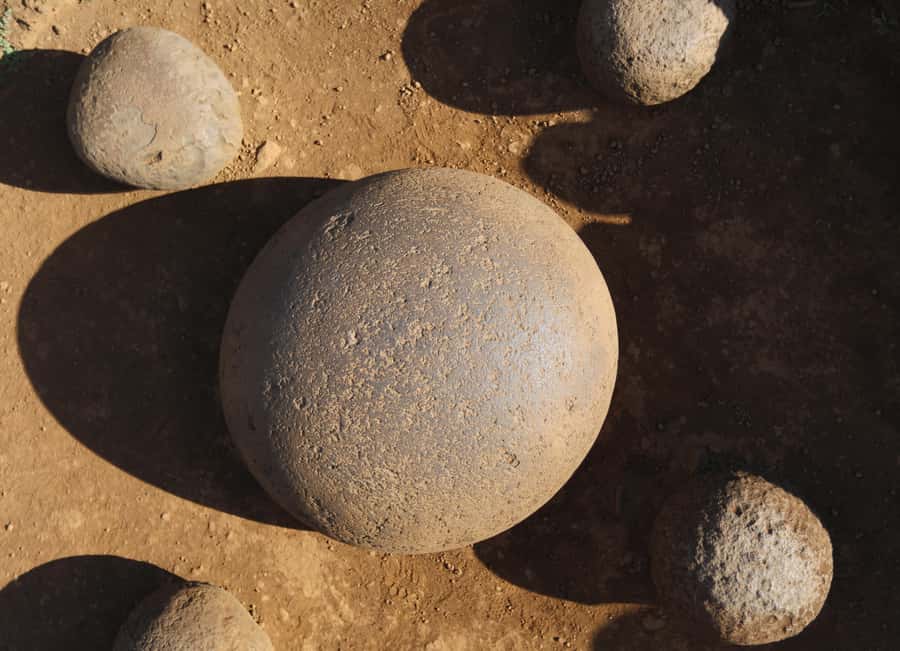
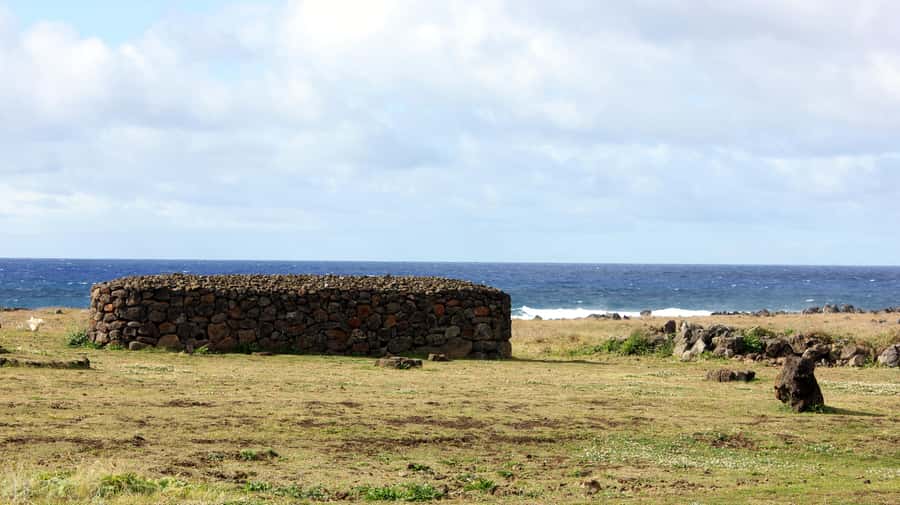
Te Pito Kura combines archaeology with local tradition. The name is often translated as the navel of the world, and the site is known for a large rounded stone associated with unusual magnetic properties and stories about its importance.
This is a smaller, more reflective stop than Tongariki. Its appeal comes from the mix of natural formation, belief, and island storytelling. The guide’s explanation matters here because the site’s meaning is not obvious from a quick look at the stone.
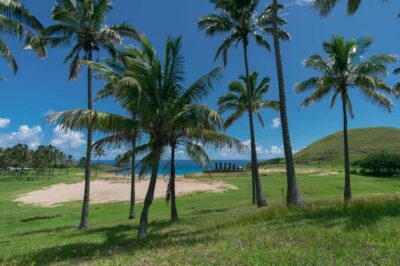
The published route lists Te Pito Kura as the final destination. However, some departures have included a stop at Anakena Beach, sometimes allowing time for a swim or a drink, and some have included a lunch break. These details do not appear to be identical on every outing, so ask Hotumatur Rapa Nui what your specific day includes before leaving your hotel.
If Anakena is part of your schedule, bring a swimsuit and towel. If it is not, you may prefer to spend the extra time returning to your accommodation rather than waiting at a beach bar. One full-day outing ended with more than an hour of waiting for people who did not want to swim or buy drinks.
How the guiding affects the day
The guide is the most important variable in this tour. The sites are extraordinary, but the experience depends on how clearly someone explains the moai, the ceremonial platforms, and the island’s settlement remains.
The best reports describe guides who are friendly, calm, and precise. Hiva is singled out for detailed bilingual explanations and attentive care. Fernanda is praised for a relaxed pace that made the full day feel manageable. Ata is valued for easy-to-understand English, while Enzo is noted for answering questions in both English and Spanish.
The operation also includes a separate driver on some departures. One guide and driver combination received praise for safe driving and smooth handling of the island roads. Another account noted that the driver avoided potholes and ruts, even though the vehicle itself could have used a better cleaning.
English ability can vary by guide. Most comments about communication are very positive, but one assessment found the guide’s English less polished. If precise English explanations are essential for you, ask about the guide assigned to your date.
The itinerary is bilingual rather than English-only. That means some explanations may be repeated in Spanish and English, which can lengthen certain stops. For an English-speaking visitor, this is usually a fair trade for a local guide and a shared small-group outing.
Transport, pickup, and the real pace
Hotel pickup and drop-off are included, which is useful in Hanga Roa. You do not need to arrange a separate taxi or find a rental car for a day of remote sites.
Be outside and ready during the stated pickup window. One person was told to expect collection at 9:45 a.m. but was not collected until 10:20 a.m., followed by another pickup. Other departures began on time, so the sensible approach is to allow some flexibility rather than schedule a tight activity immediately afterward.
Seat position can affect the day. One participant who was picked up last ended up in a middle seat without a window, making photography difficult. If the vehicle is filling at several hotels, ask the operator about pickup order or seating, but do not assume a particular seat can be reserved.
The route includes short walks and some steps. It is not described as a strenuous hiking tour, but the repeated stops, sun, and uneven archaeological sites add up. Comfortable shoes, water, sunscreen, and a hat will make the day easier.
There are few bathroom stops, and no reliable food or water purchases along the route are promised. Pack snacks and enough water before pickup. This is one of the most useful practical details to know, since lunch is not included.
What $70 really buys you
The price sits above some local guide options, according to one direct assessment, but it covers the parts that make a first visit easier: transportation, hotel transfers, a bilingual guide, and a route through five major sites.
The value is strongest if you have limited time on Rapa Nui or do not want to rent a vehicle. You get a planned route, explanations at each stop, and a small group rather than a large bus. The tour also removes the stress of finding the sites and coordinating park access on your own.
The price is less complete than it first appears. You must pay separately for the national park ticket, and lunch is not included. Add those costs when comparing this tour with a private guide, hotel package, or other local option.
I would also compare the actual group size and final stop. A tour that includes Anakena Beach may suit you if you want a swim. If you prefer more time at archaeological sites, a beach stop could feel like time taken from places such as Rano Raraku or Tongariki.
Who should book this Easter Island tour
I would choose this outing if you have one full day, want the major moai sites explained, and prefer not to manage transport yourself. It is also a good fit for solo visitors, couples, and families who value a small group and a clear route.
You will get the most from it if you enjoy learning the story behind a place rather than simply collecting photographs. The guides often answer questions and explain the island in both English and Spanish, so the tour has more substance than a basic sightseeing shuttle.
I would think twice if you want long, unhurried photography sessions at every stop. The route covers a lot, and some departures have felt rushed. I would also check the final schedule if you dislike unplanned beach time or have mobility concerns about repeated short walks and steps.
Free cancellation up to 24 hours before departure and reserve-now, pay-later booking make it easier to keep plans flexible. Those terms are useful on an island trip where flights, weather, and hotel plans may change.
Should you book it?
Book this tour if your priority is seeing the essential moai sites in one organized day with a guide who can give the statues context. Rano Raraku and Tongariki alone make the route worthwhile, while Vaihu, Akahanga, and Te Pito Kura add variety.
Before paying, confirm the national park ticket cost, food arrangements, pickup time, vehicle size, and whether Anakena Beach is part of your departure. Bring water, snacks, sunscreen, your passport or ID card, and a swimsuit and towel only if the beach stop is confirmed.
At $70, this is a fair convenience price rather than the cheapest way around the island. For a first visit with limited time, the transport and guiding make it a sensible choice.
FAQ
How long does the Easter Island sightseeing tour last?
The tour lasts eight hours.
What sites are included?
The stated route includes Vaihu, Akahanga, Rano Raraku, Tongariki, and Te Pito Kura.
Is hotel pickup and drop-off included?
Yes. Transportation, hotel pickup, and drop-off at your accommodation are included.
How large is the group?
The group is limited to 14 participants. Some departures use a small bus or minivan.
What languages does the guide speak?
The live guide service is available in English and Spanish.
Is the national park ticket included?
No. You must purchase the national park ticket separately and bring it with you.
Is lunch included?
No. Lunch is not included. Bring food and water, since some routes have few places to buy supplies.
What should I bring?
Bring your passport or ID card. Water, snacks, sunscreen, and comfortable shoes are also practical for the full day.
Can I cancel or pay later?
You can cancel up to 24 hours in advance for a full refund. Reserve-now, pay-later booking is available.
Just added around Easter Island
- Volcanic Refuges: Excursion to Underground Civilization★ 4.7 · 8 reviews
- Ride to the highest point on the island for sunset★ 5.0 · 40 reviews
- Half Day Tour in Rapa Nui★ 5.0 · 48 reviews
- Tongariki Sunrise: Half Day Private Tour★ 3.8 · 9 reviews
- Easter Island: Private Full Day History Of The Moai★ 4.6 · 12 reviews
- Terevaka Horse Excursion: The highest point and 360° view.★ 4.7 · 38 reviews
- Sunrise Tongariki: Sunrise at Tongariki Park Private Tour★ 4.5 · 47 reviews
- Rapa Nui: Polynesian Massage★ 4.8 · 5 reviews
Easter Island Tours, compared.

Two days of Full Day Tour of Rapa Nui + Sunrise in Tongariki
Read our review →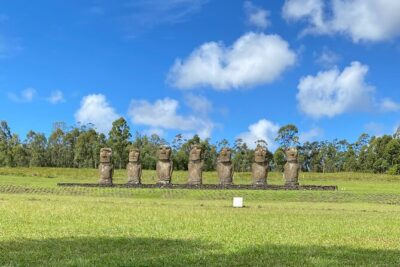
Browse the lists this tour appears in