
Reviewed · EASTER ISLAND MOAI TOURS
From Hanga Roa: Rapa Nui Culture Sightseeing Tour
The moai are not simply statues lined up for photographs. They are part of a living cultural story, and this full-day trip gives you the useful context to understand what you are seeing. At Rano Raraku, unfinished figures remain in the volcanic rock, while Ahu Tongariki presents the most striking row of restored moai on Rapa Nui.
I especially like the native island guides, who can connect the archaeological sites with local traditions and daily life. I also like the efficient route: in one day, you reach the major sights on the east and north sides of the island, then finish with time at Anakena Beach. The main drawback is the pace. You will get on and off the minibus many times, and a slow lunch stop can reduce time at the final sites.
In This Review
- Key points to know before booking
- One day through Rapa Nui’s most important sites
- Vaihu and Akahanga: an early look at fallen moai
- Rano Raraku: where the moai began
- Ahu Tongariki and the island’s most famous row
- Te Pito Kura and the island’s spiritual side
- Anakena: finish with a beach and breathing room
- Local guides are the main reason to choose this tour
- Transport, timing, and the real cost of the day
- Who will get the most from this Rapa Nui tour?
- Should you book it?
- FAQ
- How long does the Rapa Nui Culture Sightseeing Tour last?
- Which sites are included?
- Is hotel pickup included?
- Is lunch included?
- Is the National Park ticket included?
- What languages are available?
Key points to know before booking
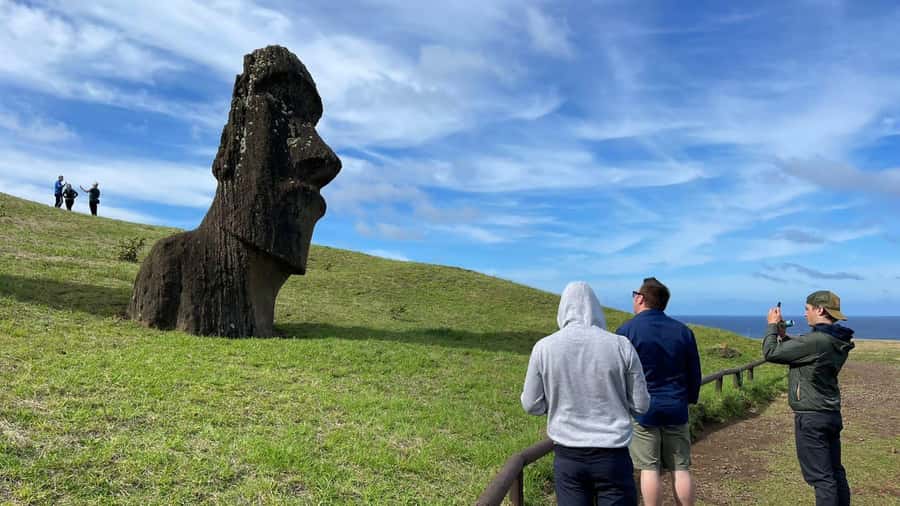
- Rano Raraku is the day’s great reveal: Unfinished moai rise from the quarry slopes and make the carving process easier to picture.
- Ahu Tongariki delivers the iconic view: Fifteen restored moai face inland from the island’s largest platform of standing figures.
- Local guides add cultural meaning: Guides including Frank, Hivi, Javi, Zoe, Enzo, and Javiera have been praised for clear explanations and friendly service.
- Anakena is more than a final photo stop: You get about 90 minutes of free time at the palm-fringed beach, so bring swimwear and a towel if you want to enter the water.
- Lunch is not included: A restaurant stop is available, but one departure reached lunch around 3 p.m., and the stop caused some people to miss the last site.
- The tour covers a lot for $80: Hotel pickup, transport, and a full day of guiding make it a practical choice if you have limited time on Rapa Nui.
One day through Rapa Nui’s most important sites
At $80 per person, this eight-hour tour is built for visitors who want to see the key archaeological places without arranging separate transport. You start and finish in Hanga Roa, with hotel pickup and drop-off included.
That matters on Rapa Nui. The sites are spread around the island, and a guided circuit saves you from spending your limited time working out roads, park access, and the order of stops. You also get explanations as you go, rather than simply arriving at a platform of statues and wondering what happened there.
The tour is available in English and Spanish, with a live local guide. Recent departures have included guides named Frank, Hivi, Javi, Javiera, Zoe, Enzo, and Jose. The exact guide can change, but the strongest part of the experience is the chance to hear island traditions from someone with a local connection.
Expect transport by bus or minibus, with an initial ride of about 45 minutes before the sightseeing begins. The day involves regular walking, short visits, and several returns to the vehicle. It is not a strenuous hiking trip, but you should be comfortable walking outdoors and getting on and off transport throughout the day.
More easter island moai tours in Hanga Roa:
- From Hanga Roa: Journey from Orongo to Ana Te Pahu
★ 4.3 · 75 reviews - Two days of Full Day Tour of Rapa Nui + Sunrise in Tongariki
★ 4.8 · 55 reviews - Rapa Nui Dreams: Experiencie Pack 3 Days
★ 4.7 · 32 reviews
Vaihu and Akahanga: an early look at fallen moai
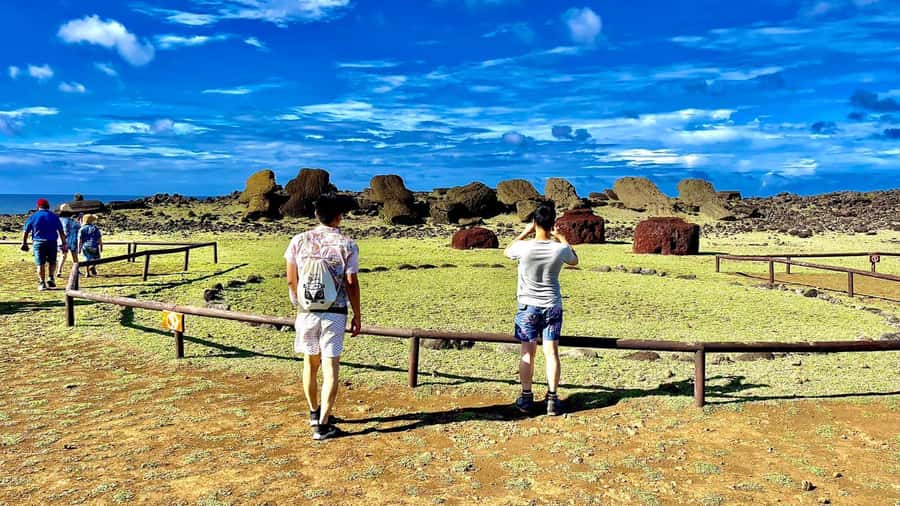
The first major cultural stop is the traditional village area at Vaihu, where you spend about 45 minutes walking with the guide. The moai here lie scattered around the ceremonial platform, giving you an early reminder that Rapa Nui’s statues were not always found standing in neat rows.
This stop can feel quieter than Tongariki or Rano Raraku. That is part of its value. You begin to see the sites as archaeological places rather than a single famous postcard view, and your guide can explain how the platforms, statues, and surrounding ground fit together.
Ahu Akahanga follows, with another 45-minute guided walk. The setting is rugged and open, and the fallen moai add a sense of mystery. Akahanga is tied to local stories and legends, so this is a good place to listen closely instead of rushing toward the next photograph.
I would treat Vaihu and Akahanga as foundation stops. They may not make the same instant impression as the quarry or the great platform at Tongariki, and some people would prefer to shorten one of them for extra time at the headline sites. Still, they help you see how varied the ceremonial sites can be.
Rano Raraku: where the moai began
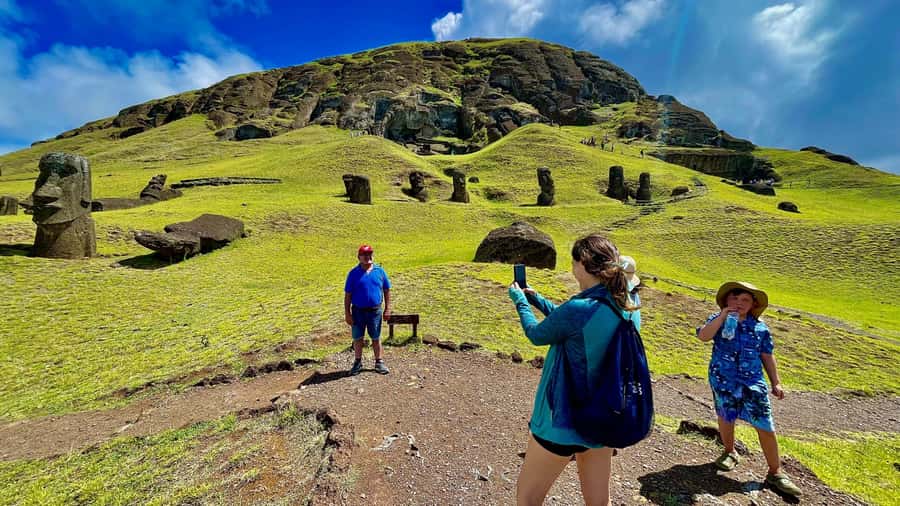
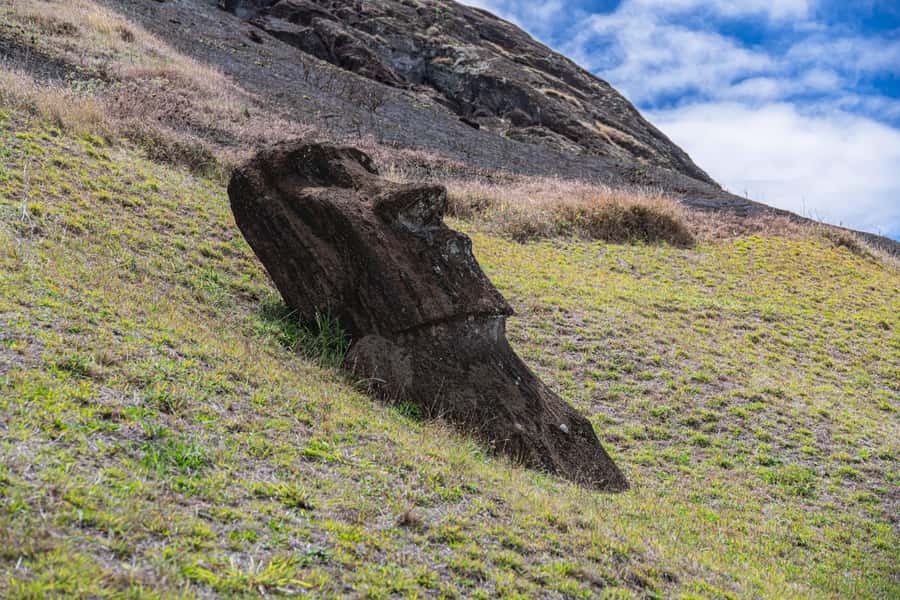
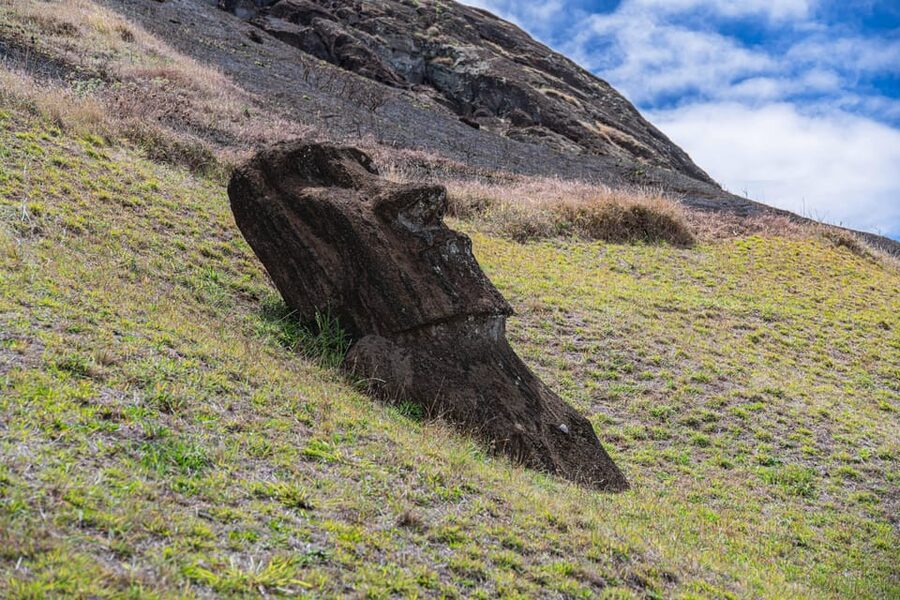
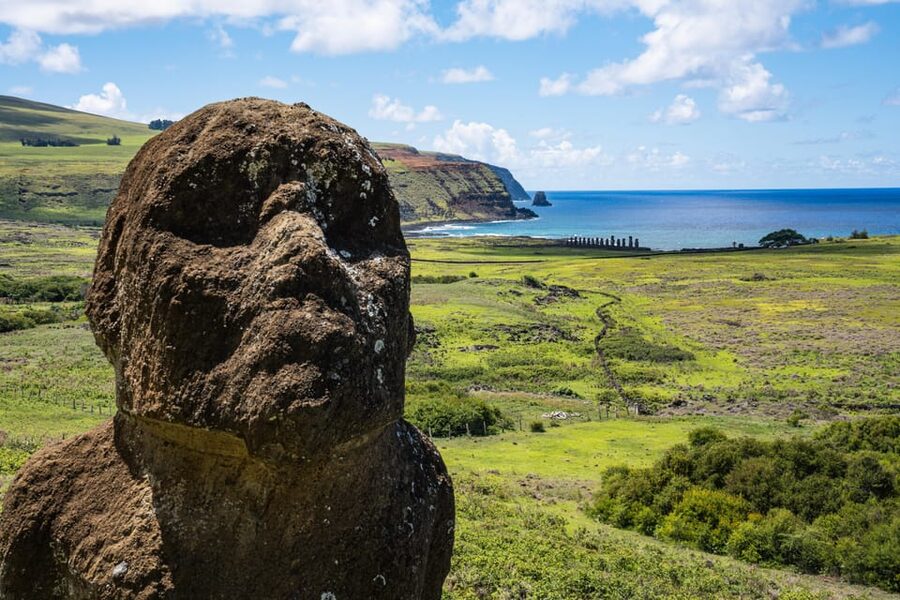
Rano Raraku is the emotional center of the day. This volcanic quarry is where the moai were carved, and the hillside still holds unfinished figures in different stages of production.
You spend about an hour here on a guided visit. That hour is important because the site is not just one viewpoint. You walk among the remains and see statues partly exposed from the earth, which gives you a much clearer sense of how they were shaped from the volcanic stone.
This is also where a good guide makes a major difference. The physical evidence is remarkable, but the explanation helps you understand why some moai were abandoned and how the quarry relates to the rest of the island. Several guides, including Frank, Enzo, and Hivi, have been praised for adding useful detail about Rapa Nui customs and the lives of its earlier inhabitants.
Bring a camera, but do not spend the whole hour looking through it. The scale of the unfinished statues is easy to miss in a quick snapshot. I would first listen to the introduction, then walk at the pace allowed by the group, leaving time to take photographs before returning to the vehicle.
Ahu Tongariki and the island’s most famous row
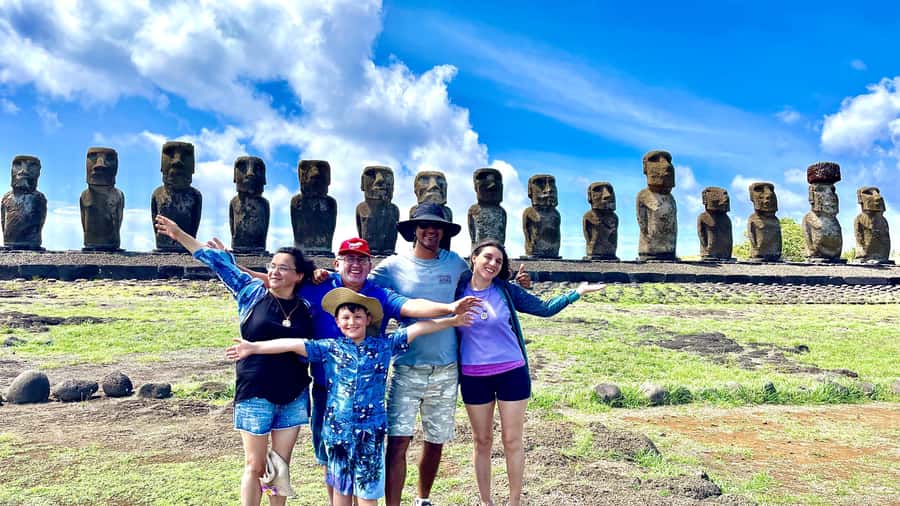
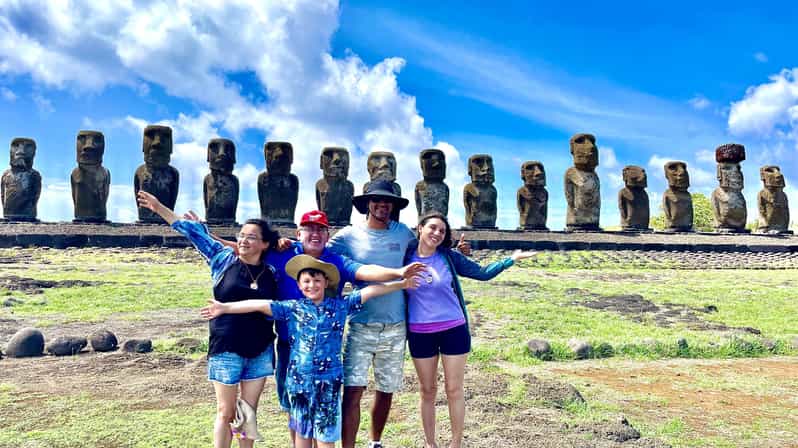
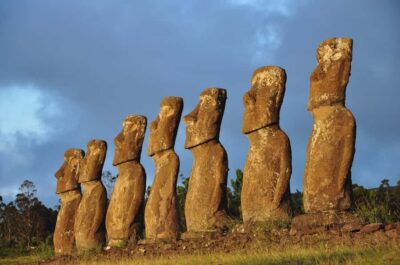
Ahu Tongariki is the visual high point for many people. Its fifteen restored moai form the largest platform of standing figures on Rapa Nui, with the open Pacific setting behind them.
You get about 45 minutes here, enough for a guided explanation and photographs if the group stays on schedule. The statues differ in size and shape, so look along the line rather than treating it as one repeated image. The arrangement shows the scale of the project and the skill needed to move and raise these immense stone figures.
This stop is a good example of why a guide is worth paying for. Without context, Tongariki can become a quick photo stop. With a clear explanation, you start noticing the platform, the placement of the figures, and the relationship between the ceremony site and the surrounding land.
The timing can feel short if you want long, quiet photographs. That is one of the tradeoffs of fitting the island’s major sites into one day. You see the essential view, but this is not a private tour with unlimited time at every platform.
Same long country, a very different day out:
- From Hanga Roa: Easter Island Highlights 2-Day Tour
★ 4.3 · 205 reviews - Sunrise Tongariki: Sunrise at Tongariki Park Private Tour
★ 4.5 · 47 reviews - Easter Island: Full-Day Tour to Anakena
★ 4.7 · 27 reviews - Hanga Roa: Full Day Moai and Mistery
★ 4.4 · 22 reviews
Te Pito Kura and the island’s spiritual side
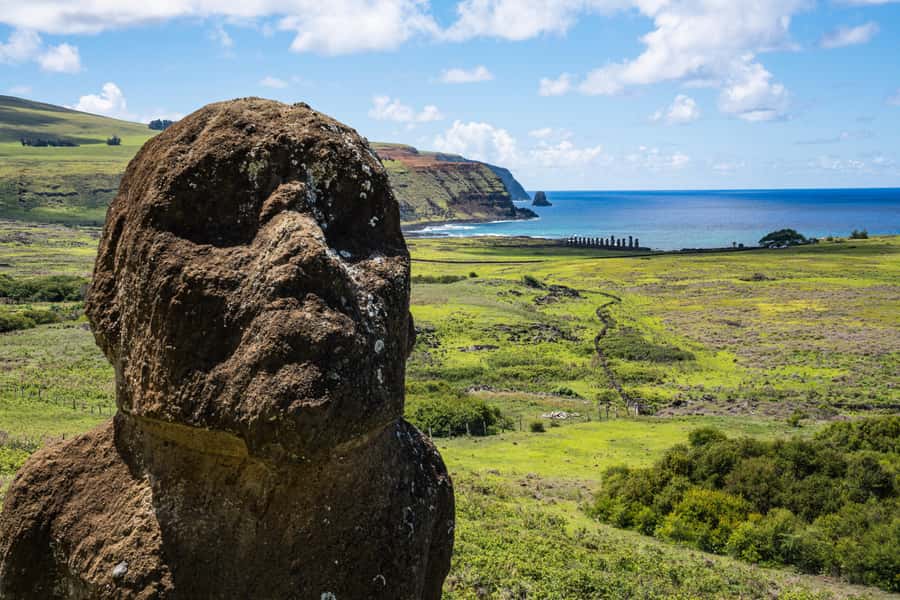
The next visit is Ahu Te Pito Kura, where you see the area associated with the famous magnetic stone. The stone has spiritual meaning in Rapa Nui tradition and is linked with stories of unusual power.
You spend about 45 minutes here, including a guided walk. This is a smaller stop than Tongariki, but it adds an important cultural layer to the day. The tour is not limited to statues. It also introduces places where the island’s beliefs and stories remain central to the experience.
Listen for the distinction between archaeological evidence, local tradition, and later interpretation. A respectful guide should explain those differences clearly. The majority of the guide feedback has praised the tour’s cultural explanations, but one departure included complaints about shallow information and inaccurate statements. That means the quality of the individual guide matters, even though the route itself is strong.
Anakena: finish with a beach and breathing room
Anakena gives the day a welcome change of pace. After the archaeological stops, you have about 90 minutes of free time at a palm-lined beach with clear blue water.
This is the place where I would bring swim shorts and a towel. A recent departure specifically praised the beach as an excellent place to swim, and another described it as a must for getting in the water. The tour data does not promise beach equipment or a particular meal arrangement, so pack the basics yourself.
You can use the free time to swim, take photographs, or simply sit and think about the sites you have seen. That flexibility helps balance the guided portions, since most earlier stops follow a set schedule.
Anakena is also a practical test of the day’s timing. If lunch runs late, this final stop can be shortened or missed. One person reported missing the last stop after a restaurant meal took too long, while another found lunch both expensive and as late as 3 p.m. Since lunch is not included, I would ask the guide about the meal plan early in the day and avoid lingering if the schedule is slipping.
Local guides are the main reason to choose this tour
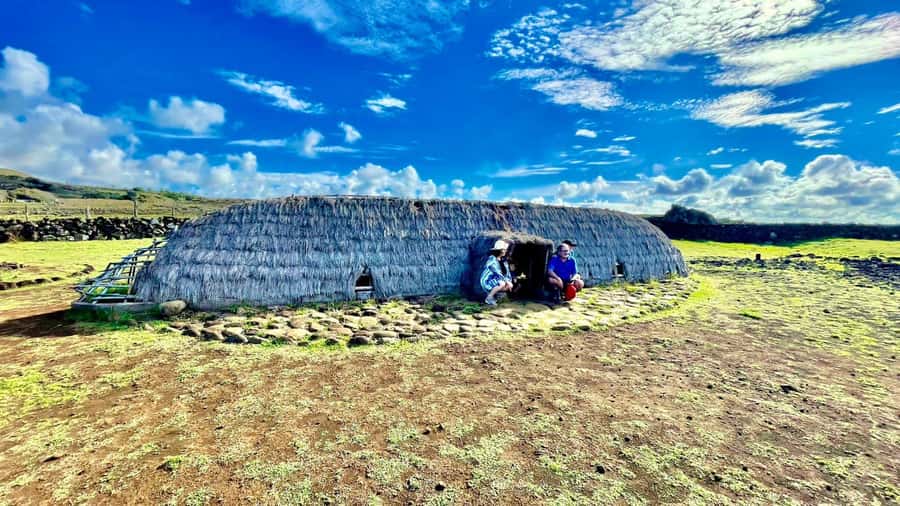
The strongest part of this experience is not the vehicle. It is the human explanation at each place. Guides such as Frank have been praised for speaking English clearly and, in one case, for speaking English, Spanish, and Rapa Nui. Javiera was described as respectful and well informed, while Zoe received especially warm praise for making the island’s past understandable.
A good guide can connect the moai with local customs instead of presenting them as isolated monuments. You may hear about the island’s traditions, legends, ceremonial practices, and the lives of its earlier people. That is the difference between seeing six stops and understanding why those stops matter.
The guide also affects the tone of the day. Positive departures describe friendly, patient leaders who answered questions and handled English and Spanish-speaking groups well. One small group had only four people, though group size is not guaranteed. Another departure had a guide who spoke little during bus rides and gave information that the guest later questioned.
I would not book this expecting a private, academic seminar. It is a sightseeing day with a practical route and a guide who may be excellent, very good, or less effective depending on the assignment. The overall rating of 4.6 from 307 ratings points to a strong general experience, but the individual guide remains an important variable.
Transport, timing, and the real cost of the day
The $80 price includes hotel pickup and drop-off in Hanga Roa, transportation, and a local guide. It does not include the National Park ticket or lunch, so your true cost will be higher.
Still, I think the base price is fair for the amount of ground covered. You reach Vaihu, Akahanga, Rano Raraku, Tongariki, Te Pito Kura, and Anakena in one day. A self-arranged visit might offer more control, but you would need to organize transport and find your own explanations at places where context matters.
The route is also a good fit if you have only one full day on the island. You will see the sites most often associated with Rapa Nui, including the quarry and the fifteen moai at Tongariki, without spending a day making separate arrangements.
The cost is less attractive if you dislike fixed schedules. The itinerary includes many short visits, and one person felt that minor attractions took time away from the most important moai sites. Another found the day relaxed and well paced, with enough time to explore and take photographs.
You should plan for weather changes. A departure continued through heavy rain and still reached many interesting sites, but outdoor visits are naturally less comfortable in poor weather. Wear practical shoes, bring sun and rain protection, and keep water with you. The supplied information confirms wheelchair accessibility, but you should still ask the operator about the walking conditions at specific archaeological sites if mobility is a concern.
Hotel pickup is included, and you should wait in the lobby 10 minutes before the scheduled time. Free cancellation up to 24 hours before departure and reserve-now, pay-later booking add flexibility if your island plans may change.
Who will get the most from this Rapa Nui tour?
I would choose this tour if you want the island’s main archaeological sites in a single organized day. It suits first-time visitors, people with a tight schedule, and anyone who wants cultural interpretation rather than a simple drive around the coast.
It is also a good match for photographers who want the classic locations, though the fixed timing means you cannot linger at every viewpoint. The final beach stop makes the day appealing to people who want some downtime after the moai sites.
Families and mixed-age groups may appreciate the included transport and moderate walking schedule. You should be ready for a long day, though, with regular boarding, outdoor walks, and limited control over meal timing.
I would look elsewhere if you want a private guide, a slow pace, or a detailed specialist treatment of every archaeological question. The route is broad and efficient, not leisurely. If your top priority is extra time at Tongariki or Rano Raraku, a smaller or private arrangement may serve you better.
Should you book it?
I would book this tour if you have one day to understand the essential Rapa Nui sites and want the security of local transport and a guide. The combination of Rano Raraku, Tongariki, and Anakena gives you the island’s strongest mix of archaeology, scenery, tradition, and beach time.
Before setting out, budget separately for the park ticket and lunch, bring swimwear and a towel, and ask how the lunch stop will fit into the schedule. If the group is running late, politely ask the guide to protect time at Anakena.
The tour offers real value, especially when a local guide such as Frank, Hivi, Javi, Javiera, Zoe, or Enzo is leading the day well. Just remember that the experience depends on both the guide and the pace. If you accept that tradeoff, this is a sensible way to see Rapa Nui’s headline sites without wasting your precious island hours.
FAQ
How long does the Rapa Nui Culture Sightseeing Tour last?
The tour lasts eight hours, beginning and ending in Hanga Roa.
Which sites are included?
The route includes Vaihu, Ahu Akahanga, Rano Raraku, Ahu Tongariki, Ahu Te Pito Kura, and Anakena Beach.
Is hotel pickup included?
Yes. Hotel pickup and drop-off in Hanga Roa are included. You should wait in the hotel lobby 10 minutes before your scheduled pickup.
Is lunch included?
No. Lunch is not included in the $80 price. The group may stop at a restaurant, but the meal cost is separate and timing can vary.
Is the National Park ticket included?
No. You must pay for the National Park ticket separately.
What languages are available?
The tour offers live guiding in English and Spanish.
Just added around Hanga Roa
- Volcanic Refuges: Excursion to Underground Civilization★ 4.7 · 8 reviews
- Sunrise Tongariki: Sunrise at Tongariki Park Private Tour★ 4.5 · 47 reviews
- Rapa Nui: Polynesian Massage★ 4.8 · 5 reviews
- Rapa Nui Highlights Program: 3 incredible tours to discover!★ 4.8 · 18 reviews
- Rapa Nui: 3 Excursions with Hotel Transfers★ 4.3 · 6 reviews
- Ahu Vinapu, Rano Kao and Orongo City Half-Day Tour★ 4.6 · 20 reviews
- Hanga Roa: Full Day Moai and Mistery★ 4.4 · 22 reviews
- Easter Island: Tropical Diving★ 4.8 · 13 reviews
Easter Island Moai Tours, compared.

Two days of Full Day Tour of Rapa Nui + Sunrise in Tongariki
Read our review →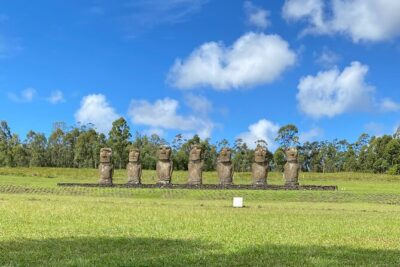
Adventures in Rapa Nui: High-quality tourism with Easter Island Your Tour.
Read our review →
Private Tour: The Underground World of Rapa Nui Caves
Read our review →
Ahu Vinapu, Rano Kao and Orongo City Half-Day Tour
Read our review →Browse the lists this tour appears in