
Reviewed · EASTER ISLAND TOURS
Easter Island: Tropical Diving
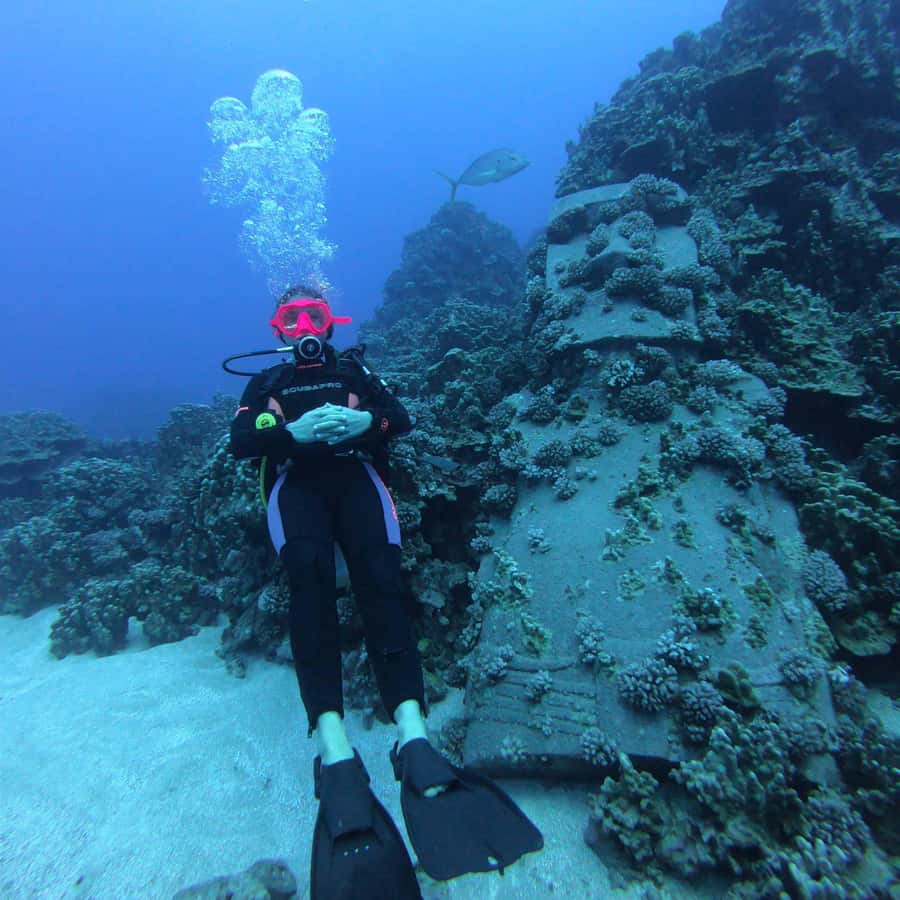
Rapa Nui’s most unusual sight may be below the surface: an underwater moai site reached from Hanga Piko. This 150-minute outing pairs a gentle one-hour scuba session with clear Pacific water, tropical fish, turtles, coral, and a chance to see the submerged statues if conditions and certification allow.
I like the small group of up to 10 people, which gives the instructor room to help with gear and nerves. I also like that equipment, photos, and video are included, so you can focus on the water instead of arranging extras. The main catch is timing. One session reportedly left about an hour late, so keep your day flexible.
In This Review
- Key points to know before booking
- Why Rapa Nui’s underwater world is worth your time
- Starting at Hanga Piko with a safety briefing
- Reaching the water site from Hanga Piko
- One hour among fish, coral, and turtles
- The underwater moai question
- Photos, video, and what to bring
- What the $139 price really covers
- Who should book this small-group session
- A few practical ways to improve the day
- Should you book the Rapa Nui underwater session?
- FAQ
- Where does the activity start?
- How long does the activity last?
- What languages does the instructor speak?
- How large is the group?
- Is scuba certification required?
- Do I need to know how to swim?
- What equipment is included?
- Are photos and video included?
- Can I take part if I fly within 12 hours?
Key points to know before booking
- The underwater moai site requires certification: Beginners can enjoy the marine life, but you cannot simply swim down to the statues without the right qualification.
- Your water site depends on conditions: The group travels from Hanga Piko by boat or vehicle, with the final location set according to the sea.
- You get a full equipment set: A wetsuit, mask, fins, buoyancy vest, and air tank are provided.
- The session works for beginners: A 30-minute safety briefing comes before the one-hour underwater portion, with individual guidance throughout.
- Photos and video are included: Bring a USB drive, memory card, or cable for transferring files to an Android phone or iPhone.
- Watch the flight rule: You cannot take part if you have flown within the previous 12 hours.
Why Rapa Nui’s underwater world is worth your time
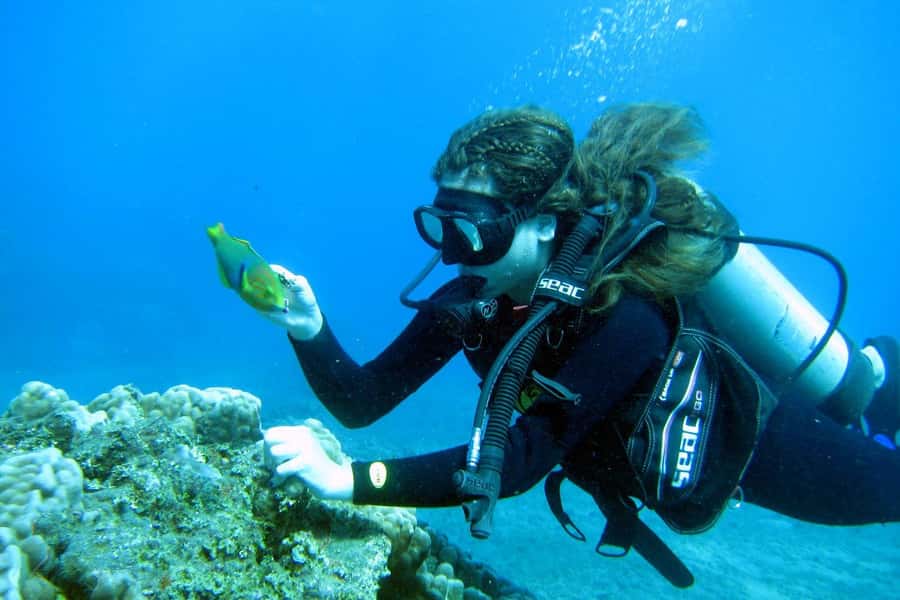
Most visitors come to Rapa Nui for the moai, but the Pacific around the island offers a different way to see the place. Below the surface, you may encounter tropical fish, turtles, coral, and unusually clear water. The appeal is not only the animal life. You also get a new angle on an island already known for its striking natural setting and ancient stone figures.
The underwater moai site adds a strong sense of place. It is the detail that makes this outing more than a standard beginner scuba session. However, you should set your expectations carefully. The information provided describes submerged moai statues, and one participant specifically noted that reaching the drowned moai requires scuba certification. If you are not certified, you may see marine life and coral but not necessarily reach the statues.
Water clarity is another major draw. Clear conditions can make a first underwater session less intimidating because you can see your surroundings. They also help you appreciate the colors and shapes of the fish and coral without needing advanced skills.
This is a short outing rather than a full-day program. That works well if you are fitting water time between visits to the island’s archaeological sites. It also means the one-hour underwater portion matters. The total 150 minutes includes the briefing and transport, so you are not spending the full period below the surface.
Other Hanga Roa days people book alongside this one:
- From Hanga Roa: Rapa Nui Culture Sightseeing Tour
★ 4.6 · 307 reviews - From Hanga Roa: Easter Island Highlights 2-Day Tour
★ 4.3 · 205 reviews - From Hanga Roa: Journey from Orongo to Ana Te Pahu
★ 4.3 · 75 reviews
Starting at Hanga Piko with a safety briefing
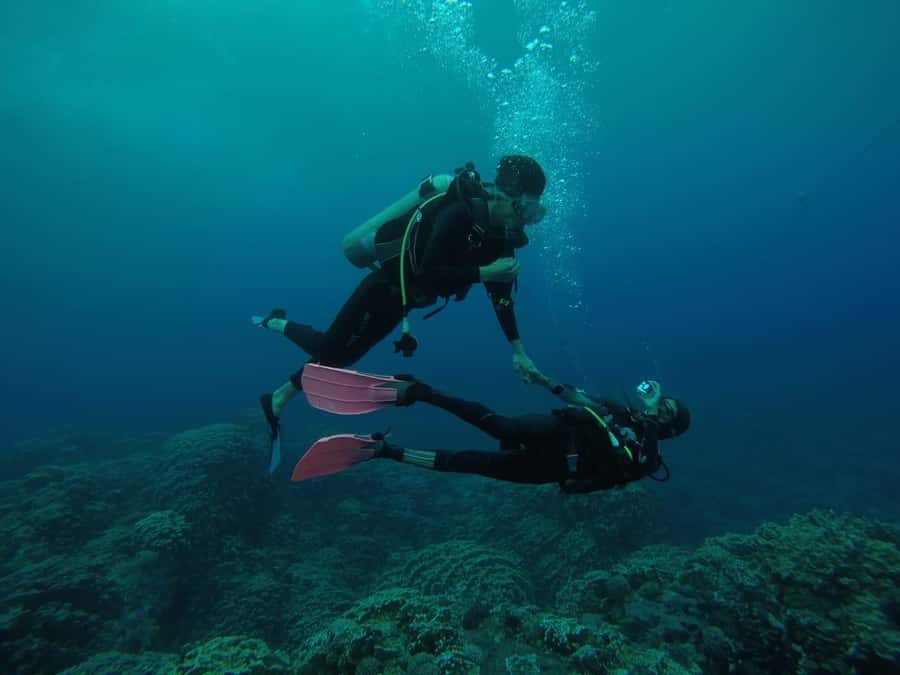
Your day begins at Hanga Piko, where the first scheduled portion lasts about 30 minutes. This is the point when you learn how the equipment works and receive instructions for the session ahead. For a beginner, this briefing is not filler. It is where you can ask questions, settle your breathing, and understand what to do if you feel uncomfortable underwater.
The center supplies a wetsuit, mask, fins, buoyancy vest, and air tank. You should still pay attention to fit. An ill-fitting mask or awkward fins can distract you during the session, so use the briefing to speak up about any problem before leaving shore.
The instructor accompanies you throughout the activity and provides personal guidance. That matters most if this is your first time using scuba equipment. A first-time participant described the outing as a good introduction and felt well cared for, while another person praised the company’s careful approach to safety.
The activity is offered in English and Spanish. That gives you a practical choice when discussing safety steps, comfort, and equipment. The group is capped at 10 people, a useful limit for an introductory session, though the actual level of personal attention can still depend on the group and sea conditions.
Reaching the water site from Hanga Piko
After the briefing, allow about 30 minutes for the transfer to the water site. The group may travel by boat or vehicle from Hanga Piko Cove, depending on maritime conditions. This flexibility is sensible around an island where the sea can affect plans, but it means the exact setting is not fixed when you book.
The transfer is part of the outing, not merely a walk to a nearby entry point. You should expect the trip to include time getting to and from the chosen site. If you have a tightly packed schedule, leave a buffer after the advertised 150 minutes.
One person had a late departure and lost nearly half a day because of the delay. That does not mean every session runs late, but it is a useful warning. The schedule can shift, and the conditions that determine the site may also affect departure time.
The meeting point is communicated 48 hours before the activity. Transportation to the meeting point is not included, so plan to make your own way there once the final location is confirmed. The published starting point is Hanga Piko, but you should wait for the provider’s message rather than assume every detail is final.
One hour among fish, coral, and turtles
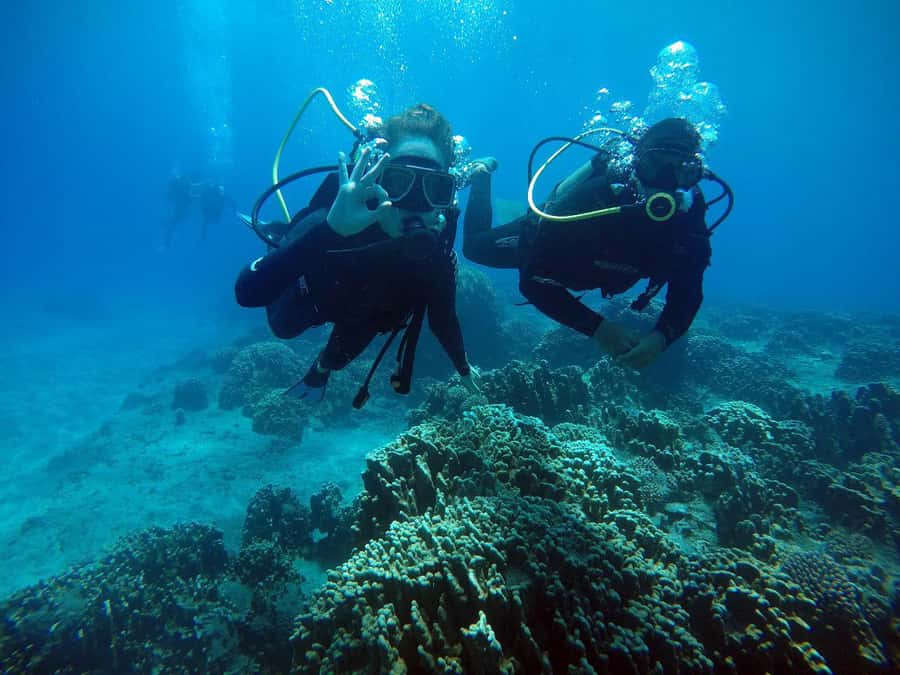
The main underwater session lasts one hour. That is enough time for a relaxed introduction to scuba and for observing marine life, but it is not the format for an extended technical outing or several separate descents.
The advertised marine life includes tropical fish, turtles, and coral. You might find the clear water especially helpful here. Fish can be easier to spot, and beginners have a better chance of enjoying the scene instead of worrying about what is just beyond their mask.
A first-time participant found the session easy and appreciated seeing fish and coral up close. Another person was surprised by the warm water and found a wetsuit comfortable in November. These details suggest that the suit is useful even when the sea does not feel especially cold, but the operator supplies the equipment rather than asking you to bring your own.
The session can also work for a certified participant. A certified diver booked what was presented as an introductory outing, then received accommodation for that person’s skill level. That is encouraging, although you should tell the center your certification and prior experience before the activity so the instructor can plan appropriately.
The center also says you do not need to know how to swim to take part. That is an important point for people considering a first attempt, but it does not remove the need to be comfortable following instructions and using the equipment. If you have serious concerns, discuss them with the provider before booking.
Same long country, a very different day out:
- Two days of Full Day Tour of Rapa Nui + Sunrise in Tongariki
★ 4.8 · 55 reviews - Sunrise Tongariki: Sunrise at Tongariki Park Private Tour
★ 4.5 · 47 reviews - Rapa Nui Dreams: Experiencie Pack 3 Days
★ 4.7 · 32 reviews - Easter Island: Full-Day Tour to Anakena
★ 4.7 · 27 reviews
The underwater moai question
The submerged moai are the feature most likely to shape your booking decision. The prospect of seeing stone figures below the Pacific is memorable, but access is not the same for every participant.
You need scuba certification to reach the moai at depth. A non-certified person cannot simply swim down far enough to see them. If you are booking because of the statues, confirm your qualification and tell the operator in advance. If you are not certified, treat the fish, coral, turtles, and clear water as the main purpose of the session.
The supplied information does not explain the origin or history of the underwater statues, so I would not book expecting a detailed archaeological tour. This is a water activity with an unusual moai-related site, not a land-based cultural talk. The instructor’s focus is safety and the underwater session.
That distinction keeps expectations realistic. Certified participants may find the moai a special addition to the outing. Beginners can still have a worthwhile session, but they should not assume the central statue sight is guaranteed.
Photos, video, and what to bring
Photos and video are included in the price. That is useful for a short water activity because you can concentrate on breathing, position, and marine life rather than trying to document everything yourself.
Bring a USB drive, memory card, or cable that can connect with your Android phone or iPhone. Without a way to transfer the files, you may not be able to take the included material with you in a useful format.
The activity description does not specify the number of photos, video length, or transfer method. I would therefore view the media as a welcome extra, not the main reason to pay. The value is in having a record of your first session or the underwater scenery, especially if you do not own a camera suited to water.
You should also remember the flight restriction. You cannot take part if you fly within 12 hours of the session. This matters on a small island, where many itineraries include arrival or departure flights close to planned activities. Check your flight times before paying, not after.
What the $139 price really covers
At $139 per person, the cost includes the guided activity, full equipment rental, and photos and video. The equipment list is substantial: wetsuit, mask, fins, buoyancy vest, and tank. You also receive instruction and transport from Hanga Piko to the selected water site, though transportation to the meeting point is not included.
I see the price as reasonable if you are a beginner who would otherwise need to arrange equipment and instruction separately. The small group limit and personal guidance add practical value, particularly for someone who wants a first taste of scuba without committing to a certification course.
The value is less clear if you are already certified and looking for a long or advanced session. You receive only one hour underwater, and the program is designed to suit all skill levels rather than focus on technical exploration. A certified participant was accommodated successfully, but you should decide if the shorter format matches your goals.
The included media helps balance the cost. So does the flexibility shown when two people became ill and the operator changed their activity to snorkeling. That alternative was not guaranteed as a standard feature, but it shows some willingness to adapt when health makes scuba unwise.
Who should book this small-group session
I would recommend this outing most strongly to:
- First-time participants who want a supported introduction to scuba
- Certified participants interested in a short session near the underwater moai site
- People who value clear water, tropical fish, coral, and turtles
- Couples or small groups who want photos and video included
- Visitors with enough schedule space to handle a possible delay
It is less suitable for children under 12, people with heart problems, people with high blood pressure, and people with altitude sickness. Alcohol and drugs are not allowed.
You should also think about your flight schedule, health, and comfort in the water. The center says swimming ability is not required, but you still need to take the safety instructions seriously and tell the instructor about any concern.
A few practical ways to improve the day
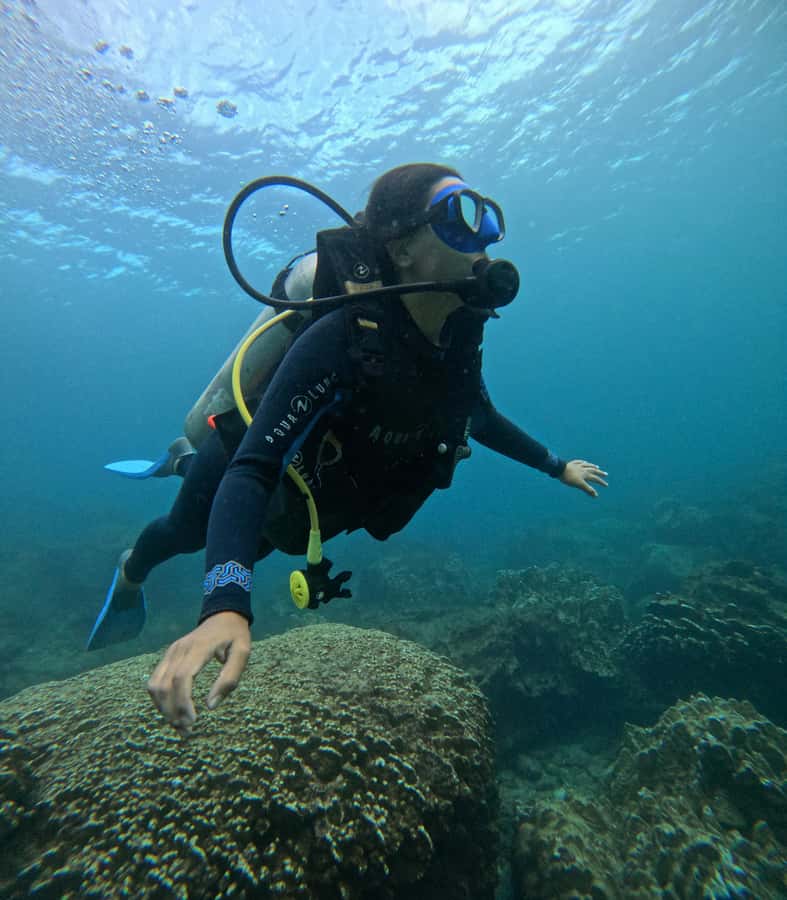
Keep your schedule open around the 150-minute duration. The planned structure is 30 minutes for safety, 30 minutes for transport, one hour underwater, and another 30 minutes returning, but conditions or staff timing may alter that rhythm.
Arrive ready to discuss equipment fit. Ask questions during the briefing rather than waiting until you are in the water. If you are certified, carry the details of your qualification and make your experience level clear.
Bring a transfer cable or storage device for the media. This is easy to forget, and it would be frustrating to receive photos and video without a way to move them to your phone.
Finally, confirm the meeting details 48 hours before the start. The provider sets the meeting point and sends the information then. Since transport to that point is not part of the price, this message affects your plans.
Should you book the Rapa Nui underwater session?
Book it if you want a manageable first scuba outing with equipment, instruction, and media included. The clear water, tropical marine life, and chance to see an underwater moai site give it more character than a routine introductory session. The small group and careful safety approach are strong reasons to choose it.
Certified participants should book only after confirming what they can access at the site. The moai require certification, and the session remains a compact one-hour underwater program. If you want an unhurried, advanced outing, this may feel limited.
The final decision comes down to flexibility. Accept the possibility of a delayed start, check the 12-hour flight rule, and do not treat the submerged moai as guaranteed for non-certified participants. With those points clear, this is a good-value way to see a quieter side of Rapa Nui.
FAQ
Where does the activity start?
The scheduled starting location is Hanga Piko.
How long does the activity last?
The total duration is 150 minutes. The planned schedule includes a 30-minute safety briefing, 30 minutes of transport to the site, one hour underwater, and 30 minutes of return transport.
What languages does the instructor speak?
Instruction is available in English and Spanish.
How large is the group?
The activity is limited to 10 participants.
Is scuba certification required?
Certification is required to reach the submerged moai. The activity also accepts beginners for an introductory scuba session.
Do I need to know how to swim?
The provider states that swimming ability is not necessary for this activity.
What equipment is included?
The price includes a wetsuit, mask, fins, buoyancy vest, and diving tank.
Are photos and video included?
Yes. Bring a USB drive, memory card, or cable to transfer the files to an Android phone or iPhone.
Can I take part if I fly within 12 hours?
No. You cannot take part if you have flown within the previous 12 hours.
Just added around Hanga Roa
- Volcanic Refuges: Excursion to Underground Civilization★ 4.7 · 8 reviews
- Sunrise Tongariki: Sunrise at Tongariki Park Private Tour★ 4.5 · 47 reviews
- Rapa Nui: Polynesian Massage★ 4.8 · 5 reviews
- Rapa Nui Highlights Program: 3 incredible tours to discover!★ 4.8 · 18 reviews
- Rapa Nui: 3 Excursions with Hotel Transfers★ 4.3 · 6 reviews
- Ahu Vinapu, Rano Kao and Orongo City Half-Day Tour★ 4.6 · 20 reviews
- Hanga Roa: Full Day Moai and Mistery★ 4.4 · 22 reviews
- Easter Island: The Moai Trail Private Archeological Tour★ 4.9 · 12 reviews
Easter Island Tours, compared.

Two days of Full Day Tour of Rapa Nui + Sunrise in Tongariki
Read our review →
Browse the lists this tour appears in