
Reviewed · EASTER ISLAND MOAI TOURS
Rapa Nui: 3 Excursions with Hotel Transfers
Rapa Nui’s moai are the headline, but the quarries and ceremonial sites explain how this remote island was shaped. This three-part tour takes you from the crater rim at Orongo to the 15 statues at Ahu Tongariki, then gives you beach time at Anakena.
I like the broad coverage and the included hotel transfers, especially since the sites are spread across the island. I also like the mix of short tours and one longer day, which lets you see major highlights without spending every hour on one bus. The main drawback is that the first two half-days may feel less exciting than the full-day trip, and the unusual six-hour validity wording is worth confirming before you pay.
In This Review
- Key points at a glance
- Why this three-tour plan works on Rapa Nui
- Orongo and Rano Kau: a strong first look
- Ahu Vinapu and the first afternoon’s quieter pace
- Akahanga and Vaihu: moai sites with a human story
- Rano Raraku, where the moai began
- Ahu Tongariki and the force of 15 moai
- Te Pito Kura and the largest planned moai
- Anakena Beach gives the day a welcome change
- What the $177 price really covers
- Timing, comfort, and practical preparation
- Who should book these three excursions
- Should you book it?
- FAQ
- What is included in the Rapa Nui tour?
- How much does the experience cost?
- How long is the activity?
- Where does pickup take place?
- Is the national park ticket included?
- Are food and drinks included?
- Which languages are available?
- Is the tour suitable for wheelchair users?
- What should I bring?
- Can I cancel for a refund?
Key points at a glance
- Three separate outings: Two half-day tours are followed by one full-day circuit around Rapa Nui.
- Orongo and Rano Kau: Walk through a sacred ceremonial village perched beside a volcanic crater.
- Rano Raraku Quarry: See where much of the island’s statue stone was cut.
- Ahu Tongariki: Face 15 restored moai, including the heaviest statue ever erected on the island.
- Anakena Beach: Finish the long day with one hour beside white sand and palm trees.
- Guide Uca: An English and Spanish-speaking guide is specifically praised for keeping a bilingual group interested.
Why this three-tour plan works on Rapa Nui
Rapa Nui is small enough to cross by road, yet its important sites are scattered around the coast and inland slopes. A single short outing would give you only fragments. This plan covers the southern peninsula, the northwest, and the eastern and northern sides in three sessions.
I like the rhythm. The first day is split into morning and afternoon visits, so you are not committed to one long stretch in a vehicle. The second day is the big circuit, with the quarry, the largest ceremonial platform, a giant unfinished moai, and Anakena Beach all included.
The schedule also gives you a useful introduction before the biggest sights. Orongo and Rano Kau explain the island’s ceremonial world. Puna Pau shows how the red stone headdresses were made. Ahu Akivi and Tahai then bring you close to completed statues and village remains.
The full-day outing carries more visual weight. If your time is limited, that is the portion I would protect first. Still, booking all three means you do not have to choose between the famous moai platforms and the less obvious sites that make the island easier to understand.
More easter island moai tours in Hanga Roa:
- From Hanga Roa: Rapa Nui Culture Sightseeing Tour
★ 4.6 · 307 reviews - From Hanga Roa: Journey from Orongo to Ana Te Pahu
★ 4.3 · 75 reviews - Two days of Full Day Tour of Rapa Nui + Sunrise in Tongariki
★ 4.8 · 55 reviews
Orongo and Rano Kau: a strong first look
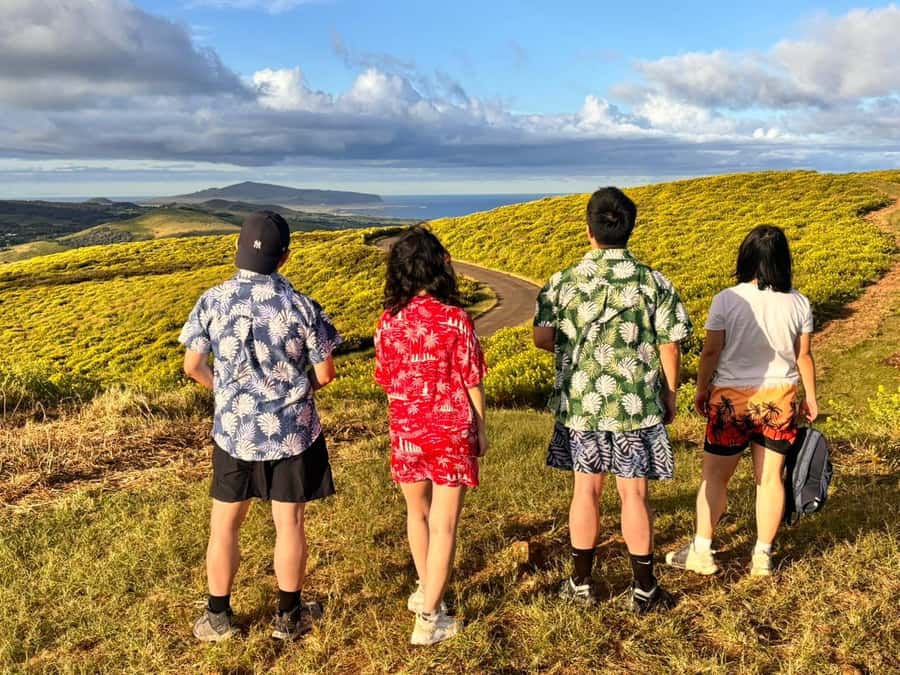
The morning begins with pickup outside your hotel in Hanga Roa and heads toward the island’s south peninsula. The main stop is Orongo Ceremonial Village, set at the edge of the Rano Kau Crater.
This is more than a place to photograph stone buildings. Orongo is tied to Rapa Nui’s sacred traditions, and its position beside the crater gives the visit a clear sense of place. You can expect open views around the crater and a setting that feels very different from the coastal platforms.
Bring a hat, sunscreen, water, and breathable clothing. Outdoor exposure is part of the day, and comfortable shoes will make the walking easier. The supplied details do not give a precise walking distance, so I would plan for uneven outdoor ground rather than a polished indoor attraction.
Rano Kau adds the volcanic setting that makes Orongo memorable. The crater itself is one of the tour’s key visual moments, while the ceremonial village gives the view cultural meaning. If you prefer tours built around ruins and stories rather than only photo stops, this is one of the more useful half-day visits.
Ahu Vinapu and the first afternoon’s quieter pace
The morning continues to Ahu Vinapu, another ceremonial site. It does not carry the same instant recognition as Ahu Tongariki, but it adds another piece to the island’s moai tradition.
This first half-day may feel measured rather than packed. That is not necessarily bad. Rapa Nui rewards time to look carefully, and a quieter site can help you notice the difference between a ceremonial platform, a quarry, and a village setting.
The afternoon moves to the northwest and begins at Puna Pau Quarry. This is where the stone for the moai headdresses was sourced. The stop matters because it separates the statue itself from the red topknot-like piece placed above it. You get a clearer sense that these monuments involved more than one type of stone and more than one stage of work.
The afternoon then visits Ahu Akivi, where seven moai face inland. The group of seven gives you a compact, memorable view of completed statues without the scale of Tongariki. Afterward, you visit Tahai Village, another important ceremonial and settlement area.
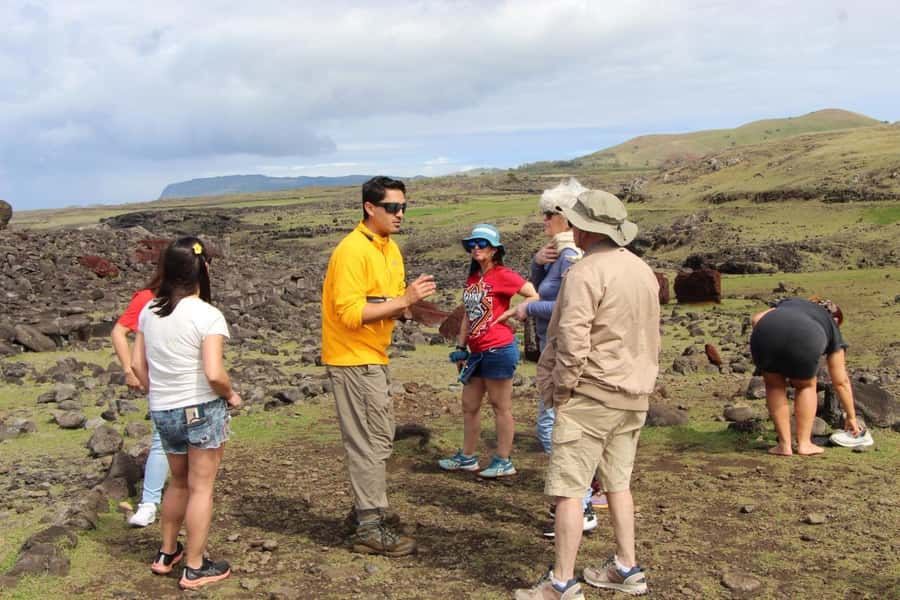
This half-day is a good match for anyone who wants the basic story of statue production and ceremonial life. If you mainly want dramatic scenery, it may feel less powerful than the next day. The guide matters here. Uca is specifically noted for keeping an English and Spanish-speaking group engaged, a useful skill on a site-heavy afternoon where interpretation makes the difference.
Akahanga and Vaihu: moai sites with a human story
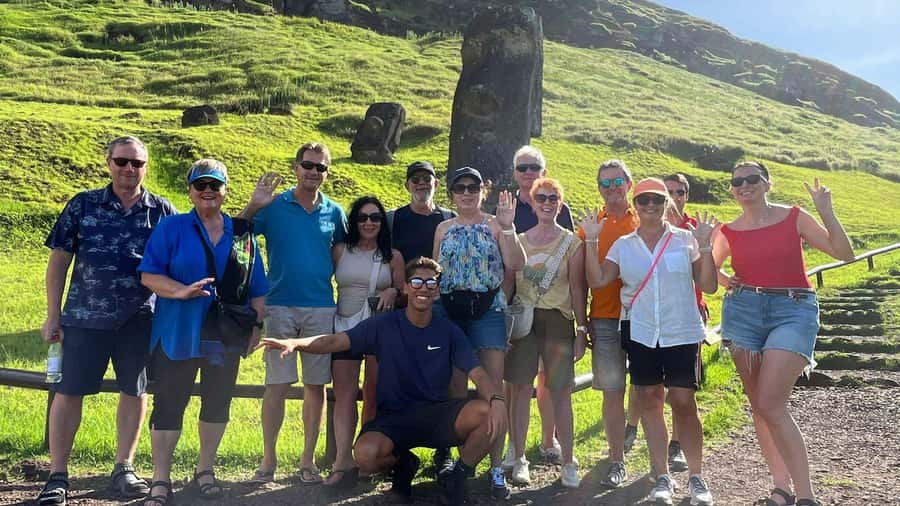
The second day begins with hotel pickup for a full-day route through the southeast and northeast parts of the island. The first stops are the Vaihu Complex and Akahanga Village.
Akahanga is linked with the burial place of the first king of Rapa Nui, according to the tour information. That gives the stop a personal and political angle, rather than presenting the island only as a collection of statues. You are looking at a place connected with leadership, burial, and community memory.
Vaihu adds another ceremonial site to the day. Together, these stops create a useful contrast with the more polished or widely photographed platforms later on. You may find the early portion less immediately dramatic, but it helps show that Rapa Nui’s story is not limited to the statues that remain upright.
The full-day schedule can also make these first stops feel like a warm-up for Rano Raraku. Bring water and outdoor clothing from the start. Food and drinks are not included, so you need to plan for your own refreshments, especially on a long day away from Hanga Roa.
Same long country, a very different day out:
- From Hanga Roa: Easter Island Highlights 2-Day Tour
★ 4.3 · 205 reviews - Sunrise Tongariki: Sunrise at Tongariki Park Private Tour
★ 4.5 · 47 reviews - Rapa Nui Dreams: Experiencie Pack 3 Days
★ 4.7 · 32 reviews - Easter Island: Full-Day Tour to Anakena
★ 4.7 · 27 reviews
Rano Raraku, where the moai began
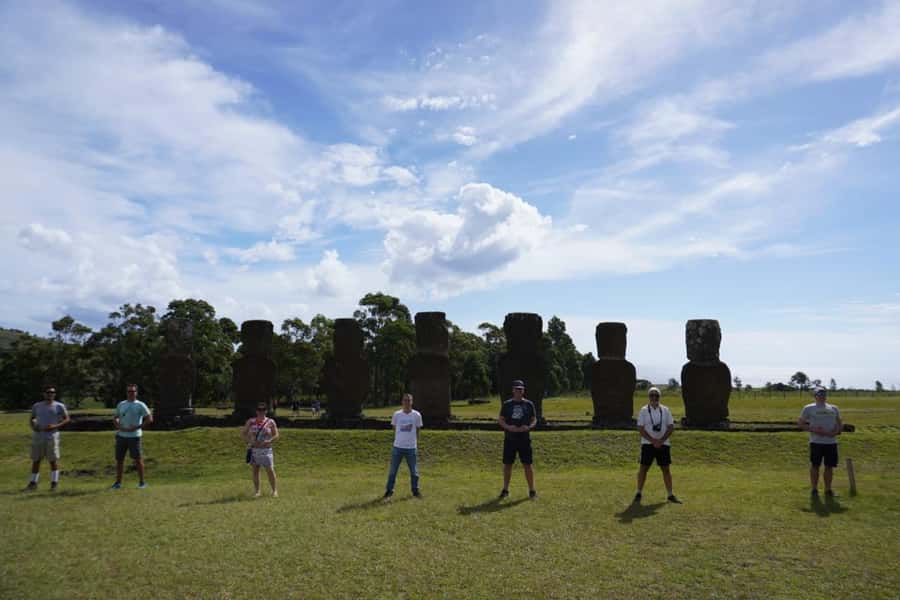
Rano Raraku is the centerpiece of the full-day outing. This quarry supplied most of the stone used for the island’s statues, so it lets you see the worksite behind the finished monuments.
The value here is the unfinished quality. At a completed ahu, you see a moai as a monument. At Rano Raraku, you can think about cutting, shaping, and moving the stone before the statue ever reached a ceremonial platform. That makes the later stops more meaningful.
The tour includes lunch at a restaurant directly in front of the quarry. Lunch itself is not included, so budget separately for the meal. The restaurant location should make the midday break practical, but you should not assume that food is covered by the $177 price.
I would give this stop your full attention. It is one of the places where the island’s statue tradition becomes easier to picture, even if you are not deeply interested in archaeology. The quarry changes the question from how do these statues look to how were they made and transported.
The exact amount of walking is not provided, so wear shoes that can handle an outdoor site. A camera is useful, but do not let it replace simply looking at the unfinished forms and the volcanic setting around them.
Ahu Tongariki and the force of 15 moai
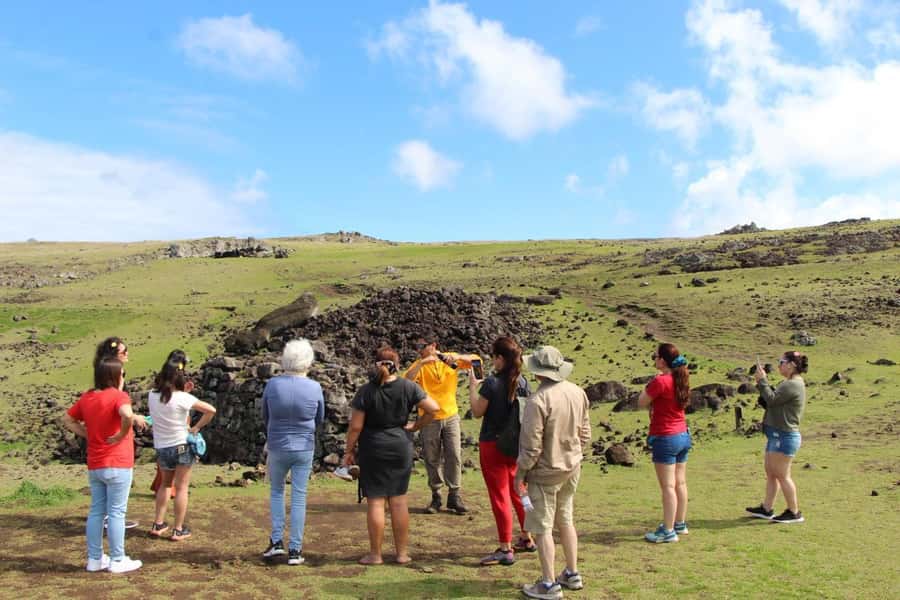
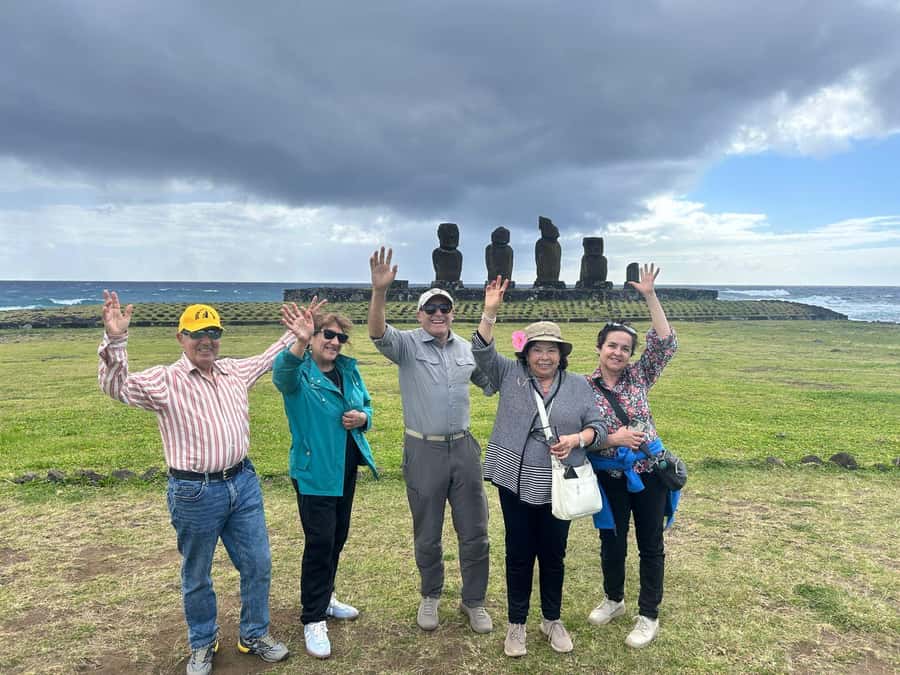
After lunch, the route continues to Ahu Tongariki. Fifteen moai line the ceremonial platform, making this one of the tour’s biggest visual moments.
The group gives you scale in a way that a single statue cannot. You can compare the figures, the platform, and the wide setting around them. The tour also points out the heaviest statue ever erected on the island, adding a detail that helps you focus on the physical challenge behind the monument.
Tongariki is likely to be the part of the trip you remember most clearly. It is also a place where a guide can add real value by explaining what you are seeing rather than simply allowing a quick stop for photographs. With a bilingual tour, Uca’s ability to hold the group’s interest is especially useful.
The stop belongs to a long day, however. By this point, you may have already seen several ceremonial sites and spent time at the quarry. Take water, protect yourself from the sun, and use your camera thoughtfully. The supplied schedule does not give exact stop lengths, so keep a little flexibility in your expectations.
Te Pito Kura and the largest planned moai
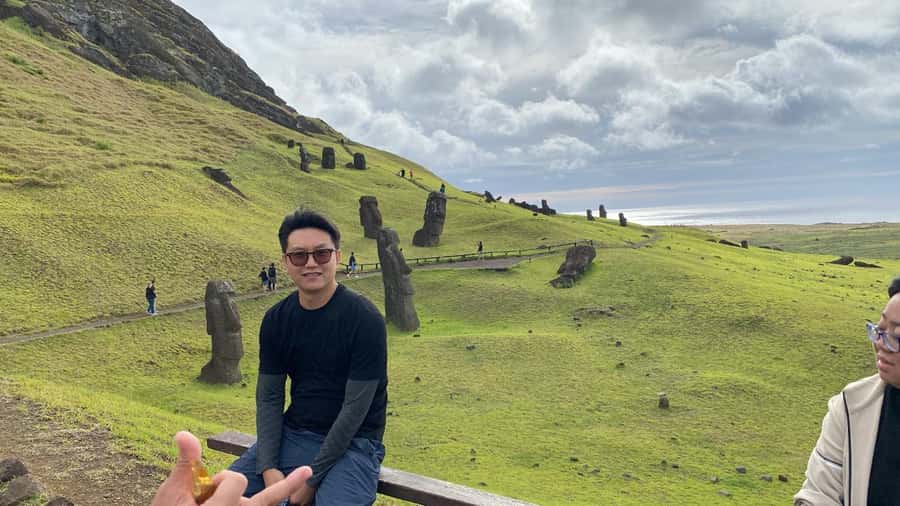
The next stop is Te Pito Kura, home to the largest moai ever built, measuring 10 meters tall. The statue is not simply another entry on a checklist. Its size gives you a sense of how ambitious the island’s monument building became.
There is a useful progression across the tour. Puna Pau explains the headdresses, Rano Raraku explains the stone source, and Te Pito Kura shows the scale of the finished ambition. By this point, the many statue sites begin to fit together as one story.
That said, the day contains a lot of similar-sounding names and ceremonial platforms. I recommend keeping notes or taking a quick photograph of each site sign if you want to remember which place was which. The guide should help, but a little personal organization will make your memories clearer later.
Anakena Beach gives the day a welcome change
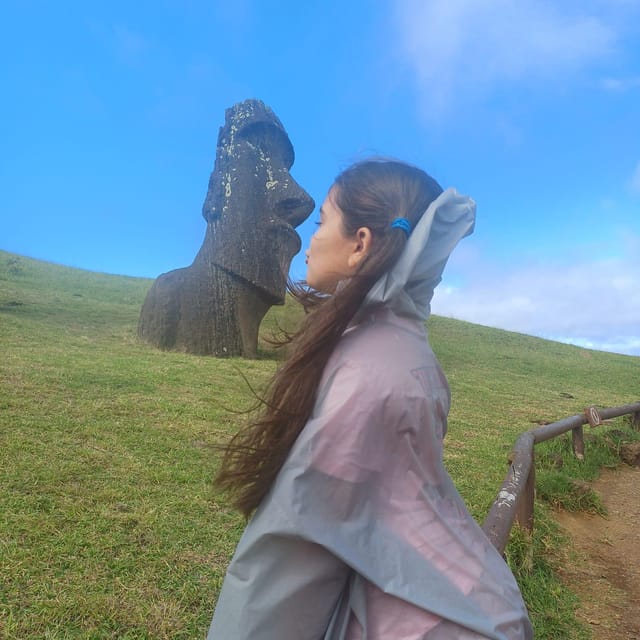
The final major stop is Anakena Beach, where you get one hour of free time. White sand, palm trees, and a beach break bring a welcome change after a full day of stone platforms and quarry sites.
Bring beachwear, a towel, and sunscreen if you want to make proper use of the hour. The tour information specifically recommends these items, so this is not merely a scenic overlook. You have time to relax by the water and take in a softer side of Rapa Nui.
The beach stop is also one reason the full-day outing feels balanced. Without it, the day would be almost entirely archaeological and ceremonial. With it, you get a short pause that lets you reset before returning to Hanga Roa.
One hour is enough for a break, not an extended beach day. If you want long swimming or sunbathing time, this schedule will feel limited. If you simply want white sand, palms, and a chance to rest after the quarry and Tongariki, it is well placed.
What the $177 price really covers
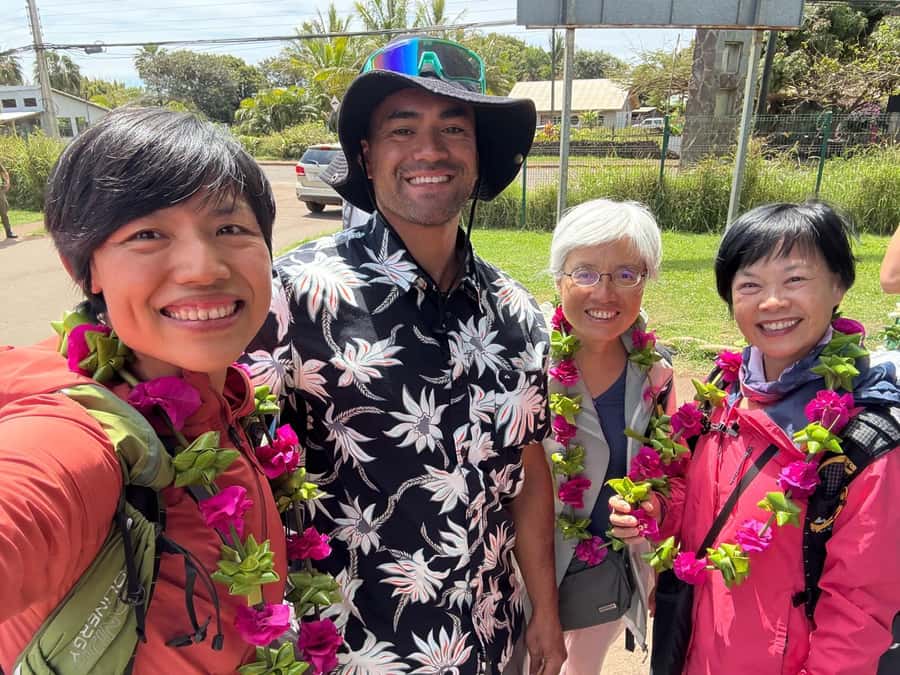
At $177 per person, the package is easiest to judge as a transport and guiding solution rather than as three isolated sightseeing tickets. You receive airport reception with a flower necklace, hotel pickup and drop-off, transportation, an English or Spanish-speaking guide, two half-day tours, and one full-day excursion.
That coverage can be valuable on an island where the major places are spread out. You do not have to arrange separate transport for the southern, northwestern, eastern, and northern routes. You also get a guide to connect the sites, which is important when several visits involve ceremonial platforms and statue remains.
The national park ticket is not included. Food and drinks are also extra, including lunch on the full-day outing. Add those costs before deciding that the listed price is your complete budget.
The strongest value comes if you want broad coverage and prefer organized transport. You may find better value elsewhere if you already have a vehicle, want to move at your own pace, or care more about spending a long time at just two or three sites.
Timing, comfort, and practical preparation
The information gives the activity a validity of six hours from first activation, while the experience itself is described as two half-day tours and one full-day excursion over the schedule. That wording deserves clarification when booking. Ask exactly how the six-hour validity applies to the three outings so you do not face a surprise after the first tour.
Pickup is outside your hotel in Hanga Roa, and return is also to Hanga Roa. Airport reception with a flower necklace is included, which is a pleasant practical touch if this is part of your arrival plans.
The tour is not suitable for wheelchair users. Bring:
- Comfortable shoes
- A hat and sunscreen
- Water
- A camera
- Breathable outdoor clothing
- Beachwear and a towel
- Your passport, or a copy if accepted for the activity
Smoking, alcohol, and drugs are not allowed. Free cancellation is available up to 24 hours before the activity for a full refund, and reserve-now, pay-later booking is offered.
Who should book these three excursions
I would choose this package if you want the main Rapa Nui sites covered with minimal transport planning. It suits first-time visitors who want a guide, hotel pickup, and a clear route through the island’s major ceremonial places.
It also works well if you value variety. You get crater scenery, village remains, quarries, moai platforms, and a beach, rather than three days of nearly identical statue stops.
You should think twice if you dislike structured schedules or need wheelchair access. The full-day outing is long and includes many stops, while the first half-day visits may feel less gripping if your only goal is to see the biggest moai groups.
Should you book it?
Book this tour if you want an efficient first look at Rapa Nui and are happy to pay separately for the national park ticket, food, and drinks. The full-day route is the strongest part, with Rano Raraku, Ahu Tongariki, Te Pito Kura, and Anakena Beach forming a memorable sequence.
The two half-days make the package more complete, especially if you want Orongo, Rano Kau, Puna Pau, Ahu Akivi, and Tahai without arranging your own transport. Before booking, confirm the six-hour validity language and ask how the three outings are scheduled. If that timing works for you, the package offers a practical way to see both famous monuments and the sites that explain them.
FAQ
What is included in the Rapa Nui tour?
The package includes airport reception with a flower necklace, two half-day tours, one full-day excursion, transportation, hotel pickup and drop-off, and an English or Spanish-speaking guide.
How much does the experience cost?
The listed price is $177 per person.
How long is the activity?
It includes two half-day tours and one full-day tour. The booking information also says the activity is valid for six hours from first activation, so confirm how that validity applies to the complete schedule.
Where does pickup take place?
Pickup is provided outside your hotel in Hanga Roa. The tours also return to Hanga Roa.
Is the national park ticket included?
No. The national park ticket is not included in the price.
Are food and drinks included?
No. Food and drinks are not included. Lunch is scheduled at a restaurant in front of Rano Raraku Quarry, but you pay for it separately.
Which languages are available?
The live guide service is available in English and Spanish.
Is the tour suitable for wheelchair users?
No. The activity is not suitable for wheelchair users.
What should I bring?
Bring comfortable shoes, a hat, sunscreen, water, a camera, beachwear, a towel, breathable clothing, outdoor clothing, and your passport. A copy of your passport is accepted according to the provided information.
Can I cancel for a refund?
Yes. You can cancel up to 24 hours in advance for a full refund. Reserve-now, pay-later booking is also available.
Just added around Hanga Roa
- Volcanic Refuges: Excursion to Underground Civilization★ 4.7 · 8 reviews
- Sunrise Tongariki: Sunrise at Tongariki Park Private Tour★ 4.5 · 47 reviews
- Rapa Nui: Polynesian Massage★ 4.8 · 5 reviews
- Rapa Nui Highlights Program: 3 incredible tours to discover!★ 4.8 · 18 reviews
- Hanga Roa: Full Day Moai and Mistery★ 4.4 · 22 reviews
- Ahu Vinapu, Rano Kao and Orongo City Half-Day Tour★ 4.6 · 20 reviews
- Easter Island: Tropical Diving★ 4.8 · 13 reviews
- Easter Island: The Moai Trail Private Archeological Tour★ 4.9 · 12 reviews
Easter Island Moai Tours, compared.

Two days of Full Day Tour of Rapa Nui + Sunrise in Tongariki
Read our review →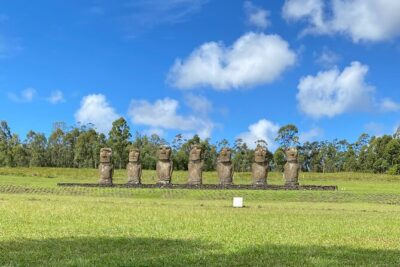
Adventures in Rapa Nui: High-quality tourism with Easter Island Your Tour.
Read our review →
Private Tour: The Underground World of Rapa Nui Caves
Read our review →
Browse the lists this tour appears in