
Reviewed · EASTER ISLAND TOURS
Easter Island: Full-Day Tour to Anakena
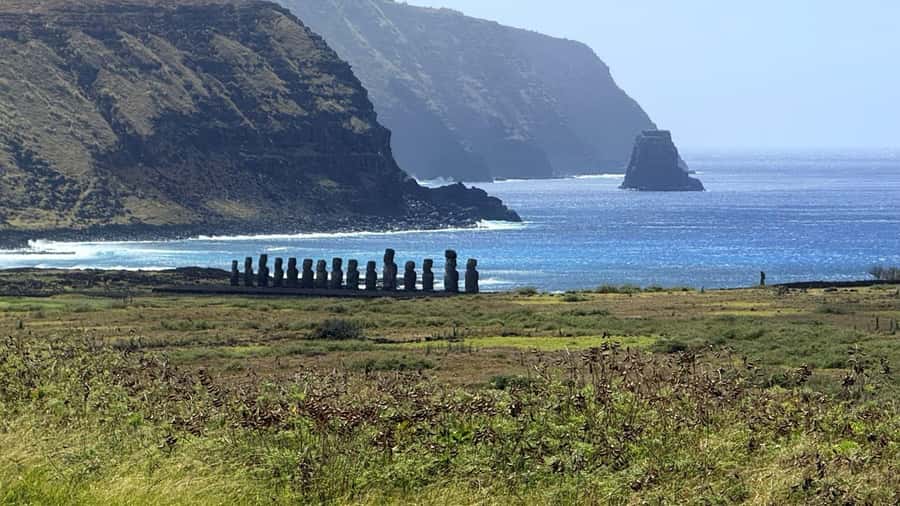
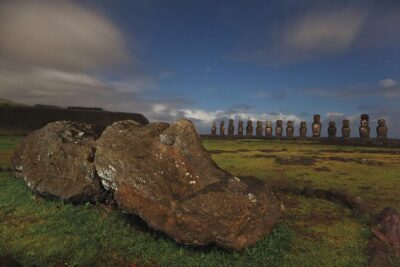
The most powerful moment comes at Ahu Tongariki, where 15 enormous moai face inland from a broad stone platform near the sea. From there, the route moves to Rano Raraku, the volcanic quarry where more than 390 statues remain in and around the crater. It is a big day, but it gives you a strong first look at Easter Island’s sacred sites, volcanoes, and beaches.
I like two things right away: the tour links the major moai sites instead of treating them as isolated photo stops, and it ends with time at Anakena Beach, one of the island’s best places for swimming. Guides including Bruno and Vincent have also made a strong impression with clear explanations of civil wars, earthquakes, tsunamis, and the difficult work required to restore the statues.
The main drawback is the extra National Park entrance fee, which adds $100 to the $171 tour price. You also need good weather, and the schedule is full enough that this suits active sightseers better than anyone wanting a slow beach day.
In This Review
- Key points to know before booking
- Why this eight-hour route works well
- Ahu Akahanga and the first look at Easter Island’s ceremonial sites
- Ahu Tongariki and 15 moai by the ocean
- Rano Raraku, the quarry of more than 390 moai
- Ahu Nau Nau and the road toward Anakena
- Anakena Beach, caves, Poike, and Ovahe
- What the guide adds to the day
- Is $171 a fair price?
- Who should book this tour?
- Practical advice for making the most of the day
- Should you book the Anakena tour?
- FAQ
- How long does the Easter Island tour last?
- Where does the tour begin and end?
- What languages are available?
- Is lunch included?
- Is the National Park entrance fee included?
- Does the tour visit Anakena Beach?
- Should I bring a towel?
- Can cruise ship passengers join this tour?
- Can wheelchair users take this tour?
Key points to know before booking
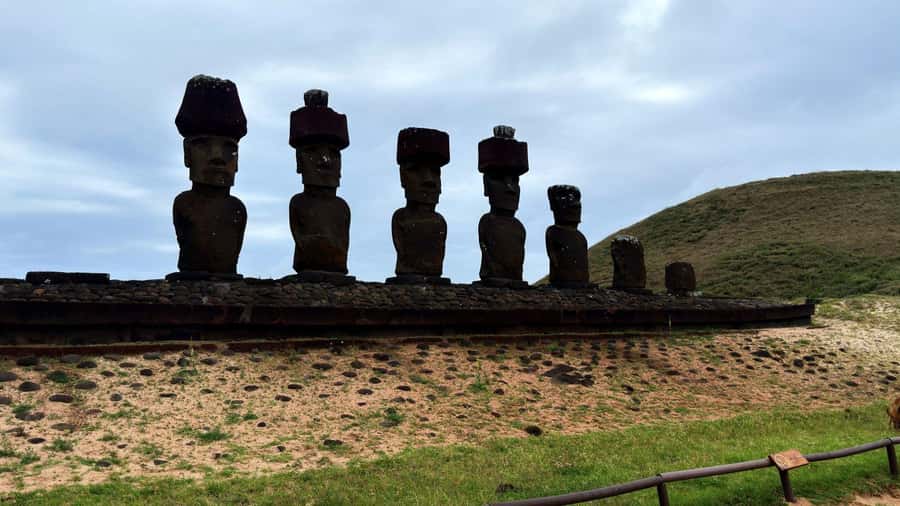
- Ahu Tongariki has 15 moai: This is the island’s largest restored ceremonial platform, set close to the ocean.
- Rano Raraku is the moai quarry: More than 390 figures can be found around the volcanic crater, including unfinished statues.
- Anakena is the swimming stop: Bring a towel if you want to make the most of the beach.
- The day includes a picnic lunch: You eat at Rano Raraku, surrounded by open natural scenery.
- The guide matters: Bruno and Vincent are specifically praised for patient, detailed talks about the island’s past and restoration.
- Cruise passengers cannot use this service: Pickup is for people staying at Easter Island hotels, and the tour is not suitable for wheelchair users.
Why this eight-hour route works well
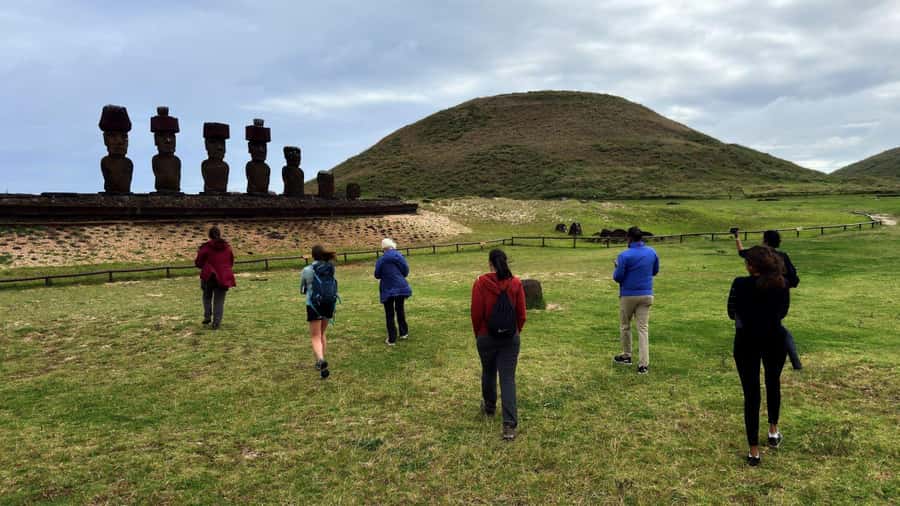
Easter Island is small enough to cross by road, but its important sites are spread out. Seeing the island well takes planning, and this tour handles the transport between Hanga Roa, the eastern ceremonial sites, the volcanic crater, and the northern beaches.
You are picked up at your hotel in Hanga Roa and returned there at the end of the day. That matters here because a full circuit involves several stops, and arranging transport between remote archaeological sites can be awkward if you have only a short stay.
The route is not just a statue-counting exercise. You see the moai in several settings: beside the sea, at a ceremonial village, in the quarry where they were made, and above a beach associated with the arrival of the island’s first Polynesian settler, Hotu Matu’a.
The rating is 4.7 from 27 reviews, and the praise centers on the guiding. That is important on Easter Island. The statues are striking on their own, but the guide helps you understand why they are standing where they are, how natural disasters affected them, and how much work went into putting them back in place.
A few more Hanga Roa trips to weigh up
- Two days of Full Day Tour of Rapa Nui + Sunrise in Tongariki
★ 4.8 · 55 reviews - Hanga Roa: Full Day Moai and Mistery
★ 4.4 · 22 reviews - Small-Group Cajón del Maipo Full-Day Tour and Picnic
★ 4.5 · 2,277 reviews
Ahu Akahanga and the first look at Easter Island’s ceremonial sites
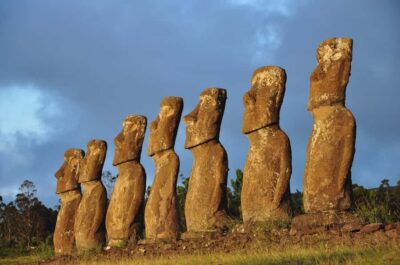
The tour heads along the north and southeastern coasts from Hanga Roa, beginning the cultural part of the day at Ahu Akahanga. This is one of several ceremonial sites included in the route, giving you an early introduction to the island’s ahu, the stone platforms connected with moai.
Ahu Akahanga is useful as a first stop because it places the statues within a wider setting. You are not simply looking at isolated figures. You are seeing remains of a ceremonial complex, with the coast and volcanic terrain forming the backdrop.
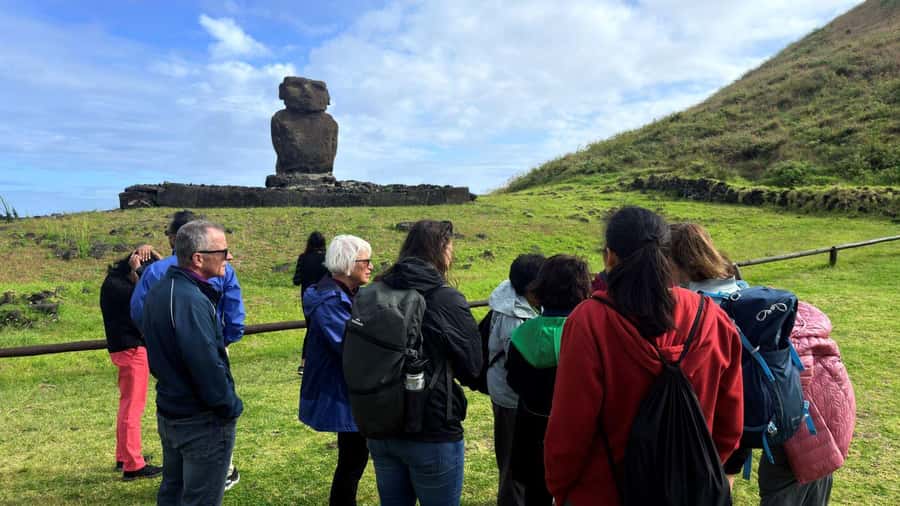
Your guide can also set up the larger story of how the island’s society changed. Vincent, one of the guides praised for this tour, is noted for explaining civil wars, tsunamis, and earthquakes that damaged the statues. Those subjects help explain why some moai are upright on restored platforms while others are found fallen or damaged.
Allow yourself time to look beyond the most obvious statue. The value here is in seeing how the stone platforms, figures, and setting fit together.
Ahu Tongariki and 15 moai by the ocean
Ahu Tongariki is the visual centerpiece of the morning. Fifteen giant moai line the restored platform near the coast, creating one of the most memorable views on the island.
The figures are impressive because of their scale, but also because of their arrangement. They sit together as a group, rather than appearing one at a time along a trail. The ocean nearby gives the site a strong sense of place, and your guide can explain the destruction caused by earthquakes and tsunamis, along with the restoration work that returned the moai to the platform.
This is a stop where you should avoid rushing your photographs. First take in the whole row, then look at the differences between individual figures. Even when the statues seem similar from a distance, their shapes and condition vary.
Ahu Tongariki can also help you understand why a guided tour is useful. Without context, you might see 15 stone figures and move on. With an explanation of their ceremonial setting and damage over time, the site becomes part of the island’s story rather than just a famous image.
Rano Raraku, the quarry of more than 390 moai
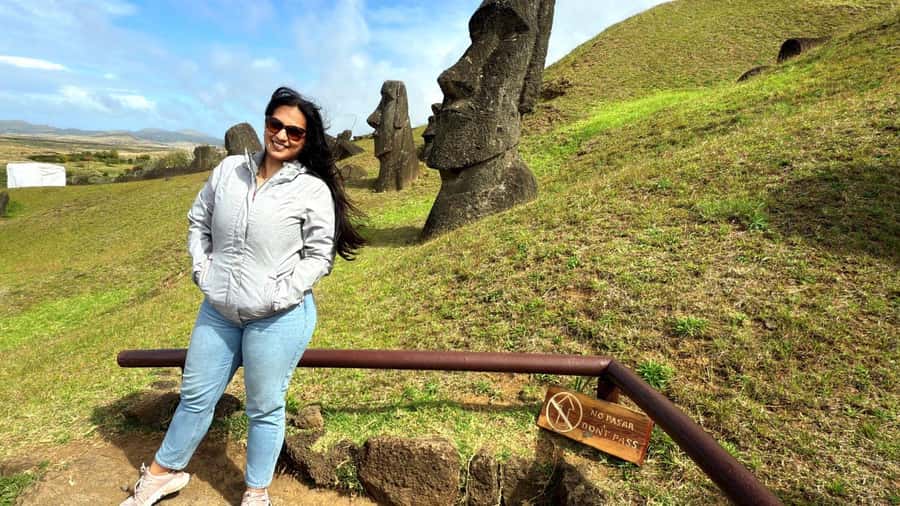
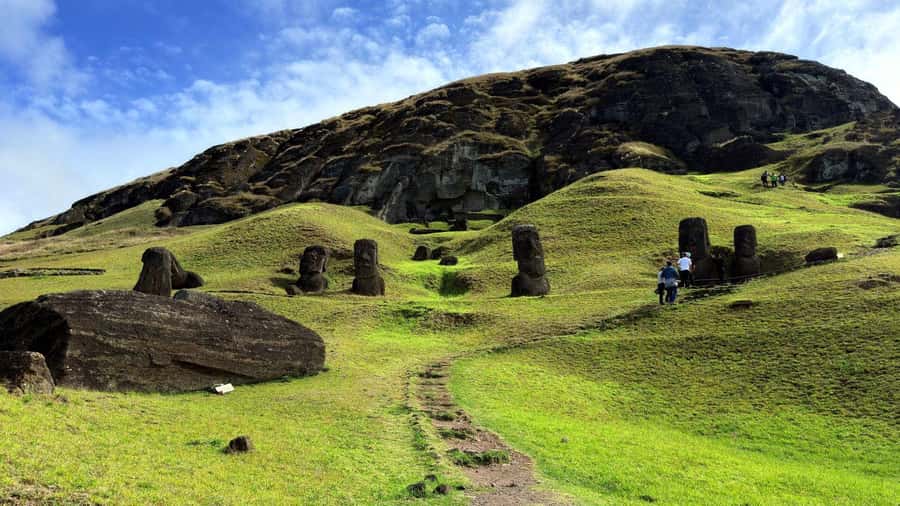
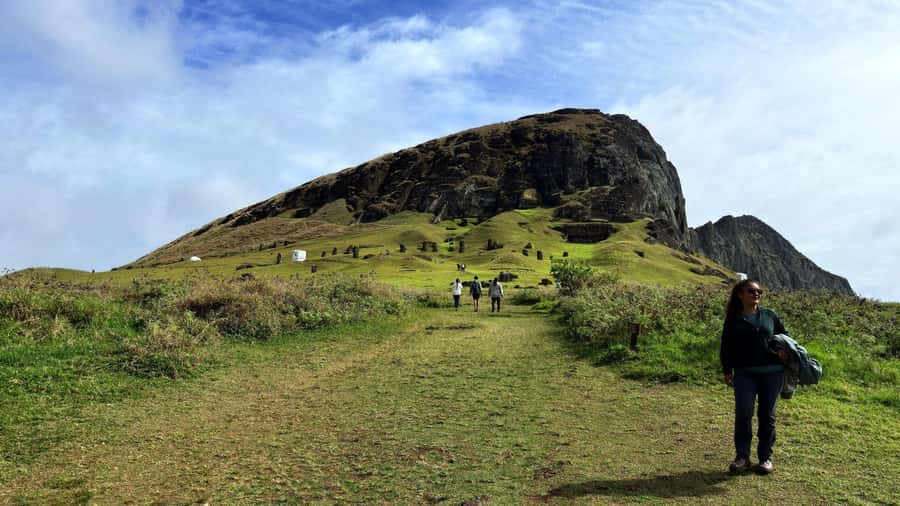
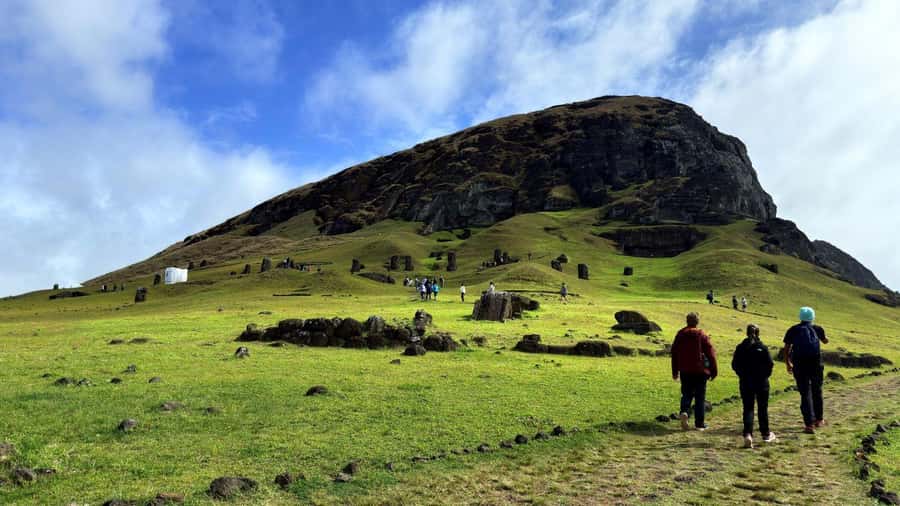
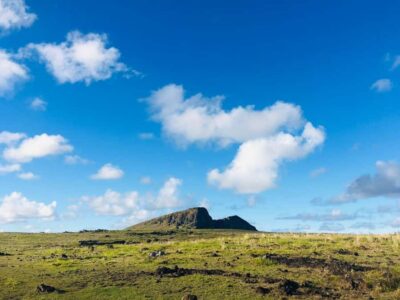
Rano Raraku is the day’s most unusual archaeological stop. This volcanic crater contains the Cantera de los Moais, the quarry where more than 390 moai can be found.
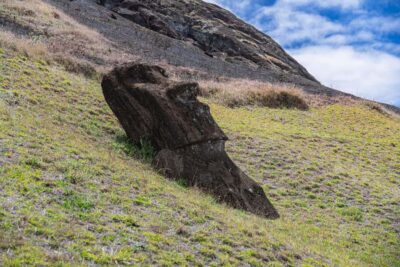
Here, the statues are not gathered on a single ceremonial platform. They appear around the quarry, including figures that show the process of carving and moving the moai. That makes Rano Raraku different from Ahu Tongariki. At Tongariki, you see the finished ceremonial presentation. At Raraku, you see the production area and the scale of the work behind it.
You should expect uneven outdoor ground and a stop that rewards attention. The crater and its stone figures create a dramatic setting, but the tour does not provide a long, private exploration period. You are part of an eight-hour circuit, so listen closely to the guide and use the available time well.
This is also where the picnic lunch is served. Eating near Rano Raraku makes practical sense because it keeps the route moving, and the open surroundings add something better than a rushed meal back in town. Do not expect a restaurant meal. The point is a simple picnic during a day spent outdoors.
The tour highlights Rano Kau as the island’s largest volcanic crater, while the detailed route specifically names Rano Raraku and its moai quarry. If seeing Rano Kau is essential to your plans, confirm the exact stops when booking so you know how the day is arranged.
Same long country, a very different day out:
- From Hanga Roa: Rapa Nui Culture Sightseeing Tour
★ 4.6 · 307 reviews - From Hanga Roa: Easter Island Highlights 2-Day Tour
★ 4.3 · 205 reviews - From Hanga Roa: Journey from Orongo to Ana Te Pahu
★ 4.3 · 75 reviews - Sunrise Tongariki: Sunrise at Tongariki Park Private Tour
★ 4.5 · 47 reviews
Ahu Nau Nau and the road toward Anakena
After Rano Raraku, the route continues to more moai structures, including Ahu Nau Nau. This gives you another chance to compare ceremonial sites instead of seeing only the island’s most famous platform.
Ahu Nau Nau is especially useful in the sequence because it comes after you have seen both a large restored row of moai and the quarry where figures were carved. You can now look at another completed ceremonial setting with a better sense of the work and meaning behind it.
The guide’s role remains important here. Bruno is praised for his enthusiasm and for explaining the island with a strong personal connection to the subject. You will get more from this stop if you ask questions rather than treating it as another brief photograph break.
The route then reaches the northern coast and Anakena, where archaeology and beach time meet.
Anakena Beach, caves, Poike, and Ovahe
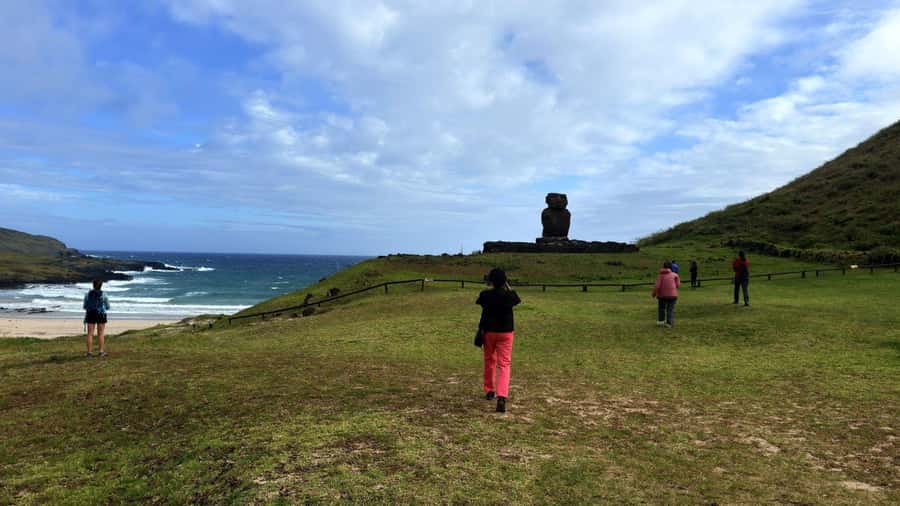
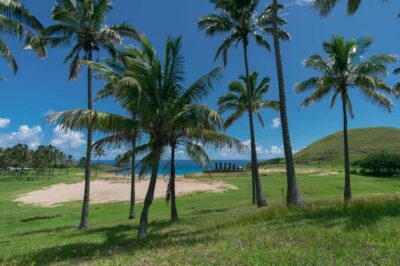
Anakena is a white-sand beach linked with the landing of Hotu Matu’a, the Polynesian chief traditionally associated with the first settlement of Easter Island. It is also one of the best swimming beaches on the island, making it a welcome change after a morning among stone platforms and volcanic rock.
Bring a towel. You may want to swim, sit near the sand, or simply enjoy the natural surroundings before the return to Hanga Roa. The stop is not presented as a full beach resort visit, so keep your expectations practical. This is one part of a sightseeing day, not an all-day coastal break.
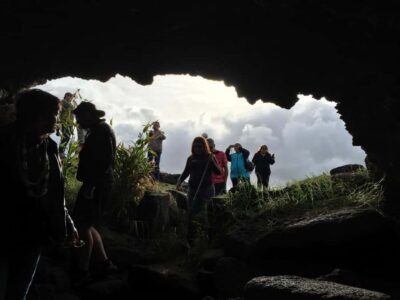
The tour also visits two small caves within a gorge. That adds variety to the route and gives you a closer look at the island’s volcanic character. The exact amount of time at the caves is not specified, so you should expect them to be part of the wider program rather than a long technical cave excursion.
Nearby Poike and Ovahe beaches provide additional places to stop and relax. Their inclusion makes the itinerary feel less repetitive. You move from ceremonial sites to the quarry, then finish among beaches and natural formations.
For many people, Anakena will be the emotional finish of the day. After seeing so many moai, the simple pleasure of sand, water, and open air helps balance the historical focus.
What the guide adds to the day
A guide is not a minor extra on this tour. Easter Island’s moai are visually easy to admire, but the reasons behind their placement, damage, and restoration are not always obvious.
Bruno is praised for combining strong enthusiasm with a large supply of information. Vincent is praised for patience and for explaining civil wars, earthquakes, tsunamis, and the restoration work behind the sites you see.
That gives you a useful sense of the guiding style to expect: history explained at each stop, with attention to both the ancient culture and the modern effort to preserve it. The tour is offered in English and Spanish, so make sure your preferred language is available when you reserve.
A good guide can also help pace the day. There are many sites, and it would be easy to spend too much time at the first major platform. Patient explanations and clear timing help you see more without turning every stop into a hurried photo opportunity.
Is $171 a fair price?
The listed price is $171 per person, but the National Park entrance fee costs another $100. That brings the known total to $271 per person before any other personal spending.
That is a serious price. Still, the value depends on what you would otherwise need to arrange. The tour includes hotel pickup and drop-off, an eight-hour route, an English or Spanish-speaking guide, and a picnic lunch. It also connects several distant sites in one day, including Ahu Akahanga, Ahu Tongariki, Rano Raraku, Ahu Nau Nau, Anakena, caves, Poike, and Ovahe.
If you have only one full day on Easter Island, the price is easier to justify. You are paying for a tightly organized route and for explanations that help make the archaeological sites meaningful.
If you have several days and already have transport arranged, you may prefer to visit at your own pace. The tour’s advantage is coverage and simplicity, not complete freedom.
Who should book this tour?
I would choose this tour if you want the island’s major sights in one day and prefer not to manage the driving or route yourself. It fits first-time visitors, short stays, and anyone who wants a guide to explain the island’s difficult past and restoration work.
It is also a good match if you want more than moai. The beach, caves, volcanic craters, and coastal stops give the day a wider range.
You should think twice if you need a wheelchair-accessible experience, since the tour is not suitable for wheelchair users. It is also not available to cruise ship passengers. Pickup is specifically for people staying in Easter Island hotels.
The service operates only in good weather. That is worth keeping in mind when arranging your schedule, especially if this is your only full day for sightseeing.
Practical advice for making the most of the day
Wear clothing suited to outdoor sightseeing and bring a towel for Anakena. You will spend much of the day moving between archaeological sites, open volcanic areas, and beaches.
Pay close attention at Rano Raraku. The quarry is more than a scenic crater, and the unfinished or relocated figures help you understand how the moai were made and moved.
At Ahu Tongariki, take a moment before reaching for your camera. The full row of 15 statues is the scene you came to see, but the details of the platform and surrounding coast are just as useful for understanding the site.
Keep some patience for the schedule. This is an eight-hour tour with many stops, so each location has a set place in the day. The strongest experiences come from listening carefully, asking questions, and accepting that you will not have unlimited time everywhere.
Should you book the Anakena tour?
Book it if you want a well-rounded one-day introduction to Easter Island. The combination of Ahu Tongariki, Rano Raraku, Ahu Nau Nau, Anakena Beach, caves, and coastal stops gives you a lot for one day, and the guides can turn a series of impressive stones into a clear story.
The extra $100 park fee makes the total cost high, but hotel transport, lunch, and a full guided circuit soften that expense. I would be especially comfortable recommending it to someone with limited time.
Skip it if you are a cruise passenger, need wheelchair access, or want an unhurried beach day. For everyone else, this is a strong choice when your priority is seeing the island’s key moai sites while still leaving room for the sea, sand, and volcanic scenery.
FAQ
How long does the Easter Island tour last?
The tour lasts eight hours, including the stops around the island and the return to Hanga Roa.
Where does the tour begin and end?
Pickup and drop-off are provided at Easter Island hotels. The tour starts in Hanga Roa and ends with return to your hotel.
What languages are available?
The guided tour is available in English and Spanish.
Is lunch included?
Yes. A picnic lunch at Rano Raraku is included in the tour.
Is the National Park entrance fee included?
No. The Rapa Nui National Park entrance fee is listed separately at USD 100.
Does the tour visit Anakena Beach?
Yes. Anakena Beach is included, with time to relax and enjoy one of the island’s best swimming beaches.
Should I bring a towel?
Yes. A towel is specifically recommended because the itinerary includes beach time and swimming at Anakena.
Can cruise ship passengers join this tour?
No. The service is for people staying in Easter Island hotels and is not suitable for cruise ship guests.
Can wheelchair users take this tour?
No. The tour is listed as not suitable for wheelchair users.
Just added around Hanga Roa
- Volcanic Refuges: Excursion to Underground Civilization★ 4.7 · 8 reviews
- Sunrise Tongariki: Sunrise at Tongariki Park Private Tour★ 4.5 · 47 reviews
- Rapa Nui: Polynesian Massage★ 4.8 · 5 reviews
- Rapa Nui Highlights Program: 3 incredible tours to discover!★ 4.8 · 18 reviews
- Rapa Nui: 3 Excursions with Hotel Transfers★ 4.3 · 6 reviews
- Ahu Vinapu, Rano Kao and Orongo City Half-Day Tour★ 4.6 · 20 reviews
- Hanga Roa: Full Day Moai and Mistery★ 4.4 · 22 reviews
- Easter Island: Tropical Diving★ 4.8 · 13 reviews
Easter Island Tours, compared.

Two days of Full Day Tour of Rapa Nui + Sunrise in Tongariki
Read our review →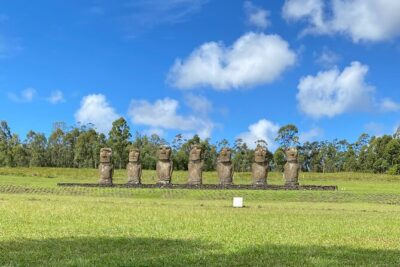
Browse the lists this tour appears in