
Reviewed · EASTER ISLAND MOAI TOURS
From Hanga Roa: Journey from Orongo to Ana Te Pahu
Rapa Nui’s most striking stories come together on this seven-hour circuit. You’ll peer into the huge crater of Rano Kau, stand at the cliffside ceremonial village of Orongo, and enter the island’s cool volcanic caves at Ana Te Pahu.
I like the way this tour links major sites that are spread across the island, and I like that it explains the Bird Man legend rather than treating Orongo as just a scenic viewpoint. Guides such as Ata and Javiera have also been praised for clear, interesting explanations and strong answers to questions.
The main consideration is pace. Several stops include about an hour of walking, and one guide was reported to speak mainly to people near the front, so stay close if you want to hear every explanation.
In This Review
- Key points to know before booking
- Why this route gives you a fuller picture of Rapa Nui
- Rano Kau: a powerful first look at the island
- Orongo and the Bird Man ceremony
- Vinapu: reading the precision in the stone
- Puna Pau and the red crowns of the moai
- Ahu Akivi and the seven explorers
- Ana Te Pahu: inside Rapa Nui’s volcanic shelters
- What the seven-hour schedule feels like
- Guide quality and getting the most from the day
- Who should book this Rapa Nui tour?
- Should you book it?
- FAQ
- How long does the tour last?
- Which sites are included?
- Is hotel pickup included?
- Is the National Park ticket included?
- What languages are available?
- What should I bring?
Key points to know before booking
- Orongo and Rano Kau come first: Begin with one of Rapa Nui’s finest crater views and its most famous ceremonial site.
- Six major stops in one day: The route covers Rano Kau, Orongo, Vinapu, Puna Pau, Ahu Akivi, and Ana Te Pahu.
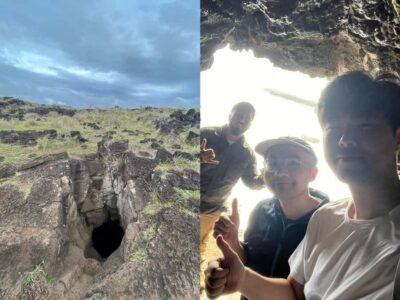
- Ana Te Pahu adds a physical adventure: Expect cool volcanic rock, uneven ground, and time spent inside a cave system once used for shelter and storage.
- Puna Pau explains the moai topknots: You’ll see where the red scoria crowns were made and learn why they matter.
- The $70 price covers transport and guiding: Hotel pickup and drop-off are included, but the National Park ticket is extra.
- Bring practical gear: Wear sturdy, comfortable shoes, carry water and cash, and leave your drone behind.
Why this route gives you a fuller picture of Rapa Nui
Many Rapa Nui excursions focus on the giant moai platforms along the coast. This one takes a wider view. In seven hours, you move from a volcanic crater and a ceremonial village to stone platforms, a quarry, and underground shelters.
I like that range. The island’s past is easier to understand when you see both the public monuments and the places connected to daily survival. Orongo tells you about ceremony and competition. Vinapu and Ahu Akivi show different approaches to stonework and remembrance. Ana Te Pahu brings you closer to ordinary island life, while Puna Pau explains a detail you might otherwise miss on a moai statue.
The route is by bus or coach, with the first transfer from Hanga Roa taking about 15 minutes. Hotel pickup and return are included, and the company contacts you about 10 minutes before the driver arrives. Starting times vary, so check availability for your date.
At $70 per person, the price is reasonable if you want transport between widely scattered sites and a guide who can connect the archaeology, legends, and local meaning. The National Park ticket is not included, so add that cost before comparing the tour with other options.
More easter island moai tours in Hanga Roa:
- From Hanga Roa: Rapa Nui Culture Sightseeing Tour
★ 4.6 · 307 reviews - Two days of Full Day Tour of Rapa Nui + Sunrise in Tongariki
★ 4.8 · 55 reviews - Rapa Nui Dreams: Experiencie Pack 3 Days
★ 4.7 · 32 reviews
Rano Kau: a powerful first look at the island
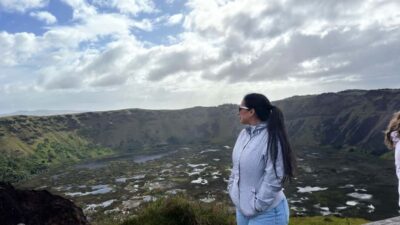
The first major stop is Rano Kau, a large volcanic crater with wide views over Rapa Nui and the Pacific Ocean. You have about 45 minutes for a guided visit.
This is a good opening stop because it immediately shows the island’s volcanic character. From the crater rim, you get a sense of the island’s size and isolation. The view is not just a photo opportunity. It helps explain why volcanic stone appears so often in Rapa Nui’s monuments, caves, and quarries.
The crater itself is part of the story. Your guide can place the later ceremonial sites in their setting, rather than presenting each one as an isolated object. I would pay close attention here, since this is where the route begins to connect natural features with human activity.
Bring a reusable water bottle. The park has no internet, so download anything you need before leaving Hanga Roa and do not count on online maps or messages during the day.
Orongo and the Bird Man ceremony
Orongo follows Rano Kau and receives about an hour of guided attention. The village sits on the crater rim, with the Pacific below and offshore islets visible from the ceremonial area.
This is the emotional center of the tour for many people. Orongo is tied to the Bird Man competition, a ritual contest in which representatives competed to recover the first manutara egg from a small offshore island. The winning representative brought the egg back, and his sponsor gained status for the year.
The setting makes the story easier to grasp. From the rim, you can see why cliffs, sea crossings, and the offshore islets mattered so much. The ceremony was not a simple sporting event. It was linked to power, belief, leadership, and the island’s spiritual order.
You’ll have time to walk around the site and listen to the guide. Wear shoes with a good grip, especially if the ground is wet. The tour operates in rain or shine, and weather can change how comfortable this exposed location feels.
I would treat Orongo as a place for listening rather than rushing. A strong explanation adds much more than a quick stop for photographs. Guides Ata and Javiera are both associated with particularly positive feedback for informative and thoughtful commentary, though the guide assigned to your departure may differ.
Vinapu: reading the precision in the stone
The tour then reaches Ahu Vinapu for about 45 minutes. Here, the focus shifts from ceremony to stone construction.
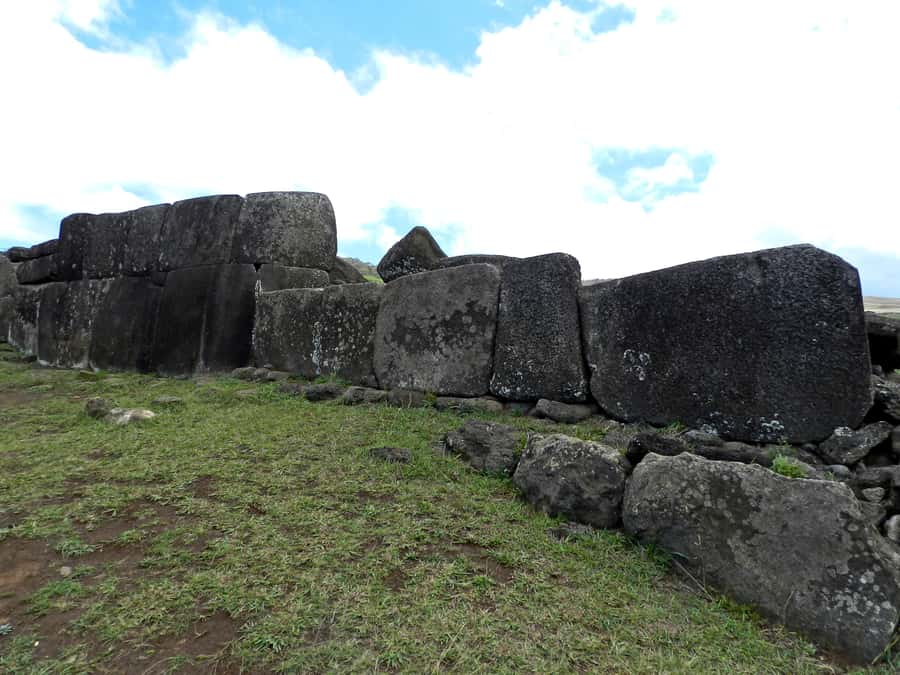
Vinapu is known for its large, carefully fitted stone structures. Look closely at the joints and surfaces rather than viewing the platform from a distance. The arrangement shows the high level of planning needed to move, shape, and place heavy volcanic blocks without modern machinery.
This stop is valuable because it invites you to examine technique. The moai are the famous faces of Rapa Nui, but the ahu platforms beneath them are major achievements in their own right. Your guide can explain how the stones were arranged and what the site suggests about the island’s engineering skills.
Do not expect Vinapu to provide the same sweeping view as Orongo. Its appeal is more focused and architectural. I would listen for the details about stone placement and ask questions while the group is gathered, since the site can be harder to appreciate without context.
Same long country, a very different day out:
- From Hanga Roa: Easter Island Highlights 2-Day Tour
★ 4.3 · 205 reviews - Sunrise Tongariki: Sunrise at Tongariki Park Private Tour
★ 4.5 · 47 reviews - Easter Island: Full-Day Tour to Anakena
★ 4.7 · 27 reviews - Hanga Roa: Full Day Moai and Mistery
★ 4.4 · 22 reviews
Puna Pau and the red crowns of the moai
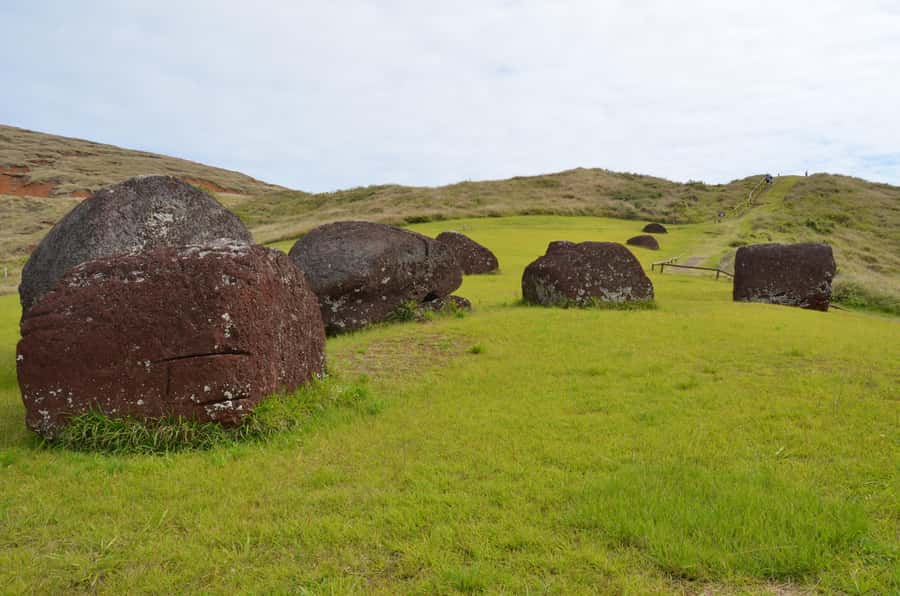
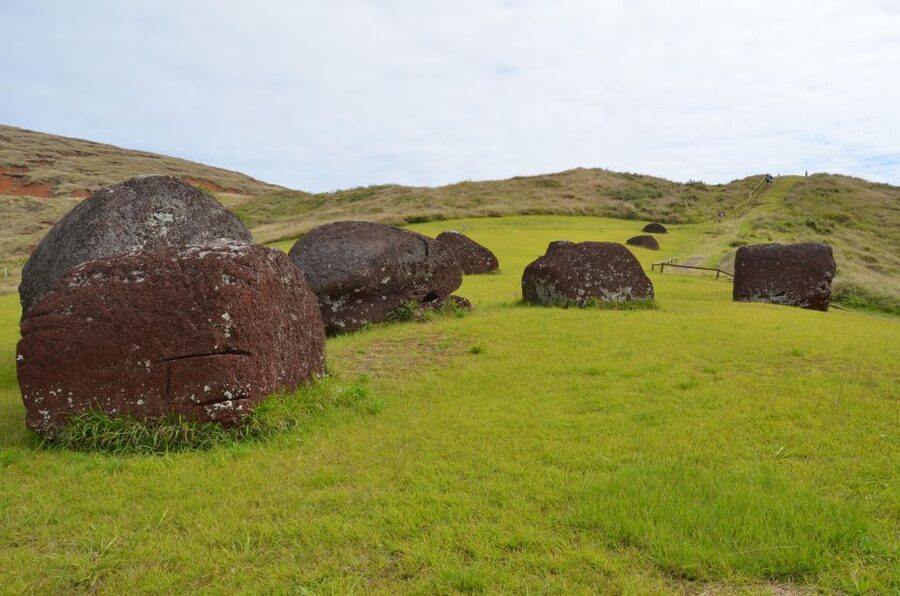
At Puna Pau, you spend about 45 minutes at the quarry where many red scoria topknots were made. These cylindrical crowns, often called pukao, were placed on some moai statues.
This stop answers a question that often occurs once you have seen the statues: where did those red elements come from, and how were they made? Puna Pau gives you the source rather than only the finished product.
The red scoria differs from the darker volcanic stone used elsewhere on the island. Your guide will explain the importance of the topknots and the work involved in shaping them. The quarry also reminds you that Rapa Nui’s monuments were assembled from materials gathered at different places.
I find this stop especially useful for putting the island’s sculpture tradition into practical terms. You begin to see the moai not as single pieces, but as carefully planned combinations of stone, transport, placement, and symbolic design.
The 45-minute visit is enough for an introduction, though anyone fascinated by quarry work may wish for more time. Since the day includes six major locations, this tour favors variety over a slow study of one site.
Ahu Akivi and the seven explorers
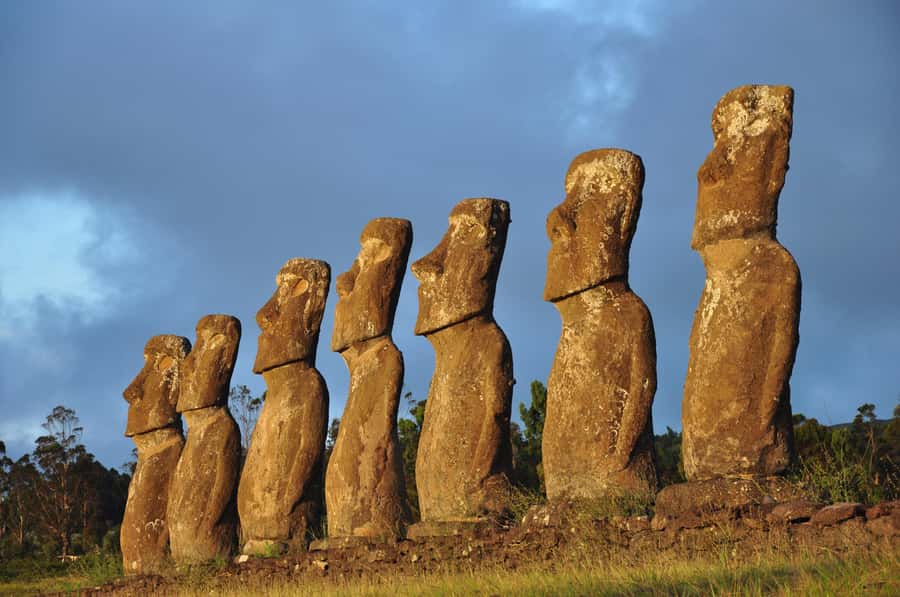
Ahu Akivi is another 45-minute stop. Its platform carries seven moai, a group traditionally connected with the island’s seven explorers.
The arrangement feels different from the quarry and ceremonial village. The seven figures create a strong visual line, and the guide’s story gives the statues a human connection. Rather than seeing only anonymous stone figures, you’ll hear how they are linked to the people who first found and settled Rapa Nui.
This is a good place to ask about the role of moai and ahu in island society. The explanations can help you understand why the statues were placed on platforms and how memory, ancestry, and protection were tied together.
Ahu Akivi also breaks up the volcanic sites with a more direct encounter with standing moai. I like that it appears after Puna Pau, because you have just learned about the red topknots and can look more carefully at the design of the statues.
Keep an eye on the guide’s position. The group may spread out during the walking portions, and one piece of practical feedback is that people farther back did not always hear every explanation. Stay near the front when the guide begins speaking, then take your photographs afterward.
Ana Te Pahu: inside Rapa Nui’s volcanic shelters
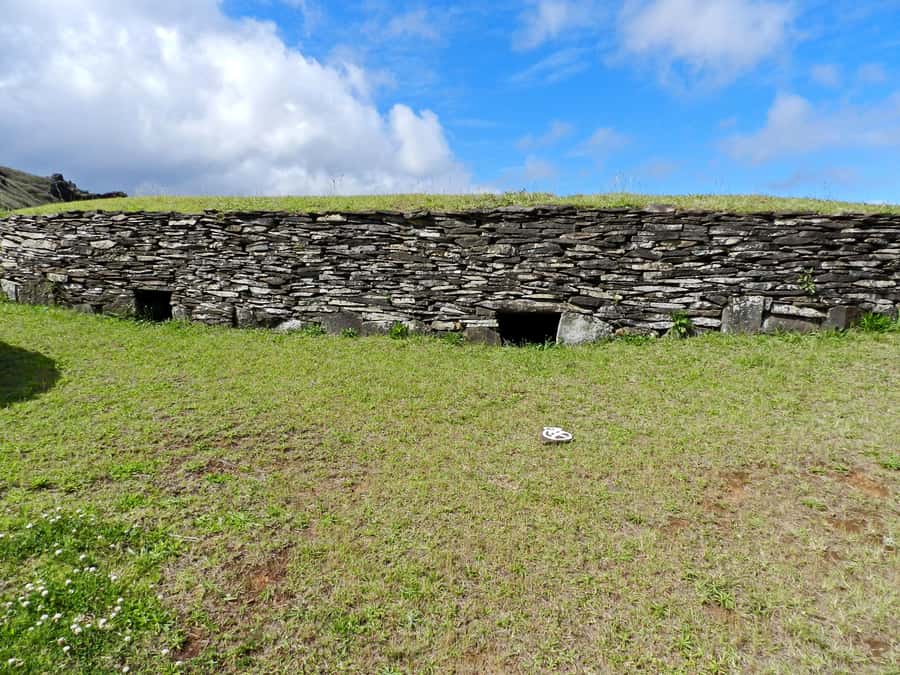
Ana Te Pahu is the final major stop, with about an hour for a guided visit. This cave system is one of the tour’s most different experiences.
The caves were used as shelter and storage. Inside, the volcanic rock walls create a cooler, darker setting than the open sites earlier in the day. You get a glimpse of how islanders made use of natural formations for practical needs, not only for ceremony or monumental sculpture.
Expect to walk. The tour information notes that some sites require around an hour on foot, and Ana Te Pahu is the stop where comfortable clothing and shoes matter most. I would avoid anything that makes uneven ground difficult, and I would keep both hands free when possible.
The cave visit also gives the day a useful change of scale. At Orongo, you look over the sea and crater. At Ana Te Pahu, you focus on narrow volcanic spaces and evidence of everyday use. That contrast helps prevent Rapa Nui from becoming only a story about giant statues.
The cave may be less suitable for anyone who dislikes enclosed spaces or extended walking. The tour does not provide an internet connection in the park, so do not expect to contact someone or look up information while you are underground.
What the seven-hour schedule feels like
The tour runs from Hanga Roa and returns there after the final stop. With six guided locations and a short initial transfer, the schedule is full but sensible for someone with limited time on Rapa Nui.
The order works well. You begin with the crater and Orongo, then move through stone construction, topknot production, moai platforms, and caves. Each stop has a different subject, which keeps the day from feeling repetitive.
Still, this is not a slow, private archaeological study. The 45-minute visits leave room for an explanation and some photographs, but not endless wandering. The one-hour periods at Orongo and Ana Te Pahu allow more time to walk and absorb the setting.
If you are a fast walker and comfortable following a group, the pace should be manageable. If you prefer long quiet stretches at each site, a more specialized or private arrangement may suit you better. Since group size is not specified, I would also expect the pace to depend partly on how quickly everyone stays together.
The tour runs rain or shine. Pack comfortable clothes, a reusable bottle, and cash. Bring your passport or ID card as requested, and buy the National Park ticket before the tour begins. Drones are not allowed.
Guide quality and getting the most from the day
The guide makes a major difference on a route like this. Stones and crater rims can look impressive on their own, but the Bird Man ceremony, the seven explorers, the red topknots, and the cave shelters need explanation.
Ata has been singled out for making the day informative and interesting. Javiera has also been praised for answering questions with strong knowledge of the sites. Those names are useful to know, but you should not assume a particular guide will lead every departure.
I recommend standing or sitting close to the guide during each explanation. This is especially important at open sites where wind and distance can carry voices away. If you need a slower pace, say so early and make sure you understand where the group will gather after each walk.
The tour offers live guiding in English and Spanish. That makes it practical for visitors who want more than a drive-by introduction, but the quality of the day still depends on staying engaged. Ask questions at Vinapu, Puna Pau, and Ahu Akivi, where a little extra context can change what you notice.
Who should book this Rapa Nui tour?
I would choose this experience if you want to see several of Rapa Nui’s important sites in one organized day and prefer not to arrange transport yourself. It is particularly useful for a first visit, a short stay, or anyone who wants both famous monuments and less obvious places such as Ana Te Pahu.
It also suits you if you enjoy a mix of outdoor walking, archaeological sites, legends, and natural formations. The route is not limited to moai viewing, and the cave stop gives the day a more grounded connection to daily island life.
I would think twice if you need a very relaxed schedule, dislike walking, or want a private guide who can linger at every location. The route is full, some sites involve about an hour on foot, and the group needs to stay together.
The $70 cost is strongest when you value the included hotel pickup, return transport, and live guide. Remember to budget separately for the National Park ticket. Free cancellation up to 24 hours before departure and the option to reserve now and pay later also make it easier to fit the tour into a changeable Rapa Nui plan.
Should you book it?
Book this tour if you want a broad, well-organized introduction to Rapa Nui in seven hours. Orongo, Rano Kau, and Ana Te Pahu give the day its strongest variety, while Vinapu, Puna Pau, and Ahu Akivi fill in the story of stonework, moai design, and island tradition.
Stay close to the guide, bring good shoes, and prepare for weather and walking. If you do that, this is a solid-value choice for seeing much more than the standard moai viewpoints.
FAQ
How long does the tour last?
The experience lasts seven hours, including pickup from and return to Hanga Roa.
Which sites are included?
The route includes Rano Kau, Orongo, Ahu Vinapu, Puna Pau, Ahu Akivi, and Ana Te Pahu.
Is hotel pickup included?
Yes. Hotel pickup and drop-off in Hanga Roa are included. The company contacts you about 10 minutes before the driver arrives.
Is the National Park ticket included?
No. You need to buy the National Park ticket before the tour starts.
What languages are available?
The live tour guide service is available in English and Spanish.
What should I bring?
Bring your passport or ID card, comfortable shoes, comfortable clothing, cash, and a reusable water bottle. Drones are not allowed, and the tour operates rain or shine.
Just added around Hanga Roa
- Volcanic Refuges: Excursion to Underground Civilization★ 4.7 · 8 reviews
- Sunrise Tongariki: Sunrise at Tongariki Park Private Tour★ 4.5 · 47 reviews
- Rapa Nui: Polynesian Massage★ 4.8 · 5 reviews
- Rapa Nui Highlights Program: 3 incredible tours to discover!★ 4.8 · 18 reviews
- Rapa Nui: 3 Excursions with Hotel Transfers★ 4.3 · 6 reviews
- Hanga Roa: Full Day Moai and Mistery★ 4.4 · 22 reviews
- Ahu Vinapu, Rano Kao and Orongo City Half-Day Tour★ 4.6 · 20 reviews
- Easter Island: Tropical Diving★ 4.8 · 13 reviews
Easter Island Moai Tours, compared.

Two days of Full Day Tour of Rapa Nui + Sunrise in Tongariki
Read our review →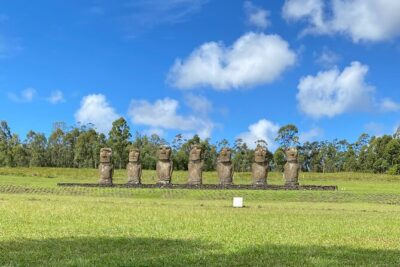
Adventures in Rapa Nui: High-quality tourism with Easter Island Your Tour.
Read our review →
Private Tour: The Underground World of Rapa Nui Caves
Read our review →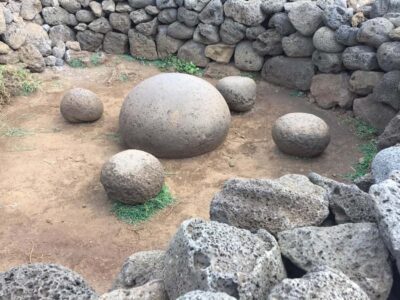
Ahu Vinapu, Rano Kao and Orongo City Half-Day Tour
Read our review →Browse the lists this tour appears in