
Reviewed · EASTER ISLAND MOAI TOURS
Private tour: where the history of the Moai was born
Rano Raraku is the heart of this outing. Here, unfinished Moai remain carved into the volcanic rock, giving you the clearest view of how these famous statues were made. Add the long row at Tongariki, toppled figures at Akahanga, and palm-fringed Anakena Beach, and you get a strong one-day introduction to Rapa Nui.
I like the small group of up to four, which makes it easier to ask questions and adjust the pace. I also like the local guiding. Guides such as Tete and Sophia have been praised for friendly, entertaining explanations and for talking about present-day island life as well as the past.
The main caution is consistency. One guide was faulted for rushing the stops and ending after only a little more than three hours, while another guest found the replacement car dirty and wanted more background about Rapa Nui settlement and culture. Confirm the starting time and expected route before setting out.
In This Review
- Key points to know before booking
- Why this seven-hour route works
- Vaihu and Akahanga, where toppled Moai tell a harder story
- Rano Raraku, the volcanic workshop of the Moai
- Tongariki and the power of a straight row
- Te Pito Kura and the stories attached to stone
- Anakena, a beach ending after a day of ruins
- Native guiding and the human side of the day
- Transport, timing, and what to clarify
- Who will get the most from this tour
- Is $150 per person a fair price?
- Should you book this Moai tour?
- FAQ
- How long does the Moai tour last?
- How much does the tour cost?
- How many people can join?
- Is transportation included?
- Is a guide included?
- Which languages are available?
- Which places does the route visit?
- Where were the Moai made?
- Is the national park ticket included?
- Can I cancel for a full refund?
Key points to know before booking
- Rano Raraku is the day’s main event: See Moai in rough, partly carved, and nearly finished forms at the volcanic quarry.
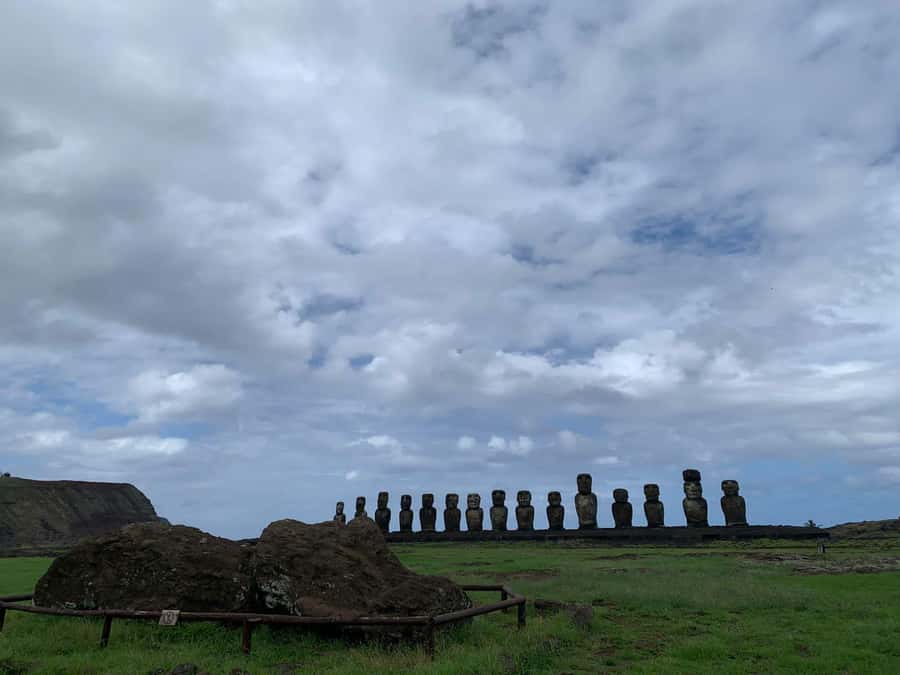
- Tongariki is the classic photo stop: Fifteen Moai face inland from a broad ceremonial platform, with sunrise light especially important to the view.
- Anakena adds a welcome change of pace: Finish among palms, sand, sea, and standing Moai rather than spending the whole day among ruins.
- The group is limited to four people: This suits anyone who wants a quieter ride and a better chance to speak with the guide.
- The national park ticket costs extra: Include that expense when comparing the $150 per person price.
- Guide quality shapes the day: Named guides praised in the feedback include Tete, Sophia, and Hella, but the guide assigned to you may differ.
Why this seven-hour route works
This is a smart route for your first full look at Easter Island, also called Rapa Nui. It links the major Moai sites on the southern and eastern sides of the island, then finishes at Anakena, where you can pause beside the Pacific.
I like the order because it moves from scattered and toppled statues toward the quarry where the statues began. You see the result first, then the workshop behind it. By the time you reach Tongariki, the scale of the work makes more sense.
The seven-hour length should give you enough time to see all six places without turning the day into a rushed checklist. The important word is should. One poor experience ended around 1:10 p.m. after a 10 a.m. start, with little time at each stop. That is not what the advertised duration suggests, so ask for a clear timetable at pickup.
The tour costs $150 per person. For a maximum of four people, private transportation, pickup, drop-off, and a live native guide, that can be fair value, especially if you are traveling as a couple or small family. The national park ticket is not included, so the final cost will be higher.
More easter island moai tours in Easter Island:
- From Hanga Roa: Rapa Nui Culture Sightseeing Tour
★ 4.6 · 307 reviews - From Hanga Roa: Journey from Orongo to Ana Te Pahu
★ 4.3 · 75 reviews - Rapa Nui Stargazing
★ 4.5 · 62 reviews
Vaihu and Akahanga, where toppled Moai tell a harder story
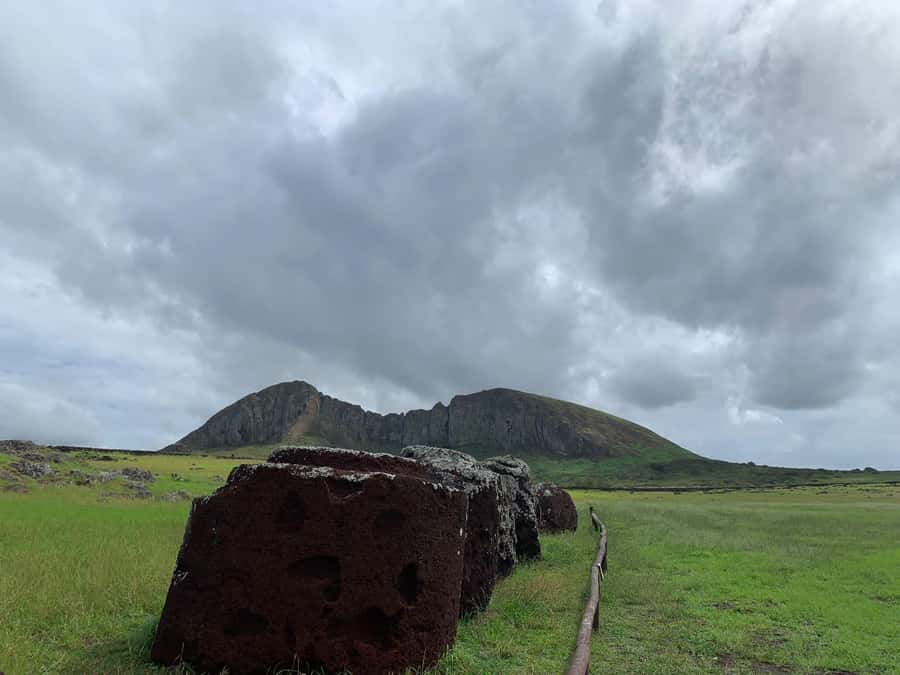
Vaihu is an arresting opening stop. Moai lie scattered across the ground rather than lined up in perfect display, and that rough setting helps you picture the island as an active ceremonial place rather than a museum.
Your guide can use the fallen statues to explain the uncertainty around their collapse and the changes that affected Rapa Nui society. Do not expect every mystery to receive a neat answer. Part of the value here is learning what is known, what remains debated, and how local stories add another layer.
Akahanga continues the theme. You see remains of old settlements and ceremonial platforms, along with Moai lying toppled in different states. Compared with Tongariki, this stop feels less polished and less immediately dramatic, but I find that useful. It shows the island beyond its most famous postcard view.
These first sites also make the guide important. A good explanation can turn a field of stone into a readable place. Tete was praised for being funny, kind, and unhurried, while Sophia was appreciated for discussing both the island’s past and daily life today. Those qualities matter more here than a rehearsed speech.
Rano Raraku, the volcanic workshop of the Moai
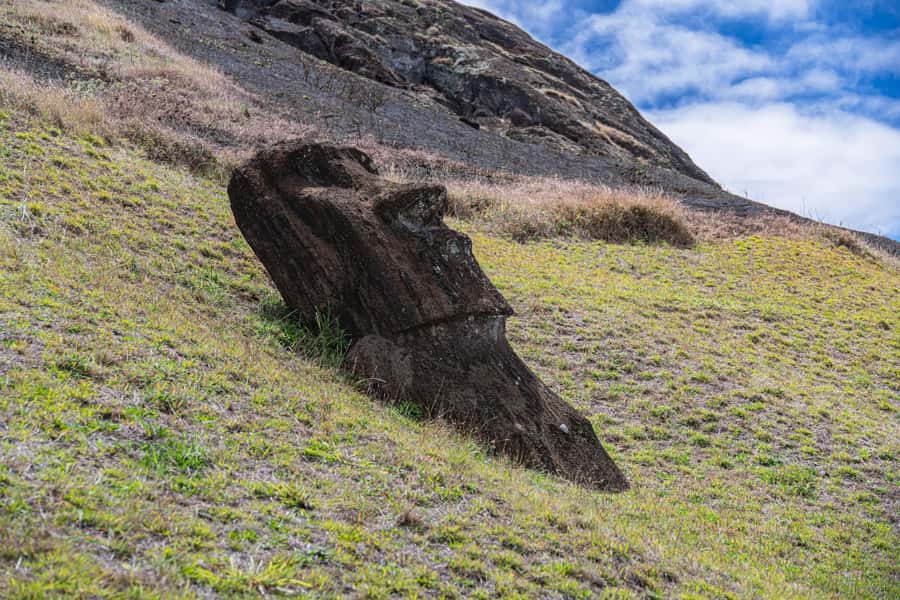
Rano Raraku is the stop I would protect most carefully if time becomes tight. This volcanic crater served as the main quarry and birthplace of the Moai, and it gives you a rare chance to see statues at several stages of work.
Some figures appear as rough forms still attached to the rock. Others are far closer to completion. The unfinished pieces show that the statue-making process did not end with a finished figure being carried away. The crater itself was part workshop, part record of the decisions and labor behind the monuments.
The sheer number of figures can be startling. You are not simply looking at one famous statue. You are seeing evidence of a large-scale tradition that changed the shape of the island and left work in progress behind.
Your guide’s pacing matters greatly at Rano Raraku. This is the place where a quick walk-through would cost you the most. Ask how long you will have here, and make sure the guide allows time to look at the unfinished forms rather than stopping only at the easiest viewpoints.
The tour description promises a native guide in English or Spanish. That is useful for visitors who want more than photographs. Still, one guest wanted more basic context about where the Rapa Nui people came from, how they settled the island, and how their society developed. If those subjects matter to you, ask direct questions early in the day.
Tongariki and the power of a straight row
Tongariki is the grand visual payoff. Fifteen Moai rise from a long ceremonial platform, facing inland with the ocean behind you. The arrangement is powerful because it gives you scale, rhythm, and a clear sense of collective effort.
The statues are especially striking in early light. The route description highlights sunrise, but the exact starting time depends on availability and the schedule you receive. Do not assume this seven-hour outing begins before dawn. Check the available start times when booking.
Even without sunrise, Tongariki has a strong presence. I like to step back here and take in the whole platform before moving in for details. From a distance, the figures read as one group. Up close, their different shapes and expressions become clearer.
This is also the stop where photography can take over. Try not to spend the entire visit looking through your phone. The line of Moai, the open sky, and the size of the platform are best understood in person.
A few more Easter Island trips to weigh up
- Easter Island: Private Full Day History Of The Moai
★ 4.6 · 12 reviews - Santiago: Guided Walking Tour of the Historical Old Town
★ 4.8 · 459 reviews - Walking Tour Valparaiso, History & Art – Private Optional
★ 4.5 · 59 reviews - Essence of Santiago : History, Flavors and Panoramic Views
★ 5.0 · 45 reviews
Te Pito Kura and the stories attached to stone
Te Pito Kura brings a different mood. The site is connected with a very large Moai and a distinctive round stone tied to local legend. Your guide will explain the stories associated with the area.
The physical remains may not have the same immediate impact as Tongariki, but the stop adds variety. Rapa Nui is not only a collection of statues. It is also a place where stone, ancestry, power, and oral tradition overlap.
This is a good moment to ask your guide which parts of the story come from archaeology and which belong to traditional accounts. You do not need to choose one over the other. Both help explain why the site remains meaningful.
Because Te Pito Kura is one part of a packed day, your time here may be shorter than at Rano Raraku or Anakena. If you have a special interest in the legends, tell the guide so the stop does not become a quick photo break.
Anakena, a beach ending after a day of ruins
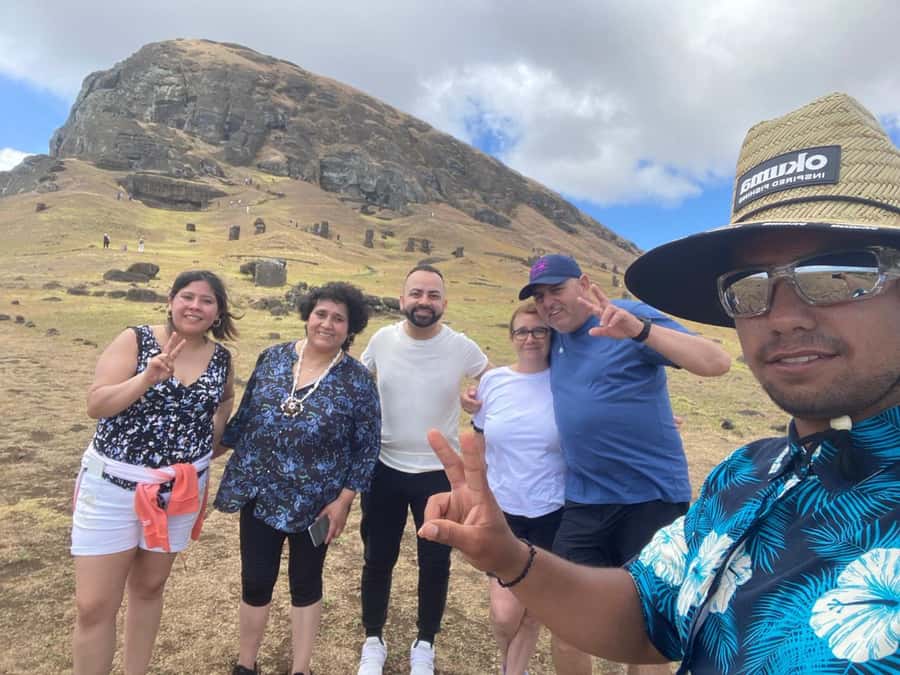
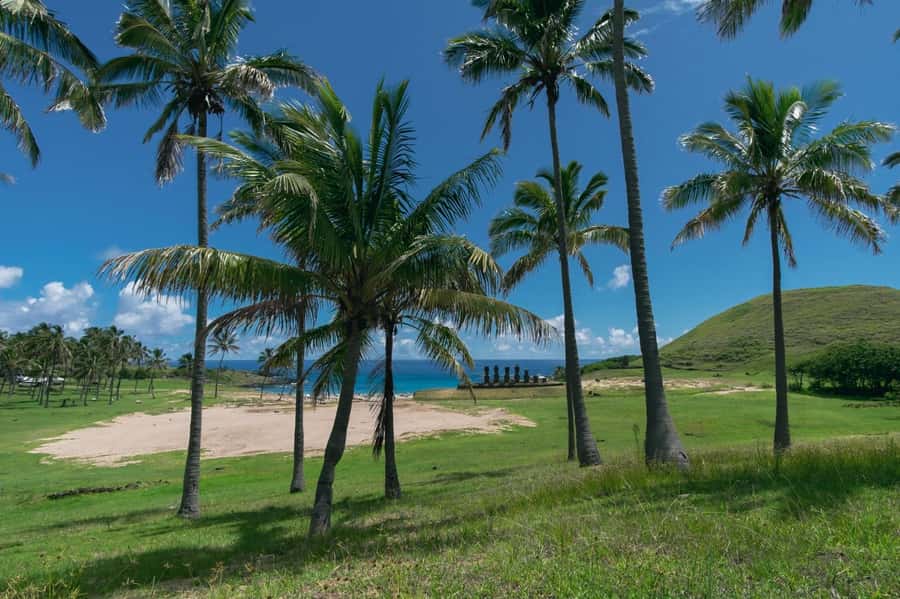
Anakena changes the rhythm completely. After volcanic stone, old platforms, and toppled statues, you reach white sand, palms, and the Pacific Ocean. Standing Moai remain part of the scene, but the beach gives you room to relax.
I like this ending because it lets you process what you have seen. You may have time to swim in the clear water, sit under the palms, or simply look back at the day. One guest even finished with lobster at a beach, though that meal is not listed as part of the tour, so do not assume food is included.
Anakena also reminds you that Rapa Nui is a lived-in island, not only an archaeological site. The connection between ceremonial monuments and the sea is easy to feel here, even if your guide explains the details in different ways.
Ask how much time is planned for the beach. If you want to swim, you need enough time to change and dry off before returning to the vehicle. If the day has already run late, Anakena could become more of a short look than a proper rest stop.
Native guiding and the human side of the day
The strongest part of this outing is likely to be the person in the front seat. The experience includes an English or Spanish-speaking live guide, and the group limit of four creates a more personal setting than a large bus tour.
Sophia received especially warm praise for adapting the day when she had only one participant. She took that guest to additional places of interest and talked about Rapa Nui culture, history, current life, and Chilean Spanish. Hella was also praised for a punctual pickup and a well-judged agenda.
Tete was described as friendly and entertaining, with a relaxed pace. Those qualities are valuable at sites that can feel confusing without explanation. You want a guide who can tell a story, answer questions, and give you enough quiet time to look.
There is a practical warning here. A last-minute replacement guide was described as apologetic but not fully prepared, and the vehicle was reported to be dirty. That may have been an isolated staffing problem, but it shows why you should confirm the guide, pickup time, and vehicle arrangements before the tour starts.
The listed provider is Hotumatur Rapa Nui. Guide assignments can change, so treat the names above as examples of people who have led the outing, not as a guarantee that one particular person will be with you.
Transport, timing, and what to clarify
Pickup and drop-off are included, which simplifies a day on an island where you may not want to arrange separate transport between distant sites. The small vehicle should also make conversation easier, though the condition of the car may vary.
The stated duration is seven hours. At that length, you should expect a full circuit rather than a short highlights ride. Make sure your confirmation shows a start time that fits your plans, especially if you have a flight, another booking, or a fixed meal reservation later.
I would ask these questions before departure:
- How long will we spend at Rano Raraku?
- Is Tongariki scheduled for sunrise or later?
- How much time is planned at Anakena?
- Is the route still the full six-stop program?
- Who is the guide for the day?
- Is the national park ticket paid separately at the entrance?
Free cancellation up to 24 hours before the activity and reserve-now, pay-later booking make this easier to fit into a changing itinerary. Those policies help, but they do not replace checking the actual timetable.
Who will get the most from this tour
I would choose this for a first visit to Rapa Nui when you want the major Moai sites in one day and prefer a small group. It is also a good match if you value conversation with a local guide and do not want to manage transportation yourself.
The route suits people with a broad interest in archaeology, local stories, photography, and scenery. You get ceremonial platforms, unfinished statues, legends, a major quarry, and a beach in one outing.
It may be less suitable if you want a slow, academic treatment of Rapa Nui settlement and social history. The supplied feedback suggests that the amount of historical context can depend heavily on the guide. Tell the guide what you want to learn instead of waiting for the subject to come up.
It is also not the best choice if you dislike changes in pace or vehicle standards. Most of the guide feedback is warm, but the reports of rushing and a dirty car are worth keeping in mind.
Is $150 per person a fair price?
For a group of two to four, I think the price can make sense. You are paying for a seven-hour route, a native guide, transportation, pickup, and drop-off, with six important places connected in one day.
The value is strongest when the guide gives you time and context. A rushed visit reduces the benefit because you could see the sites without really understanding them. The value also drops if the tour ends far earlier than planned.
Remember to add the national park ticket. Since that cost is separate, compare the total price rather than judging the tour by the headline amount alone.
The 4.7 rating from 13 ratings points to a generally positive experience, but the range from excellent to poor makes the lesson clear: guide performance and timing matter. I would book it for the route and small group, then confirm the operating details before the day begins.
Should you book this Moai tour?
Book it if you want the essential Rapa Nui sites in a compact private-style outing, especially if you are traveling with one to three companions. Rano Raraku and Tongariki alone justify serious consideration, while Anakena gives the day a pleasant finish.
I would be more cautious if you need a guaranteed specialist lecture on settlement history or a fixed, leisurely schedule. Ask for the planned timing, request the full seven-hour route, and make your interests clear to the guide.
With those checks in place, this is a well-shaped way to see where the Moai were made, how they were arranged, and how they fit into the island’s wider culture.
FAQ
How long does the Moai tour last?
The tour duration is seven hours. One reported outing ended much earlier than expected, so confirm the planned start and finish times before departure.
How much does the tour cost?
The price is $150 per person. The national park ticket is not included.
How many people can join?
The group is limited to four participants.
Is transportation included?
Yes. Transportation, pickup, and drop-off are included.
Is a guide included?
Yes. The tour includes a live native guide.
Which languages are available?
Guiding is available in English and Spanish.
Which places does the route visit?
The itinerary includes Vaihu, Akahanga, Rano Raraku, Tongariki, Te Pito Kura, and Anakena.
Where were the Moai made?
Rano Raraku was the volcanic quarry where the Moai were carved. You can see figures there at different stages of completion.
Is the national park ticket included?
No. You must pay for the national park ticket separately.
Can I cancel for a full refund?
Yes. You can cancel up to 24 hours in advance for a full refund. You can also reserve now and pay later.
Just added around Easter Island
- Volcanic Refuges: Excursion to Underground Civilization★ 4.7 · 8 reviews
- Ride to the highest point on the island for sunset★ 5.0 · 40 reviews
- Half Day Tour in Rapa Nui★ 5.0 · 48 reviews
- Tongariki Sunrise: Half Day Private Tour★ 3.8 · 9 reviews
- Easter Island: Private Full Day History Of The Moai★ 4.6 · 12 reviews
- Terevaka Horse Excursion: The highest point and 360° view.★ 4.7 · 38 reviews
- Sunrise Tongariki: Sunrise at Tongariki Park Private Tour★ 4.5 · 47 reviews
- Rapa Nui: Polynesian Massage★ 4.8 · 5 reviews
Easter Island Moai Tours, compared.

Two days of Full Day Tour of Rapa Nui + Sunrise in Tongariki
Read our review →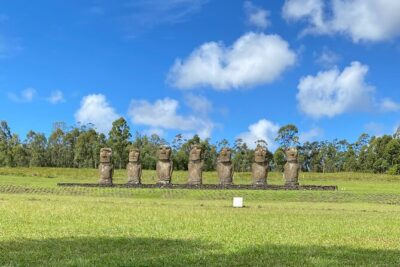
Adventures in Rapa Nui: High-quality tourism with Easter Island Your Tour.
Read our review →
Private Tour: The Underground World of Rapa Nui Caves
Read our review →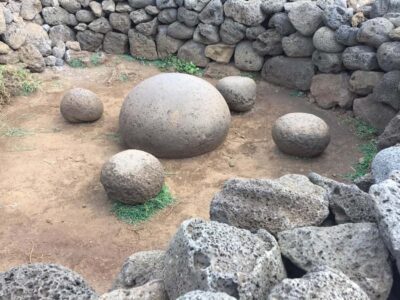
Browse the lists this tour appears in