
Reviewed · SAN PEDRO DE ATACAMA TOURS
San Pedro de Atacama: Wildlife Safari and Photography Tour
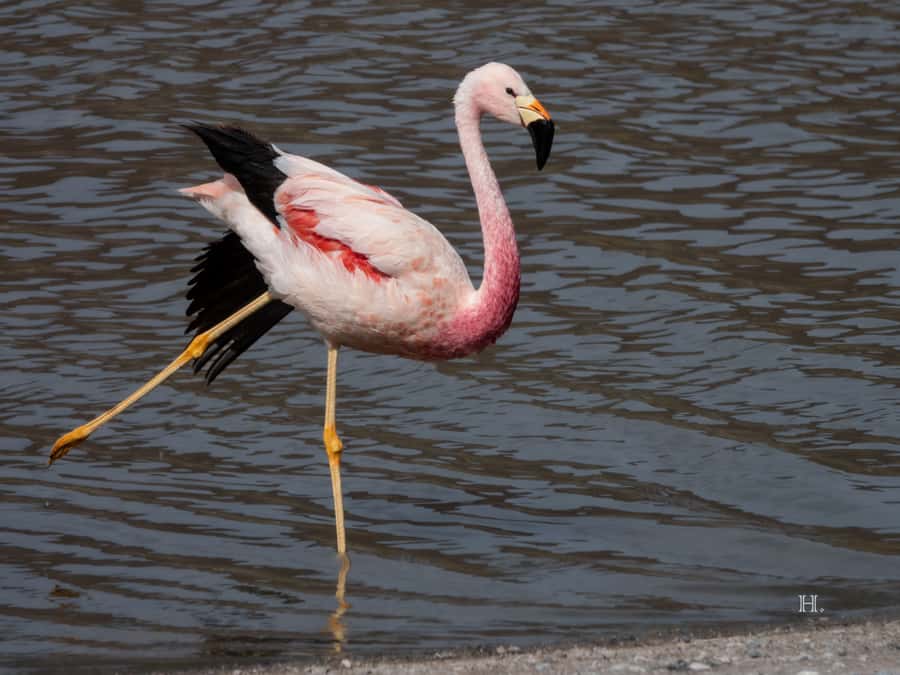
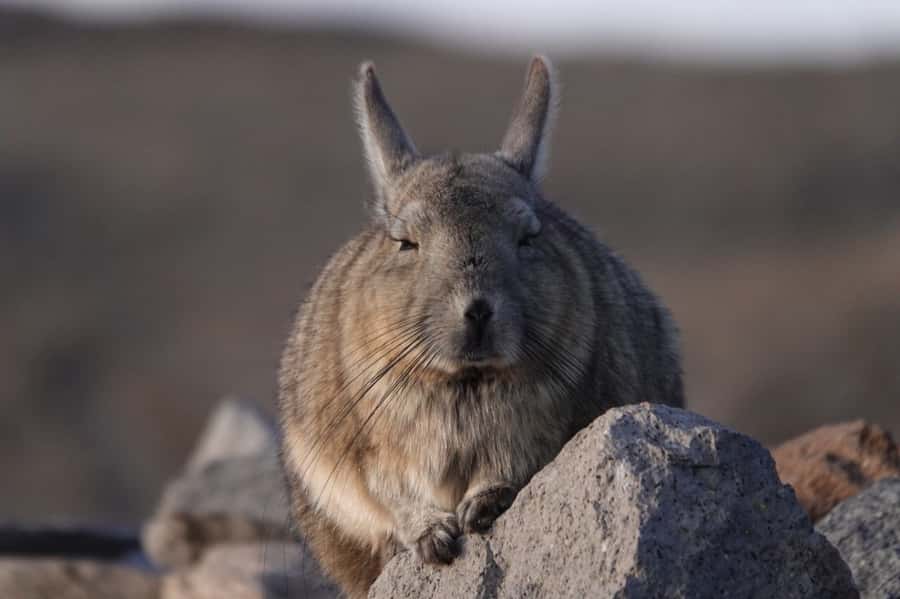
Atacama’s best wildlife is easy to miss. A vizcacha can sit in plain sight among the rocks, while a distant flamingo flock may look like a pale smear across a wetland. This small-group safari with Juan Pablo gives you the eyes and local know-how to find what you would likely pass by alone.
I like two things right away: the tour keeps the group to four people, and it allows time for careful watching rather than rushing from one photo stop to the next. I also like the useful gear, including binoculars, field guides, and a spotting scope with a phone adaptor. The main drawback is the short four-hour schedule, which means the tour offers a focused sample of the highlands rather than a full day in the field.
In This Review
- Key points at a glance
- Why this is more than a scenic drive
- The 45-minute ride to Quirquincho Pass
- Machuca wetlands and a short bird walk
- Machuca Village and the road to Putana
- What you can realistically photograph
- The value of binoculars, scopes, and a phone adaptor
- A small group changes the feel
- Is $145 per person fair?
- Who should book this safari?
- Practical advice before you go
- Should you book the On Safari Atacama experience?
- FAQ
- How long does the wildlife and photography tour last?
- What locations does the tour visit?
- How long is the drive to the first stop?
- What animals might I see?
- Is photography equipment included?
- What languages does the guide speak?
- How many people can join the tour?
- Is the tour suitable for children?
Key points at a glance
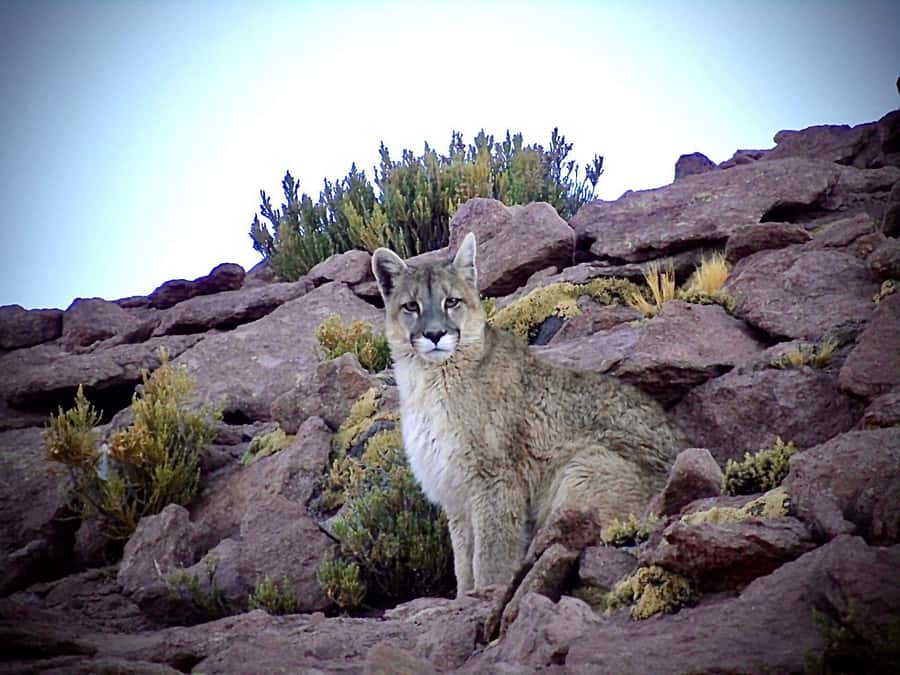
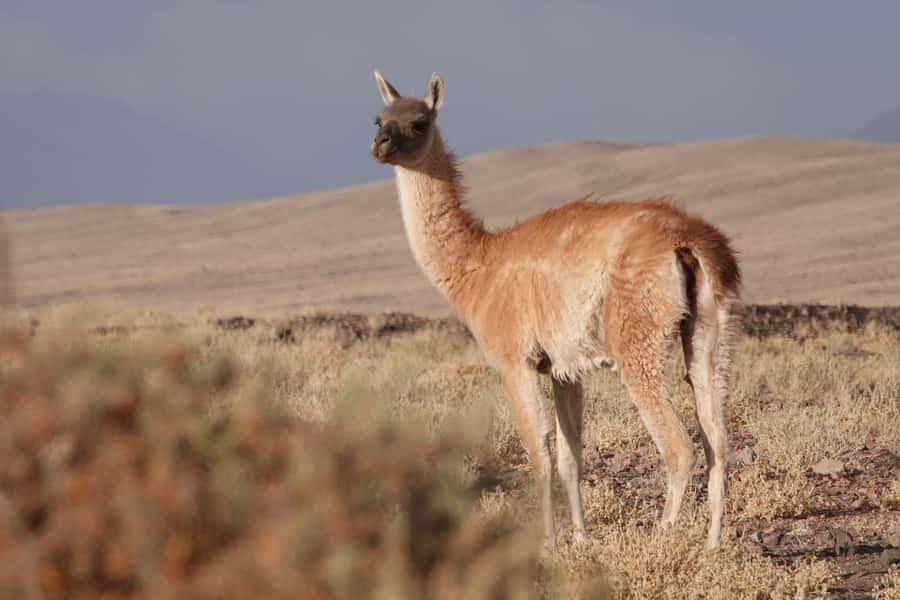
- Quirquincho Pass wildlife: Search rocky slopes for guanacos and vizcachas soon after leaving San Pedro.
- Machuca wetlands: Take a short walk among bird habitat, with flamingos as a major prize.
- Putana Valley views: Finish at a lookout with a 360-degree view of wetlands and volcanoes.
- Photography for all levels: Use spotting scopes and phone adaptors even if you carry only a smartphone.
- Small, quiet group: With no more than four participants, you get better access to the guide and less crowding around sightings.
- Four-hour value: At $145 per person, the price makes most sense if wildlife viewing and photography are central to your Atacama plans.
Why this is more than a scenic drive
San Pedro de Atacama is famous for salt flats, volcanoes, and dramatic desert color. Wildlife can get less attention, which is a mistake. The highland wetlands support flamingos and other birds, while rocky slopes shelter vicuñas, guanacos, and vizcachas.
This outing connects those habitats in a compact route. You are not simply driven to a viewpoint, handed a few minutes for photos, and moved along. The guide stops to look, identify animals, and explain what you are seeing. That matters in Atacama, where distance, pale ground, and strong light can make animals blend into their surroundings.
Juan Pablo is the guide named most often in the experience details, and his role is central. He brings expertise in local fauna, but also adjusts the outing to your interests. If you care about birds, plants, or getting a particular animal into the frame, tell him early. One useful feature of a four-person group is that this sort of conversation is practical, not lost in a busload of people.
A few more San Pedro De Atacama trips to weigh up
- From Santiago: Safari Park, a wild experience
★ 4.5 · 20 reviews - SAFARI PARK-TOUR RANCAGUA : CHILE
★ 4.5 · 4 reviews
The 45-minute ride to Quirquincho Pass
Pickup from your hotel starts the tour, followed by a drive of about 45 minutes toward the mountains. That transfer is not wasted time. You move from the settled area around San Pedro into more open country, with broad views of volcanoes and highland terrain.
The first stop is rocky Quirquincho Pass, where the search begins for guanacos and vizcachas. Guanacos are larger and easier to recognize, while vizcachas can be the real test. These rabbit-like rodents are masters of rocky camouflage, and finding one may depend on the guide noticing a small movement or an oddly shaped patch among the stones.
This is where the supplied binoculars and spotting scope earn their place. You do not need a long camera lens to take part, and you are not expected to know every species before arriving. The field guides help connect the animal in front of you with its name and habits.
The stop also sets the right pace. Wildlife is not arranged along the roadside for inspection. You may see several animals quickly, or spend time scanning before the guide spots something. The tour is best for someone who enjoys observation as much as taking the final picture.
Machuca wetlands and a short bird walk
After Quirquincho Pass, the route continues to the wetlands near Machuca Village. Here, the experience changes from rocky slopes to shallow wetland habitat, with more attention on birds.
You take a short hike, not a strenuous trek. Comfortable shoes still matter because the outing includes walking on uneven ground. The wetland is a key place to look for flamingos, along with other birds that may be unfamiliar to you.
Flamingos are often the headline sight, and for good reason. A large flock across open water makes a memorable photograph, but the spotting scope lets you study details that the naked eye loses at a distance. With the phone adaptor, you can try recording the view through the scope using your mobile phone. That is especially useful if you are traveling light or do not own a telephoto lens.
The bird stop rewards patience. You may get a broad flock photograph, then spend time identifying smaller birds nearby. The guide’s field knowledge adds much more than a simple list of names. You can ask what you are looking at and learn how to spot it again later.
The walk is short, but this is still an outdoor outing in a highland setting. Warm clothing, a hat, sunscreen, and comfortable shoes belong in your day bag. The supplied information does not give a precise temperature range, so dressing in layers is the sensible choice.
Machuca Village and the road to Putana
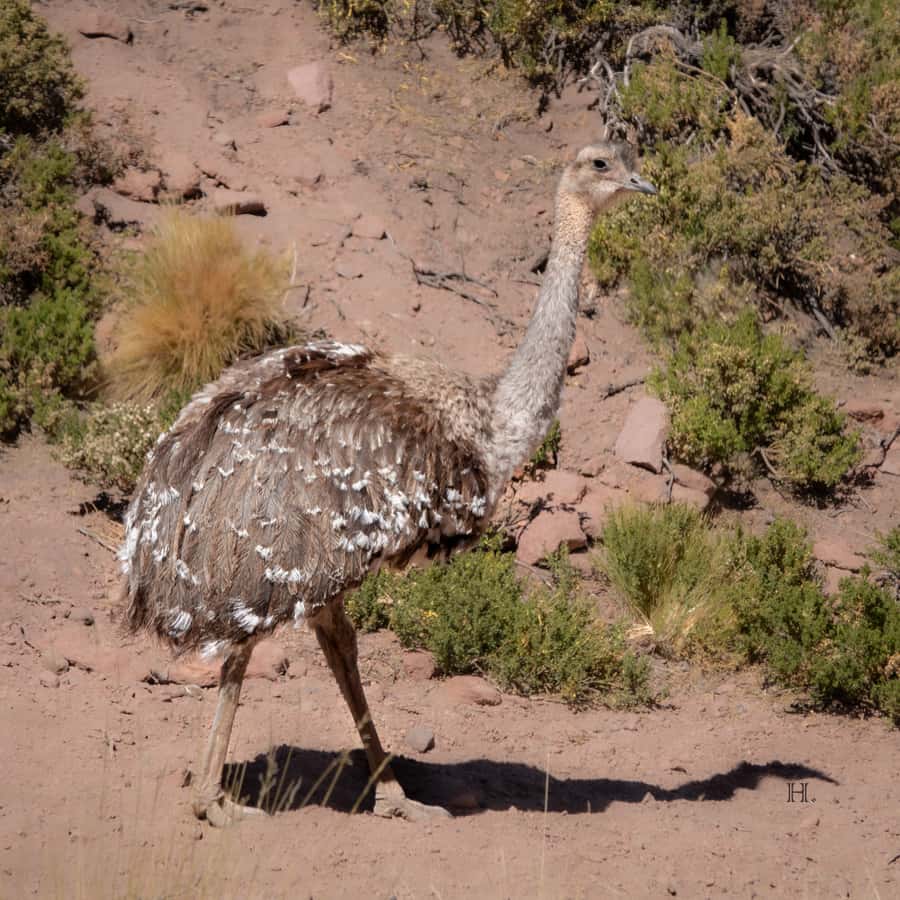
The route crosses the beautiful village of Machuca before continuing toward the Putana highland lookout. The village adds a human element to a tour otherwise centered on animals and open country.
Do not expect Machuca to be the main stop or a long cultural visit. Its role here is part of the route, connecting the wetland to the higher lookout. The strongest part of the experience remains the wildlife and the setting, so book this tour for those priorities rather than for extensive village sightseeing.
The drive onward brings you to the Putana Valley lookout. This is the broadest viewpoint of the day, with a 360-degree view of the region’s largest wetland surrounded by high volcanoes. After the close work of scanning rocks and birds, the lookout gives you room to pause and take in the scale of the area.
This final stop also works well for photography. You can frame the wetland and volcanoes together, or use the open views for wider images rather than animal portraits. The light can be especially appealing later in the day. One visitor specifically valued the golden evening light, though the exact departure time depends on availability.
Same long country, a very different day out:
- San Pedro de Atacama: El Tatio Geysers Tour
★ 4.7 · 943 reviews - San Pedro de Atacama: Etno-Stargazing Tour with Transfer
★ 4.8 · 629 reviews - Piedras Rojas, Altiplanics Lagoons & Salar Full-Day Tour
★ 4.7 · 592 reviews - San Pedro de Atacama: Stargazing Experience
★ 4.7 · 489 reviews
What you can realistically photograph
The animal list is strong for a four-hour trip: vicuñas, guanacos, vizcachas, flamingos, and several other bird species are all possible sights described for the outing. That does not mean every animal is guaranteed on every departure. Wildlife moves, and the experience depends on conditions and chance.
You can improve your odds by treating the tour as a search rather than a wildlife display. Listen to the guide, scan slowly, and be ready to look away from the obvious view. Juan Pablo’s value is often in pointing out the animal you were already looking at without recognizing.
For serious photographers, the tour offers a useful middle ground. You get access to good viewing equipment without carrying a full safari kit, and the group is small enough to ask for time at a sighting. For beginners, the guide and phone adaptor remove much of the guesswork.
Still, you should keep your expectations sensible. The supplied information does not promise professional camera equipment, guaranteed close approaches, or a specific number of species. You may get excellent animal photographs, but the tour’s real strength is helping you see and understand wildlife in a difficult setting.
The value of binoculars, scopes, and a phone adaptor
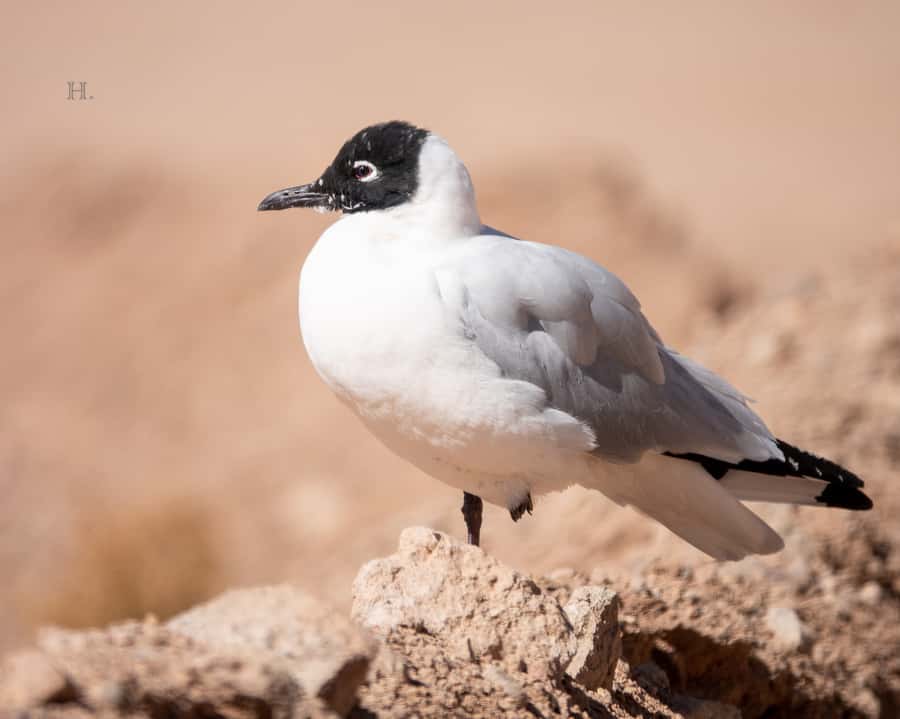
The included gear is not filler. In an open highland environment, animals may be visible but far away. Binoculars give you a quick personal view, while the spotting scope offers more detail and can be shared with the group.
The phone adaptor is a particularly practical touch. It lets you attempt photos through the scope, which can produce a record of distant flamingos or a well-hidden vizcacha even if your phone camera alone cannot reach. Results will depend on your phone, steadiness, light, and the animal’s distance, but the option is there.
Field guides of fauna and birds also help you make sense of the outing. That makes this a good choice if you want to return to the Atacama with more than a folder of similar-looking bird photos. You can start learning the difference between animals that occupy different parts of the highlands.
A small group changes the feel
The maximum group size is four participants. That is a major part of the experience, not a minor booking detail.
With fewer people, the guide can ask what interests you, pass around the optical equipment, and spend more time at a sighting without managing a crowd. It also makes photography easier. You are less likely to have several people stepping into the same view or waiting impatiently while you frame a shot.
The small format can also work well for solo visitors. One booking continued even with a single participant, and the guide spent extra time showing animals, plants, and local sights. You should not assume every departure will be private, but the limited group size gives the outing a personal feel.
There is one tradeoff. A tiny group offers less social variety than a larger shared tour. If meeting many other people is part of your holiday plans, this is not the obvious pick. For focused wildlife viewing, the quiet format is a clear advantage.
Is $145 per person fair?
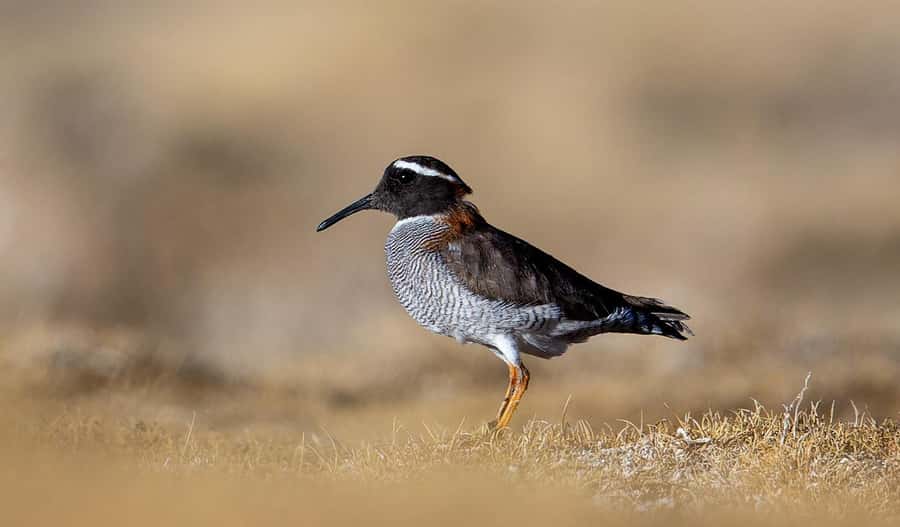
At $145 per person, this is not the cheapest way to see the Atacama. The price includes hotel pickup and drop-off, a bilingual fauna guide, binoculars, field guides, and a spotting scope with a phone adaptor. You are also paying for a small group, which is often more useful than a lower price on a crowded vehicle.
I think the value is strongest for three types of visitors:
- You care about birds and mammals, not just scenic stops.
- You want help taking wildlife photographs.
- You prefer a slower, more personal outing to a standard sightseeing circuit.
The price is harder to justify if you only want a quick volcano viewpoint or a general introduction to San Pedro. The Putana lookout is beautiful, but the tour’s special purpose is wildlife. If that is not a priority, a broader scenic excursion may suit you better.
The four-hour length helps keep the cost and time commitment manageable. You can fit it into a day with other plans, though you should allow enough time around the pickup window since the exact starting time depends on availability.
Who should book this safari?
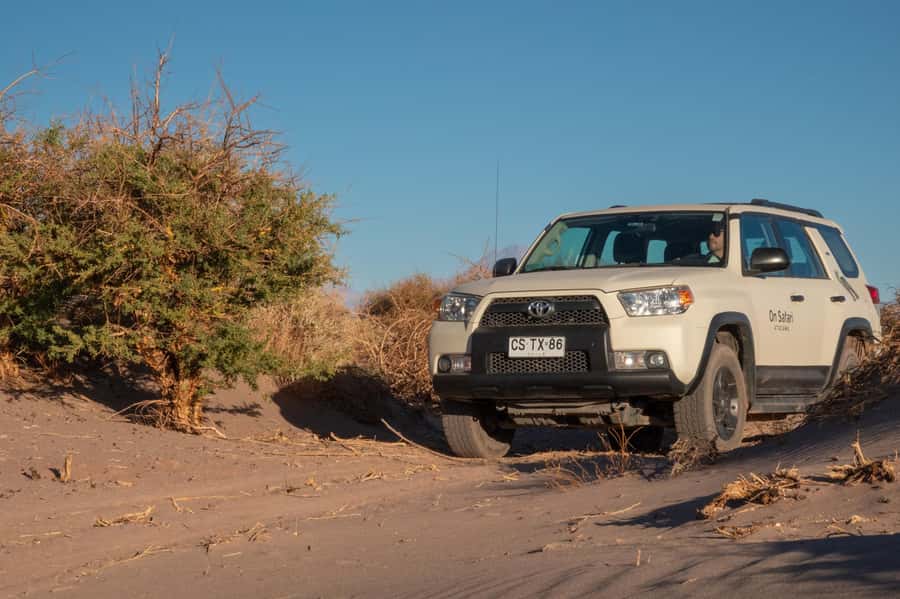
This outing suits beginner photographers, experienced birdwatchers, and anyone curious about Atacama animals. You do not need specialist equipment or prior wildlife knowledge. Comfortable shoes and a willingness to look carefully are more important.
It is also a good fit if you have already seen the main desert sights and want a different side of the region. The wetlands, rocky pass, and highland lookout show how varied the area can be beyond salt and sand.
The tour is not suitable for children under 12. It is also less suitable for anyone who wants a guaranteed close-up of a particular species. The guide can improve your chances and help you find wildlife, but nature keeps its own schedule.
Languages offered are English, Spanish, and Portuguese. That gives you a useful choice when booking, especially on a tour where clear explanations and quick directions matter.
Practical advice before you go
Wear warm clothing even if San Pedro feels mild at pickup. The route reaches mountain and highland areas, and the tour specifically recommends warm layers, a hat, sunscreen, and comfortable shoes.
Tell Juan Pablo what you hope to see or photograph at the start. A request for flamingos, vizcachas, birds, or plants can help shape how you use the limited time. You should also keep your camera or phone ready, since a brief sighting may appear between formal stops.
Do not spend every minute looking through your screen. First watch the animal through the binoculars or scope, then take your photograph. You will get more from the experience, and you may notice behavior that a rushed snapshot misses.
Free cancellation is available up to 24 hours before the tour for a full refund. You can also reserve and pay later, which is useful when your San Pedro schedule is still changing. Pickup and drop-off are included through the car company.
Should you book the On Safari Atacama experience?
Book it if you want a compact, wildlife-focused outing with a real chance to see flamingos, vicuñas, guanacos, vizcachas, and highland birds. The strongest reasons are Juan Pablo’s field skills, the small group, and the viewing equipment that makes distant animals easier to find and photograph.
Skip it if your main goal is a long trek, a guaranteed animal encounter, or a full-day route through every major Atacama sight. For the right visitor, though, $145 buys more than transport and scenery. It buys time to notice what the desert is quietly doing.
FAQ
How long does the wildlife and photography tour last?
The tour lasts four hours.
What locations does the tour visit?
The route includes Quirquincho Pass, the wetlands near Machuca Village, Machuca Village, and the Putana highland lookout.
How long is the drive to the first stop?
The drive from San Pedro de Atacama to the mountains and Quirquincho Pass takes about 45 minutes.
What animals might I see?
Possible sightings include flamingos, vicuñas, guanacos, vizcachas, and several other bird species.
Is photography equipment included?
The tour includes binoculars, field guides, and spotting scopes with phone adaptors. Personal cameras and phones are not listed as included.
What languages does the guide speak?
The live guide service is available in English, Spanish, and Portuguese.
How many people can join the tour?
The group is limited to four participants.
Is the tour suitable for children?
No. The activity is not suitable for children under 12.
Just added around San Pedro De Atacama
- Atacama Desert and Magic Bus Visit★ 4.8 · 15 reviews
- Vallecito★ 4.7 · 13 reviews
- San Pedro de Atacama: Valle de la luna★ 3.0 · 3 reviews
- Valle de la Luna: A Moon-Like Escape in Atacama★ 5.0 · 3 reviews
- Valley of the moon★ 5.0 · 50 reviews
- San Pedro de Atacama: Half day Valle de la Luna, Afternoon Tour★ 4.5 · 52 reviews
- Piedras Rojas and Altiplanic Tour★ 4.5 · 38 reviews
- Uyuni Salt Flats 4-days tour from Atacama> private room available★ 4.5 · 44 reviews
San Pedro de Atacama Tours, compared.
Piedras Rojas, Altiplanics Lagoons & Salar Full-Day Tour
Read our review →
Triple tour: Red stones, highland lagoons and Chaxa Lagoon
Read our review →Browse the lists this tour appears in