
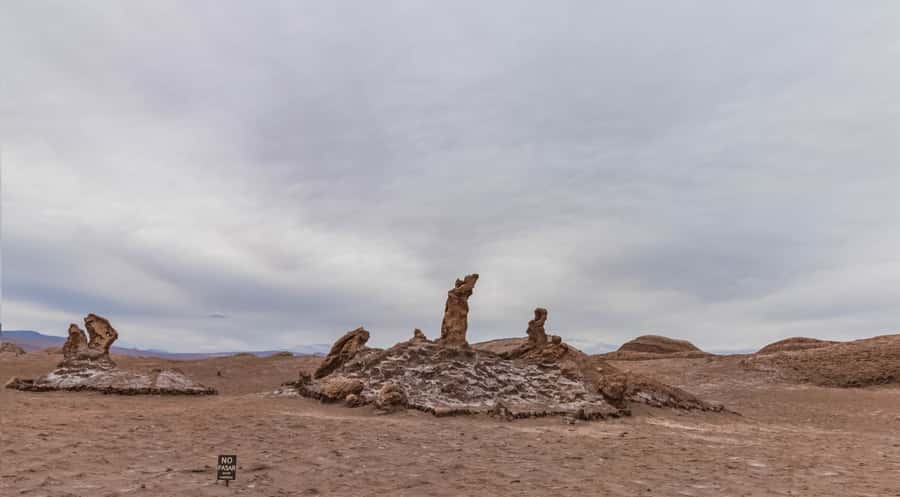
Reviewed · MOON VALLEY TOURS
Valle de la Luna (Moon Valley) from San Pedro de Atacama
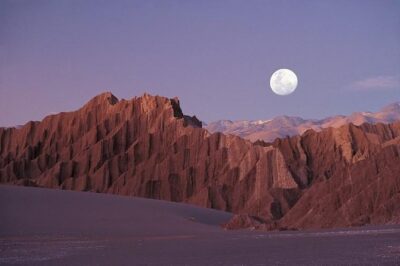
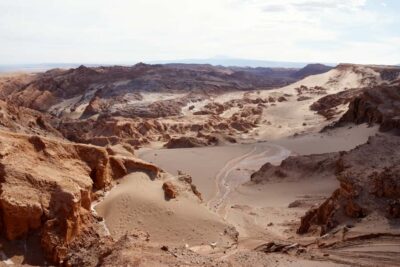
Valle de la Luna earns its name honestly. Jagged salt ridges, pale cliffs, wind-carved hollows, and broad dunes make this protected corner of the Atacama feel less like ordinary desert and more like a scene from another planet. The Gran Duna at sunset is the grand finale, with the valley turning gold, rose, and purple as the light fades.
I like two things especially: the tour packs the valley’s main sights into a useful half-day, and the small group size, capped at 14, keeps the outing more personal than a large coach trip. The main thing to consider is the walking. You need comfortable shoes, sun protection, and enough mobility for uneven ground and a moderate climb.
In This Review
- Key points
- Why Valle de la Luna feels like another planet
- Leaving San Pedro for the Salt Mountain range
- The salt caves bring the geology close
- Tres Marias and the valley’s most famous shapes
- The climb to Gran Duna pays off at sunset
- What the $47 price really covers
- Who should book this afternoon outing
- How to make the most of the five hours
- Is this Valle de la Luna tour worth booking?
- FAQ
- Where is Valle de la Luna located?
- How long does the tour last?
- What language is the tour offered in?
- Is hotel pickup included?
- Is the reserve entrance fee included?
- Are snacks included?
- What should I bring?
- Is the activity suitable for people with mobility problems?
- Can I cancel the booking?
Key points
- Salt caves and Tres Marias: See two of Valle de la Luna’s best-known formations, each with a very different character.
- Gran Duna sunset: Climb the Great Dune for wide views and changing evening colors.
- Five-hour schedule: The timing gives you a full visit without using an entire day in San Pedro.
- Small bilingual group: Tours run in English and Spanish, with no more than 14 participants.
- Simple, useful inclusions: Hotel pickup from central San Pedro, a local guide, transport, and snacks are covered.
- Extra cost to plan for: The entrance ticket to Los Flamencos National Reserve is not included in the $47 tour price.
Why Valle de la Luna feels like another planet
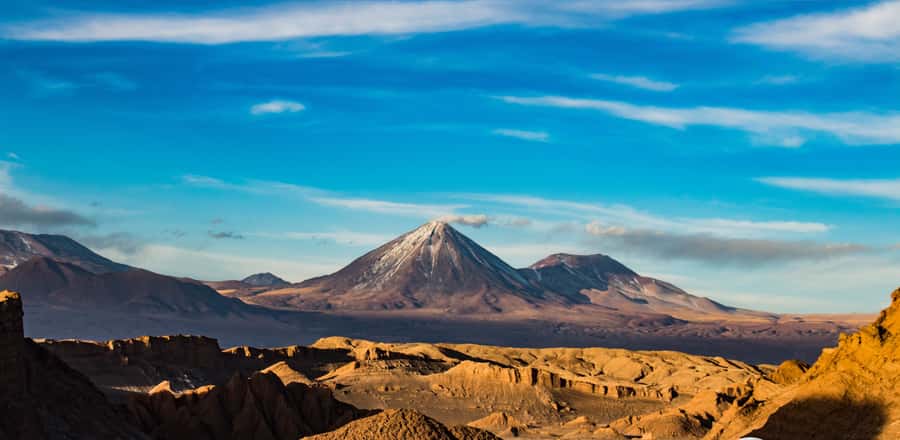
Valle de la Luna lies about 10 kilometers from San Pedro de Atacama in the Salt Mountain range. It forms part of Los Flamencos National Reserve and has been declared a natural sanctuary, protecting a setting shaped by salt, rock, wind, and extreme dryness.
The name is not just clever marketing. The valley has very little vegetation, and its ridges and hollows have been worn into strange shapes over time. Colors shift from gray and white to tan, rust, and pink, depending on the angle of the sun.
I like this visit because it gives you a quick introduction to the Atacama’s character without requiring a dawn departure or a full day on the road. You get the stark scenery, a guide to explain what you are seeing, and the soft evening light that makes the valley especially photogenic.
Do not expect a gentle stroll through a landscaped park. This is a dry, exposed place. You will walk over uneven surfaces, and the sun can feel strong even when the air is cool. A hat, sunglasses, sunscreen, water, and sturdy walking shoes are not optional extras here.
More moon valley tours in San Pedro De Atacama:
- San Pedro de Atacama: Valle de la Luna Guided Tour
★ 4.4 · 312 reviews - San Pedro de Atacama: Shared Moon Valley Tour
★ 4.7 · 135 reviews - Small-Group Tour to Moon Valley from San Pedro de Atacama
★ 4.5 · 91 reviews
Leaving San Pedro for the Salt Mountain range
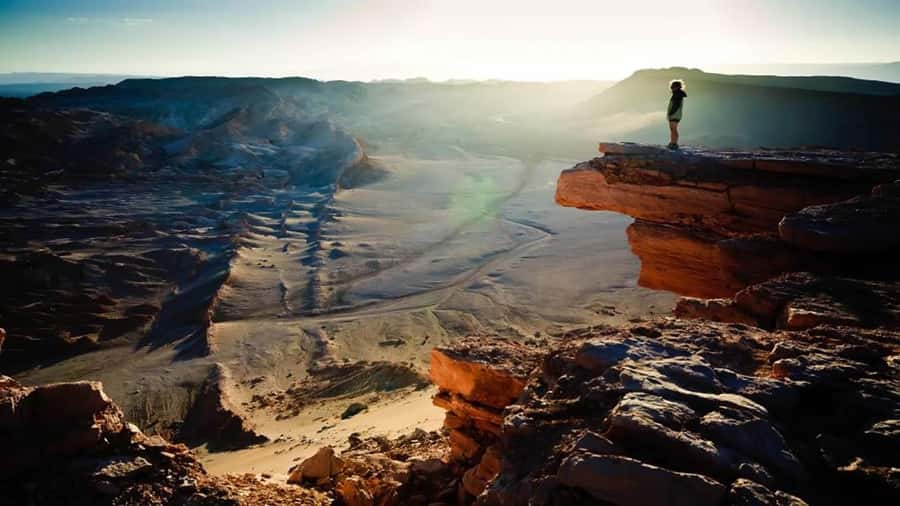
Pickup is offered from centrally located hotels in San Pedro de Atacama. If your accommodation sits outside the pickup zone, you will receive a meeting point instead, so check that detail before the day of departure.
The drive to Valle de la Luna is short, roughly 10 kilometers, but the setting changes quickly. San Pedro is a compact desert town with adobe-style buildings and busy streets. Soon, the settlement gives way to bare rock and open desert.
The tour lasts about five hours. Starting times vary, so you need to check availability when booking. The schedule is built around the afternoon and sunset, rather than the early morning. That makes it a good fit for the day you arrive, provided you have enough time and are not dealing with altitude fatigue from another excursion.
The vehicle and driver handle the transport while your guide leads the visit. Past departures have included bilingual guides such as Andres, who switched comfortably between English and Spanish and kept the group entertained as well as informed. Guide quality matters here because the formations can look like a jumble of rock without some explanation.
The group limit of 14 is a practical advantage. You are still on a shared outing, but the guide has a better chance of answering questions and helping with photographs than on a large bus tour.
The salt caves bring the geology close
The salt caves offer one of the most distinctive parts of the visit. Instead of only looking across a large valley, you get close to the mineral formations and see how salt and rock have created hollows and narrow spaces.
This stop rewards careful walking. The ground can be rough, and the space may feel confined in places, so it is not a good match for anyone with serious mobility limits or a fear of uneven footing. Large bags and luggage are not allowed, which is sensible in a place where you need your hands free.
You will want your camera here, but do not spend the whole stop looking through it. The surfaces, shadows, and textures are more interesting when you take a moment to look around without a screen.
The caves are also a reminder that Valle de la Luna is not only a place for broad sunset photos. The best visit mixes close-up details with large views. This stop supplies the close-up details.
Tres Marias and the valley’s most famous shapes
Tres Marias is known for its salt sculptures, named for their resemblance to three human figures. The forms are a classic photo stop, but they are also a good example of how easily the mind invents familiar shapes in natural rock.
Your guide can help you understand the formation and point out details you might miss from the vehicle. Give yourself time to study the outlines rather than taking a quick picture and moving on. The angle of the light can change the shapes considerably.
This is one of the places where the tour’s timing makes a difference. Afternoon light is warmer and less harsh than midday light, so the salt and rock tend to show more depth. The stop can be busy, especially at popular times, and you should not expect complete solitude.
That crowd issue is worth keeping in mind. The guide and driver may adjust the order or timing of stops when possible to find a quieter viewpoint, but Valle de la Luna is one of San Pedro’s most popular outings. You are paying for access to a famous place, not a private desert.
Same long country, a very different day out:
- San Pedro de Atacama: El Tatio Geysers Tour
★ 4.7 · 943 reviews - San Pedro de Atacama: Etno-Stargazing Tour with Transfer
★ 4.8 · 629 reviews - Piedras Rojas, Altiplanics Lagoons & Salar Full-Day Tour
★ 4.7 · 592 reviews - San Pedro de Atacama: Stargazing Experience
★ 4.7 · 489 reviews
The climb to Gran Duna pays off at sunset
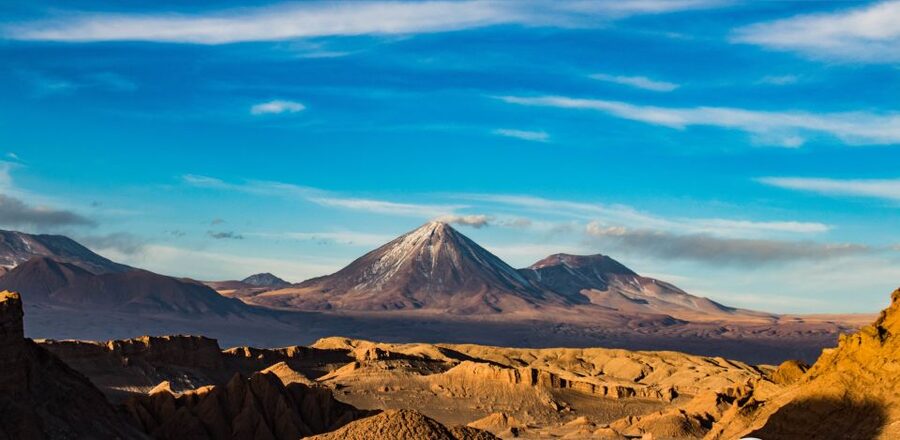
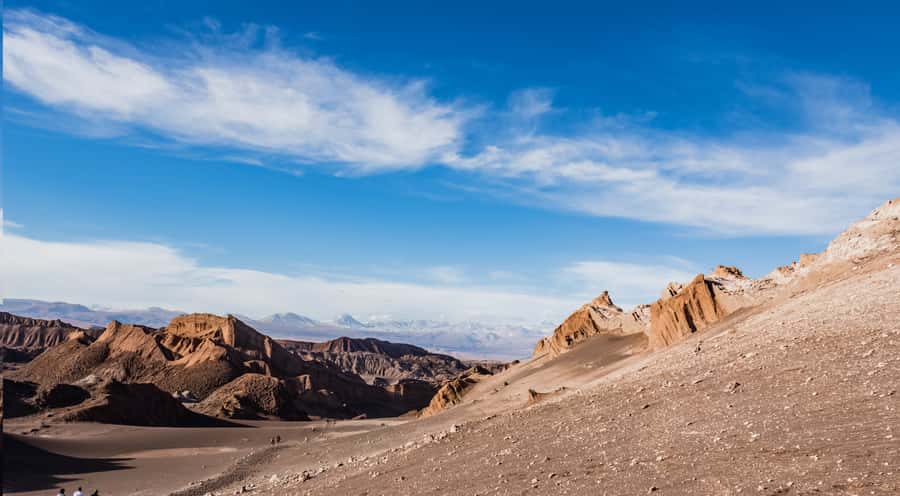
The Gran Duna, or Great Dune, is the main event. You climb to a higher point for a broad view across the valley, then watch the desert colors change as the sun drops.
The climb is not described as extreme, but it is a moderate walk, and the combination of loose sand, uneven ground, dry air, and sun can make it feel harder than the distance suggests. Take your time. Comfortable hiking shoes will serve you much better than sandals or smooth-soled trainers.
At the top, the reward is space. The valley spreads out in layers of ridges and folds, with the Salt Mountain range beyond. As the afternoon fades, the colors move through pale yellow, orange, pink, and purple. The exact display depends on the day, but the changing light is the reason this tour runs late.
Bring a warm layer as well as sun protection. San Pedro’s daytime sun can be fierce, yet the desert cools quickly once the sun is low. A pullover is specifically recommended, and it is a small item that can make the final part of the outing much more comfortable.
The sunset stop usually includes snacks. Some outings have also featured a pisco sour, which adds a festive touch, but the published inclusions promise snacks only. Treat any drink as a possible extra rather than something guaranteed. You should still bring water and cash.
Do not rush away as soon as the sun slips below the horizon. The last light can linger across the rock, and the colors often continue changing after the brightest moment has passed. At the same time, remember that the return walk takes place as daylight fades. Stay with the group and follow your guide’s instructions.
What the $47 price really covers
At $47 per person, this is a reasonable way to see Valle de la Luna if you want transport and guidance without arranging a private vehicle. The price includes pickup from central San Pedro, a local guide, transport, snacks, and a five-hour visit.
The strongest value comes from the organization. You do not need to work out how to reach the reserve, choose the best sequence of viewpoints, or arrange your own return after sunset. You also gain explanations in English or Spanish, which add context to formations that might otherwise blur together.
The reserve entrance ticket is extra. Factor that into your total budget before booking, since the advertised tour price is not the final cost of the outing. Food and drink beyond the included snacks are also not covered.
A small group can cost more than the cheapest large-bus option, but the limit of 14 is useful here. At a photo stop, you spend less time waiting for a large crowd to regroup. You also have a better chance of asking a question or getting help with a photograph.
The bilingual format has one drawback. If English and Spanish are both used in the same group, explanations and conversation may take longer, and some questions can be harder for everyone to follow. Guides such as Andres have handled the language switch well, but a single-language departure would likely feel more focused.
Who should book this afternoon outing
I would recommend this tour to first-time visitors who want to see San Pedro’s signature desert attraction in half a day. It is also a sensible choice if you prefer a fixed plan, hotel pickup, and a guide rather than hiring transport independently.
Photographers should like the timing. You get strong afternoon light, sculptural salt formations, a high viewpoint, and sunset colors in one outing. The guide also gives you time for pictures rather than forcing the group through every stop.
The tour suits active adults and older children who can manage moderate walking. The stated age guidance is strict: it is not recommended for children under 7, and the activity is listed as unsuitable for children under 8. People over 70 are also advised against joining.
You should skip it if you have mobility impairments, use a wheelchair, are pregnant, or have serious back, heart, or blood pressure problems. The activity is also not suitable for people with hypertension. The combination of walking, uneven ground, exposure, and the climb to Gran Duna requires a reasonable level of comfort outdoors.
Pack light. Pets, smoking, luggage, and large bags are not allowed. Your useful kit is simple:
- Passport or ID card
- Sunglasses and a sun hat
- Sunscreen and a bottle of water
- Hiking or sturdy walking shoes
- Comfortable clothing and a warm layer
- Camera and some cash
The passport or ID requirement is easy to overlook, so do not leave it at your accommodation. You will also be happier with a small day bag than a heavy pack.
How to make the most of the five hours
Start with water and sun protection before pickup. The desert air is dry, and you may not notice how much sun you are taking until the tour is well underway.
Wear shoes with a firm sole. The salt caves and the Gran Duna are not the places for fragile footwear. Comfortable clothes are best, but bring a pullover for the return after sunset.
Keep your schedule flexible around the stated starting time. The activity lasts five hours, but departure times vary, and one past departure began an hour later than the advertised time. That group returned later as well, so avoid booking a tight dinner reservation or another activity immediately afterward.
Listen to the guide at each stop. Valle de la Luna can look simple at first glance, but the unusual forms become more interesting when you learn how to read the rock and salt. A guide also helps you stay on the permitted paths and keeps the group together as the light fades.
If the first viewpoint is crowded, do not assume the whole outing will feel crowded. The driver and guide may adjust the order to find a quieter stop. That flexibility is one of the benefits of a small group, though it cannot remove the popularity of the site.
Is this Valle de la Luna tour worth booking?
Yes, for most visitors who want a well-organized sunset visit to San Pedro’s best-known desert site. The price is fair for five hours of transport, a bilingual local guide, snacks, and a group capped at 14, as long as you add the reserve entrance fee to your budget.
Book it if you value clear logistics, strong sunset views, salt caves, Tres Marias, and enough time for photographs. Think twice if you want solitude, dislike shared bilingual tours, or have difficulty walking on uneven ground.
For the best experience, bring water, a warm layer, sturdy shoes, and realistic expectations about crowds. Valle de la Luna is famous for good reason, and this tour gives you a practical way to see its most memorable features in one afternoon.
FAQ
Where is Valle de la Luna located?
Valle de la Luna is about 10 kilometers from San Pedro de Atacama in northern Chile. It forms part of the Salt Mountain range and Los Flamencos National Reserve.
How long does the tour last?
The tour lasts about five hours, including the visit to Valle de la Luna and the return to San Pedro de Atacama.
What language is the tour offered in?
The live guide service is offered in English and Spanish. A single departure may include both languages.
Is hotel pickup included?
Pickup is included from centrally located hotels in San Pedro de Atacama. If your accommodation is outside the pickup area, you will be given a meeting point.
Is the reserve entrance fee included?
No. The entrance ticket to Los Flamencos National Reserve is not included in the tour price.
Are snacks included?
Yes, snacks are included. Additional food and drink are not included. Some outings have included a pisco sour, but it is not listed as a guaranteed inclusion.
What should I bring?
Bring your passport or ID card, sunglasses, a sun hat, sunscreen, water, comfortable clothes, hiking shoes, a camera, and cash. A pullover is also recommended for the cooler period after sunset.
Is the activity suitable for people with mobility problems?
No. The tour involves a moderate amount of walking and is not suitable for wheelchair users or people with mobility impairments. It is also not recommended for pregnant women or people with back, heart, or high blood pressure problems.
Can I cancel the booking?
You can cancel up to 24 hours in advance for a full refund. The reserve now and pay later option lets you book without paying immediately.
Just added around San Pedro De Atacama
- Atacama Desert and Magic Bus Visit★ 4.8 · 15 reviews
- Vallecito★ 4.7 · 13 reviews
- San Pedro de Atacama: Valle de la luna★ 3.0 · 3 reviews
- Valle de la Luna: A Moon-Like Escape in Atacama★ 5.0 · 3 reviews
- Valley of the moon★ 5.0 · 50 reviews
- San Pedro de Atacama: Half day Valle de la Luna, Afternoon Tour★ 4.5 · 52 reviews
- Piedras Rojas and Altiplanic Tour★ 4.5 · 38 reviews
- Uyuni Salt Flats 4-days tour from Atacama> private room available★ 4.5 · 44 reviews
Moon Valley Tours, compared.
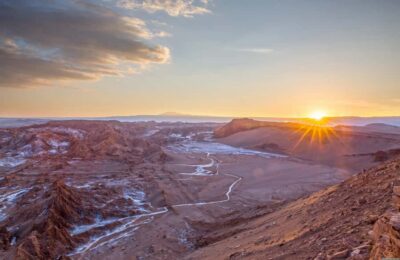
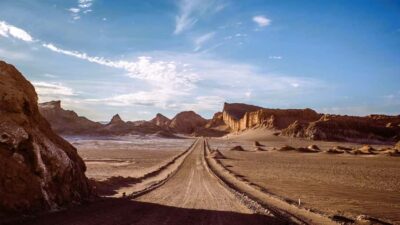
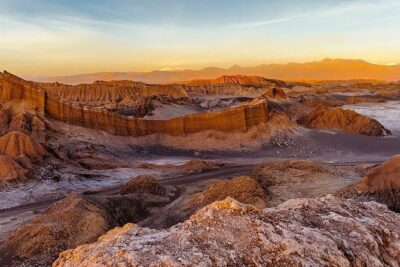
Small-Group Tour to Moon Valley from San Pedro de Atacama
Read our review →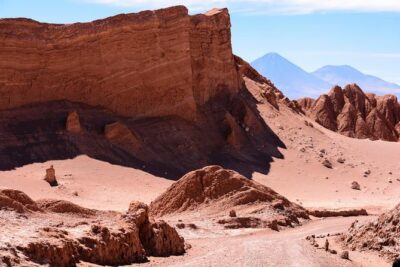
San Pedro de Atacama Tour Guiado Valle de la Luna & Cocktail
Read our review →Browse the lists this tour appears in