
Reviewed · ATACAMA STARGAZING TOURS
Chile: Astronomical Tour in the Atacama Desert
The Atacama Desert gives this tour its main advantage: a remarkably clear night sky with little light pollution, dry air, and high elevation. You spend 150 minutes learning the sky through telescopes, stories, and practical explanations rather than simply standing outside and pointing at stars.
I like two things here. First, the guides bring real enthusiasm and explain both astronomy and star mythology in Spanish or English. Second, the telescopes and included photographs turn the evening into something more memorable than a quick look at the Milky Way. The main drawback is the pickup organization. The meeting time is supposed to fall between 9:00 and 9:30 p.m., but unclear instructions have caused long waits.
In This Review
- Key points to know
- Why the Atacama sky changes the experience
- Your 9:00 p.m. to 9:30 p.m. start
- Meeting the astronomy guides
- What happens during the telescope session
- Learning the celestial sphere
- Astrophotography with a camera or phone
- A cocktail and time under the stars
- What the $100 price includes
- Timing, comfort, and practical planning
- Who should book this astronomical tour
- Should you book it?
- FAQ
- Where does the astronomical tour take place?
- How long does the tour last?
- What time does pickup take place?
- Is hotel transfer included?
- What languages are available?
- Is telescope use included?
- Are drinks included?
- Are photographs included?
- Can I cancel for a refund?
Key points to know
- The Atacama sky is the main attraction: Dry air, high altitude, and low light pollution create strong viewing conditions.
- You get a guided astronomy lesson: Learn about constellations, celestial movement, star life cycles, mythology, and modern discoveries.
- Telescopes are included: You might see lunar craters, planets, star clusters, nebulae, and distant galaxies.
- Astrophotography is part of the fun: Guides can help you use a camera or smartphone to record the sky.
- The evening includes small extras: You receive a cocktail with access to a drinks bar and two photographs.
- Plan carefully for pickup: Return transfer is included, but pickup itself is listed separately and the exact time is confirmed on the day.
Why the Atacama sky changes the experience
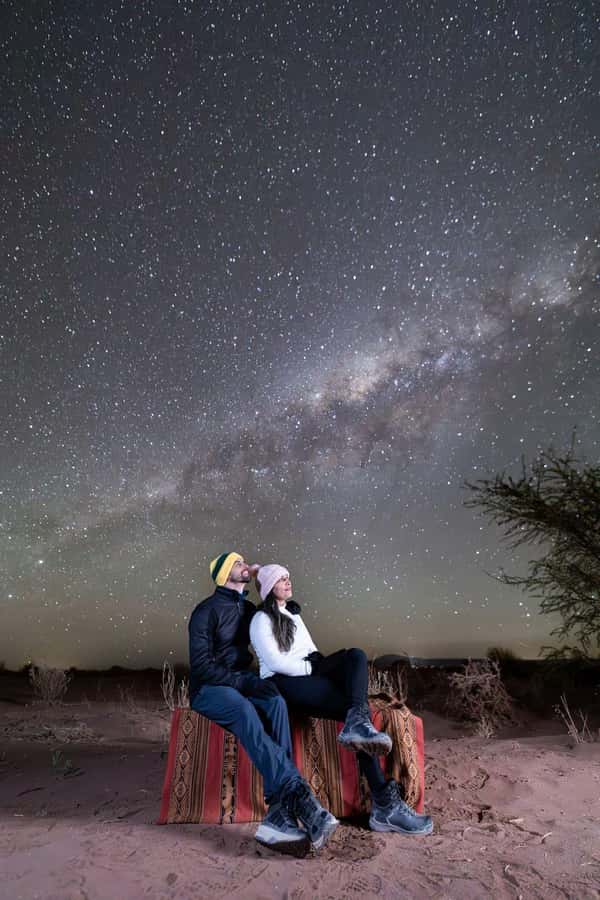
A stargazing tour depends first on the sky. In northern Chile’s Atacama Desert, the conditions are unusually favorable: the air is dry, the surrounding area has little artificial light, and the desert sits at high altitude.
That does not mean every night looks identical. Moonlight, cloud cover, and the time of year affect what you see. One important detail comes from a night when the moon was waxing, yet the telescope still showed impressive objects. That is useful because you do not need a perfectly moonless evening for the tour to work.
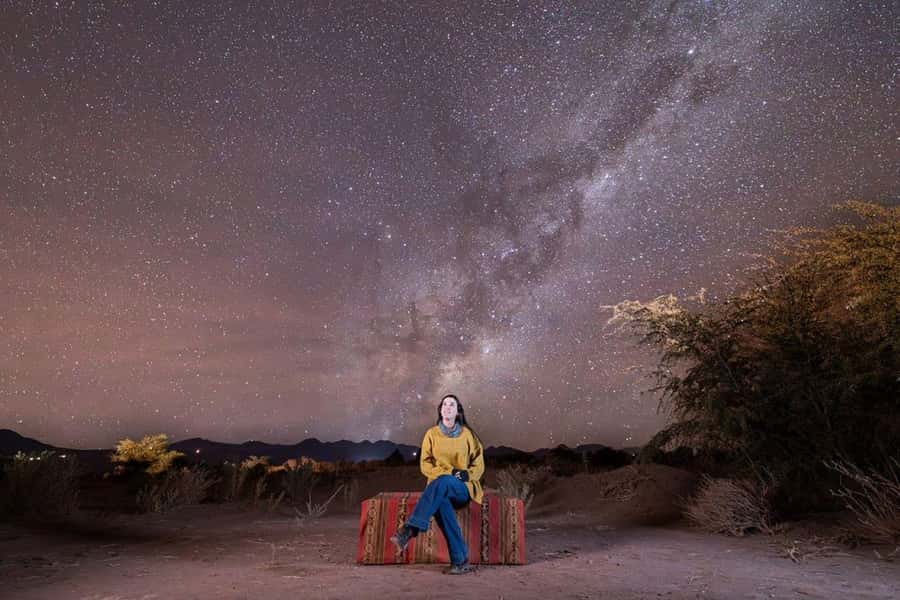
The wide desert setting also helps. You move away from the brighter town area, giving the sky a darker backdrop. You may notice the difference before the telescope is even set up. The Milky Way can appear as a broad band overhead, while familiar constellations become easier to pick out.
I would not book this only to tick off a list of guaranteed sights. Astronomical viewing depends on conditions, and the activity description does not promise a fixed set of planets or galaxies. Book it for the chance to see the sky with proper equipment and to understand what you are looking at.
More Atacama Stargazing Tours in San Pedro de Atacama
- San Pedro de Atacama: Etno-Stargazing Tour with Transfer
★ 4.8 · 629 reviews - San Pedro de Atacama: Stargazing Experience
★ 4.7 · 489 reviews - Astronomical Tour with Guide and Pick Up San Pedro de Atacama
★ 4.5 · 145 reviews
Your 9:00 p.m. to 9:30 p.m. start
The operator sets pickup sometime between 9:00 and 9:30 p.m. and confirms the precise time on the day. You need to provide your hotel name and address when booking.
This flexible window is practical for an evening activity, but it also requires patience. The pickup details have been a weak point, with incorrect times or locations causing one person to wait an extra hour and a half. I would check your messages on the day, keep your phone available, and confirm the meeting point if anything seems unclear.
The listing says return transfer to your hotel is included, while pickup is not included. Read that wording carefully. It suggests you need to arrange or clarify how you reach the starting point, even though the ride back is covered. The safest approach is to ask the operator exactly where pickup occurs before the evening begins.
Once the transfer is sorted, the late start makes sense. Darkness is essential, and the tour needs time for the sky to become fully useful. You also finish late, so plan the rest of your evening around this activity rather than trying to fit another attraction afterward.
Meeting the astronomy guides
The live tour is offered in Spanish and English. Your guides explain what you see through the telescope, then place it in a wider scientific and cultural setting.
The strongest part of the guiding is the mix of facts and storytelling. You learn about constellations and celestial movement, but also about the myths attached to the stars. That combination helps you remember the sky. A list of technical names can blur together, while a story gives each pattern a place in your mind.
The lesson also covers the life cycle of stars and the scale of the universe. You may begin by looking at a bright object and end up thinking about how stars form, change, and eventually disappear. The guides also connect astronomy with ancient uses of the sky, including navigation, farming, and storytelling.
I especially like that the guides are described as enthusiastic and entertaining, not simply technical. That matters for beginners. You do not need to arrive with an astronomy background, and you can still ask questions without feeling out of place.
What happens during the telescope session
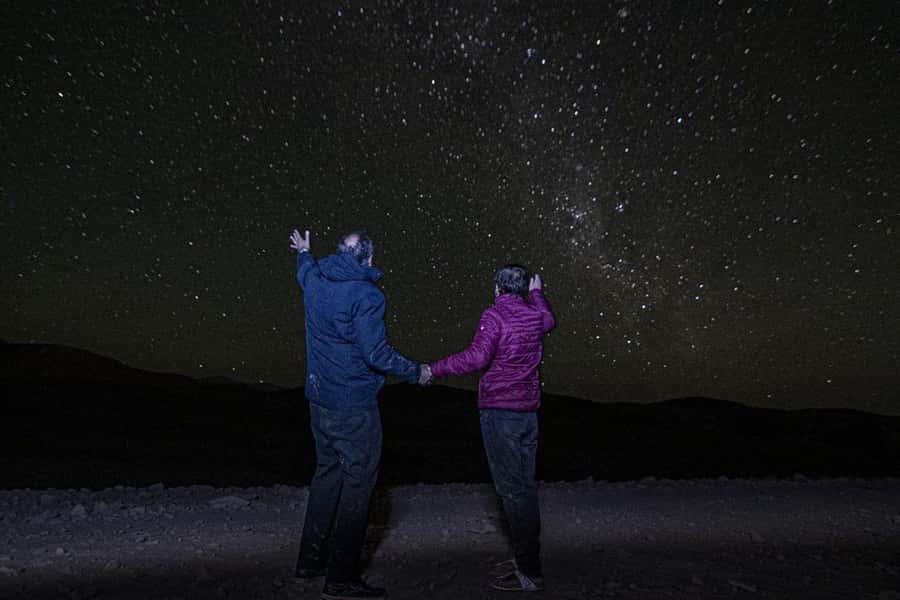
The telescopes are the practical heart of the evening. Instead of looking at a tiny white point with the naked eye, you get the chance to inspect objects in more detail.
The advertised examples include lunar craters, Saturn’s rings, nebulae, star clusters, planets, and distant galaxies. What you see on a particular night will depend on the moon, the season, and visibility. Still, the equipment gives you a better chance of spotting detail than casual stargazing from your hotel.
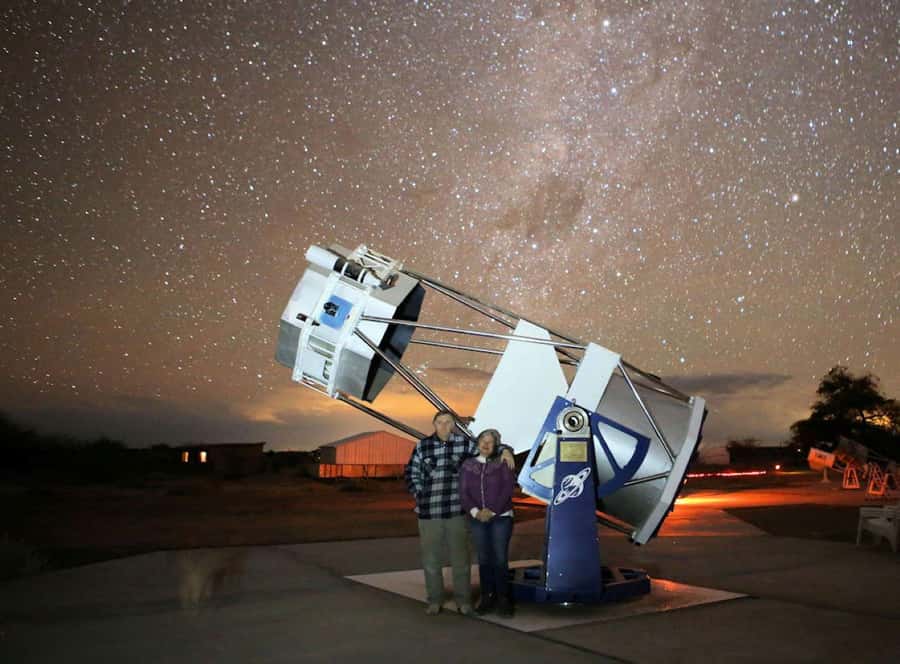
One useful point is that the telescope setup may not match the largest instrument shown in promotional photographs. On one visit, the very large telescope pictured was not present, although newer telescopes were available and the astronomy lesson remained strong. Keep your expectations realistic: this is a guided observation session, not a visit to a major research observatory.
That distinction does not make the equipment unimportant. A telescope that can show detail even with some moonlight can keep the evening worthwhile when the moon is not cooperating perfectly. You can ask the guide what is visible and why one object looks clearer than another.
The session works for mixed groups because you can take different things from it. A keen amateur may want to discuss galaxies or telescope views, while a first-time observer may simply want to find a constellation and understand its place in the sky.
Same long country, a very different day out:
- San Pedro de Atacama: El Tatio Geysers Tour
★ 4.7 · 943 reviews - Piedras Rojas, Altiplanics Lagoons & Salar Full-Day Tour
★ 4.7 · 592 reviews - San Pedro Atacama: Baltinache Lagoons
★ 4.6 · 359 reviews - San Pedro de Atacama: Valle de la Luna Guided Tour
★ 4.4 · 312 reviews
Learning the celestial sphere
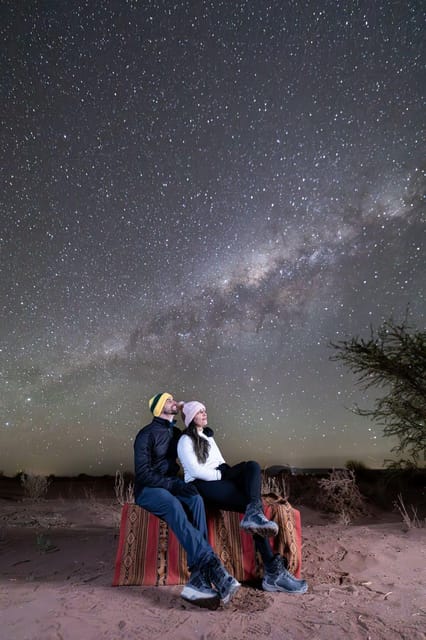
The phrase celestial sphere sounds formal, but the idea is simple. It is a way of imagining the sky as a huge dome around you, with stars and planets appearing to move across it.
The guide uses that framework to explain the movement of celestial bodies. You learn why stars seem to shift during the night and how the position of the sky changes. This makes the experience more than a series of telescope turns. You begin to understand the motion behind what you see.
The cultural side adds another layer. Ancient communities used the stars to navigate, mark seasons, and organize agricultural work. Stories attached to constellations also helped people pass knowledge from one generation to the next.
Modern astronomy comes into the discussion too. The tour introduces current discoveries and the ways scientists are changing our picture of the universe. The mix of old and new gives the evening a useful balance: the sky is both a source of human stories and a field of active scientific study.
Astrophotography with a camera or phone
The Atacama is a strong place to try night-sky photography, and the guides offer help with the process. You may use a professional camera or a smartphone, depending on what you bring.
Do not expect a guaranteed gallery-quality image from every phone. Night photography is sensitive to focus, exposure, movement, and the brightness of the moon. Still, guidance from someone familiar with the conditions can save you from taking a collection of black photographs.
Two photographs are included with the activity. Treat these as a useful souvenir rather than the only reason to book. The more valuable part for many people is learning how to attempt your own pictures while you are there.
The guide can also help you understand the difference between a telescope view and a camera image. A telescope may reveal a small detail to your eye, while a long exposure can show more color or light than you notice directly. That contrast makes the photography lesson interesting even for people who do not normally take pictures at night.
Bring your camera or smartphone if you want to practice, but the supplied information does not specify any required camera equipment. You should not assume that advanced photographic gear is provided.
A cocktail and time under the stars
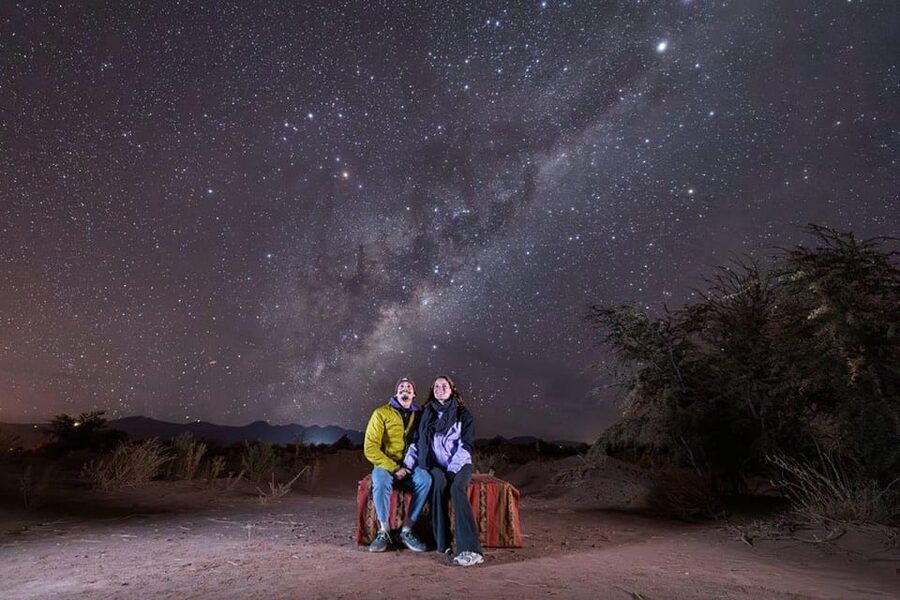
The activity includes a cocktail with access to a drinks bar. This gives the tour a relaxed social side, especially during pauses between telescope observations or explanations.
The drink is a modest extra, not a replacement for dinner. The supplied information does not list a meal, so plan to eat beforehand if you need a full evening meal. Since the tour begins late, this small bit of hospitality can make the waiting and observation periods feel more comfortable.
The best moment may come after the formal explanations. Once you have learned a few constellations and viewed an object through the telescope, take a moment to look up without equipment. The Atacama sky can make that simple act feel surprisingly powerful.
You may notice the contrast between the scientific discussion and the quiet desert around you. One minute you are hearing about star formation or a distant galaxy. The next, you are standing beneath the Milky Way with no screen or building competing for attention.
What the $100 price includes
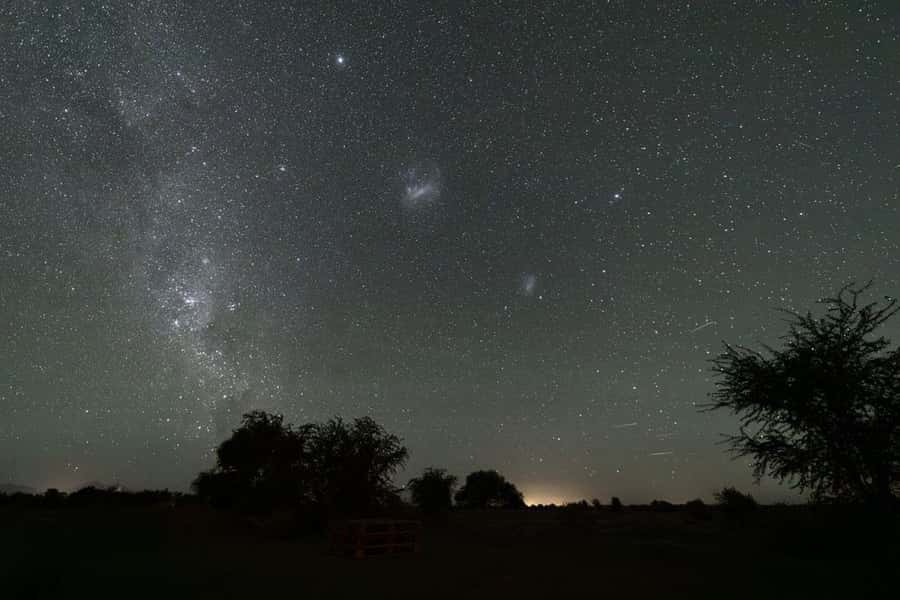
At $100 per person, this is not the cheapest evening activity, but the value depends on what you want from a stargazing experience.
The price includes a 150-minute guided session, bilingual instruction, telescope use, a cocktail and drinks bar, two photographs, and the return transfer to your hotel. Those inclusions make it more than a simple ride to a dark spot for a quick look at the sky.
The main value is the human guidance. You could look upward in the desert for free, but without help you may not know which objects you are seeing or how to use a telescope. The guides turn the sky into something you can read.
The price is harder to justify if your only goal is a short view of the stars. It is also worth checking the pickup arrangement because the listed inclusion does not cover pickup in the same way it covers the return journey. A long wait can take some shine off an otherwise strong evening.
I see the tour as good value for curious beginners, couples, families with older children, and anyone who wants both astronomy and a social night out. Serious amateur astronomers may want to ask about the exact equipment before booking, especially if they expect the very large telescope shown in promotional imagery.
Timing, comfort, and practical planning
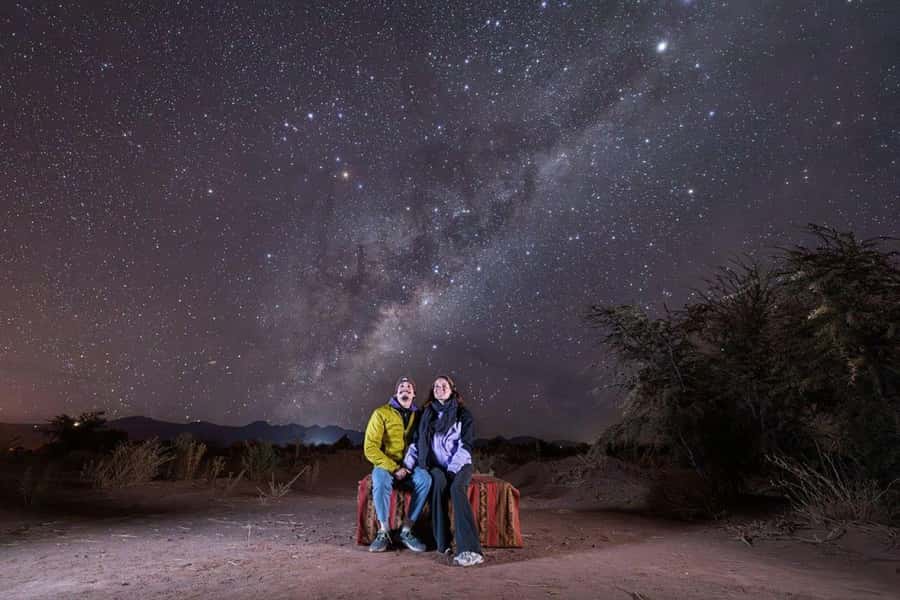
The tour lasts 150 minutes, which is long enough for explanation, telescope viewing, photographs, and time beneath the sky without becoming an all-night commitment.
The late start is unavoidable for a night-sky activity, but it affects your energy. You may spend part of the next morning sleeping in, especially if you have an early desert excursion planned. I would avoid scheduling a sunrise outing immediately afterward unless you are comfortable with very little rest.
The information provided does not specify temperatures, seating, restroom arrangements, group size, or the exact observation site. Do not assume these details. Ask the operator if they matter to you.
Your hotel address is important because the operator uses it to coordinate the transfer. Keep the confirmation available and watch for the pickup message. If you do not hear anything, contact the operator before the stated window rather than waiting in silence.
The tour allows free cancellation up to 24 hours before departure for a full refund. You can also reserve now and pay later, which helps if your desert plans may change. Those terms are useful here because cloud or scheduling concerns can affect your decision, although the provided information does not explain how weather cancellations are handled by the operator.
Who should book this astronomical tour
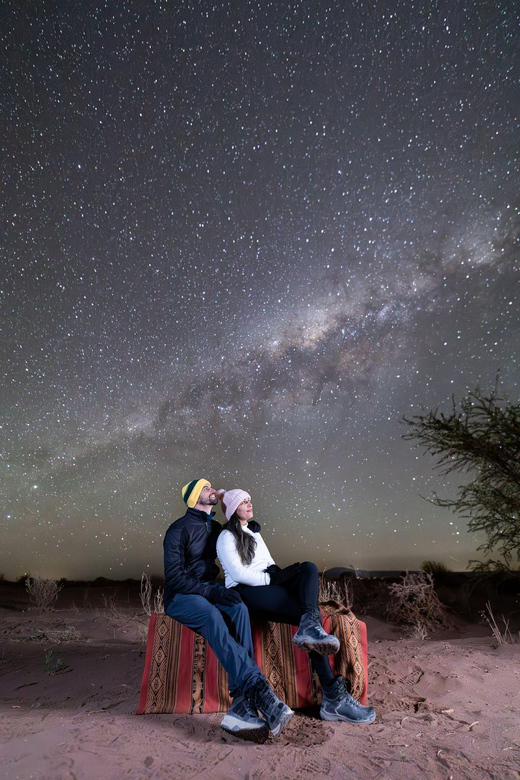
I would recommend this experience to you if you want an introduction to astronomy that feels personal and easy to follow. The bilingual guides, telescope session, mythology, science, and photography instruction cover a lot in two and a half hours.
It suits couples looking for a quiet night activity, families whose children are interested in space, and adults who have always wanted to use a telescope but never had the chance. The included drink and photographs also make it feel like a complete evening rather than a technical workshop.
You may want to think twice if you dislike late-night activities, need exact pickup arrangements, or expect a professional observatory with a huge telescope. The equipment can be good without being the largest instrument shown in an image.
The tour also depends on the sky. If the moon is bright, some faint objects may be harder to see. But a moonlit night does not automatically ruin the experience. A telescope has still shown impressive views under a waxing moon, and the guide’s explanations remain valuable in any case.
Should you book it?
Book this tour if you want to understand the Atacama night sky, not just photograph it. The best reasons are the clear desert setting, lively bilingual guides, telescope access, and the chance to learn simple astrophotography.
Before paying, confirm the pickup point and exact time. Also ask what telescope setup is planned if the instrument itself is central to your decision. With those details settled, the $100 price is reasonable for a guided 150-minute experience that combines science, stories, drinks, photographs, and a hotel return transfer.
FAQ
Where does the astronomical tour take place?
The tour takes place in northern Chile’s Atacama Desert, one of the world’s best-known areas for observing the night sky.
How long does the tour last?
The activity lasts 150 minutes.
What time does pickup take place?
Pickup is scheduled between 9:00 and 9:30 p.m. The operator confirms the exact time on the day of the tour.
Is hotel transfer included?
Return transfer to your hotel is included. Pickup is listed separately as not included, so confirm the starting point and pickup arrangements with the operator.
What languages are available?
The live guide is available in Spanish and English.
Is telescope use included?
Yes. Telescope use is included in the activity.
Are drinks included?
Yes. The tour includes a cocktail with access to a drinks bar.
Are photographs included?
Yes. Two photographs are included. The guides also provide help with astrophotography using professional cameras or smartphones.
Can I cancel for a refund?
You can cancel up to 24 hours in advance for a full refund. The activity also offers a reserve-now, pay-later option.
Just added around San Pedro De Atacama
- Atacama Desert and Magic Bus Visit★ 4.8 · 15 reviews
- Vallecito★ 4.7 · 13 reviews
- San Pedro de Atacama: Valle de la luna★ 3.0 · 3 reviews
- Valle de la Luna: A Moon-Like Escape in Atacama★ 5.0 · 3 reviews
- Valley of the moon★ 5.0 · 50 reviews
- San Pedro de Atacama: Half day Valle de la Luna, Afternoon Tour★ 4.5 · 52 reviews
- Piedras Rojas and Altiplanic Tour★ 4.5 · 38 reviews
- Uyuni Salt Flats 4-days tour from Atacama> private room available★ 4.5 · 44 reviews
Atacama Stargazing Tours, compared.
Astronomical Tour with Guide and Pick Up San Pedro de Atacama
Read our review →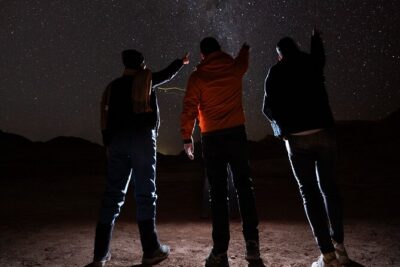
“Astronomical Adventure in San Pedro de Atacama”
Read our review →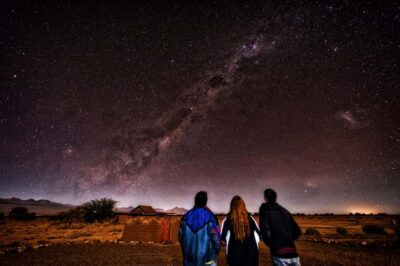

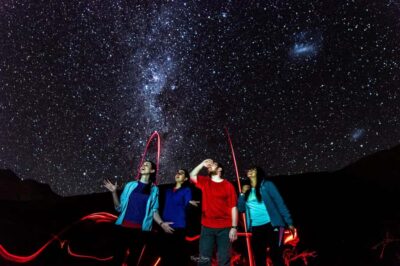
Pisco Elqui: Mountaintop Stargazing and Night Portrait
Read our review →Browse the lists this tour appears in