
Reviewed · EASTER ISLAND MOAI TOURS
Easter Island: Demo of How to Carve a Moai statue
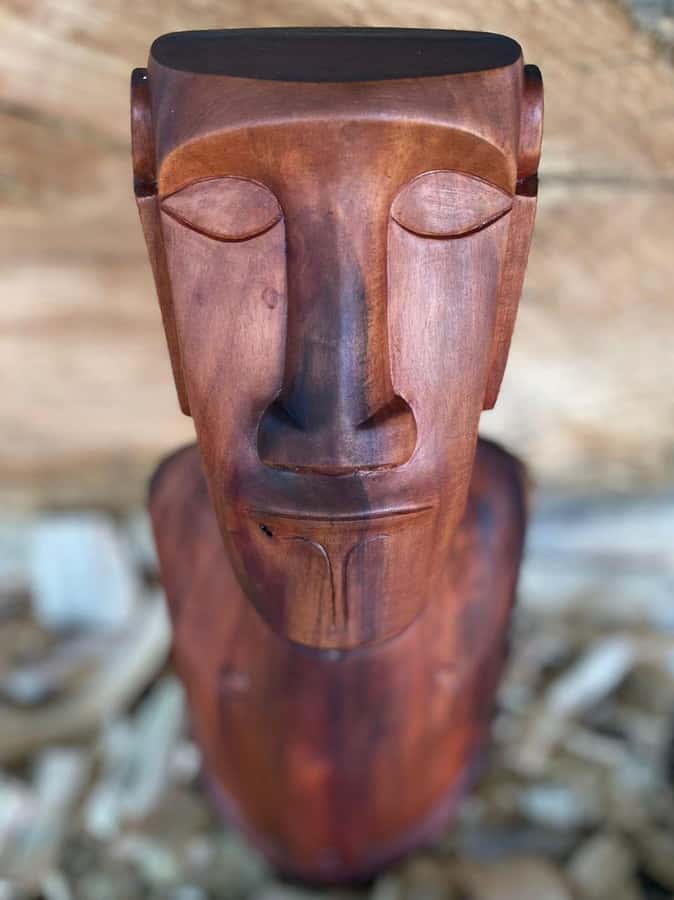
The most unusual part of this private Rapa Nui experience is its setting: you meet artist Joaquin Rapu at his house, not in a large workshop filled with tourists. He shows how a block of wood becomes a moai, explains the tools, and gives you a chance to work with the same basic materials. The subject is closely tied to Easter Island, where moai carving is an especially meaningful art form.
I like two things right away. First, you get a personal souvenir made during the class, rather than buying another polished trinket from a shop. Second, Joaquin’s warm, patient manner seems to make the activity comfortable even when your Spanish is limited. The main point to clarify before booking is how much carving each participant will do, since one recent booking account understood that the group created one moai together rather than one statue per person.
In This Review
- Key points
- Why This Small Rapa Nui Class Feels Different
- Meeting Joaquin at His House
- Watching a Moai Take Shape
- What You Actually Carve and Take Home
- The Cultural Side of the Carving
- How Much the $100 Price Is Worth
- What the Best Parts of the Experience Are
- Who Should Book This Class
- Booking Details Worth Knowing
- Should You Book the Rapa Nui Moai Carving Class?
- FAQ
- Where does the moai carving class take place?
- How long does the activity last?
- How much does the class cost?
- Is transportation included?
- What is included in the price?
- Can I take a moai statue home?
- What language is the class taught in?
- Is the activity suitable for children?
- Can I cancel the booking?
Key points
- Meet Joaquin Rapu at his home, in the penultimate light-blue house on the road.
- Learn the carving process by hand, with wood, tools, and other supplies provided.
- Connect the craft to Rapa Nui ancestry, rather than treating the moai as a simple souvenir.
- Take home the finished wooden moai, a personal reminder of your time on Easter Island.
- Plan for Spanish instruction, and ask ahead about language support if that matters to you.
- Allow two hours, plus your own taxi time to and from the house.
Why This Small Rapa Nui Class Feels Different
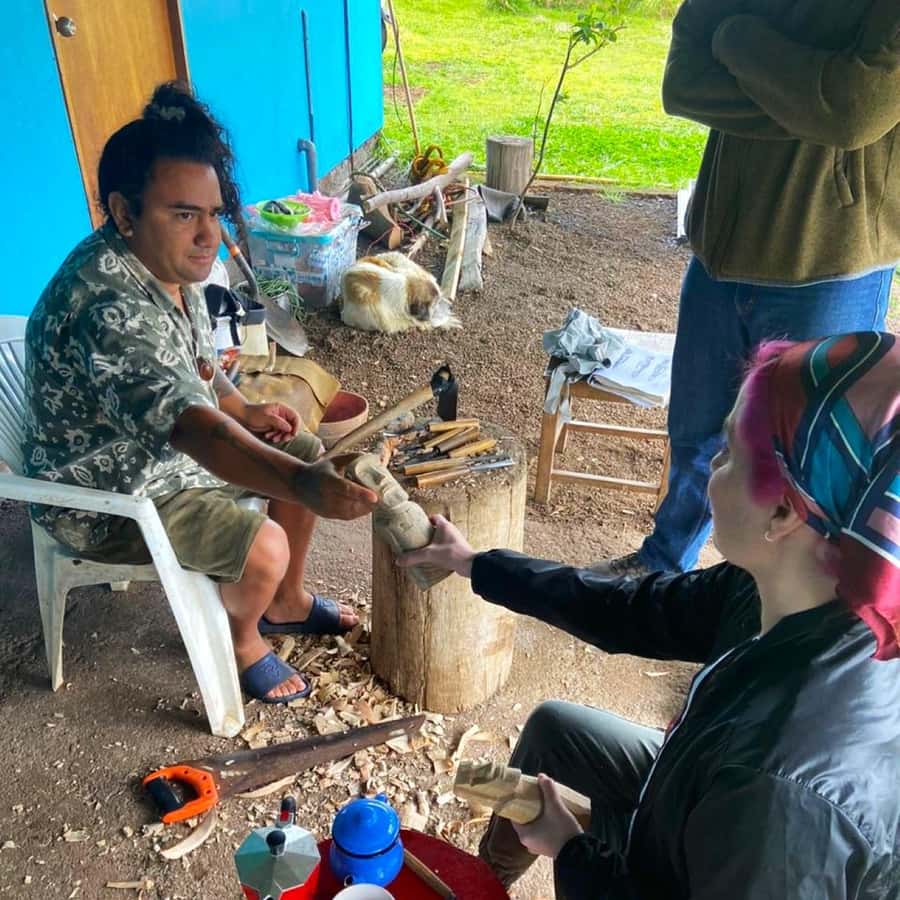
Easter Island is full of huge, famous moai, but it can be hard to get close to the human work behind them. This class gives you a small, practical way to think about that tradition. Instead of only photographing stone figures at an archaeological site, you handle the wood, pick up the tools, and watch an artist make decisions about shape and detail.
That change in scale matters. A wooden moai you can hold will never compare with the size or age of the island’s monumental statues, but it can help you understand carving as a process. You see that the familiar long face and strong profile begin as a plain block. The finished object carries a personal connection because you were present for its making.
The setting also keeps the experience local. You are directed to Joaquin’s house, where the class takes place in a private group. That makes this feel more like an appointment with an artist than a scheduled stop on a large tour bus.
More easter island moai tours in Easter Island:
- From Hanga Roa: Rapa Nui Culture Sightseeing Tour
★ 4.6 · 307 reviews - From Hanga Roa: Journey from Orongo to Ana Te Pahu
★ 4.3 · 75 reviews - Rapa Nui Stargazing
★ 4.5 · 62 reviews
Meeting Joaquin at His House
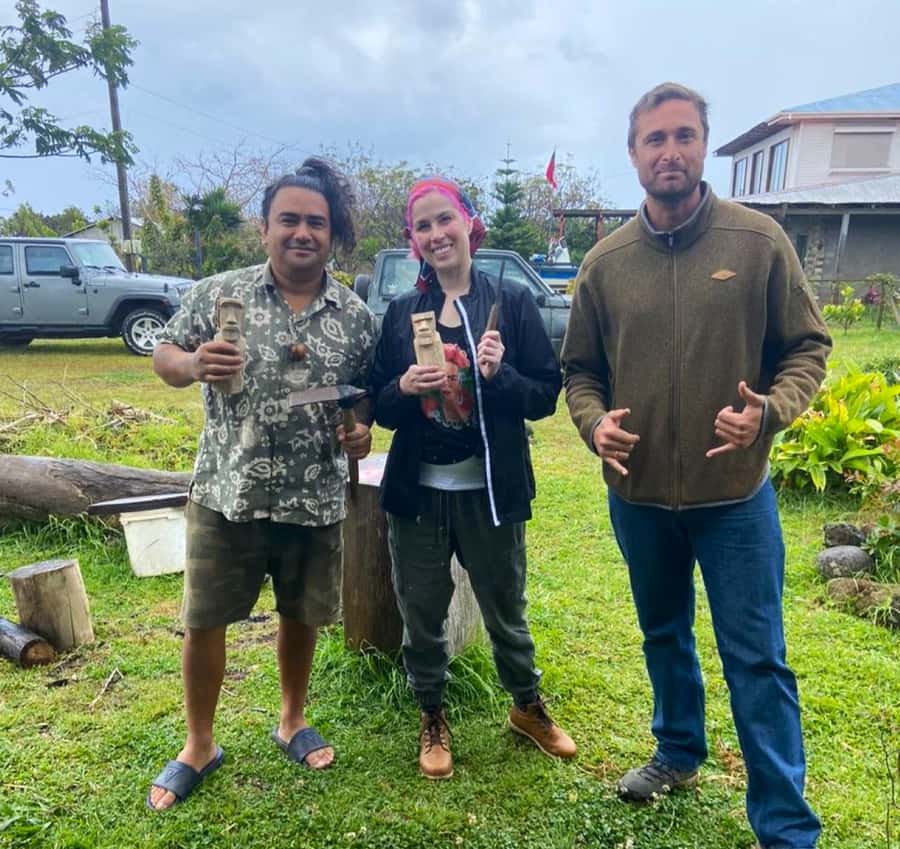
You arrange your own taxi to Joaquin Rapu’s house. The meeting directions identify it as the penultimate light-blue house on the road, and the supplied map link provides the exact point. I would save the map before leaving your hotel and show the address to the driver, since a private home is less obvious than a major attraction.
Transportation is not included, so build that cost and time into your plans. The class itself lasts two hours, but your total outing will be longer once you add the ride in both directions. If you are scheduling this between other activities, avoid making the connection too tight.
The private format is a real advantage here. You have room to ask questions and work at your own pace without competing with a large crowd. It also means the quality of the experience depends heavily on communication with the artist. The listed instructor language is Spanish, so basic Spanish will help you understand instructions about the tools and carving steps.
Language information appears a little mixed in the available booking details. One account described the guide as speaking English, while the official activity information identifies Spanish. If you do not understand Spanish, contact the provider before paying and ask exactly what language Joaquin will use for your date.
Watching a Moai Take Shape
The class begins with a demonstration of how to carve a wooden moai. Joaquin introduces the tools and explains which ones are used during the different stages. You then handle the materials yourself and begin working on the wood.
The appeal is not speed or polish. It is watching the form emerge. You start with a simple piece of wood and use the tools to bring out the basic features of a moai. The activity description presents this as a hands-on master class, and the supplied tools, wood, and other materials are included in the price.
You should arrive ready for a creative task, not a passive lecture. Wood carving requires attention and some patience. Comfortable clothing is recommended, and I would avoid anything you would worry about getting dusty or marked. Bring a camera if you want pictures of the process, but keep it out of the way when tools are in use.
The class is not suitable for children under 12. That age limit makes sense for an activity involving carving tools, close instruction, and concentration. Older children may still need to work carefully and follow Joaquin’s directions.
What You Actually Carve and Take Home
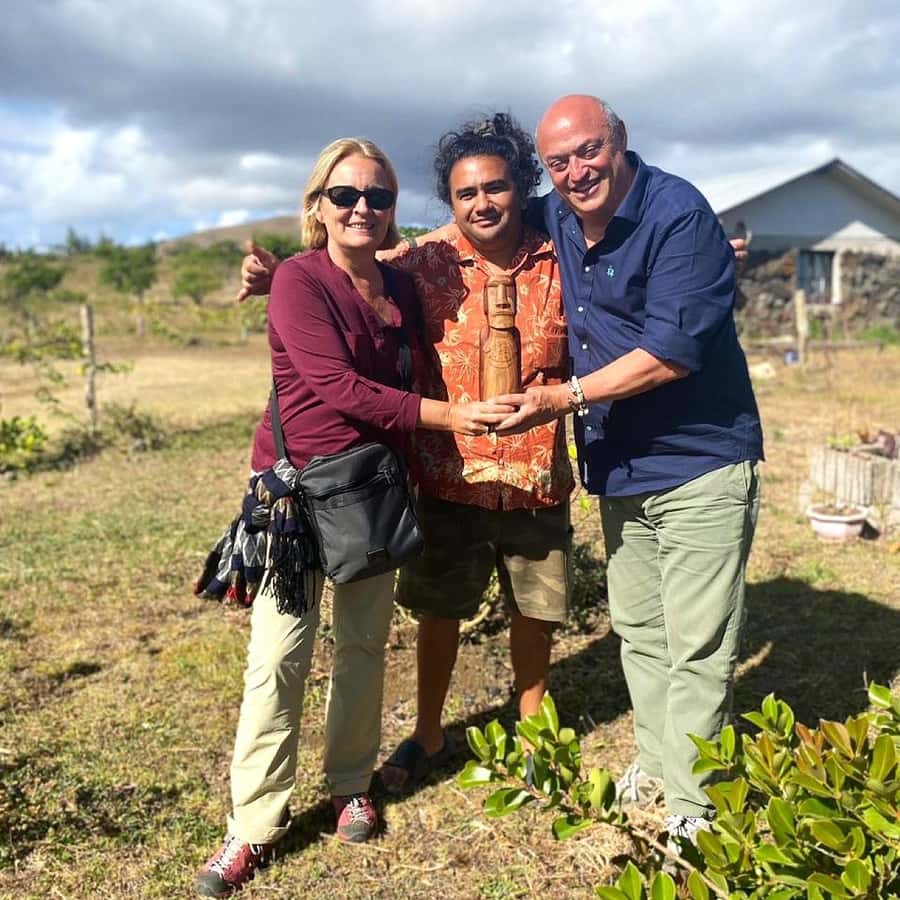
The biggest practical question concerns the final souvenir. The activity promises your own carved wooden moai to take home, and the class is designed around creating a personal piece of art. However, one booking account said the activity produced one moai for the group, with a second statue available for purchase so that both participants could take one home.
I would not ignore that detail. If two people are booking because each wants an individual statue, ask Paikea Tours how the class is structured for your group before confirming. The wording suggests hands-on participation, but it does not clearly explain whether each person completes a separate carving or helps create one shared piece.
That uncertainty does not cancel the value of the class. It simply affects what you should expect for the $100 price. If the session includes a demonstration, instruction, use of tools, materials, and one finished statue, it is priced as a private art lesson and cultural meeting, not merely as a souvenir purchase. If you need two finished pieces, budget for the possible extra purchase.
The finished carving is likely to have more meaning than a mass-produced item because you saw the work happen and took part in it. It also travels more easily than a large sculpture. Before flying home, check your own luggage limits and packing needs, as the supplied information does not specify the statue’s size or packaging.
Same long country, a very different day out:
- From Hanga Roa: Easter Island Highlights 2-Day Tour
★ 4.3 · 205 reviews - From Hanga Roa: Easter Island Sightseeing Full Day Tour
★ 4.5 · 189 reviews - Full day tour – DREAM
★ 5.0 · 86 reviews - Two days of Full Day Tour of Rapa Nui + Sunrise in Tongariki
★ 4.8 · 55 reviews
The Cultural Side of the Carving
The class connects the craft to the ancestral culture of Rapa Nui. That context is important because a moai is not just a decorative face. The great stone statues are one of the defining symbols of Easter Island, and the activity explains that this style of art is endemic to Rapa Nui.
You should think of the class as a short introduction rather than a full history lesson. Two hours is enough time for a demonstration, questions, and practical work, but not enough for a broad study of the island’s archaeology and social history. I would pair it with visits to the major moai sites so you can see the large stone figures after learning how a smaller wooden form is made.
Joaquin’s role adds something a book or museum display cannot. You can ask questions while the work is happening, and the information says he shares a glimpse into the culture of his ancestors. That direct setting is the heart of the activity. It puts a local artist, rather than a generic narration, at the center.
At the same time, be respectful about what the class can and cannot offer. You are learning a living artistic practice through one artist’s teaching. You are not receiving a complete account of every Rapa Nui belief, carving method, or archaeological debate.
How Much the $100 Price Is Worth
At $100 per person, this is not the cheapest two-hour activity on Easter Island. The price makes more sense if you value privacy, personal instruction, and the finished carving. Your fee includes the private class, the tools, wood, other supplies, and the moai you take home.
The value is strongest for someone who wants an activity with a clear connection to Rapa Nui culture. You are not simply paying for two hours of entertainment. You are paying for access to an artist, a guided process, and a physical object tied to your time on the island.
The value is weaker if you only want to see a professional make a statue quickly. A recent booking account described Joaquin turning a block of wood into a moai in a short time, which sounds impressive, but you should confirm how much of the two hours is demonstration and how much is your own carving. The answer can change how you judge the price.
The private group format also matters. A larger class might cost less per person, but it would not offer the same chance to ask questions or receive direct help. If you are traveling as a couple, family group with children over 12, or a few friends, splitting the private experience among your own party may make the price easier to accept.
What the Best Parts of the Experience Are
The strongest feature is Joaquin himself. The available comments repeatedly point to his friendly, welcoming, patient approach. One participant with limited Spanish found him patient, while another described him as warm and informative. That is exactly what you want in a practical lesson where clear instruction matters.
The second strength is the sense of originality. The activity is not a standard sightseeing loop. You visit a local artist’s home, learn a specific craft, and leave with something connected to the island. The result may not be perfectly polished, but that is part of its charm. It is your souvenir, not a factory item.
The third strength is the focus on process. You learn how different tools are used at different stages, then start working with the wood. Even if your final carving is modest, you will understand more about the skill involved in shaping a figure from a raw block.
There are also limits. The instruction is listed in Spanish, and the exact arrangement for one statue per participant is not fully clear. You should also remember that a private home meeting requires you to handle your own taxi arrangements. These are small concerns for a well-prepared booking, but they are worth settling in advance.
Who Should Book This Class
I would recommend it most strongly to adults and teenagers over 12 who enjoy making things with their hands. It is a good fit if you want a slower, personal activity between archaeological visits and outdoor sightseeing.
It also suits anyone looking for a meaningful keepsake. The statue is not just something you pick up at a shop. You see the form develop, use the tools, and connect the object with a particular person and place.
This may not be your best choice if you need instruction in English, dislike hands-on work, or want a broad lecture on Easter Island. It is also not ideal if your schedule is packed so tightly that a two-hour class plus taxi rides feels rushed.
Couples should clarify whether they will make one shared moai or receive separate pieces. Solo participants may appreciate the private attention, though the $100 per person price is easier to justify when you care about the lesson as much as the object.
Booking Details Worth Knowing
The activity lasts two hours, with starting times dependent on availability. It is offered as a private group, and Paikea Tours is the provider.
You can reserve now and pay later, which helps if your Easter Island schedule is still taking shape. Free cancellation is available up to 24 hours before the activity for a full refund.
Wear comfortable clothes suitable for wood carving and bring a camera if you want to record the work. You do not need to bring tools or wood, since the necessary carving equipment and materials are supplied.
The meeting point is Joaquin Rapu’s house. Ask a taxi driver to take you there, use the supplied map link, and look for the penultimate light-blue house on the road.
Should You Book the Rapa Nui Moai Carving Class?
Book this if you want a personal cultural activity and like the idea of taking home something you helped make. Joaquin’s friendly teaching style, the private setting, and the direct connection to Rapa Nui carving give the two hours real character.
Before you commit, confirm two points: the language used on your date and whether each participant makes an individual moai. If those details work for you, the $100 price is reasonable for a private lesson with materials included, especially when you value the experience as much as the souvenir.
FAQ
Where does the moai carving class take place?
The class takes place at Rapa Nui artist Joaquin Rapu’s house. The meeting directions identify it as the penultimate light-blue house on the road, and a map link is provided for the exact location.
How long does the activity last?
The wood-carving experience lasts two hours. Starting times depend on availability.
How much does the class cost?
The listed price is $100 per person.
Is transportation included?
No. Transportation to and from Joaquin’s house is not included. You need to arrange a taxi to the meeting point.
What is included in the price?
The price includes a private wood-carving class with a local Rapa Nui artist, carving tools, wood, other necessary materials, and a finished wooden moai to take home.
Can I take a moai statue home?
Yes. The activity includes a wooden moai souvenir to take home. If more than one person wants a separate statue, confirm the arrangement with the provider before booking.
What language is the class taught in?
Spanish is the listed instructor language. If you need another language, ask Paikea Tours about language support before booking.
Is the activity suitable for children?
The class is not suitable for children under 12.
Can I cancel the booking?
You can cancel up to 24 hours in advance for a full refund. The activity also offers a reserve-now-and-pay-later option.
Just added around Easter Island
- Volcanic Refuges: Excursion to Underground Civilization★ 4.7 · 8 reviews
- Ride to the highest point on the island for sunset★ 5.0 · 40 reviews
- Half Day Tour in Rapa Nui★ 5.0 · 48 reviews
- Tongariki Sunrise: Half Day Private Tour★ 3.8 · 9 reviews
- Easter Island: Private Full Day History Of The Moai★ 4.6 · 12 reviews
- Terevaka Horse Excursion: The highest point and 360° view.★ 4.7 · 38 reviews
- Sunrise Tongariki: Sunrise at Tongariki Park Private Tour★ 4.5 · 47 reviews
- Rapa Nui: Polynesian Massage★ 4.8 · 5 reviews
Easter Island Moai Tours, compared.
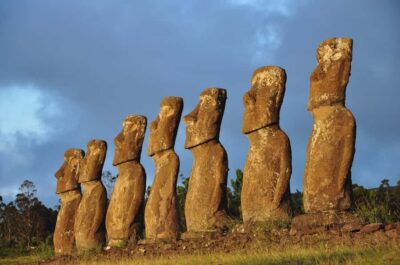


Two days of Full Day Tour of Rapa Nui + Sunrise in Tongariki
Read our review →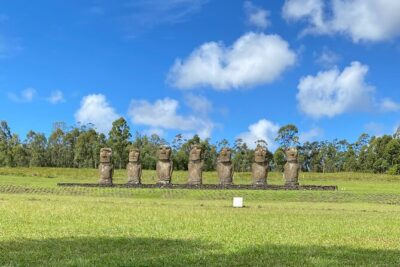
Adventures in Rapa Nui: High-quality tourism with Easter Island Your Tour.
Read our review →
Private Tour: The Underground World of Rapa Nui Caves
Read our review →
Browse the lists this tour appears in