
Reviewed · EASTER ISLAND MOAI TOURS
Easter Island: Moai Full Day Private Tour
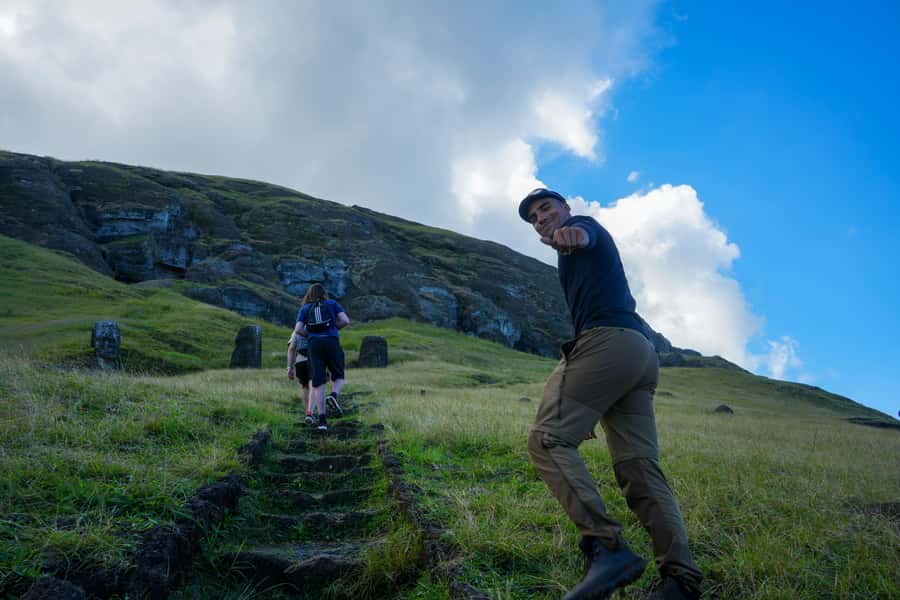
The most powerful part of this seven-hour outing is its sweep across Rapa Nui. You move from Vinapu’s carefully fitted stone wall to the fifteen moai at Tongariki, then walk among unfinished statues at Rano Raraku before ending at two beaches. I like the private format and the chance to see both famous sites and quieter stops such as One Makihi. I also like that Enrique, the guide named in the booking information, can tailor the tour to your needs.
The main drawback is cost. At $219 per person, this is not a budget sightseeing ride, especially since park admission and food are extra. Still, a private vehicle, hotel pickup, a full seven hours, and a guide in English, French, or Spanish can make the price reasonable if you want context and flexibility rather than a quick group circuit.
In This Review
- Key points to know before you book
- Why this private Rapa Nui route works
- Vinapu and the island’s finely fitted stonework
- Ahahanga and moai in their original setting
- Te Pito Kura and a sacred setting
- One Makihi, a quiet stop before Tongariki
- Ahu Tongariki and its row of fifteen moai
- Rano Raraku, the quarry where statues took shape
- Ovahe’s rose sand and Anakena’s clear water
- What the $219 price includes and leaves out
- Guide style and the practical details
- Who should book this tour
- Should you book the Moai Full Day Private Tour?
- FAQ
- Where does the tour take place?
- How long does the tour last?
- Is the tour private?
- Which sites are included?
- Is hotel pickup included?
- Which languages are available?
- Is food included?
- Is park admission included?
- Is bottled water included?
- Can I cancel for a full refund?
Key points to know before you book
- Fifteen moai at Ahu Tongariki: See the island’s largest restored ceremonial platform and its striking row of statues.
- Rano Raraku’s unfinished figures: Walk near moai still being carved at the volcanic quarry often called the moai factory.
- Private touring with Enrique: The guide can adjust the outing to fit your needs, according to the available booking information.
- Quiet ceremonial sites: Vinapu, Ahahanga, Te Pito Kura, and One Makihi add details that are easy to miss on a rushed route.
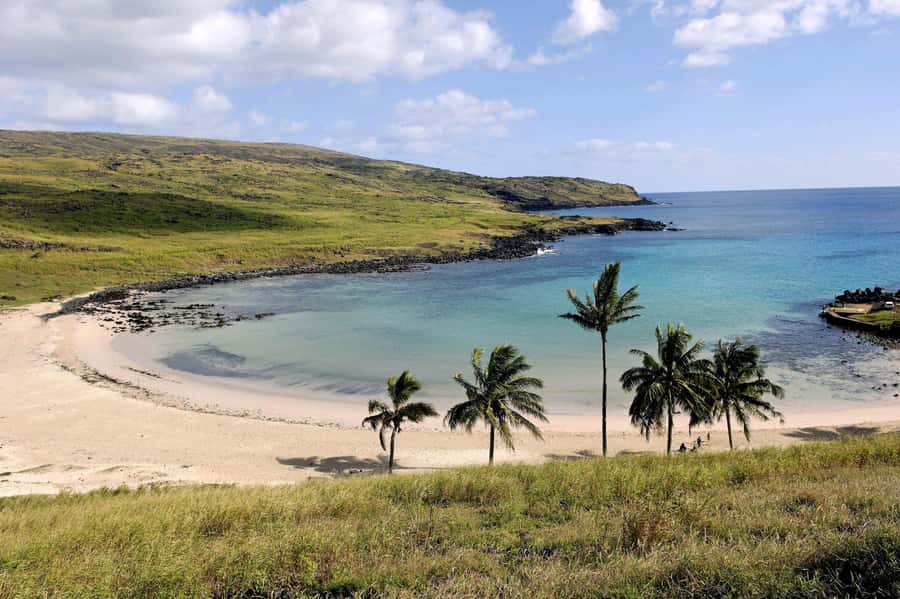
- Two very different beaches: Ovahe offers rose-colored sand, while Anakena has clear water and space to relax.
- Useful but limited inclusions: Hotel pickup, return, and one bottle of water are included. Food and park entry are not.
Why this private Rapa Nui route works
Easter Island is not a place you understand from one dramatic photo. The moai are the obvious draw, but the meaning of the platforms, quarry, fallen statues, sacred stones, and beaches becomes clearer when you see them as parts of one cultural setting.
This tour gives you a broad seven-hour route around the island. You visit major sites, but you also stop at places that receive less attention. That balance matters. Tongariki and Rano Raraku deliver the famous sights, while One Makihi and Ahahanga slow the pace and show you more of the island’s archaeological story.
I especially like the private group setup. You are not locked into the rhythm of a large bus. The available information does not promise unlimited schedule changes, but Enrique is described as tailoring the tour to your needs. That is valuable on a site-heavy day, since you may want more time at the quarry, a shorter beach stop, or extra explanation at the ceremonial platforms.
The tour is listed at $219 per person. Judge that price against what you want from the day. If all you need is transport between a few sites, it may feel high. If you want a dedicated guide, hotel pickup and return, multilingual service, and a route covering much of Rapa Nui, it becomes easier to justify.
More easter island moai tours in Easter Island:
- From Hanga Roa: Rapa Nui Culture Sightseeing Tour
★ 4.6 · 307 reviews - From Hanga Roa: Journey from Orongo to Ana Te Pahu
★ 4.3 · 75 reviews - Rapa Nui Stargazing
★ 4.5 · 62 reviews
Vinapu and the island’s finely fitted stonework
Your first major stop is Ahu Vinapu. The site is known here for a wall that resembles the precise stone construction associated with the Incas. That comparison makes Vinapu a useful opening stop because it raises a question rather than handing you a simple answer: how should you understand the similarities in stonework?
Your guide is the person who can give that question proper context. Look closely at the joints and the way the blocks meet. The point is not just to take a picture of an impressive wall. It is to notice the skill involved in shaping and placing heavy stones without modern construction tools.
Vinapu also sets up an important theme for the day. Rapa Nui archaeology is full of unanswered questions and competing interpretations. A good explanation should help you separate what is clearly visible from what remains uncertain. Since the tour promises a closer look at the island’s hidden history, this is one of the places where you should ask questions rather than simply move on.
Ahahanga and moai in their original setting
The route continues to Ahu Ahahanga, where you can see moai in their original position, raised on a ceremonial platform. This offers a different experience from seeing fallen or unfinished statues. Here, you get a clearer sense of how a moai was meant to relate to its ahu, the stone platform that formed part of the ceremonial setting.
The value of Ahahanga is scale and placement. A statue can look like an isolated sculpture in a photograph, but its relationship to the platform and surrounding ground gives it a stronger cultural and architectural meaning. Your guide can explain why these statues mattered to Rapa Nui communities and how the platform shaped the ceremony around them.
This is also a good point in the day to pay attention to the difference between original placement and reconstruction. The supplied details identify the moai as being in their original position, but they do not provide a full account of conservation work or site restrictions. Listen closely to the guide’s explanation and avoid treating every visible feature as untouched.
Te Pito Kura and a sacred setting
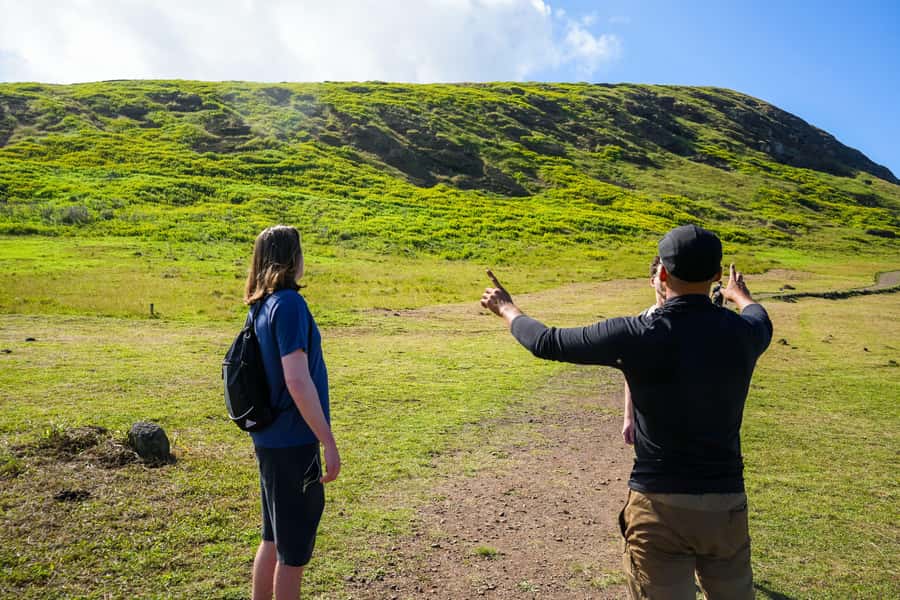
At Te Pito Kura, you see a sacred place connected with one of the largest moai on the island. The stop is less about counting statues and more about understanding the weight given to certain places and objects in Rapa Nui culture.
The guide’s explanation matters here. Without context, a very large moai is simply a very large moai. With context, you can consider the work involved in carving, moving, and raising it, as well as the importance of the statue within the ceremonial system.
The description calls Te Pito Kura sacred, so approach it with care. Keep your attention on the site rather than treating it as a prop for a quick photograph. The tour’s emphasis on mystery and enigma may make the stop sound dramatic, but the real interest is in looking closely and allowing the guide to explain what is known.
A few more Easter Island trips to weigh up
- From Hanga Roa: Easter Island Sightseeing Full Day Tour
★ 4.5 · 189 reviews - Full day tour – DREAM
★ 5.0 · 86 reviews - Two days of Full Day Tour of Rapa Nui + Sunrise in Tongariki
★ 4.8 · 55 reviews - Easter Island: Full-Day Tour to Anakena
★ 4.7 · 27 reviews
One Makihi, a quiet stop before Tongariki
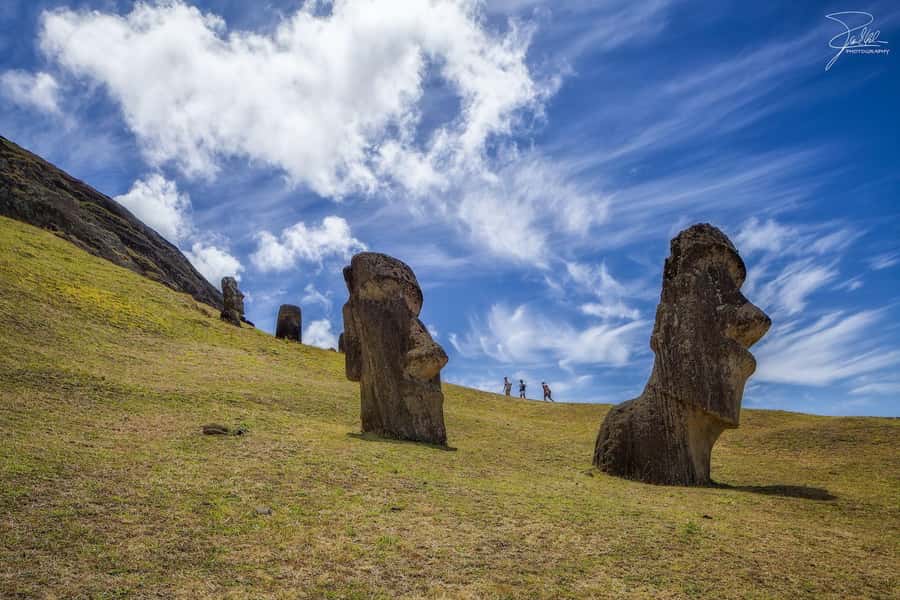
Before Ahu Tongariki, the tour makes a stop at One Makihi. The site includes an old ahu and a finely chiselled moai lying on its back. This is a more subdued scene than Tongariki, and that contrast is useful.
One Makihi shows you that Rapa Nui is not only a collection of upright statues lined up for photographs. You encounter damaged, fallen, unfinished, and displaced moai as well. The supine figure gives the day a more reflective pause before the huge visual impact of Tongariki.
The information provided does not give a long stop time, so you should think of One Makihi as a focused visit rather than a separate half-day outing. Still, it is exactly the sort of detail that can make a private route feel more rewarding. You are not only checking off the island’s most famous name.
Ahu Tongariki and its row of fifteen moai
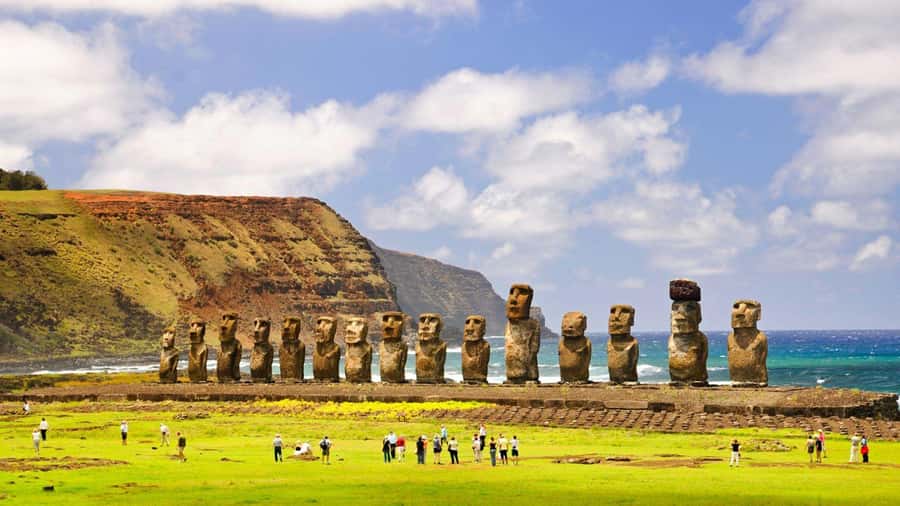
Ahu Tongariki is the visual centre of the tour. Fifteen imposing moai occupy the island’s largest group of statues, placed on a broad ceremonial platform. This is the moment when the scale of Rapa Nui’s monumental tradition becomes easiest to grasp.
Give yourself time to look along the whole row. Notice how the figures differ in size and shape, and how the platform organizes them into one powerful composition. Your guide can explain the history and meaning of the statues, which helps turn a striking view into a more informed visit.
Tongariki is likely to be the busiest and most photographed stop on the route, although no crowd information is provided. That means the private format may help you manage your time, but it cannot guarantee solitude. If you want a strong photograph, follow the guide’s advice and be patient with other people using the site.
The stop also works well after One Makihi. First you see a fallen moai in a quieter setting. Then you see fifteen figures restored to their intended arrangement. Together, the two places show different chapters in the story of the ahu and moai.
Rano Raraku, the quarry where statues took shape
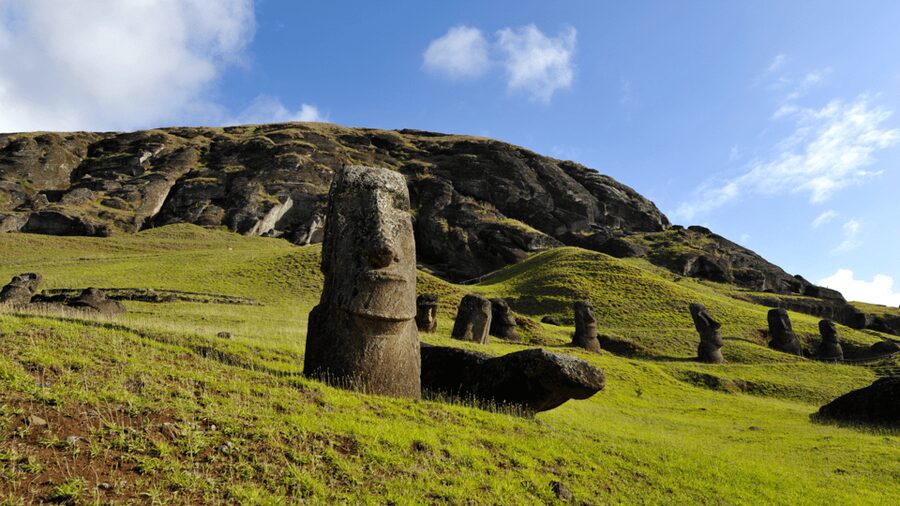
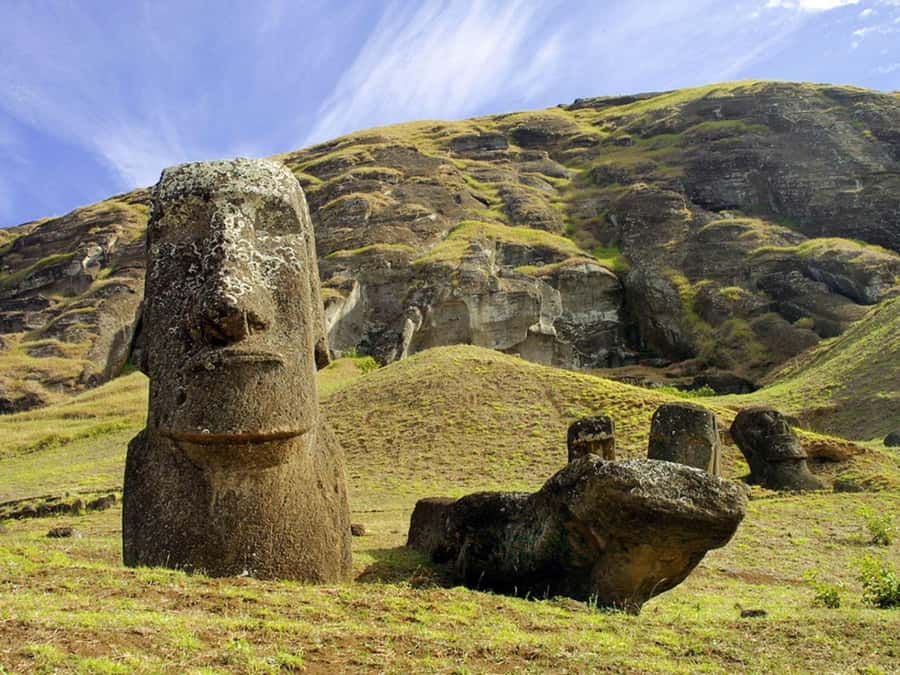
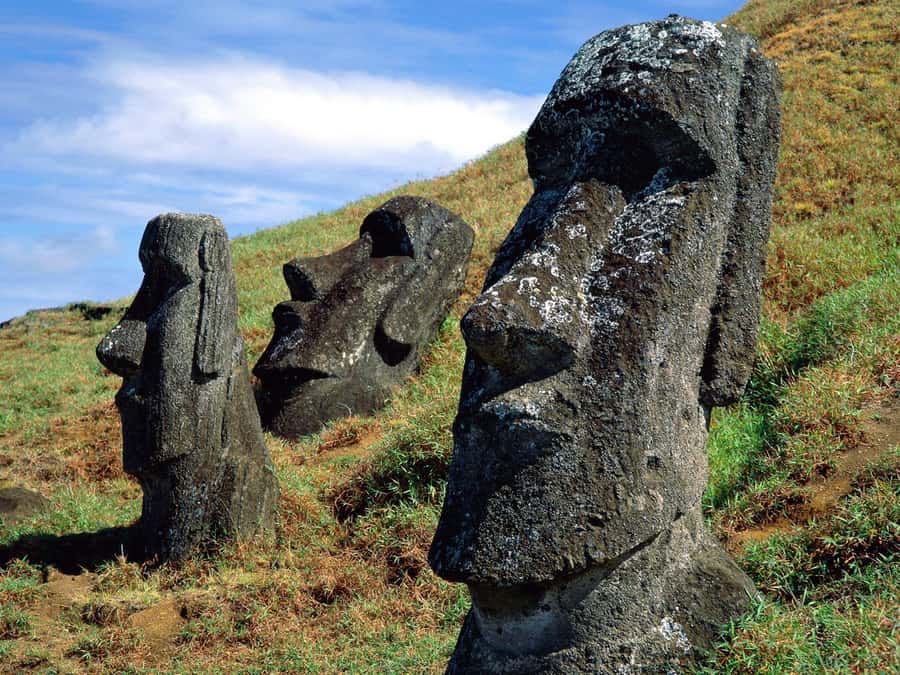
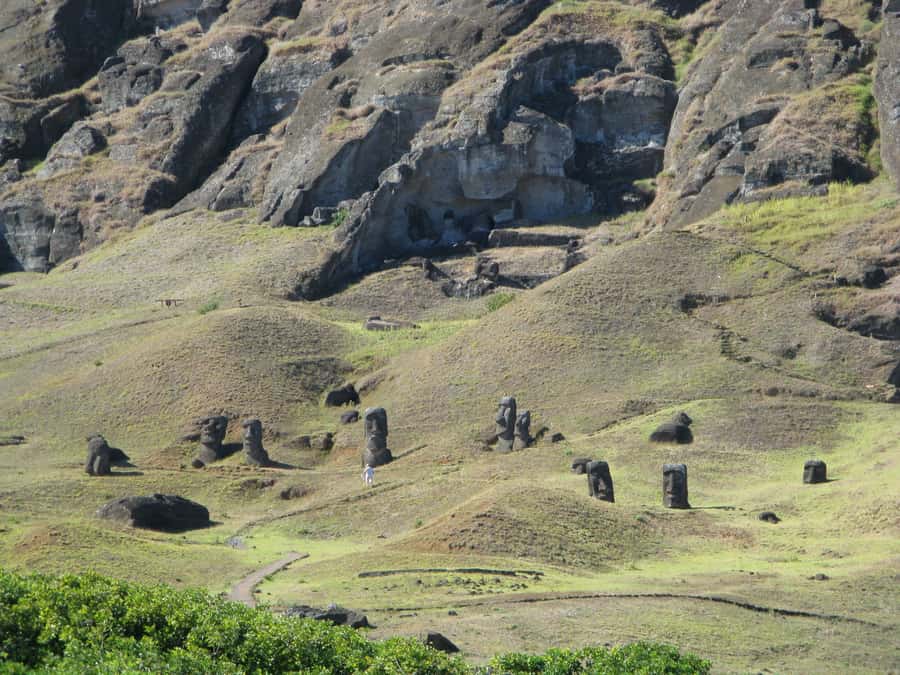
The tour then reaches Rano Raraku, the volcanic site widely called the moai factory. This is one of the most important stops because you can walk among moai still in the process of being made.
That unfinished state is the key. At the other sites, you see the result: a statue on a platform, a fallen figure, or a monumental group. At Rano Raraku, you see the work before completion. The quarry helps you picture how the island’s sculptors shaped the stone and how much labour was tied up in each figure.
Wear practical footwear and bring water, though the tour includes one individual bottle. That advice is sensible for any walking portion, but the provided details do not specify the trail surface, distance, or difficulty. You should ask the operator if those points matter to you.
The quarry is also where a guide’s interpretation can make the biggest difference. The tour promises an explanation of the statues’ importance to Rapa Nui culture. Pay attention to the link between carving, ceremony, social organization, and the island’s resources. The site is not simply an outdoor display of unfinished statues.
Ovahe’s rose sand and Anakena’s clear water
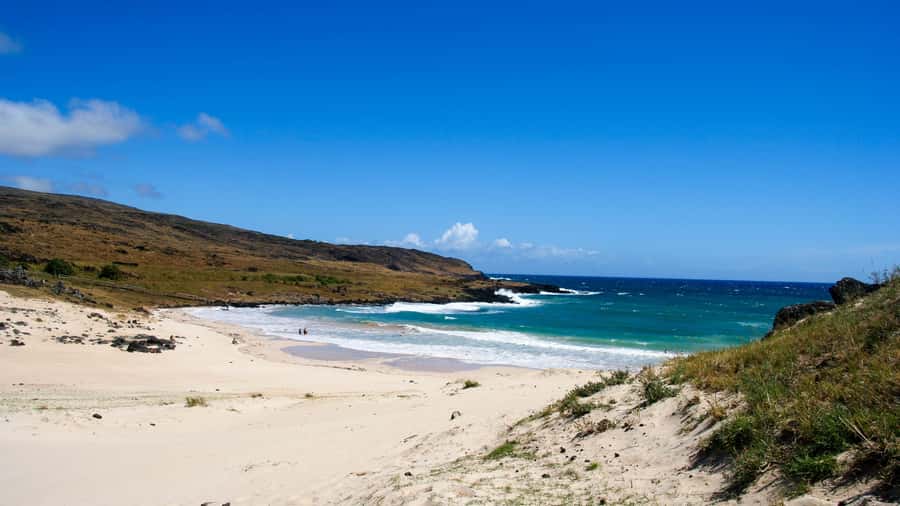
The final part of the route changes mood. At Ovahe, you stop to see the rose-colored sand. It is a brief but memorable contrast to the dark volcanic stone and monumental archaeology that dominate much of the day.
The tour ends at Anakena, described as a beautiful beach with clear water and a range of water activities, including snorkeling. You can relax there and enjoy an outdoor picnic, but food is not included, so you need to arrange that yourself. The information does not say that snorkeling equipment or organized water activities are included, so do not assume they are part of the $219 price.
Anakena is a smart finish because it gives your mind a break after several archaeological sites. You can review the day’s images, sit near the water, and see another side of Rapa Nui. The stop may suit you especially well if your ideal sightseeing day includes both culture and time outdoors.
The beach ending does require a little planning. Since meals are excluded, ask in advance what you should bring or where food can be obtained. The tour includes a water bottle, but seven hours of sightseeing can call for more than that, particularly if you spend time walking.
What the $219 price includes and leaves out
The price covers a private group experience lasting seven hours. Hotel pickup and return are included, as is one individual bottle of water. The live guide service is available in English, French, or Spanish.
The two significant extra costs are food and entry to the parks. These exclusions can change the real total, so factor them in before booking. The tour description does not give the park admission price, meal arrangements, vehicle details, or exact start time. Check those points when you look at availability.
I see the best value here for couples, families, or small groups who place a high value on a private guide. If you are traveling alone, $219 per person plus admission and food may feel less attractive. If several people share the private experience, the personal format can make more financial sense, depending on the final group price.
The free cancellation period is 24 hours before the scheduled start, and you can reserve now and pay later. Those terms give you some flexibility, but the key decision remains the route itself. This is a full sightseeing day, not a low-cost transfer.
Guide style and the practical details
The available booking information names Enrique as a guide who can tailor the tour to your needs. That is the clearest personal detail attached to the experience, and it is worth using when you book. Tell the operator what matters most to you, such as archaeology, photography, beaches, or a slower pace.
The tour also offers live guiding in English, French, and Spanish. Confirm your preferred language when reserving, since the listing provides the language choices but not a specific guide assignment for every departure.
Pickup is included. You should wait in your hotel lobby 10 minutes before the scheduled pickup time. The exact starting times depend on availability, so check before committing your day.
The experience has a 4.8 rating from five reviews, with one verified booking from Robert of the United States dated January 28, 2026. The strongest specific praise is for Enrique’s ability to shape the tour around personal needs. That is encouraging, but the small number of reviews means I would treat the rating as a useful signal, not a guarantee.
Who should book this tour
I would choose this tour if you want one concentrated day covering the island’s major moai locations, important archaeological details, and two beaches. It suits you if you prefer a private group, want a multilingual guide, and do not want to arrange your own transport between scattered sites.
It is also a good match if you enjoy questions as much as answers. Vinapu raises questions about stonework, Rano Raraku shows the statues in progress, and One Makihi presents a fallen figure rather than a polished postcard scene.
I would hesitate if you are mainly seeking a beach day, since much of the schedule is devoted to archaeological sites. I would also compare other options if you need food, park entry, or specialist walking information included in the price.
Should you book the Moai Full Day Private Tour?
Book it if the private format, Enrique’s flexible guiding, and the wide range of stops fit your priorities. The route gives you the great visual hits at Tongariki and Rano Raraku, but it also includes quieter places that help explain Rapa Nui beyond the famous photographs.
Before paying, confirm the park admission cost, meal plan, pickup time, guide language, and the amount of walking at Rano Raraku. If those extra details fit your budget, $219 per person can be a fair price for a seven-hour, hotel-to-hotel day with a dedicated guide.
FAQ
Where does the tour take place?
The tour takes place on Easter Island, also known as Rapa Nui, in Chile. The supplied location is listed as the Valparaiso Region, Chile.
How long does the tour last?
The tour lasts seven hours.
Is the tour private?
Yes. It is offered for a private group.
Which sites are included?
The route includes Ahu Vinapu, Ahu Ahahanga, Te Pito Kura, One Makihi, Ahu Tongariki, Rano Raraku, Ovahe Beach, and Anakena Beach.
Is hotel pickup included?
Yes. Hotel pickup and return are included. You should wait in the hotel lobby 10 minutes before the scheduled pickup time.
Which languages are available?
Live guiding is available in English, French, and Spanish.
Is food included?
No. Food is not included, so plan separately for a meal or picnic.
Is park admission included?
No. Entry to the parks is not included in the tour price.
Is bottled water included?
Yes. One individual bottle of water is included.
Can I cancel for a full refund?
Yes. You can cancel up to 24 hours in advance for a full refund. You can also reserve now and pay later.
Just added around Easter Island
- Volcanic Refuges: Excursion to Underground Civilization★ 4.7 · 8 reviews
- Ride to the highest point on the island for sunset★ 5.0 · 40 reviews
- Half Day Tour in Rapa Nui★ 5.0 · 48 reviews
- Tongariki Sunrise: Half Day Private Tour★ 3.8 · 9 reviews
- Easter Island: Private Full Day History Of The Moai★ 4.6 · 12 reviews
- Terevaka Horse Excursion: The highest point and 360° view.★ 4.7 · 38 reviews
- Sunrise Tongariki: Sunrise at Tongariki Park Private Tour★ 4.5 · 47 reviews
- Rapa Nui: Polynesian Massage★ 4.8 · 5 reviews
Easter Island Moai Tours, compared.

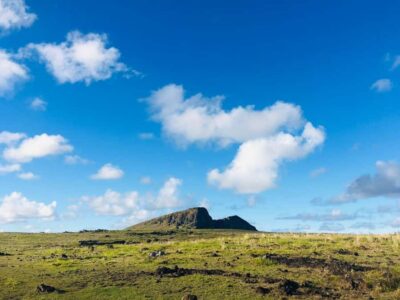
Two days of Full Day Tour of Rapa Nui + Sunrise in Tongariki
Read our review →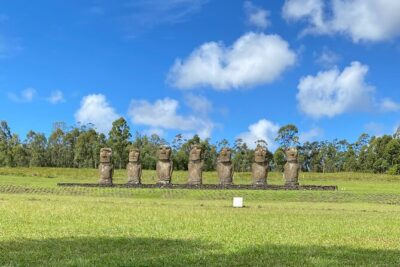
Adventures in Rapa Nui: High-quality tourism with Easter Island Your Tour.
Read our review →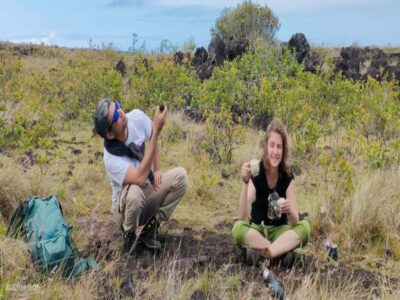
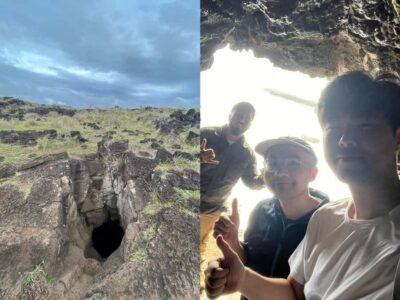
Private Tour: The Underground World of Rapa Nui Caves
Read our review →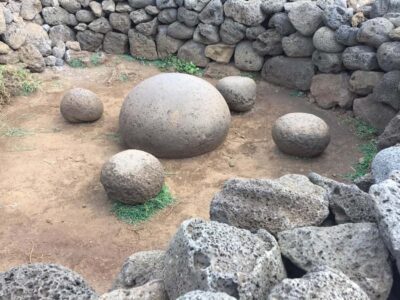
Browse the lists this tour appears in